


New research reveals that serotonin plays a key role in how the brain predicts future rewards, shedding light on its puzzling activity in response to both pleasure and pain.
Neuroscience Reveals How Gratitude Literally Rewires Your Brain to be Happier
Find out how practicing gratitude can improve your health and why it's important to develop this habit.

How the brain responds to reward is linked to socioeconomic background
The brain’s sensitivity to rewarding experiences — a critical factor in motivation and attention — can be shaped by socioeconomic conditions, according to an MIT study.

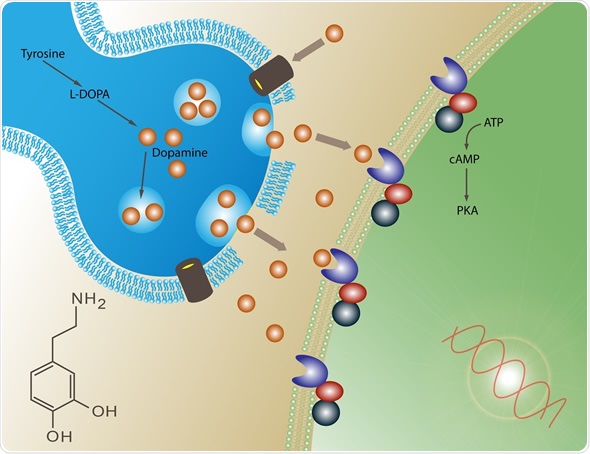
Chronic inflammation removes motivation by reducing dopamine in the brain
Why do we feel listless when we are recovering from an illness? The answer is, apparently, that low-grade chronic inflammation interferes with the dopaminergic signaling system in the brain that motivates us to do things.
Serotonin Transporters Increase When Depression Fades - Neuroscience News
Neuroimaging revealed serotonin transporter levels increased in people who were in recovery from depression following cognitive behavioral therapy.

Brain Cells Decide on Their Own When to Release Pleasure Hormone - Neuroscience News
Dopamine neurons largely rely on their own discharge to determine release rates of the hormone, researchers report.
What stress does to the brain - Neuroscience News
A new study sheds light on how the brain changes as a result of chronic stress. Selective noradrenaline release rewires connectivity patterns between different brain regions. Activity in the amygdala and networks that process sensory stimuli increased.

Psychedelics reopen the social reward learning critical period
Psychedelics are a broad class of drugs defined by their ability to induce an altered state of consciousness1,2. These drugs have been used for millennia in both spiritual and medicinal contexts, and a number of recent clinical successes have spurred a renewed interest in developing psychedelic therapies3–9. Nevertheless, a unifying mechanism that can account for these shared phenomenological and therapeutic properties remains unknown. Here we demonstrate in mice that the ability to reopen the social reward learning critical period is a shared property across psychedelic drugs. Notably, the time course of critical period reopening is proportional to the duration of acute subjective effects reported in humans. Furthermore, the ability to reinstate social reward learning in adulthood is paralleled by metaplastic restoration of oxytocin-mediated long-term depression in the nucleus accumbens. Finally, identification of differentially expressed genes in the ‘open state’ versus the ‘closed state’ provides evidence that reorganization of the extracellular matrix is a common downstream mechanism underlying psychedelic drug-mediated critical period reopening. Together these results have important implications for the implementation of psychedelics in clinical practice, as well as the design of novel compounds for the treatment of neuropsychiatric disease.

How Information is Like Snacks, Money, and Drugs To Your Brain - Slashdot
A new study by researchers at UC Berkeley's Haas School of Business has found that information acts on the brain's dopamine-producing reward system in the same way as money or food. From a report: "To the brain, information is its own reward, above and beyond whether it's useful," says Assoc. Prof. ...

Brain Circuit for Vicarious Fear Reveals How We Feel Others’ Pain - Neuroscience News
Scientists have uncovered a dedicated brain circuit that distinguishes between direct fear and fear learned by observing others—known as vicarious fear.

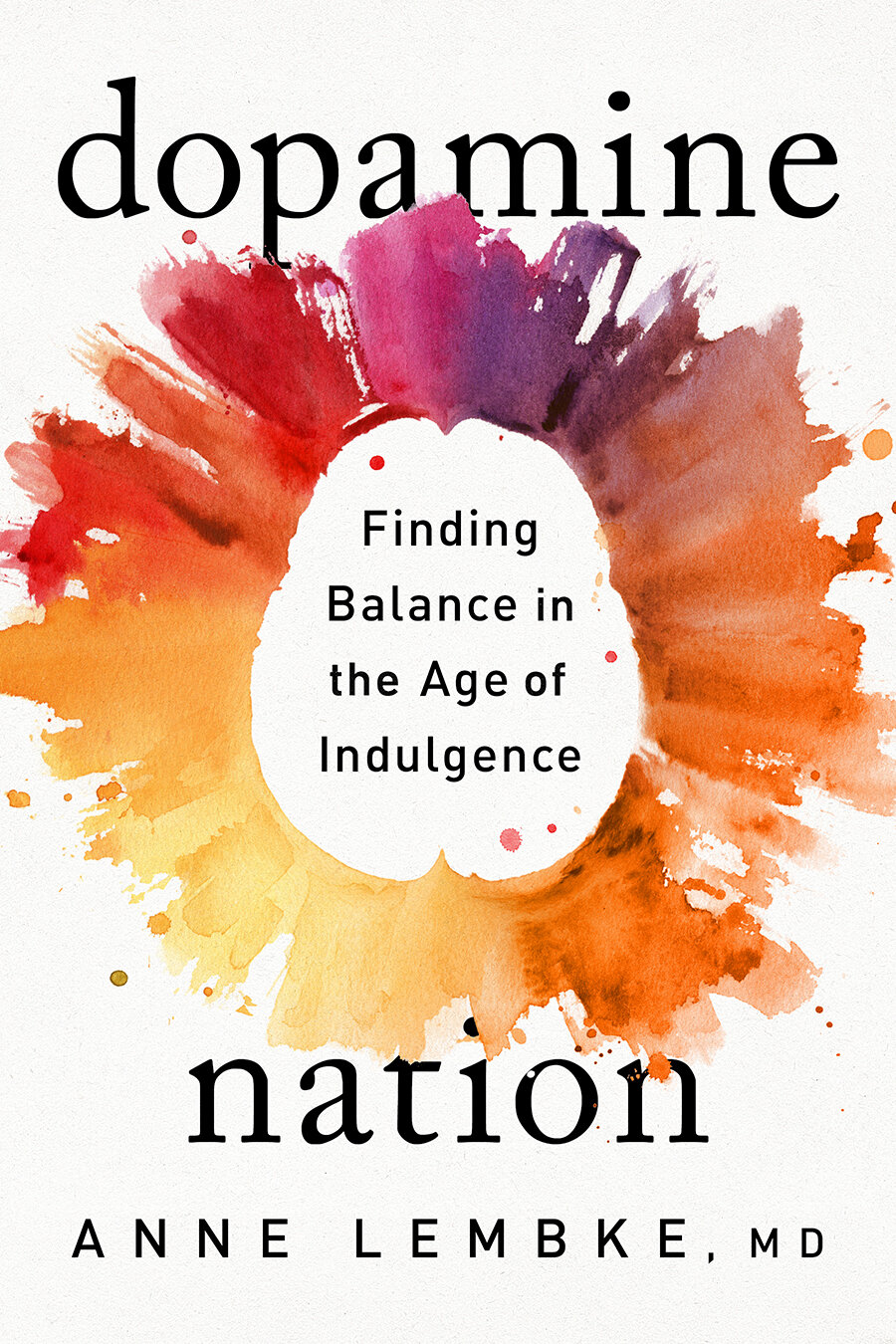
Dopamine Nation — Anna Lembke, MD
In Dopamine Nation, Dr. Anna Lembke, psychiatrist and author, explores the exciting new scientific discoveries that explain why the relentless pursuit of pleasure leads to pain.
Emotional Memory Cells Driving Empathy Discovered - Neuroscience News
Researchers have uncovered a brain mechanism in the prefrontal cortex that determines how animals respond to others’ emotions based on their own past experiences.

To Make Sense of the Present, Brains May Predict the Future | Quanta Magazine
A controversial theory suggests that perception, motor control, memory and other brain functions all depend on comparisons between ongoing actual experiences and the brain’s modeled expectations.

Think Twice: How the Gut's "Second Brain" Influences Mood and Well-Being
The emerging and surprising view of how the enteric nervous system in our bellies goes far beyond just processing the food we eat
Procrastination Is More About Managing Emotions Than Time, Says Study - Slashdot
An anonymous reader quotes a report from the BBC: [A new study] identified two areas of the brain that determine whether we are more likely to get on with a task or continually put it off. Researchers used a survey and scans of 264 people's brains to measure how proactive they were. Experts say the...
Neuralink and the Brain's Magical Future — Wait But Why
I knew the future would be shocking but this is a whole other level.

Us Versus Them: Harming the ‘Outgroup’ Is Linked to Elevated Activity in the Brain’s Reward Circuitry - Neuroscience News
Aggression toward members in an "outgroup" was associated with increased activity in areas of the brain associated with reward. Activity in the ventromedial prefrontal cortex impacted the level of aggression a person demonstrated against an outsider.
