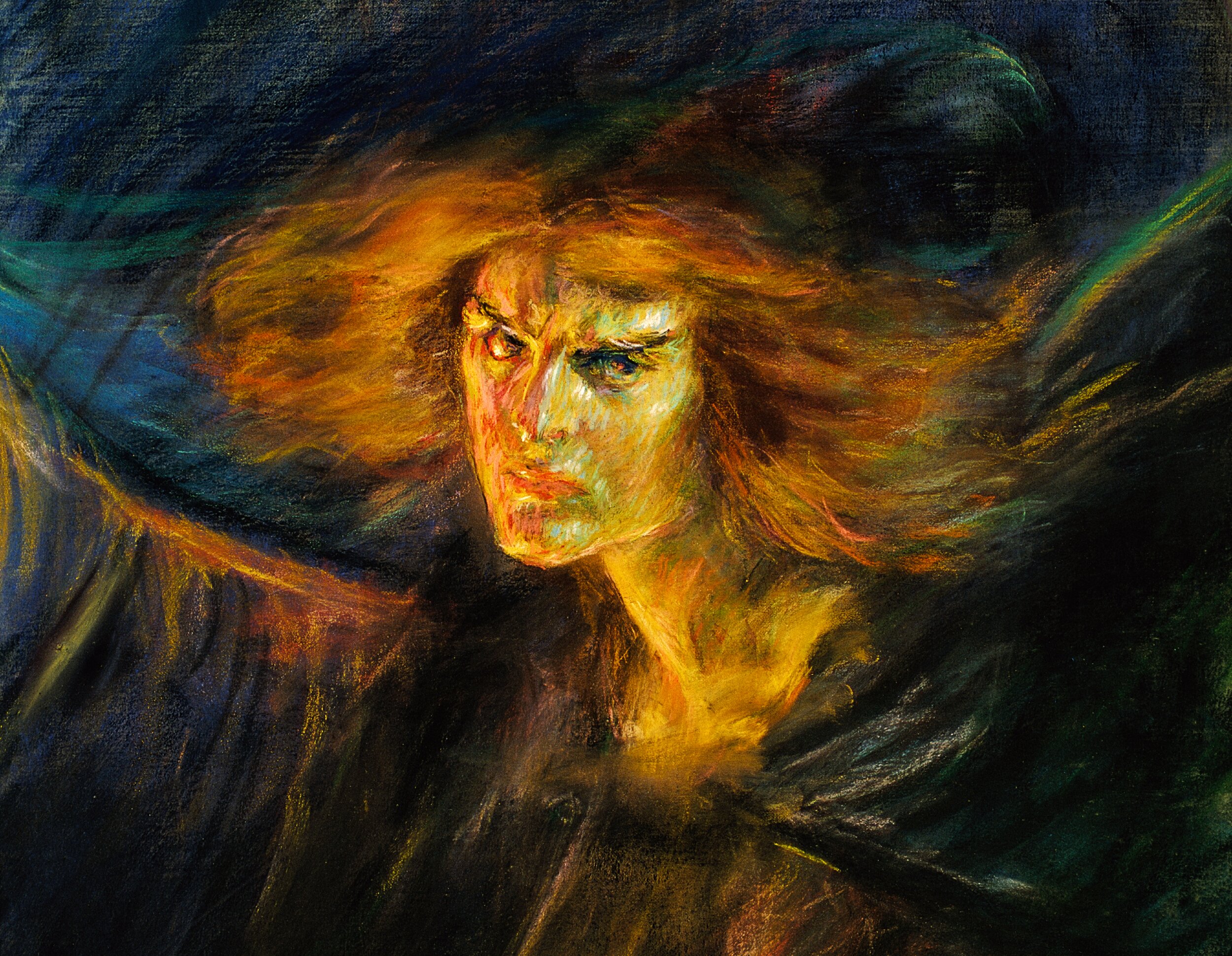


Vitrified thought.
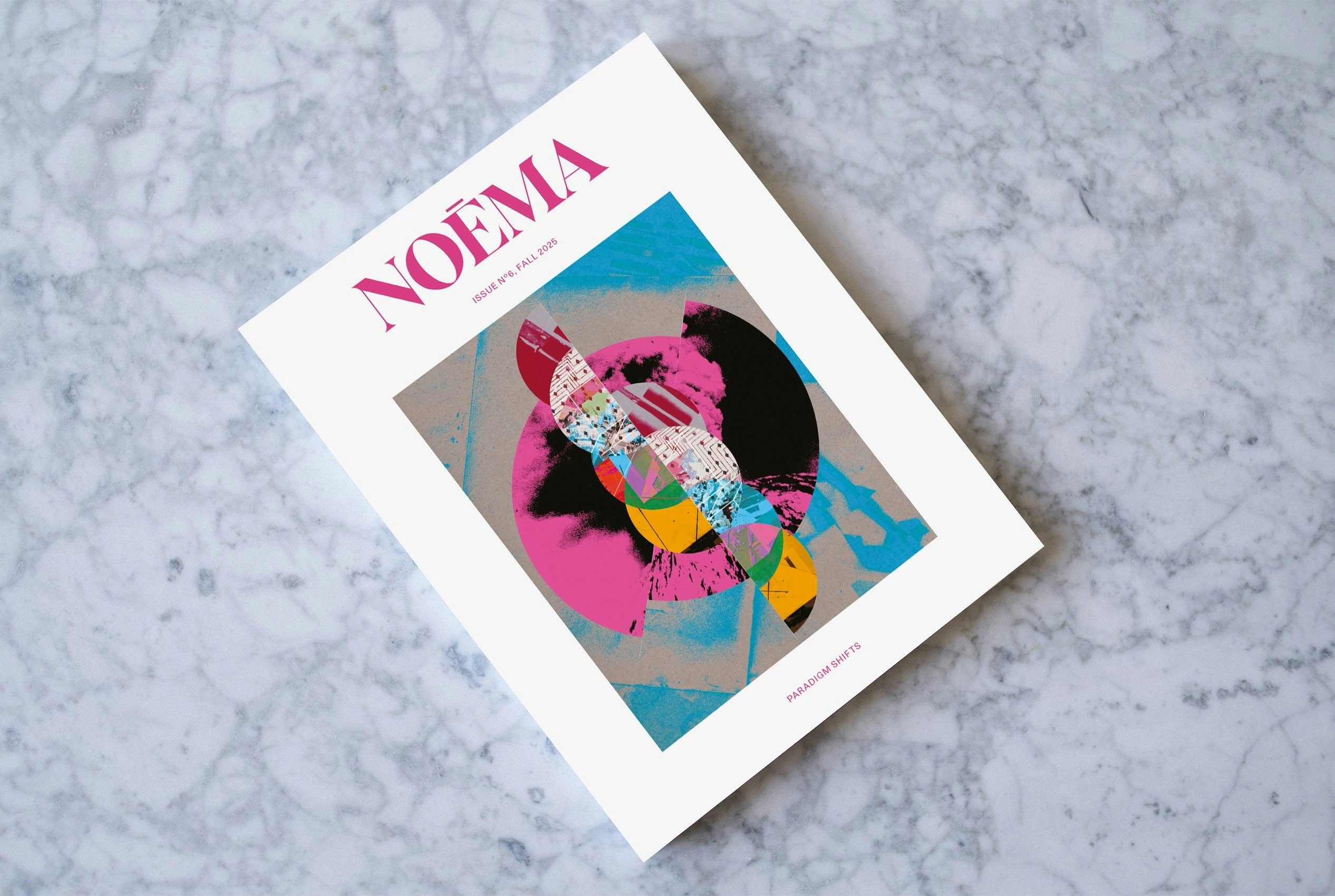
Introducing Noema VI: Paradigm Shifts | NOEMA
Profound transformations occurring simultaneously mark our new Age of Upheaval.
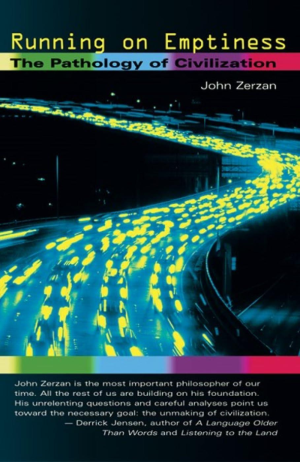
Running On Emptiness
John Zerzan Running On Emptiness The Pathology of Civilization 2002
Dopamine Trap
Dopamine Trap does narrative driven decay. With organic noise, apocalyptic soundscapes, and scathing poetry his productions cast lovecraftian solopsisms on the roof of the skull, dripping with tumors of unresolved inter-generational trauma, resignation and reckless, violent love. He delights in emptiness and the granular implications of percussive silence.
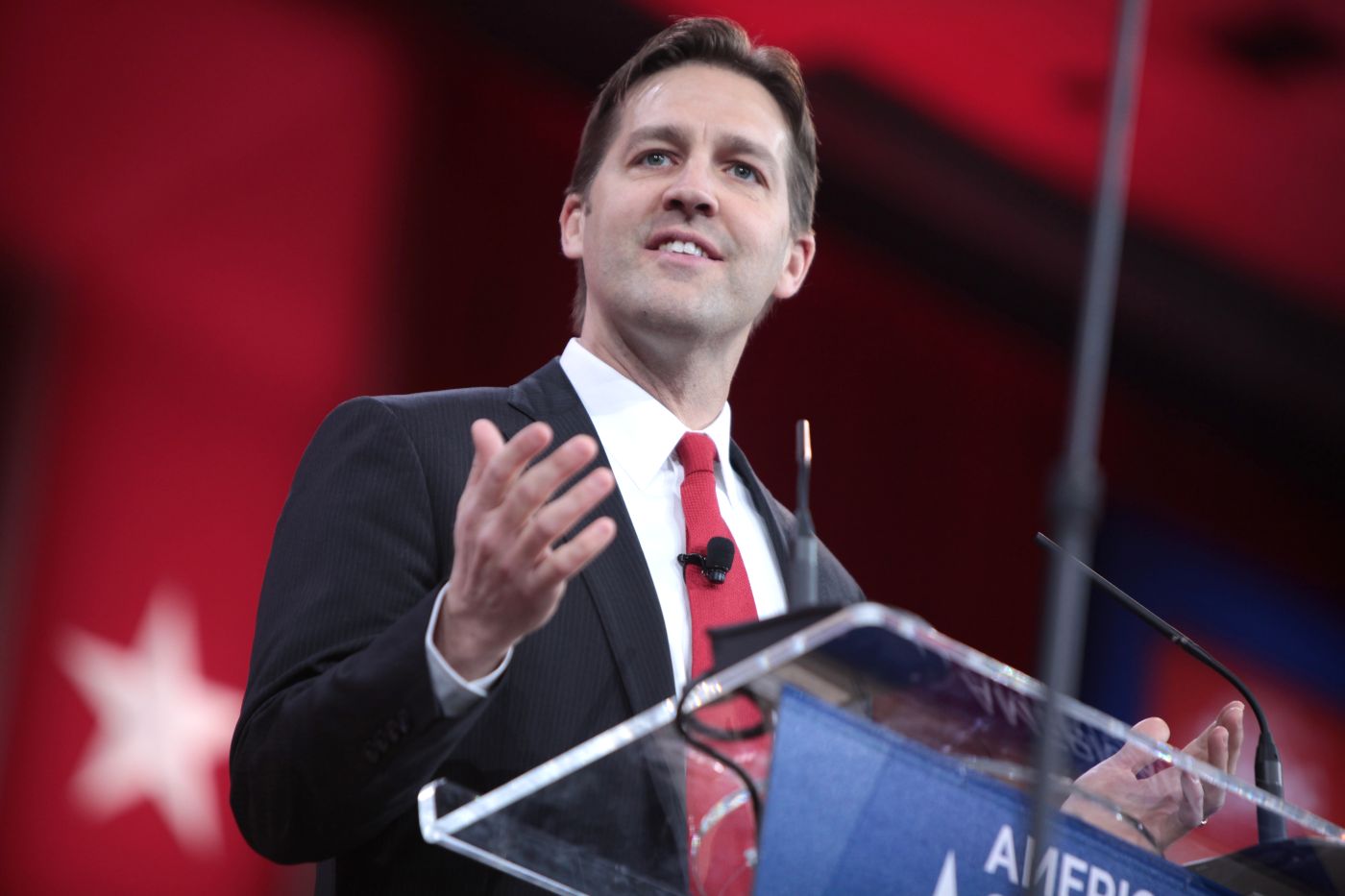
On Dying Well: Ben Sasse and the Vocation of Suffering
Ben Sasse’s recent announcement reveals to us both goods and virtues that show in his dying a glimmer of light, a stirring of hope, and the possibility of spring even in one’s final winter.


When Truth Becomes Hazardous: Navigating Information Through the Metacrisis | Frankly 153
musings of a sad, seraphic slut - heart and soul ♡
a peek inside the heart and brain of soul
James Vincent on Twitter / X
at what point does the concept of a technopriesthood move beyond mere metaphor? i would argue, yes, when we're able to test the relative capacity of different books of the bible to improve virtue-reasoning benchmarks https://t.co/SHqOzhGcnH— James Vincent (@jjvincent) May 7, 2026

The Rime of the Ancient Maintainer
Every culture produces heroes that reflect its deepest anxieties. The Greeks, terrified of both mortality and immortality, gave us Achilles. The Victorians, haunted by social mobility, gave us the self-made industrialist. And Silicon Valley, drunk on exponential curves and both terrified and entranced by endless funding rounds, has given us
1,000 True Fans
This is an edited, updated version of an essay I wrote in 2008 when this now popular idea was embryonic and ragged. I recently rewrote it to convey the core ideas, minus out-of-date details. This revisited essay appears in Tim … Continue reading →

We speak often of AI as if it were a future event. But it is already here in the fabric of our being. What Karl Ove Knausgaard captures with devastating clarity in his recent essay ‘The Reenchanted… | Kenneth Mikkelsen | 19 comments
We speak often of AI as if it were a future event. But it is already here in the fabric of our being. What Karl Ove Knausgaard captures with devastating clarity in his recent essay ‘The Reenchanted World’ is the departure of the real. “We live in a virtual world, as if the world had been lifted out of itself, into the air, like a giant roof suspended above the ground,” he writes. It is an existential condition. Across philosophy, from Heidegger to Baudrillard, from Don DeLillo to Debord, a singular thread weaves: the world, once our shelter from the self, has become self-referential. Where once we encountered beings in our Zuhandensein—ready-to-hand, intimate, meaningful—we now face a procession of Vorhandensein: inert, objectified, mediated. Simulation replaces encounter. Perception is swallowed by spectacle. And the digital era, in Knausgaard’s terms, “distances culture from the body”. “It is not just the body that disappears—it is the awareness that we are dying,” he writes. What we face is not merely technological change, but what I would call existential dissonance: the erosion of resonance between our inner world, our social world, and the material world. It is the tension that arises when the way one lives, acts, and relates is misaligned with one’s deeper sense of meaning, reality, and value. It manifests itself as a disturbance in being — an unease that is not merely emotional, but rooted in a felt gap between one’s existence as it is and as it could or should be. It is the voice of the self calling from within the noise of the world. This is why Knausgaard’s essay matters for anyone working in, with, or around AI. Because the question isn’t: What can these systems do? It is: What do they undo? “We can explain everything. But we understand nothing,” he writes. Manipulated constructions of truth, in such a time, becomes a currency. As shown in recent events—from Francesca Gino’s research fraud at Harvard to Bezos’ all-female crew venture into space, and Trump’s detention camp —truth is no longer that which corresponds with reality, but that which performs and sells. As Baudrillard warned, the simulation no longer hides the real—it becomes it. And yet, something remains. Knausgaard writes not to despair, but to stay. In the body. In death. In silence. In the concrete. If you seek to understand what is happening—not just in AI, but in the very metaphysics of modern life—I suggest we begin not with data, but with dissonance. With the feeling that something vital is slipping from view, and that “being in the world” now requires resistance. “We are surrounded by mystery. And yet we act as if everything were known,” he writes. AI will never understand this. But we must. Knausgaard’s full essay from Harper’s Magazine can be read via link in comments. | 19 comments on LinkedIn