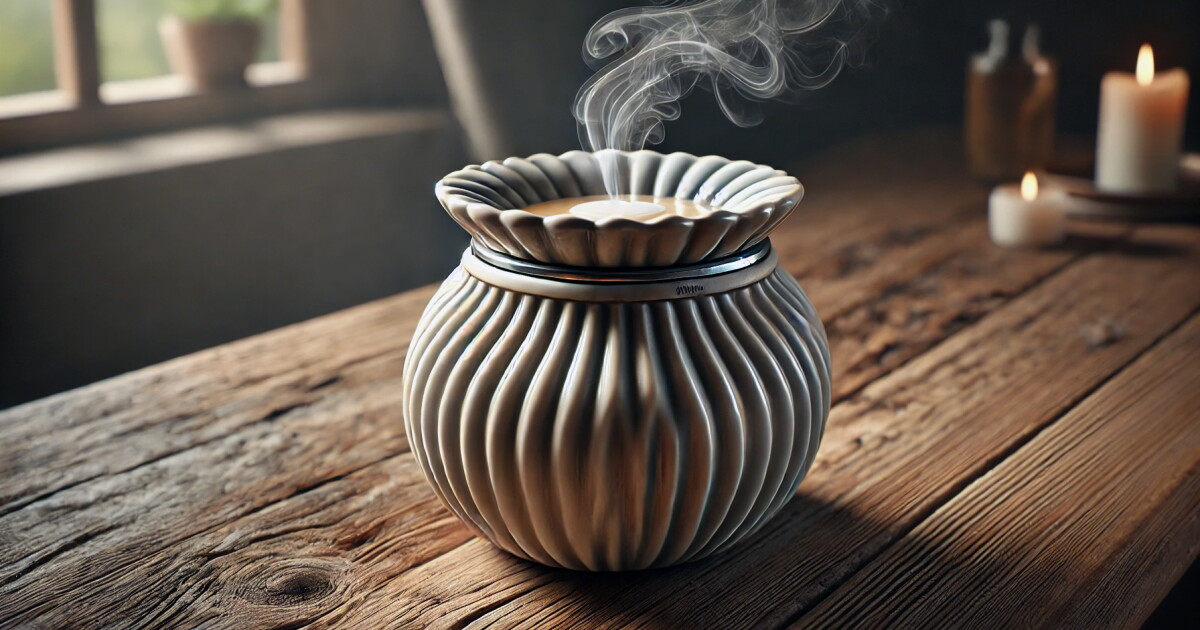
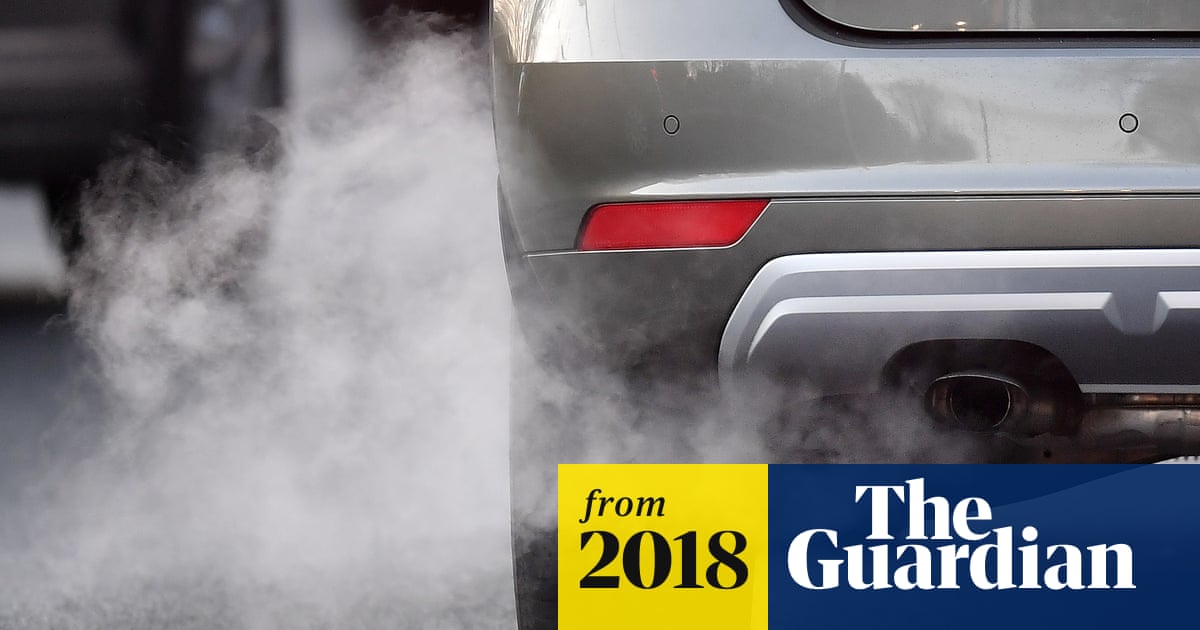
Using scented products indoors changes the chemistry of the air, producing as much air pollution as car exhaust does outside, according to a new study. Researchers say that breathing in these nanosized particles could have serious health implications.
We Need More Research on how CO2 Affects Cognition
A growing body of research indicates there are potentially large health benefits to improving indoor air quality.
The Air That We Breathe: Neutral and Volatile PFAS in Indoor Air
Abstract. Sources of exposure to per- and polyfluorinated alkyl substances (PFAS) include food, water, and, given that humans spend typically 90% of their
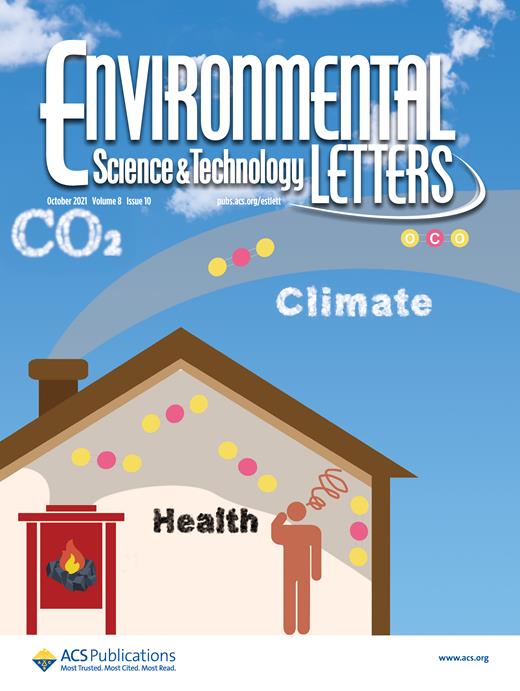
Pollution · Patrick Collison
Air pollution is a very big deal. Its adverse effects on numerous health outcomes and general mortality are widely documented. However, our understanding of its cognitive costs is more recent and those costs are almost certainly still significantly under-emphasized. For example, cognitive effects are not mentioned in most EPA materials.
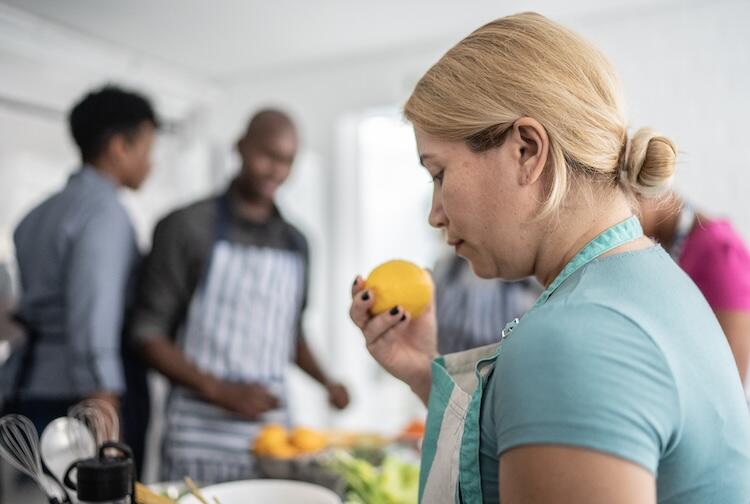
In a nationwide survey on COVID-19 smell loss, over 50% of respondents
The VCU-led study highlights the pervasiveness of COVID-19 smell loss as a chronic condition rather than just a temporary symptom of infection.
Potted plants do not improve indoor air quality: a review and analysis of reported VOC removal efficiencies
Potted plants have demonstrated abilities to remove airborne volatile organic compounds (VOC) in small, sealed chambers over timescales of many hours or days. Claims have subsequently been made suggesting that potted plants may reduce indoor VOC concentrations. These potted plant chamber studies reported outcomes using various metrics, often not directly applicable to contextualizing plants’ impacts on indoor VOC loads. To assess potential impacts, 12 published studies of chamber experiments were reviewed, and 196 experimental results were translated into clean air delivery rates (CADR, m3/h), which is an air cleaner metric that can be normalized by volume to parameterize first-order loss indoors. The distribution of single-plant CADR spanned orders of magnitude, with a median of 0.023 m3/h, necessitating the placement of 10–1000 plants/m2 of a building’s floor space for the combined VOC-removing ability by potted plants to achieve the same removal rate that outdoor-to-indoor air exchange already provides in typical buildings (~1 h−1). Future experiments should shift the focus from potted plants’ (in)abilities to passively clean indoor air, and instead investigate VOC uptake mechanisms, alternative biofiltration technologies, biophilic productivity and well-being benefits, or negative impacts of other plant-sourced emissions, which must be assessed by rigorous field work accounting for important indoor processes.

One Day, a Machine Will Smell Whether You’re Sick (Published 2017)
Researchers are perfecting technology that sniffs out signs of disease in breath, blood and urine.

Odor biomarker for Alzheimer's disease
A new study from the Monell Center, the U.S. Department of Agriculture (USDA), and collaborating institutions reports a uniquely identifiable odor signature from mouse models of Alzheimer's disease. The ...

Cyclists 'exposed to less air pollution than drivers' on busy routes
Study shows people in cars and buses spend longer in toxic air, as do walkers on main roads
When the natural gas industry used the playbook from Big Tobacco
As early as the 1970s, research showed that gas stoves produced indoor air pollution.
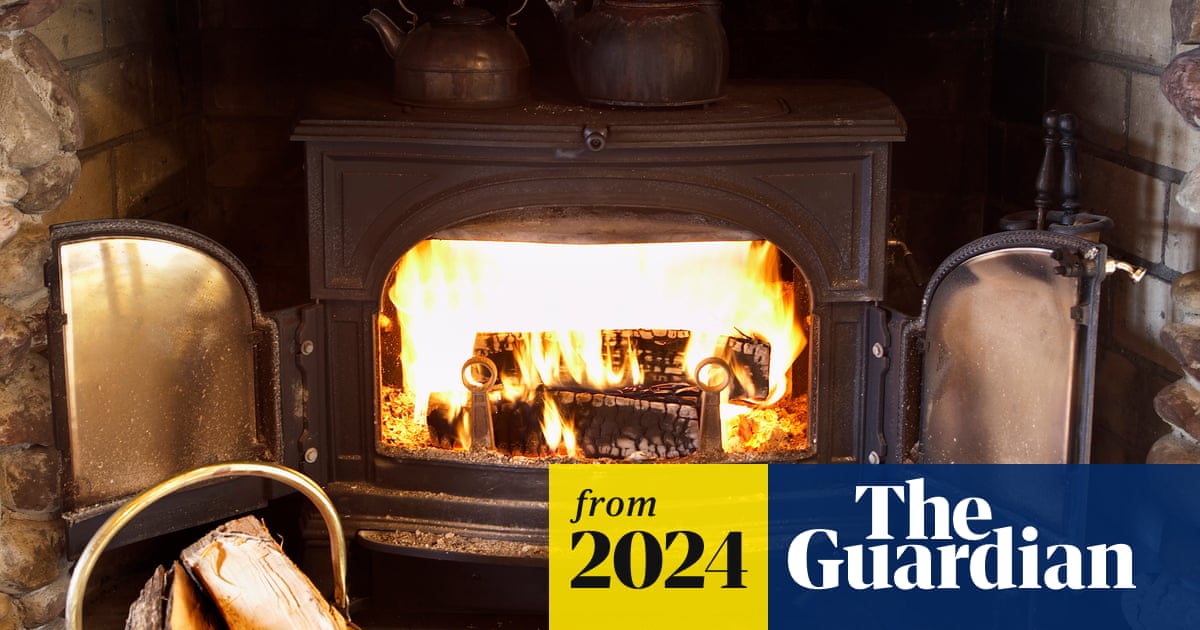
How one German village exemplifies the cancer risk from wood burning
Residential heating with wood or coal can lead to significant air pollution, even in rural communities, researchers say
An Indigenous Malaysian Language Describes Smells As Precisely As English Describes Colors
Researchers had assumed all humans were just bad at describing odors, but it turns out that's a cultural problem, not a biological one.

Do Older People Have a Different Smell? (Published 2019)
Even scientists who study scent are divided.

Per- and polyfluoroalkyl substances (PFAS) and total fluorine in fire station dust
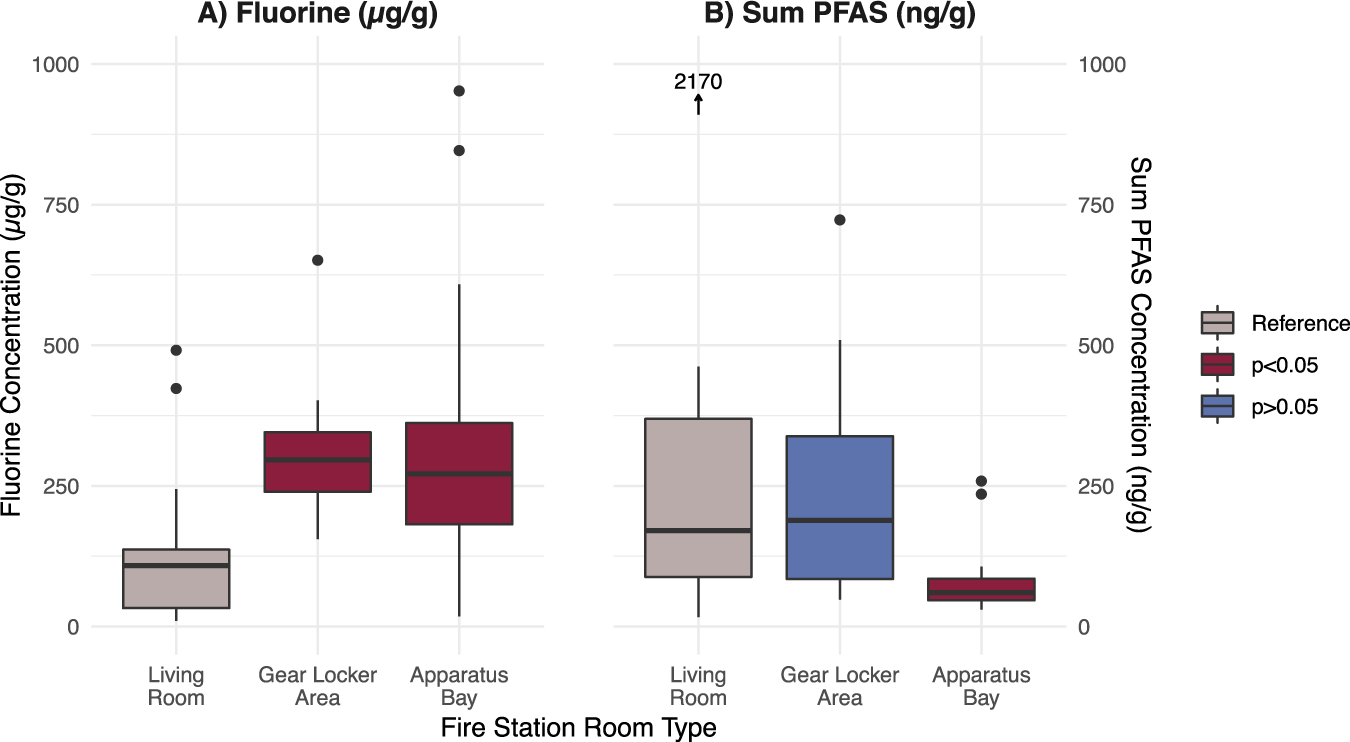
Per- and polyfluoroalkyl substances (PFAS) are a class of over 4700 fluorinated compounds used in industry and consumer products. Studies have highlighted the use of aqueous film-forming foams (AFFFs) as an exposure source for firefighters, but little is known about PFAS occurrence inside fire stations, where firefighters spend most of their shifts. In this study, we aimed to characterize PFAS concentrations and sources inside fire stations. We measured 24 PFAS (using LC–MS/MS) and total fluorine (using particle-induced gamma ray emission) in dust from multiple rooms of 15 Massachusetts stations, many of which (60%) no longer use PFAS-containing AFFF at all and the rest of which only use it very rarely. Compared to station living rooms, turnout gear locker rooms had higher dust levels of total fluorine (p < 0.0001) and three PFAS: perfluorohexanoate (PFHxA), perfluoroheptanoate (PFHpA), and perfluorodecanoate (PFDoDA) (p < 0.05). These PFAS were also found on six wipes of station turnout gear. By contrast, the dominant PFAS in living rooms was N-ethyl perfluorooctane sulfonamidoacetic acid (N-MeFOSAA), a precursor to perfluorooctane sulfonate (PFOS) that still persists despite phase-outs almost two decades ago. The Σ24 PFAS accounted for less than 2% of fluorine in dust (n = 39), suggesting the potential presence of unknown PFAS. Turnout gear may be an important PFAS source in stations due to intentional additives and/or contamination from firefighting activities.
Study Finds Air Pollution Affects Short Term Memory, IQ and Brain Metabolic Ratios - Neuroscience News
According to a new study, children living in cities with significant levels of air pollution face increased risk for short term memory loss, lower IQ and other detrimental neurological problems.

Contribution of Indoor Air and Dust to Children’s Per- and Polyfluoroalkyl Substance Exposure in the Faroe Islands
Abstract. The people of the Faroe Islands are uniquely exposed to per- and polyfluoroalkyl substances (PFASs); despite no local production of these compoun