


Temperatures around the world are on the rise, with 2023 recently confirmed as the hottest since records began. A new study has found that bringing nature into cities could help lower temperatures during heatwaves.
Fact-check: Is air conditioning making cities hotter?
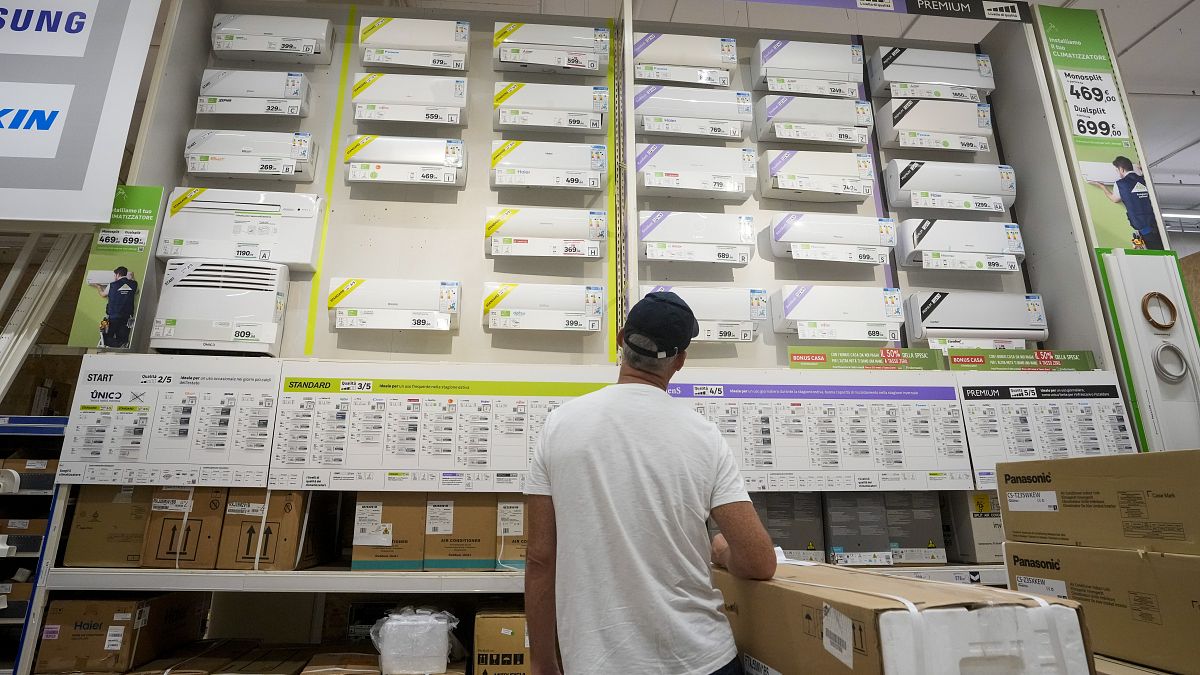
A study found that waste heat generated by a city’s worth of air conditioners during a heatwave can raise the outside temperature by more than 2 degrees Celsius.
Fruit Walls: Before Greenhouses, Walled Gardens Created Urban Micro-Climates - 99% Invisible
Imagine being able to plant things in your garden that would normally never grow in that climate, outdoors and without any electricity. Architects and urban designers often factor thermal mass into their designs, employing materials that absorb heat by day and release it at night to help warm human occupants. And though we rarely see it today,

COVID-19 lockdowns temporarily raised global temperatures, research shows
The lockdowns and reduced societal activity related to the COVID-19 pandemic affected emissions of pollutants in ways that slightly warmed the planet for several months last year, according to new research. The counterintuitive finding highlights the influence of airborne particles, or aerosols, that block incoming sunlight.

As Toronto Temperatures Rise, Inequalities Widen | The Local
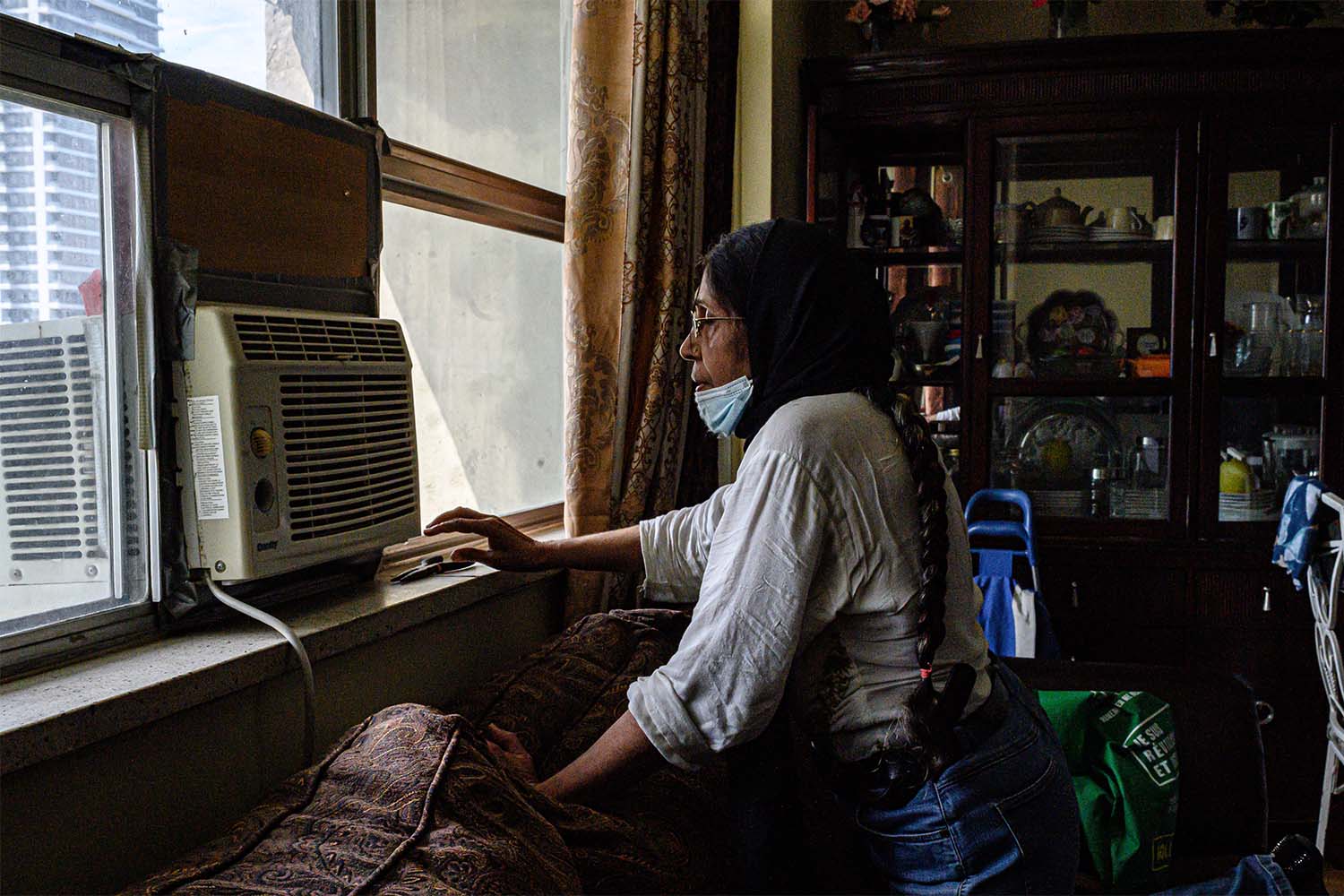
Climate change causes heat waves, but the city’s politics, policies, and design determine who suffers most.
Why you can’t grow cool-climate plants in hot climates | Hacker News
There's a nice article about him, he is a full-time train engineer who drives train shipments all around the west coast and while he was traveling he got curious about all the plants he would see from the train so he started going to the libraries on his breaks from work to learn about plants.
District cooling could be the solution we need to tackle extreme heat | New Scientist
Networks of pipes carrying chilled water have proven to be an efficient way to cool hospitals and universities. Now, they are expanding into cities as heatwaves increase in the US and Europe

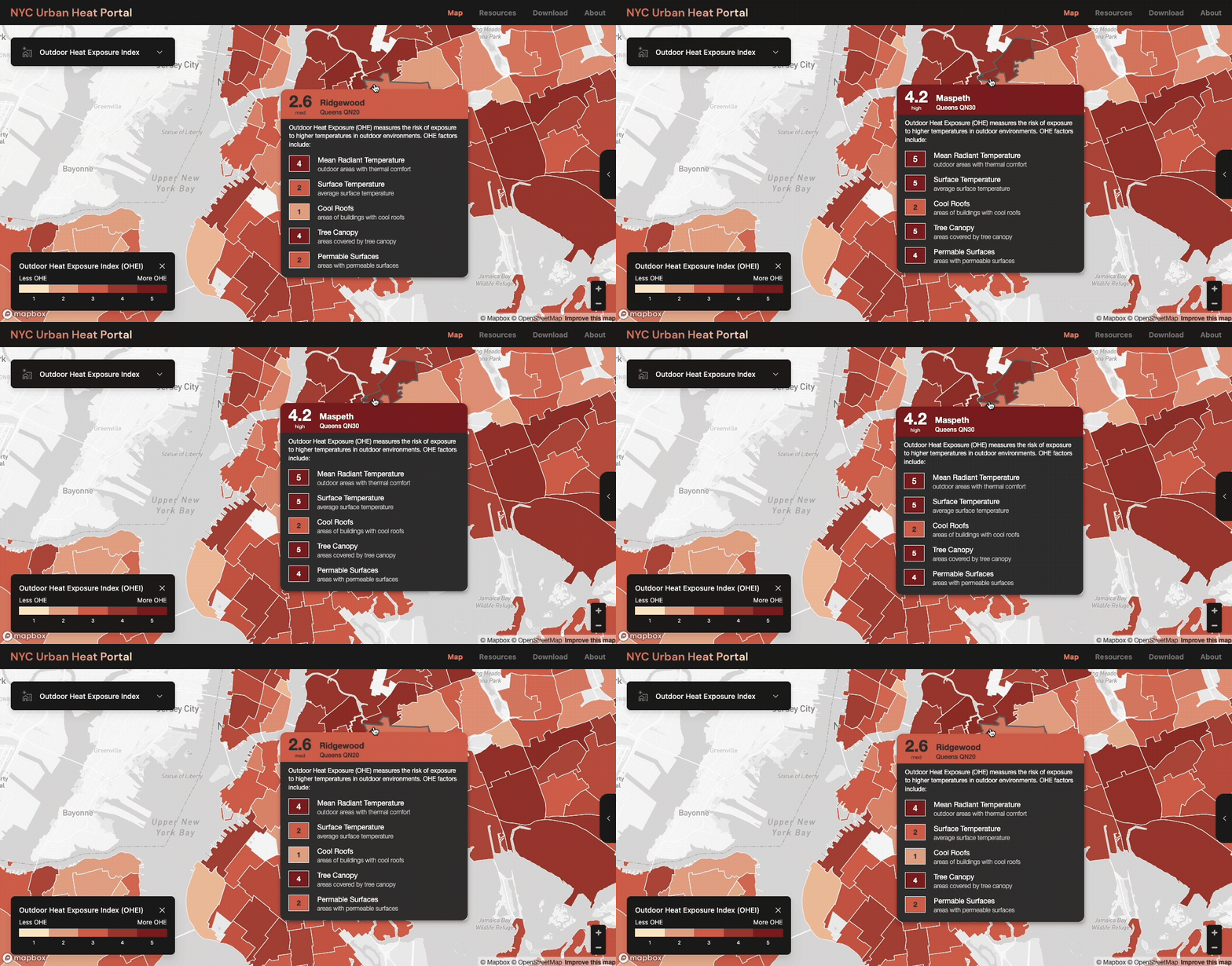
Announcing the NYC Urban Heat Portal: Explore, Understand, and Act on Urban Heat - BetaNYC
BetaNYC is excited to announce the launch of the NYC Urban Heat Portal! Explore it at urbanheat.nyc What is urban heat, and why does it matter? New York City, like many urban areas, faces the Urban Heat Island effect, whereby cityscapes become significantly warmer than surrounding rural areas. The growing challenge of extreme heat is
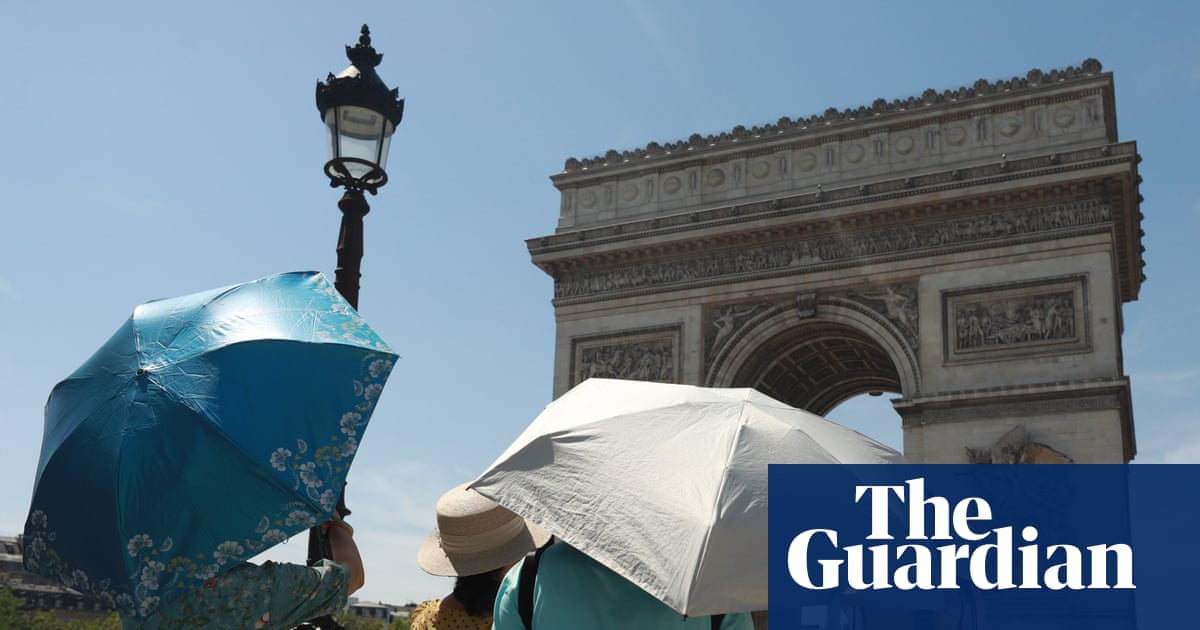
Heat killed ‘staggering’ 50,000 people in Europe’s cities this summer, scientists warn
People succumbed to heat at highest rates in Malta, Italy and Hungary, with health issues, loneliness and poverty exacerbating toll
High heat killed 50,000 Europeans this summer.
Scientists are blaming climate breakdown for that record figure, which is almost double 2025’s, and only covers city areas — meaning the real number of deaths is likely higher. According to this new mortality report, Malta, Italy, and Hungary had the hightest rates of people succumbing to the heat. [Link: Heat killed ‘staggering’ 50,000 people in Europe’s cities this summer, scientists warn | https://www.theguardian.com/environment/2026/oct/23/heat-killed-staggering-50000-people-european-cities-this-summer-experts | The Guardian]

Heat-related urban mortality attributable to human-induced climate change in Europe in summer 2026
The summer of 2026 was characterised by a series of extreme heatwaves across Western Europe, with both monthly and annual temperature records broken repeatedly across many countries from May onwards. Several government agencies took the unprecedented step of issuing near-real-time estimates of the mortality associated with the most intense heat events, reflecting the severity of the threat to public health. In this study we combine probabilistic climate attribution with city- and age-specific temperature–mortality relationships to estimate heat-related mortality in 854 European cities during the summer months (June-August) and compare with counterfactual climate conditions representing a world without human-caused warming. We estimate 50,391 heat-related excess deaths across the 854 cities during the summer, with around two thirds of these attributable to anthropogenic climate change. These results highlight the threat from human-caused warming and the need for rapid emissions reductions alongside preparation and adaptation measures.
We’re the mayors of Paris, Milan and Phoenix. The heat crisis has us all facing the same question | Emmanuel Grégoire, Giuseppe Sala and Kate Gallego
Our three cities are learning from each other about how to protect residents. These climate policies are also public health measures

How the UK's extreme heat is shifting the conversation about air-con
Should we embrace air conditioning despite its costs and consequences?

Gardening in a new era - SPRUCE MAGAZINE
As climate change brings more extreme weather to Vancouver Island’s temperate seasonal cycle, whole-system planning can help gardeners withstand the change.

One billion people will live in insufferable heat within 50 years – study
Human cost of climate crisis will hit harder and sooner than previously believed, research reveals
🌡️🔥Climate change isn't a distant threat—it's a public health crisis now. Our study shows heat-related deaths in many cities could surpass annual COVID-19 deaths in just 5–10 years at 3°C warming. Urgent action is needed! 👉 rdcu.be/d5rnL @natureportfolio.bsky.social #scientificreports

Rapid climate action is needed: comparing heat vs. COVID-19-related mortality
rdcu.be