

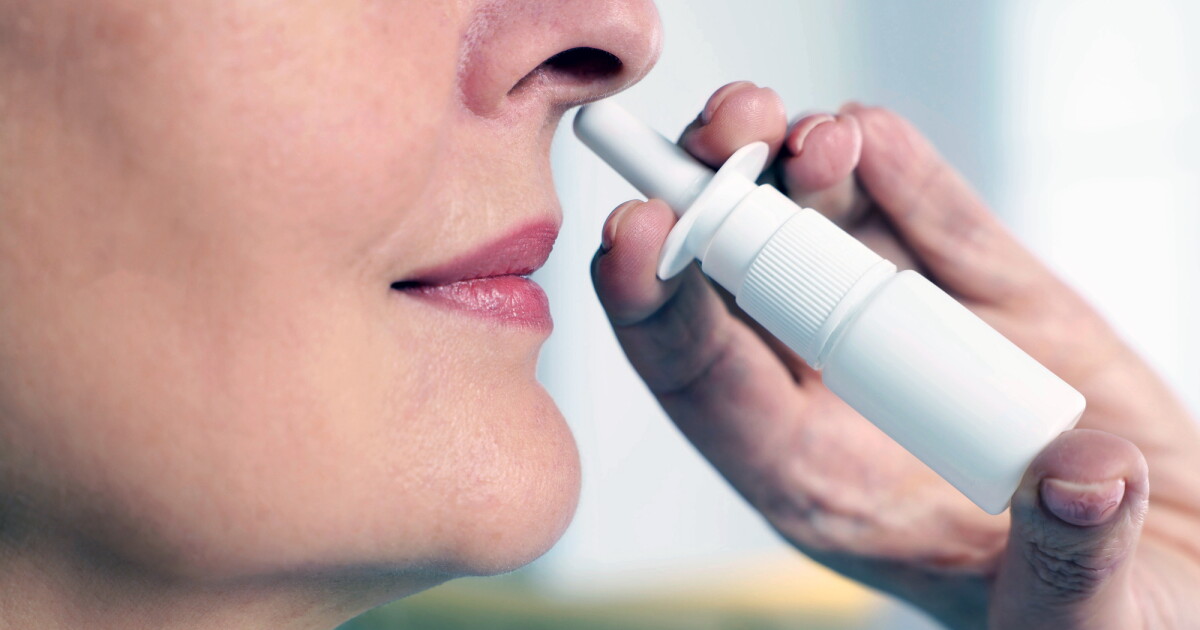
The active ingredient in a common over-the-counter allergy spray may do more than ease hay fever symptoms. A new clinical trial found azelastine cut COVID-19 infections by 70%, hinting at a cheap, accessible way to add protection alongside vaccines.
COVID antihistamine protocol
This current wave of COVID is bad, and I'm seeing a lot of people who were previously NOVID posting photos of their positive tests. I've been trying fairly diligently to get this information out on social media, because I know I follow the literature a lot more closely than a lot of people, so here
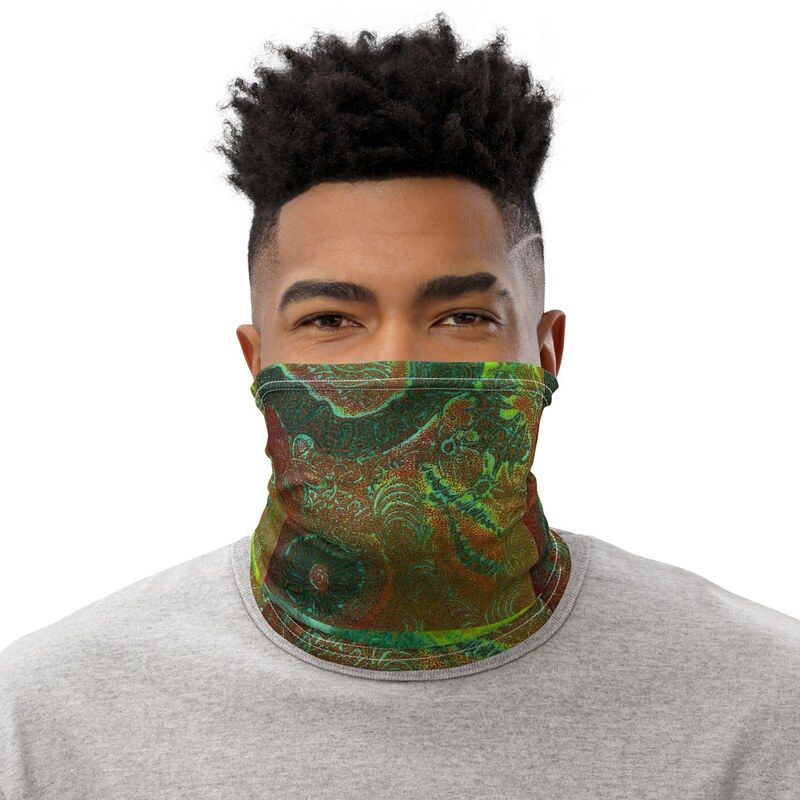
Neck Gaiters for COVID-19 Worse Than No Face Covering At All | Infection Control Today
Neck gaiters weren’t the only face coverings tested: in all 14 were analyzed, from N95s (unsurprisingly judged to be the most effective in containing COVID-19 spread) to bandanas (not much more effective then neck gaiters, according to the study).
Treating Allergic Rhinitis Improves Symptoms of ADHD - ENTtoday
Children with allergic rhinitis and attention-deficit/hyperactivity disorder (ADHD) should initially be treated for their allergic rhinitis and then monitored for improvement in ADHD symptoms

OTC MONOGRAPHS @ FDA | FDA
COVID-19 Vaccine Effectiveness and Safety for the 2026-2027 Respiratory Season
Importance SARS-CoV-2 remains a substantial cause of respiratory illness, morbidity, and mortality. Evidence to date has demonstrated that COVID-19 vaccines reduce the risk of severe disease, including hospitalization and death. Objective This systematic review identifies and summarizes newly published studies reporting on the effectiveness and safety of COVID-19 vaccines and COVID-19 epidemiology in the US. Evidence Review Cochrane Central Register of Controlled Trials, PubMed/MEDLINE, Embase, and Scopus were searched from August 1, 2025, through June 29, 2026. Studies were eligible if they reported on the effectiveness, efficacy, or safety of a US-licensed COVID-19 vaccine or SARS-CoV-2 epidemiology in the US. Findings From 11 829 identified references, 155 publications were eligible (15 randomized clinical trials, 84 observational studies with a comparator group, 38 product safety studies without a comparator group [single group], and 18 descriptive studies of disease burden). Consistent with prior evidence, studies reported that updated COVID-19 vaccines were associated with a reduction in the risk of hospitalization among both older adults (≥65 years; vaccine effectiveness [VE], 53.0%; 95% CI, 37.0%-65.0%; 2025-2026 season) and adults (18-64 years; VE, 54.0%; 95% CI, 1.0%-78.0%; 2024-2025 season). Maternal vaccination was associated with reduced risk of COVID-19–associated emergency department/urgent care encounters among individuals vaccinated (VE, 58.0%; 95% CI, 24.0%-77.0%) and with fewer COVID-19–related hospital contacts in the first 2 months of life among infants born subsequently (VE range, 50.0%-54.0%), regardless of trimester of vaccination. Vaccination was also associated with a significant reduction in COVID-19–related pediatric emergency department visits (9 months to 4 years; VE, 76.0%; 95% CI, 58.0%-87.0%). Vaccination was associated with a reduced risk of critical COVID-19 illness (intensive care unit admission or death) in immunocompromised adults (VE range, 32.0%-53.0%, depending on condition and other factors). Health care personnel who received 3 to 5 vaccine doses were less likely to develop laboratory-confirmed COVID-19 illness (VE, 41.0%; 95% CI, 34.0%-47.0%) and postacute COVID-19 symptoms (VE, 57.0%; 95% CI, 46.0%-66.0%) compared with those who received only 2 doses. Across adverse events of special interest (eg, stroke, thrombosis, myocarditis), safety profiles were consistent with those of previous reviews. No identified studies conducted under the updated guidance on extended dosing intervals for the primary series reported an increased risk of myocarditis or pericarditis. No new safety signals were reported in the recently published studies eligible for this updated review of US-licensed COVID-19 vaccines. Conclusions and Relevance COVID-19 vaccines were consistently associated with a reduction in the risk of hospitalization and other outcomes, including among individuals at high risk of severe COVID-19, such as infants, and those who were pregnant. No new safety concerns were identified.

COVID-19 Vaccine Effectiveness and Safety for the 2026-2027 Respiratory Season
This Special Communication aims to identify and summarize the most recently published evidence evaluating the effectiveness and safety of US-licensed COVID-19 vaccines and report on the epidemiology of SARS-CoV-2 in the US.
Supplements for MCAS and Histamine Intolerance | The EDS Clinic
Managing Mast Cell Activation Syndrome (MCAS) and histamine intolerance involves a combination of medications, lifestyle changes, and dietary supplements. Supplements, in particular, can play a critical role in helping to reduce symptoms by stabilizing mast cells, reducing inflammation, and improving overall health.
14 allergens in cosmetics | Allergy Insight
The experience related in The Sun this week of a nut allergic student suffering a severe reaction after using a Nivea lip balm containing sweet almond oil should serve as a reminder that, if you have food allergies, the ingredients in skincare products should be carefully checked too.

Scientists Like Me Knew There Was Something Amiss With Andrew Huberman’s Wildly Popular Podcast
He recommends supplements. He’s iffy on the flu shot. And more.

COVID-19 Vaccines Aren’t Causing AIDS
The truth behind a new preprint from a team at Yale

RETRACTED BOOK: Advanced Nanovaccines for Cancer Immunotherapy
This book discusses how nanomedicine can be used for better drug delivery, to overcome resistance and to boost anti-cancer immunity.

Vichy Normaderm Daily Deep Cleansing Gel Acne Wash with Salicylic Acid (Various Sizes) | Dermstore
A gentle gel cleanser for oily and acne-skin types formulated with salicylic acid to help purify pores and exfoliate dead skin to improve tone and texture.
Making Vaccine — LessWrong
John made his own COVID-19 vaccine at home using open source instructions. Here's how he did it and why. …

Masks and respirators for prevention of respiratory infections: a state of the science review
SUMMARY This narrative review and meta-analysis summarizes a broad evidence base on the benefits—and also the practicalities, disbenefits, harms and personal, sociocultural and environmental impacts—of masks and masking. Our synthesis of evidence from over 100 published reviews and selected primary studies, including re-analyzing contested meta-analyses of key clinical trials, produced seven key findings. First, there is strong and consistent evidence for airborne transmission of severe acute respiratory syndrome coronavirus 2 (SARS-CoV-2) and other respiratory pathogens. Second, masks are, if correctly and consistently worn, effective in reducing transmission of respiratory diseases and show a dose-response effect. Third, respirators are significantly more effective than medical or cloth masks. Fourth, mask mandates are, overall, effective in reducing community transmission of respiratory pathogens. Fifth, masks are important sociocultural symbols; non-adherence to masking is sometimes linked to political and ideological beliefs and to widely circulated mis- or disinformation. Sixth, while there is much evidence that masks are not generally harmful to the general population, masking may be relatively contraindicated in individuals with certain medical conditions, who may require exemption. Furthermore, certain groups (notably D/deaf people) are disadvantaged when others are masked. Finally, there are risks to the environment from single-use masks and respirators. We propose an agenda for future research, including improved characterization of the situations in which masking should be recommended or mandated; attention to comfort and acceptability; generalized and disability-focused communication support in settings where masks are worn; and development and testing of novel materials and designs for improved filtration, breathability, and environmental impact.

COVID-19 vaccines

Primarily information in the US and Japan
COVID-19 Vaccine Effectiveness and Safety for the 2026-2027 Respiratory Season
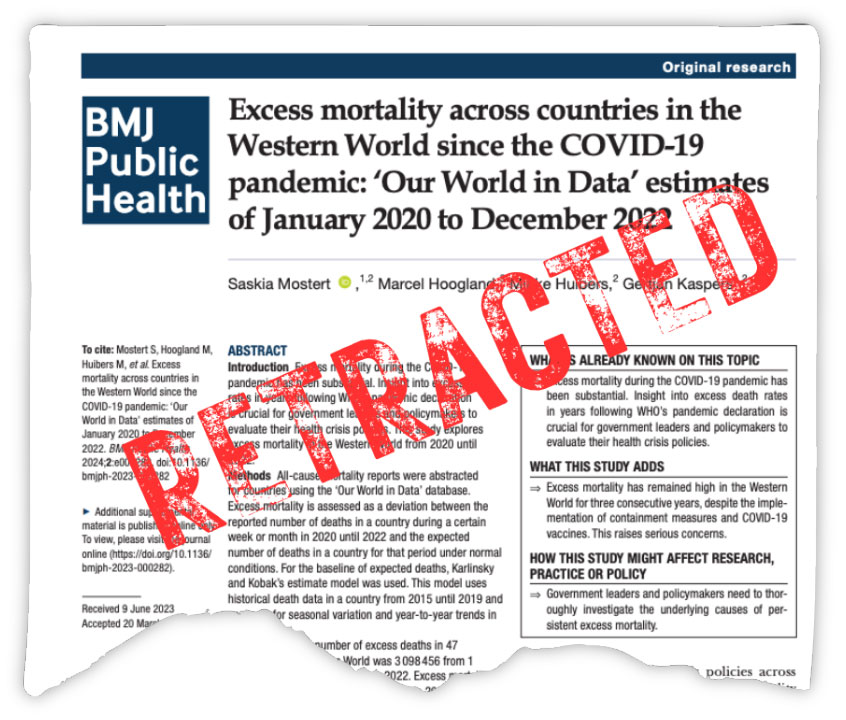
BMJ Group retracts paper on COVID-19 vaccines and mortality featured in Senate hearing

What to Know About New Covid Vaccines for Fall 2026
Underlying Conditions and the Higher Risk for Severe COVID-19
