The American Gut Project – a global, crowdsourced citizen science effort – has published the first results from one of the biggest gut microbiome studies performed to date. The study is only observational, fueled by self-reports from participants, but it offers a compelling snapshot into the complex relationship between gut bacteria and human health.
Diet plan tailored to your gut microbiome could lower disease risk
An international team of researchers led from London analysed the diet, health and gut microbiomes of more than 1,100 participants from the UK and the US.

Study Finds Probiotics 'Not As Beneficial For Gut Health As Previously Thought' - Slashdot
An anonymous reader quotes a report from The Guardian: The gut microbiome is the sum total of all the micro-organisms living in a person's gut, and has been shown to play a huge role in human health. New research has found probiotics -- usually taken as supplements or in foods such as yoghurt, kimch...

The Invisible Organ Shaping Our Lives: Milestones in Human Microbiota Research - The MIT Press Reader
A survey of over 300 years of microbiome research.
Persistence pays off in the human gut microbiome
The human gut microbiome is a complex community of trillions of microbes that are constantly interacting with each other and our bodies. It supports our wellbeing, immune system and mental health—but ...

Blood type co-determines composition of the gut microbiome
For several years, scientists worldwide have been investigating the extent to which microorganisms living in and on the human body influence central life processes and thus health and disease. Today they ...

Scientists Have Made a Human Microbiome From Scratch - Slashdot
To better understand how microbes affect our health, researchers combined 119 species of bacteria naturally found in the human body. From a report: Our bodies are home to hundreds or thousands of species of microbes -- nobody is sure quite how many. That's just one of many mysteries about the so-cal...

Human microbiome myths and misconceptions
Over the past two decades, interest in human microbiome research has increased exponentially. Regrettably, this increased activity has brought with it a degree of hype and misinformation, which can undermine progress and public confidence in the research. Here we highlight selected human microbiome myths and misconceptions that lack a solid evidence base. By presenting these examples, we hope to draw increased attention to the implications of inaccurate dogma becoming embedded in the literature, and the importance of acknowledging nuance when describing the complex human microbiome.
This Is The Absolute Easiest Way To Take Your Gut Health From Subpar To Thriving
It's time to make your microbiome a priority.

Gut microbiome atlas maps how bacteria establish themselves and shift in inflammatory bowel disease
Researchers created a microbiome-wide atlas mapping more than seven million colonization factor genes across 4,716 human gut microbial species, revealing three putative strategies linked to metabolism, stress resistance, and microbial communication. Applying the framework to inflammatory bowel disease showed that colonization-factor profiles can provide a compact, biologically interpretable view of disease-associated microbiome changes.
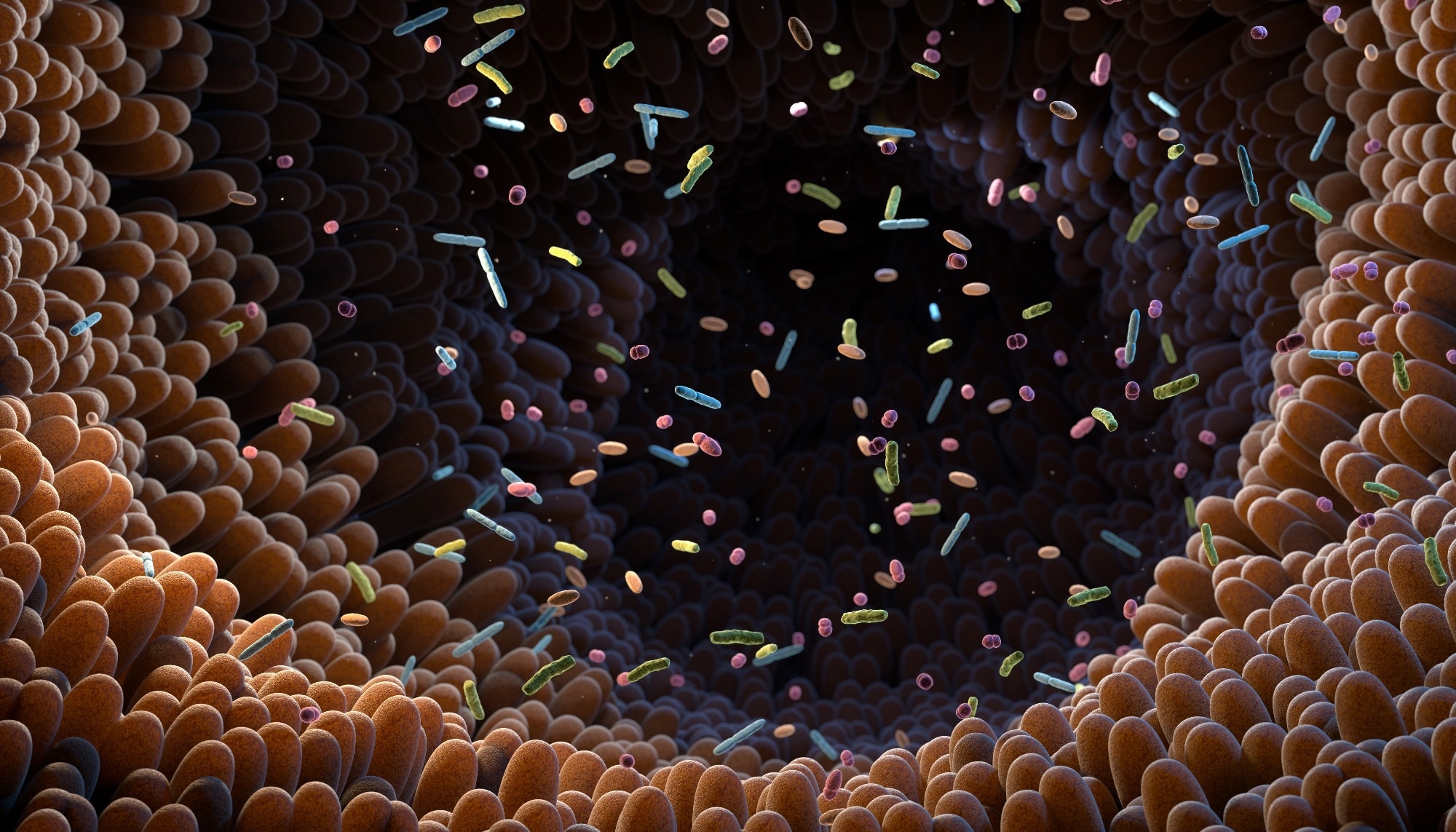
A contributory citizen science project reveals the impact of dietary keys to microbiome health in Spain
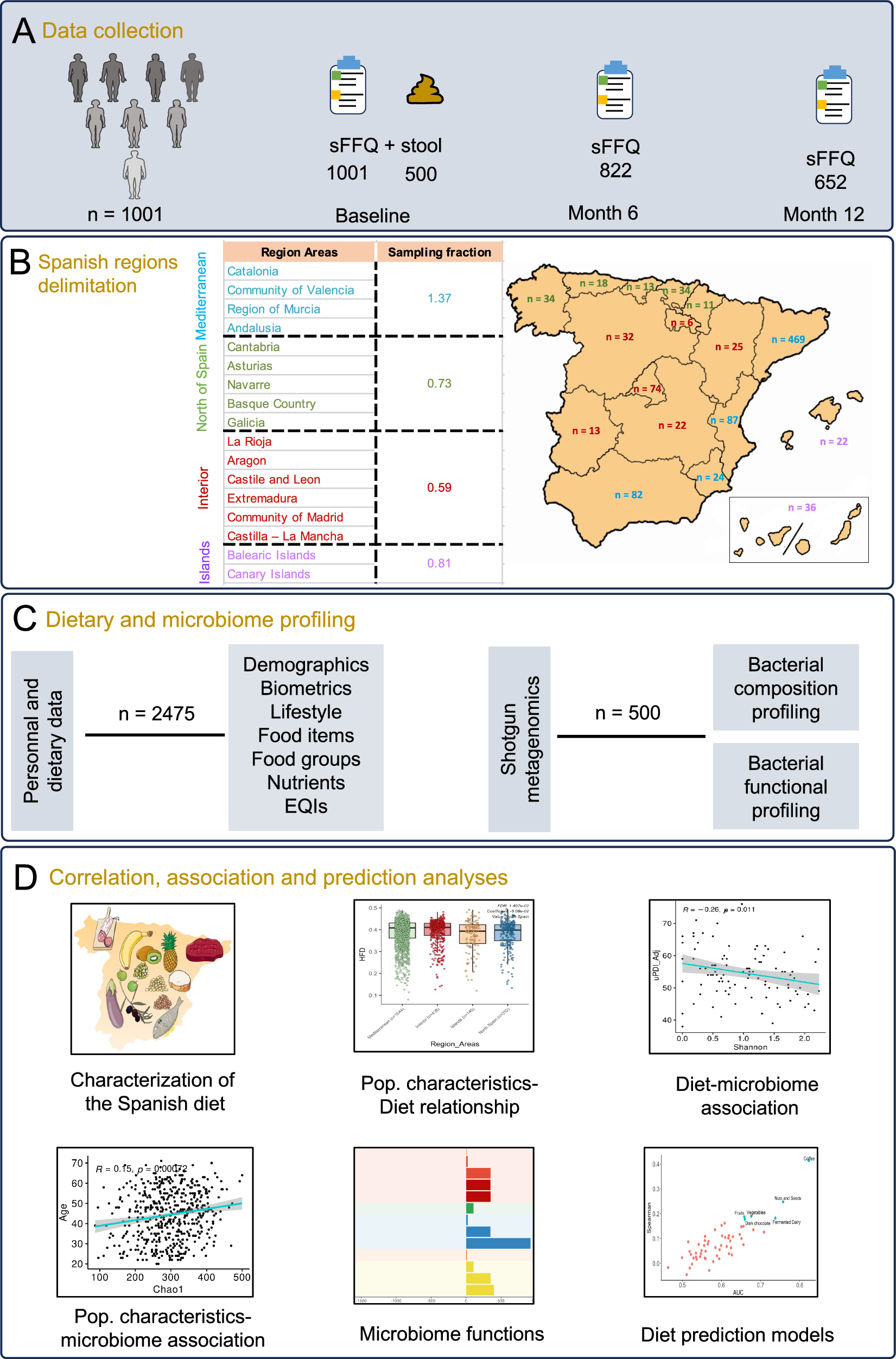
Low consumption of whole grains, fruits, and vegetables has been identified as dietary risks for non-communicable diseases such as inflammatory bowel diseases (IBDs). We explore how individual and lifestyle factors influence these risks by shaping gut microbiome composition. 1001 healthy participants from all Spanish regions provided personal and dietary data at baseline, six, and twelve months, yielding 2475 responses. Gut microbiome data were analyzed for 500 healthy participants and 321 IBD patients. Our findings reveal that adherence to national dietary guidelines—characterized by diets rich in nuts, seeds, fruits, and vegetables—was associated with greater microbial diversity and reduced IBD-related dysbiosis. Finally, we observed variations in dietary patterns and microbiome diversity and composition across age groups, genders, regions, seasons, and transit time. This study is among the first to uncover dietary intake associated with IBD-related dysbiosis and to propose an interactive website for participants (https://manichanh.vhir.org/POP/en).
How the microbiome will lead a revolution in the consumerization of personalized medicine and diet | TechCrunch
The human microbiome -- meaning all of our microbes’ genes -- will reshape the consumerization of personalized medicine and diet. Following the human genome project, technological advancements have brought us much closer to acute precision in disease diagnosis and treatment. The microbiome has the potential to change the way we diagnose and treat the most critical diseases of our time.

Scientists bust myth that our bodies have more bacteria than human cells
Decades-old assumption about microbiota revisited.

Gut Microbiome Health Linked to Social Circles
A new study of lemurs has determined social circles to be the most influential determinant of gut microbiome. What does this mean for humans?

Microbiologist tries at-home test kits to see what they reveal about microbiome
You and the trillions of microbes in your gut can live in harmony.
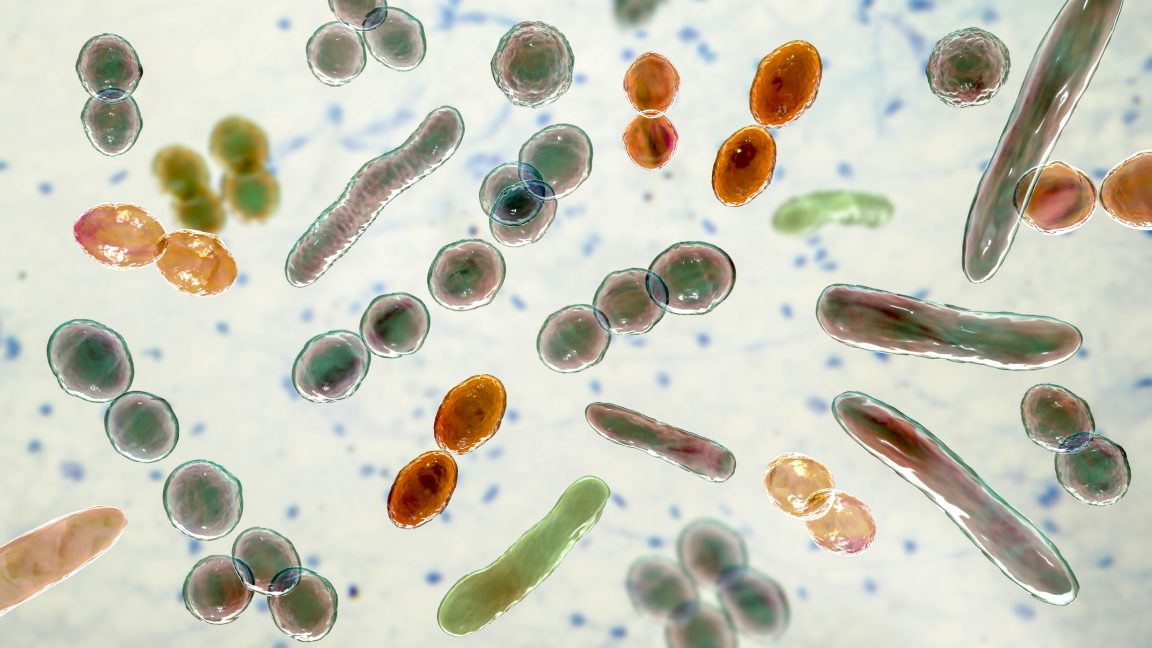
Researchers find connection between household chemicals and gut microbiome
A team of researchers for the first time has found a correlation between the levels of bacteria and fungi in the gastrointestinal tract of children and the amount of common chemicals found in their home ...

New study advances understanding of prebiotics in nutrition and gut health
A groundbreaking study led by David Berry and Alessandra Riva from the Centre for Microbiology and Environmental Systems Science (CeMESS) at the University of Vienna has significantly advanced our understanding of prebiotics in nutrition and gut health.