

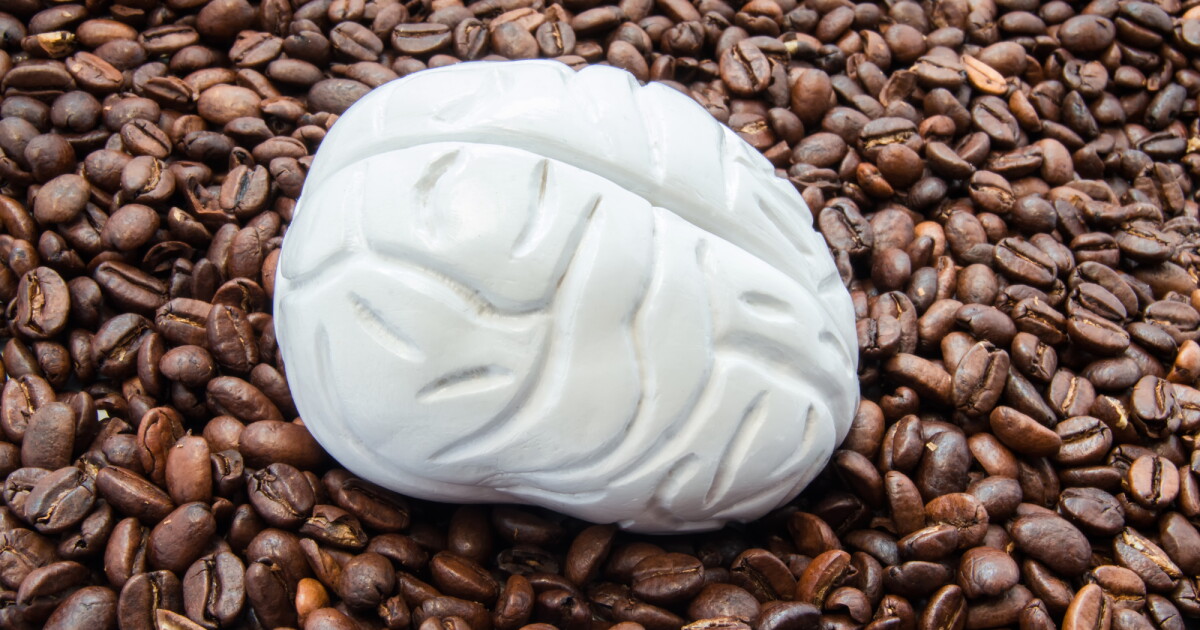
A novel placebo-controlled study has found daily caffeine consumption can significantly reduce the volume of gray matter in the human brain. These findings do not immediately suggest caffeine negatively impacts the brain but instead points to how the drug may induce a temporary neural plasticity that researchers think warrants further investigation.
How Caffeine Can Cramp Creativity
Caffeine prevents our focus from becoming too diffuse; it instead hones our attention in a hyper-vigilant fashion.

10 Science-Backed Ways to Keep Your Brain Healthy
Boost brainpower and prevent cognitive decline.

Any amount of alcohol consumption harmful to the brain, finds study
UK study of 25,000 people finds even moderate drinking is linked to lower grey matter density

Caffeine could limit damage of chronic stress
A cup of joe wards off depression following chronic stress.

What happens when you spend a year using science to improve your brain
How plastic is the brain?

Enhancing Human Cognition with Cocoa Flavonoids
Enhancing cognitive abilities has become a fascinating scientific challenge, recently driven by the interest in preventing age-related cognitive decline and sustaining normal cognitive performance in response to cognitively demanding environments. In recent years cocoa and cocoa-derived products, as a rich source of flavonoids, mainly the flavanols sub-class, have been clearly shown to exert cardiovascular benefits. More recently, neuromodulation and neuroprotective actions have been also suggested. Here, we discuss human studies specifically aimed at investigating the effects of acute and chronic administration of cocoa flavanols on different cognitive domains, such as executive functions, attention and memory. Through a variety of direct and indirect biological actions, in part still speculative, cocoa and cocoa-derived food have been suggested to possess the potential to counteract cognitive decline and sustain cognitive abilities, particularly among patients at risk. Although still at a preliminary stage, research investigating the relations between cocoa and cognition shows dose-dependent improvements in general cognition, attention, processing speed and working memory. Moreover, cocoa flavanols administration could also enhance normal cognitive functioning and exert a protective role on cognitive performance and cardiovascular function specifically impaired by sleep loss, in healthy subjects. Together, these findings converge at pointing to cocoa as a new interesting nutraceutical tool to protect human cognition and counteract different types of cognitive decline, thus encouraging further investigations. Future research should include complex experimental designs combining neuroimaging techniques with physiological and behavioral measures to better elucidate cocoa neuromodulatory properties and directly compare immediate versus long-lasting cognitive effects.


New Drug Reverses Neural and Cognitive Effects of a Concussion - Slashdot
An anonymous reader quotes a report from SciTechDaily: ISRIB, a tiny molecule identified by the University of California, San Francisco (UCSF) researchers can repair the neural and cognitive effects of concussion in mice weeks after the damage, according to a new study. ISRIB blocks the integrated s...

Enhancement of nootropic effect of duloxetine and bupropion by caffeine in mice
Objective: The existing evidence suggests an association between depression and memory impairment. The objective of present study was to assess the effect of low dose caffeine with duloxetine and bupropion on memory. Materials and Methods: Mice were divided randomly into seven groups. Intra-peritoneal treatment of normal saline (10 ml/kg), caffeine (10 mg/kg), duloxetine (10 mg/kg), bupropion alone (10 mg/kg), caffeine + duloxetine (5 mg/kg, each), caffeine + bupropion (5 mg/kg, each), and bupropion + duloxetine (5 mg/kg, each) were given to groups I-VII, respectively. Elevated plus maze was used to evaluate transfer latency (TL) and Morris water maze was used to estimate the time spent in target quadrant. Results: Caffeine with duloxetine treated group was better than other combination treated groups in terms of a significant decrease in TL and increase in the time spent in target quadrant recorded. Conclusion: Combining lower dose of caffeine with duloxetine may enhance cognitive benefits than respective monotherapies.

Psychedelic Brew Ayahuasca's Profound Impact Revealed In Brain Scans - Slashdot
An anonymous reader quotes a report from The Guardian: The brew is so potent that practitioners report not only powerful hallucinations, but near-death experiences, contact with higher-dimensional beings, and life-transforming voyages through alternative realities. Often before throwing up, or havin...
Your Diet Can Make You Depressed. It Can Also Help.
What you eat changes how you feel. These foods are the best for your brain

Psilocybin induces rapid and persistent growth of neural connections in the brain's frontal cortex, study finds
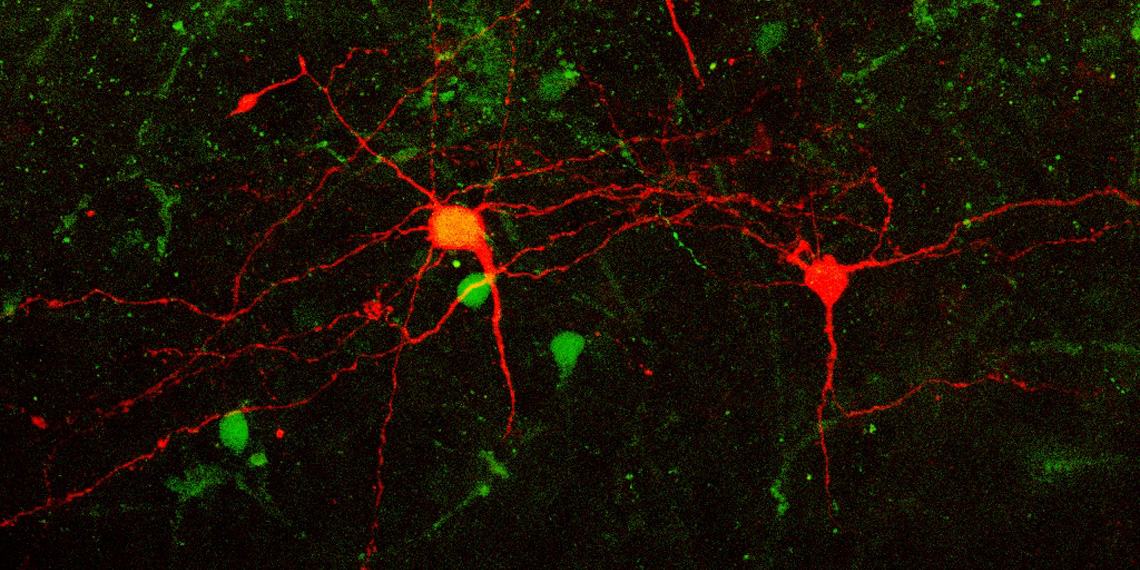
Yale scientists have found that a single dose of psilocybin given to mice induces a rapid and long-lasting increase in connections between pyramidal
Sugar 'has similar effect on brain as cocaine'
Withdrawal from chronic sugar consumption would be similar to going 'cold turkey' from drugs, say Australian scientists
Dopamine detox: It will change your life
If you can’t read even for 5 minutes or study and think you have a distraction this post for you.
What stress does to the brain - Neuroscience News
A new study sheds light on how the brain changes as a result of chronic stress. Selective noradrenaline release rewires connectivity patterns between different brain regions. Activity in the amygdala and networks that process sensory stimuli increased.

How the Brain Uses Glucose to Fuel Self-Control
The brain requires tons of energy—and new experiments show how low glucose levels and self-control issues are connected.
