

The resilience of centralised networks remains significantly underestimated by p2p challengers. Decentralised movements are dangerously unprepared for a crisis-fuelled future that has very suddenly arrived at their door.
Introducing PeerSky | P2P Labs
After 3.5 years, #PeerSky v1.0.0 is finally here 🎉 Create information. Share it directly with peers. Access it anywhere. Even when the internet goes down. All power corrupts. Power should be distributed. PeerSky is more than a browser; it's a new foundation for the web. That's how we save the internet and build better societies, one peer at a time. Try it out! 👉 https://lnkd.in/d7qp_93B

Start your own Internet Resiliency Club – Bow Shock Systems Consulting
Thanks to war, geopolitics, and climate change, Europe will have more frequent and more severe internet disruptions in the very near future. Governments and businesses need to prepare for catastrophic loss of communications. Unfortunately, the necessary changes are risky and expensive, which means they won’t do it until a crisis is already here. However, small groups of volunteers with a little bit of time and money can provide crucial initial leadership to bootstrap recovery.
Decentralization enables permissionless innovation
I’ve just started reading Inventing the Internet by Janet Abbate. The opening chapters are great, narrating Paul Baran’s efforts at RAND to design a nationwide communication network. Baran had one design goal for this network—survivability. Specifically, survivability in the face of nuclear catastrophe.

Peersky (@peersky@mastodon.social)
Attached: 1 video After 3.5 years, #PeerSky v1.0.0 is finally here 🎉 Create information. Share it directly with peers. Access it anywhere. Even when the internet goes down. All power corrupts. Power should be distributed. PeerSky is more than a browser; it's a new foundation for the web. That's how we save the internet and build better societies, one peer at a time. Try it out! 👉 https://peersky.p2plabs.xyz/

(PDF) The EigenTrust Algorithm for Reputation Management in P2P Networks
PDF | Peer-to-peer file-sharing networks are currently receiving much attention as a means of sharing and distributing information. However, as recent... | Find, read and cite all the research you need on ResearchGate

Freedom of movement in digital Europe
Leaving a platform should not mean losing your network. Builders' joint position paper on opening the social internet up to competition. Read it and sign on.
Freedom of movement in digital Europe
Leaving a platform should not mean losing your network. Builders' joint position paper on opening the social internet up to competition. Read it and sign on.
The Three Protocols That Could Bring Down The Internet (And Life as We Know It): DNS, PKI and BGP
With the recent shutdown of Heathrow for a day, many people are talking about resilience in our critical national infrastructure, and one…

(PDF) HonestPeer: An Enhanced EigenTrust Algorithm for Reputation Management in P2P Systems
PDF | The visible success of the Peer to Peer (P2P) paradigm is associated with many challenges in finding trustworthy peers as reliable communication... | Find, read and cite all the research you need on ResearchGate

The Deceptive Complexity of P2P Connections and the Solution We Found
Discover how ARK Builders navigated a maze of p2p network technologies, comparing WebRTC, libp2p, and Iroh to find the perfect fit.

Nature's many attempts to evolve a Nostr
P2P and federated protocols converge toward becoming Nostr, but with extra steps
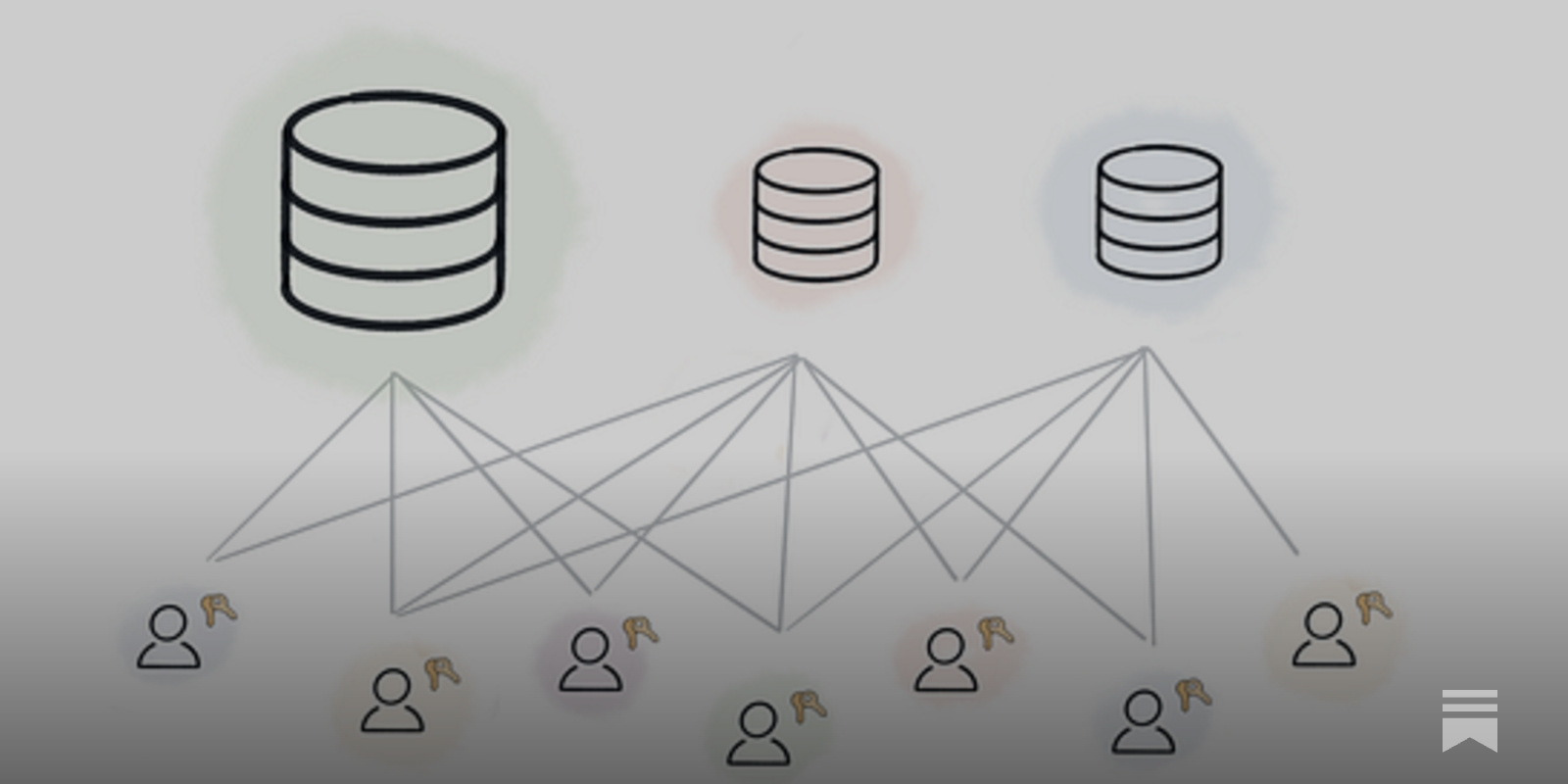
Decentralized Technology in Practice: An analysis of socio-technical resilience in IPFS
The “Interplanetary File System” (IPFS) refers to a peer-to-peer content addressing protocol that is designed to be “upgradeable, resilient, and more open”. [1]

We need network societies, not network states — The Collective Intelligence Project
Balaji Srinivasan's The Network State posits a choice between reaction and stasis. A brighter future does not await through network states, but through network societies.

Why Equitable Networks? - Interaction Institute for Social Change
Readers of this blog know how much promise we at IISC see in networks to bring about greater depth and breadth of change in our country and communities. At the same time, we do not see networks as a panacea. In fact, there are good reasons to be vigilant about “net work” to ensure that... Read More
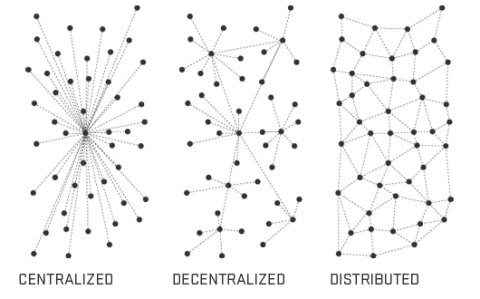
Is this a viable theory of change that points to an actual coherent vision for the future of a safe internet? There’s a lot of poor theories of change in current legislation on both sides of the aisle. Who is championing public utility moderation as an alternative to panopticon age gating?

Tynan Purdy ⁂
More and more I think moderation as a whole should be publicly funded. Lots of institutions providing lots of diverse moderation services would unlock product creators and communities to thrive safely.