I wasn’t getting the bang for my buck in my red-state redoubt. But if I hadn’t moved, I might never have found out how good it could get.
Community Wealth Building — Urban Affairs Review
Scholars of urban politics have long debated the issue of what cities can and should do to promote the economic well-being of their residents. As the of election Zohran Mamdani illustrates, urban residents are increasingly demanding that city governments do more to address the increasingly exorbitant costs of housing, childcare, and transportation. One obvious solution is to raise taxes on the private holders of wealth. By the same token, his election has prompted handwringing on the right about the “inevitable” flight of capital out of New York City. Scholarship that runs the gamut from the public choice school associated with the “city limits” perspective (Peterson 1981) through to Marxian accounts (Logan and Molotch 1987) all recognize that the private ownership of wealth and the mobility of capital puts cities in a bind, especially in a context of highly circumscribed levels of federal urban spending. Though several scholars (Logan and Swanstrom 1990; Kantor and Savitch 1993; Schragger 2016) have demonstrated that cities have greater latitude to promote egalitarian public policies than these perspective allow, few would argue that the deep structural problems of economic and social inequality can be fully resolved by tax-and-spend liberalism (Imbroscio 2010).
Replication Data for: Public Infrastructure and Economic Development: Evidence from Postal Systems
While postal systems have been central to statebuilding efforts around the globe, their contributions to development are largely unclear. We argue that the post office affected economic development in both the short and long terms. To test our argument, we combine original data on the cross-national distribution of postal systems from 1875 to 2007 with granular county-level data in the U.S. from 1850 to 2000. In both country- and county-level analyses, we show that the spread of postal systems affected economic outcomes and persisted over the long term. The results are robust across dependent variables, model specifications, and estimation strategies. We provide additional evidence that suggests these effects were generated by reducing transaction costs and strengthening social capital. Our findings highlight the role of public infrastructure in promoting economic growth, documenting a channel through which state institutions precede growth, and suggest that statebuilding efforts have longstanding effects on relevant communities.
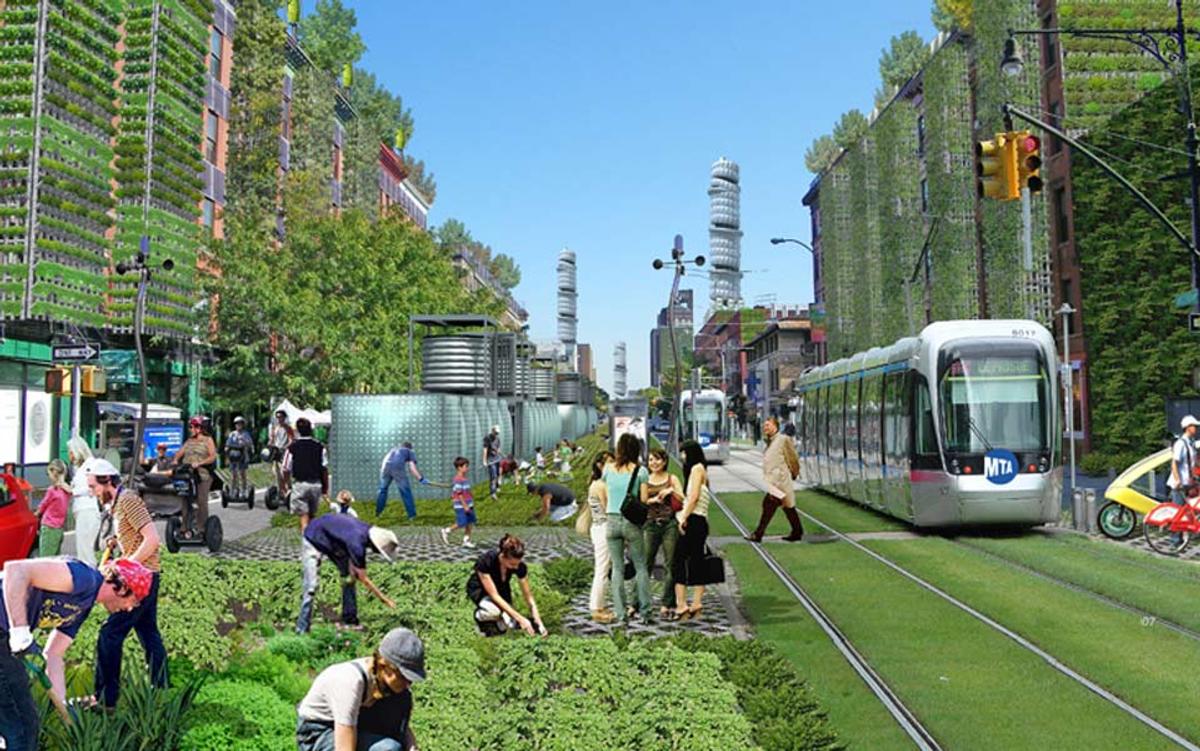
NYC: can this city-state be completely self-reliant? | Aeon Essays
Green living in NYC need not be simple living – think skyscraper farms, meat-production towers and revamped aqueducts

Trump’s Magically Disappearing Stimulus Checks
I was promised cheaper groceries and tariff rebates and all I got was this lousy pogrom.

As Victoria tries to ease the cost of living, high-earners reap the biggest benefits
From free transport to registration rebates, the state government’s attempt to help Victorians is disproportionately benefiting those who need it the least.

Hunkering Down: Immigration Enforcement’s Economic Cost | Great Cities Institute | University of Illinois Chicago
Hunkering Down: The Hidden Economic Cost of Federal Immigration Enforcement in Cook County, IL examines how heightened federal immigration enforcement beginning in January 2025 affected travel and commercial activity across Cook County. The report finds that residents of neighborhoods with relatively high shares of Latin America–born residents substantially reduced trips to retail stores and restaurants in other parts of Cook County after enforcement intensified. These “cross-community” trips had been a routine part of the county’s economy before January 2025, connecting immigrant communities with businesses and commercial corridors throughout the region.
Taxes on High-Skill Immigration: Demand and Supply Response in the International Student-OPT-Work Visa Pipeline
ROCKWOOL Foundation

More work for your labor-value - The Wobbly World of Miftah's Words
...and more exploitation for your location.
New housing reforms could save more than $40,000 per home
Under Governor Gavin Newsom's new housing affordability reforms, several state housing financing programs will now be brought together under one roof.

America's Growth Ponzi Scheme | Strong Towns
The American pattern of development creates the illusion of wealth. Today we are in the process of seeing that illusion destroyed…and with it the prosperity we have come to take for granted.
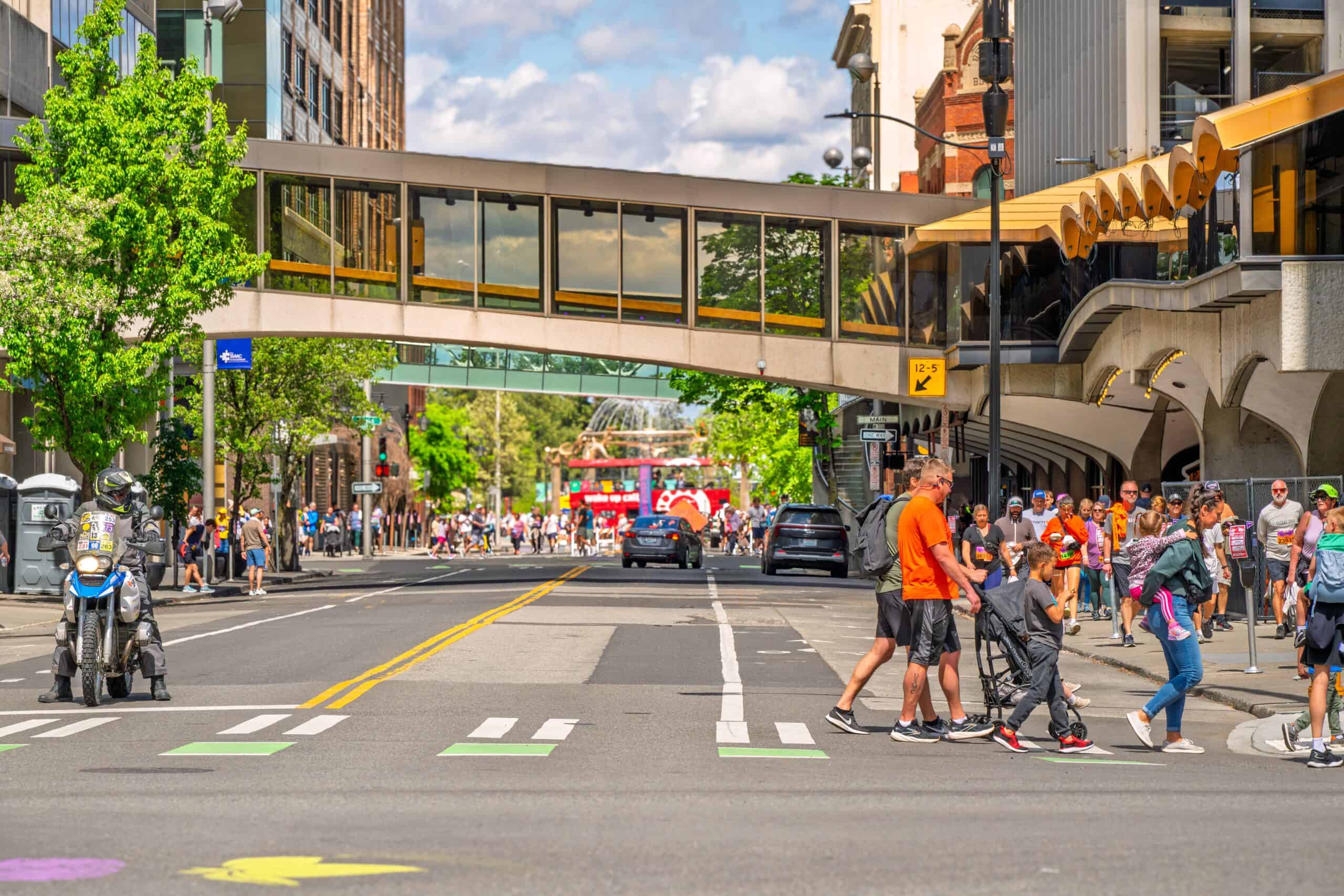
Yes, a Land Value Tax Is Possible in Washington State | Sightline Institute
A new report modeling a property tax building exemption in Spokane rebalances incentives toward community goals, encouraging homebuilding and discouraging in-city vacant land speculation.
Yeah, We're Going to Have to Tax the Middle Class
The State and Revolution — Chapter 5
The State and Revolution: Chapter 5: The Economic Basis of the Withering Away of the State
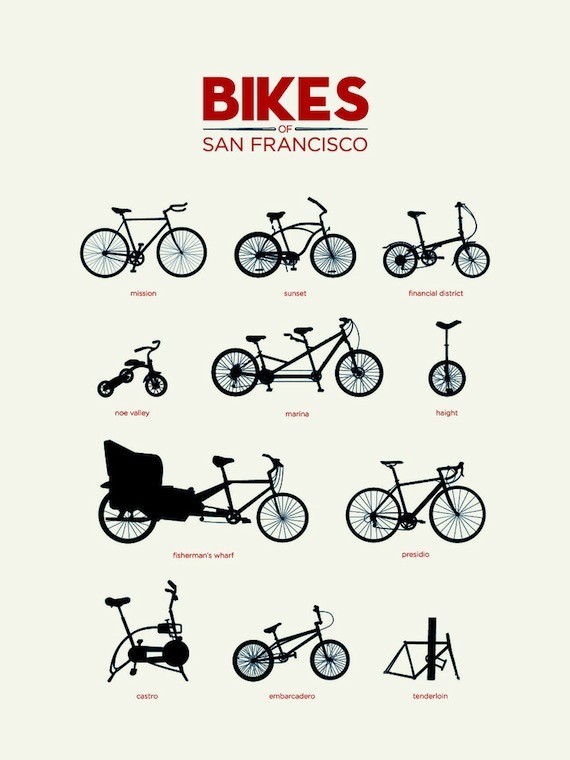
25 Things I wish I knew before moving to San Francisco
I moved to San Francisco 9 months ago from the East Coast bastion of Boston. Despite having experience living in a major US city, I found quite a few surprises coming here. Some have been great, w…