

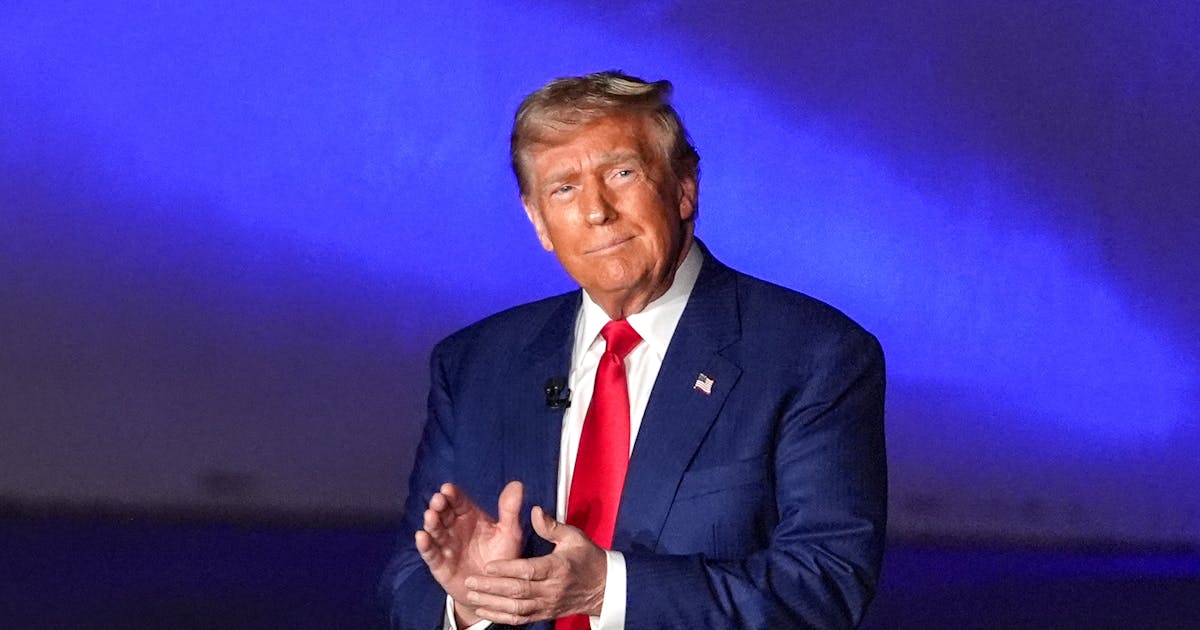
It wasn’t the economy. It wasn’t inflation, or anything else. It was how people perceive those things, which points to one overpowering answer.
Why Trump Will Lose His Trade War
His people don’t know what they’re doing or what they want

Nobody Really Knows How the Economy Works. A Fed Paper Is the Latest Sign.
Many experts are rethinking longstanding core ideas, including the importance of inflation expectations.


One year after Trump’s Foxconn groundbreaking, there is almost nothing to show for it
Trump called it the ‘eighth wonder of the world’ — then the factory began to shrink

Many voters saw midterm election as a rebuke of Trump, NBC News Exit Poll shows
The president’s approval rating is dismal among voters, who have big concerns about the economy, according to polling results.

The End of Cheap Nature
Trump's Defeat, Europe's Protests, and the Crisis of Capitalist Abundance

How Trump Won, What Happens Next, and How Disconnects Drove Democracy
How Trump Won Through The Lens of Data, Trust, Media, and the Vibecession
Macroeconomics, money and post-Brexit recovery, all in one Twitter thread
This Twitter thread, published this morning, took about four hours and 40 years of thinking to write... I keep hearing people complain that the ‘mainstream media’ does not understand economics and that we’re talked down to as if everything must be explained as if the economy is a household. In this...

How America Made Donald Trump Unstoppable
Donald Trump is no ordinary con man. He's way above average — and the American political system is his easiest mark ever.


Trump’s Magically Disappearing Stimulus Checks
I was promised cheaper groceries and tariff rebates and all I got was this lousy pogrom.
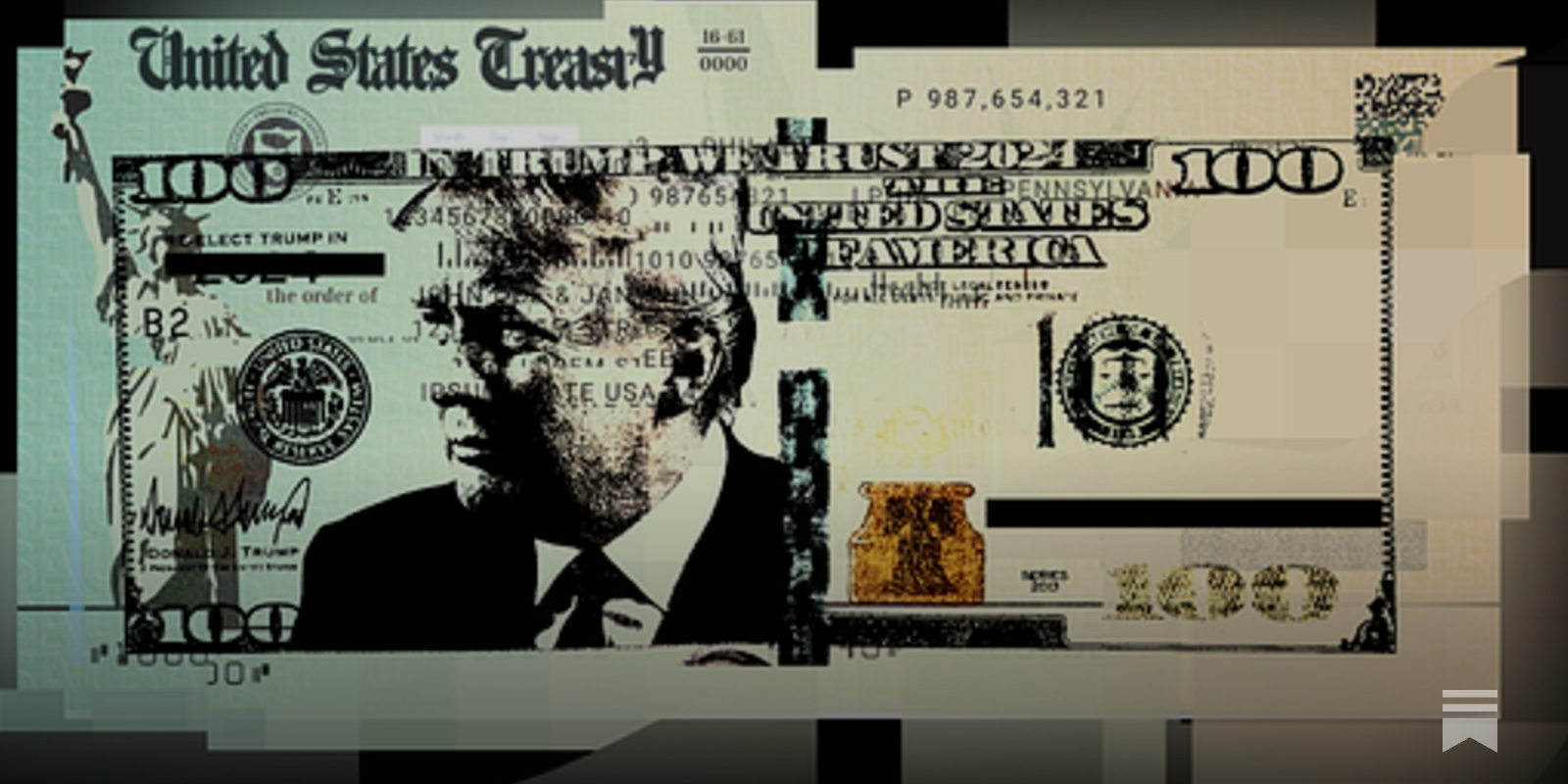

Trump made more than $1bn from crypto in first year back in office
The president's crypto income far outpaces his earnings from real estate and Trump-themed items such as watches.
Narratives about the Macroeconomy
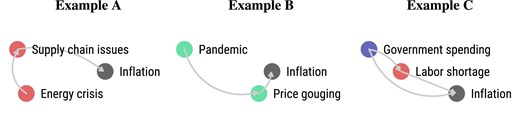
Abstract We study narratives about the macroeconomy—the stories people tell to explain macroeconomic phenomena—in the context of a historic surge in inflation. In our empirical analysis, we field surveys with more than 10,000 U.S. households and 100 academic experts, measure economic narratives in open-ended questions, and represent them as directed acyclic graphs. Households’ narratives are strongly heterogeneous, coarser than experts’ narratives, focus more on the supply than the demand side, and often feature politically charged explanations. Moreover, narratives shape how households form inflation expectations and interpret new information, which we demonstrate in a series of experiments. Informed by these findings, our theoretical analysis incorporates narratives into an otherwise conventional New Keynesian model and demonstrates their importance for aggregate outcomes through their effect on agents’ expectations.
The Weaponized World Economy
When Washington announced a “framework deal” with China in June, it marked a silent shifting of gears in the global political economy. This was not the beginning of U.S. President Donald Trump’s imagined epoch of “liberation” under unilateral American greatness or a return to the Biden administration’s dream of managed great-power rivalry. Instead, it was the true opening of the age of weaponized interdependence, in which the United States is discovering what it is like to have others do unto it as it has eagerly done unto others.
