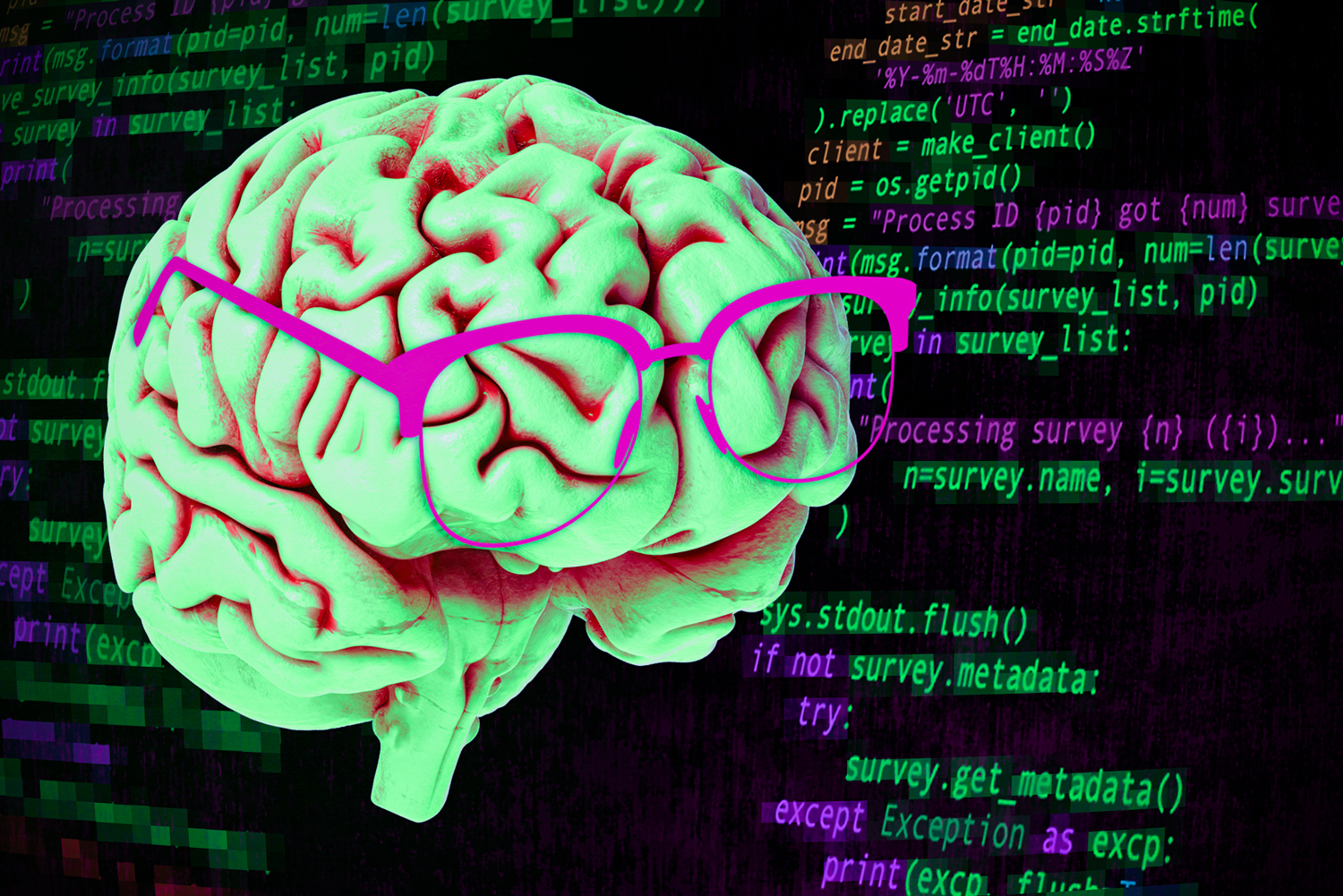
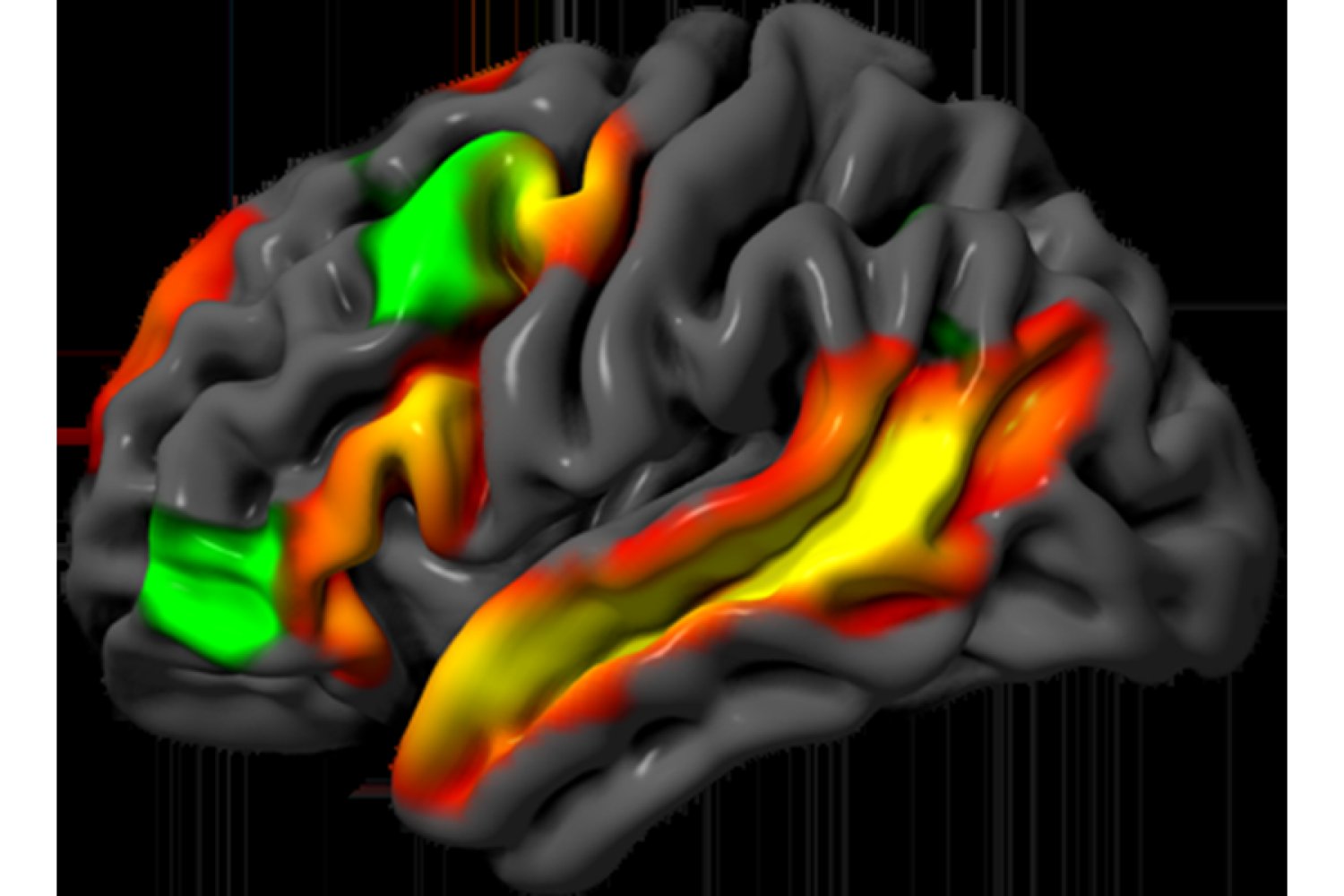
MIT neuroscientists have found reading computer code does not rely on the regions of the brain involved in language processing. Instead, it activates the “multiple demand network,” which is also recruited for complex cognitive tasks such as solving math problems or crossword puzzles.
Your brain does not process information and it is not a computer | Aeon Essays
Your brain does not process information, retrieve knowledge or store memories. In short: your brain is not a computer

What Is Code? If You Don't Know, You Need to Read This
The world belongs to people who code. Those who don’t understand will be left behind.

What Is Code? If You Don't Know, You Need to Read This
The world belongs to people who code. Those who don’t understand will be left behind.
Chris Granger - Coding is not the new literacy
Despite the good intentions behind the movement to get people to code, both the basic premise and approach are flawed. The movement sits on the idea that “coding is the new literacy,” but that takes a narrow view of what literacy really is.
Hey, Computer Scientists! Stop Hating on the Humanities
Opinion: Computer science departments need to teach coders more than just how to code.

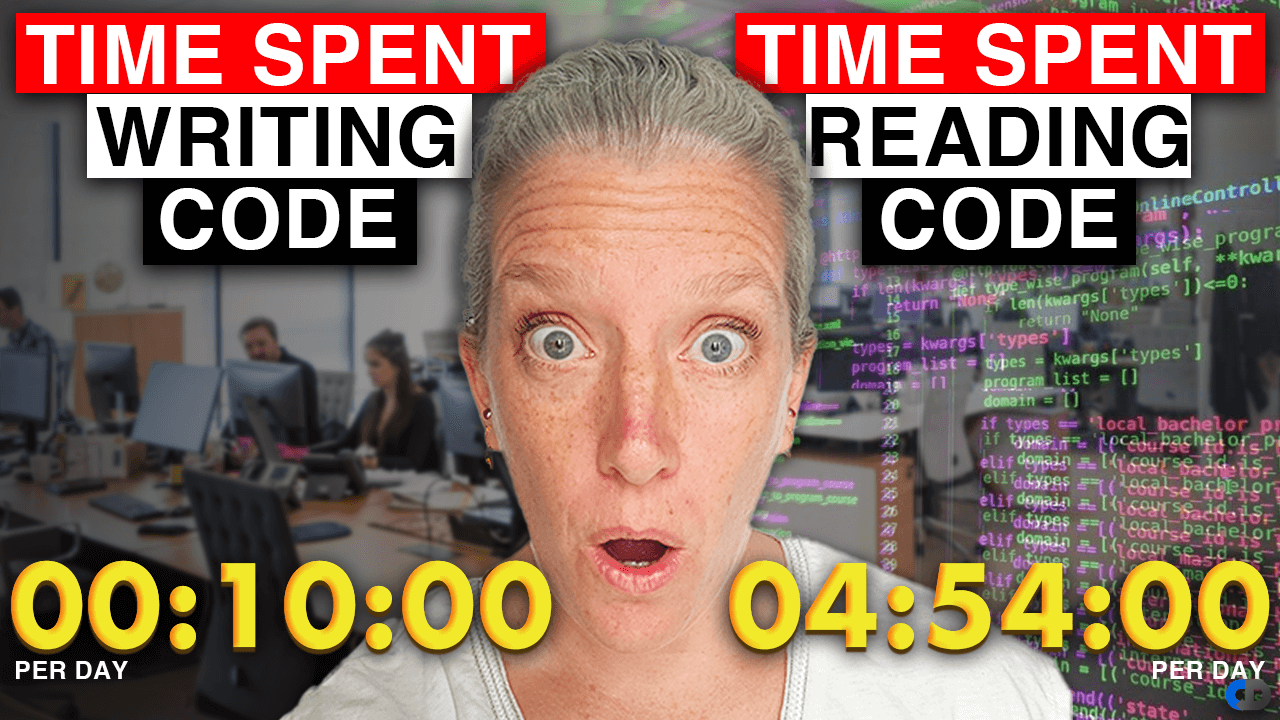
Reading Code Is Hard, and tips to improve - Trisha Gee
This week's video for Dave Farley's Continuous Delivery YouTube channel is me ranting about why reading code sucks, and offering some advice on how to improve. "Every programmer occasionally, when nobody’s home, turns off the lights, pours a glass of scotch, puts on some light German electronica, and opens up a file on their computer. ... Read more
Tinkered Thinking
Daily, snackable writings to spur changes in thinking.Building a blueprint for a better brain by tinkering with the code.
AI Use at Work Is Causing “Brain Fry,” Researchers Find, Especially Among High Performers
The increased speed and multitasking that AI allows at work is leading to many workers experiencing "brain fry," a new study found.

From bench to bot: Why AI-powered writing may not deliver on its promise
Efficiency isn’t everything. The cognitive work of struggling with prose may be a crucial part of what drives scientific progress.

The brain in the machine: How AI could help explain how we think | IBM
Scientists are using large AI models to predict patterns of brain activity at scale, a development that researchers say is pushing neuroscience toward a new kind of digital imaging.

I trained a cellular automaton to write English, using no neural net at all
Each word or letter is written into a grid of integer cells. Learned rules rewrite the cells, and the next word is read from the grid. You can watch…
Separating logic and language
Language isn’t necessary for logical reasoning, cognitive neuroscientists at MIT’s McGovern Institute find. Evelina Fedorenko and Hope Kean discovered people can perform well on tasks that require logical reasoning even if their language abilities are severely impaired.

We Should Revisit Literate Programming in the Agent Era
Literate programming is the idea that code should be intermingled with prose such that an uninformed reader could read a code base as a narrative, and come away with an understanding of how it works and what it does. Although I have long been intrigued by this idea, and have found uses for it in a couple1 of different cases2, I have found that in practice literate programming turns into a chore of maintaining two parallel narratives: the code itself, and the prose. This has obviously limited its adoption.

The 80% Problem in Agentic Coding
Managing comprehension debt when leaning on AI to code