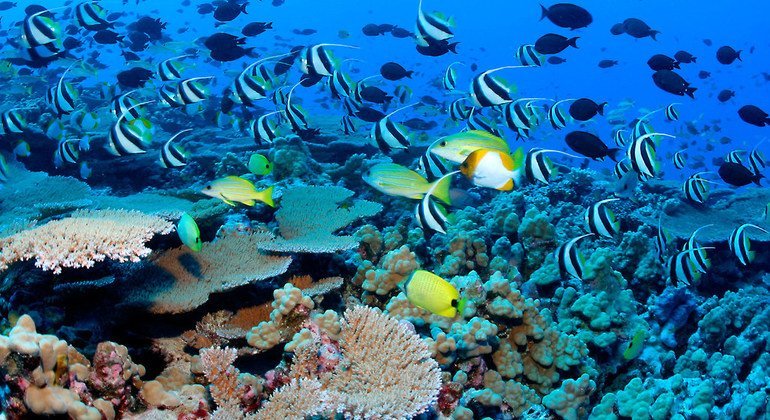
Nations must start weighing up the cost of economic profit against damage to the environment if they are to have a chance at a sustainable future, UN Secretary-General António Guterres said on Tuesday.
Seven Key Elements of an Economy of Abundance
Our present economy is an economy of scarcity – only scarce commodities have economic value. Therefore there are strong incentives to make everything into a scarce commodity - first by making it into a commodity, and then by assuring that the demand for that commodity exceeds its supply, either by controlling supplies or by inflating demand, or doing both at the same time. This economy of scarcity leads to environmental destruction because the natural environment is treated as a “free” good to consume or pollute until it becomes scarce enough to commodify and monopolize. It also leads to social inequality because the major avenue to wealth is to control key assets and then make them scarce for everyone else, thus extracting profits.

Nature Risk Rising: Why the Crisis Engulfing Nature Matters for Business and the Economy
Nature Risk Rising, the first report in the NNE series, explains how nature-related risks matter to business, why they must be urgently mainstreamed into risk management strategies and why it is vital to prioritize the protection of nature’s assets and services within the broader global economic growth agenda.
Who owns nature ?
International policies for the protection of the Environment rest on a very specific conception of nature, which appeared in Europe during the Enlightenment. This conception is far from being shared by all the peoples of the earth, who value different cosmological principles. According to Philippe Descola, the preservation of biodiversity can only become fully effective if it takes into account this plurality in the understanding of nature. At the instigation of international (…)
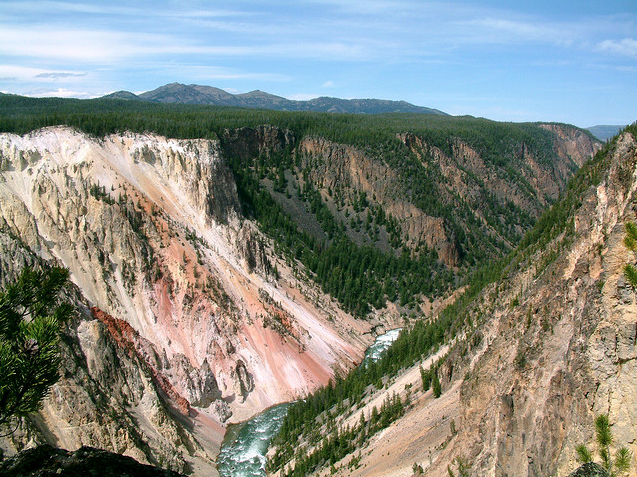
Ecosystem services - nature’s benefits
Nature's benefits or ecosystem services depend on a healthy environment. Investing in nature will help to secure these benefits for future generations.
Why unilateral decarbonisation can pay for itself
Anthropogenic greenhouse gas emissions are rapidly warming our planet, with potentially severe economic, social, and health consequences. Conventional estimates of climate damages suggest that while coordinated global efforts are desirable, unilateral action is rarely cost-effective due to a classic free-rider problem. Why should a country bear the costs of reducing emissions when the benefits are shared globally? This column re-evaluates this view in light of new climate damage estimates based on global temperature variation, showing that the economic case for unilateral decarbonisation is far stronger than previously thought.

The future is made of energy | Orca Notes
A megatrend way bigger than decarbonization is probably the key to abundance and sustainability both.
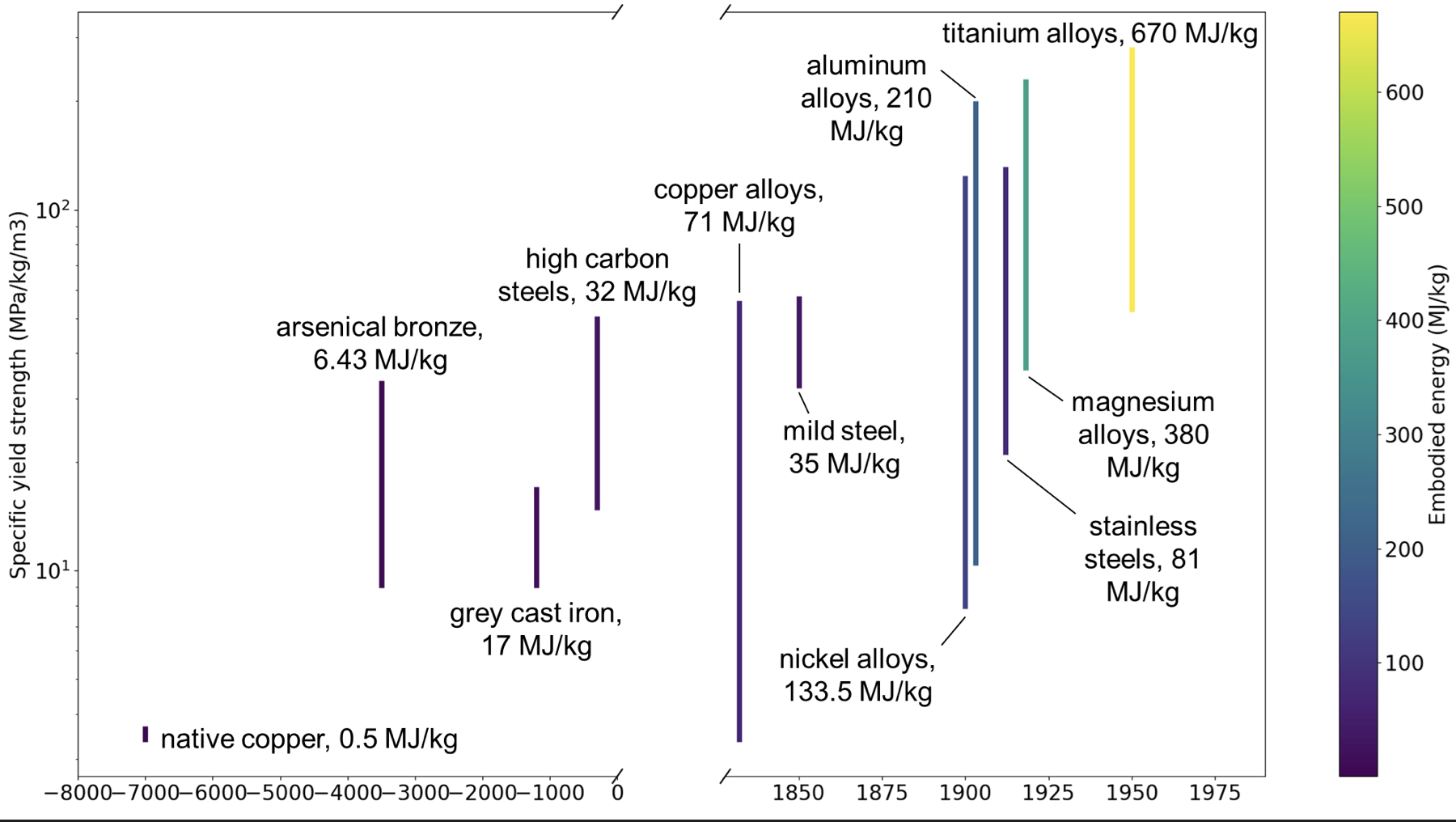
Economics for the future – Beyond the superorganism
Our environment and economy are at a crossroads. This paper attempts a cohesive narrative on how human evolved behavior, money, energy, economy and th…
The Profit Paradox
La nature nous rend des services économiques - ICI
Notre économiste lorrain Olivier Simard-Casanova nous explique ce mercredi 5 juin comment la nature peut nous rendre des services économiques et comment la protéger peut nous faire faire des économies.

BBC Earth | Environment, Climate Change, AI, Food, Health, Social, & Technology
As we face the world’s greatest environmental challenges, BBC Earth brings you solutions in psychology, food, climate change, health, social trends, and technology that can make the world a more sustainable place.
BBC Earth | Environment, Climate Change, AI, Food, Health, Social, & Technology
As we face the world’s greatest environmental challenges, BBC Earth brings you solutions in psychology, food, climate change, health, social trends, and technology that can make the world a more sustainable place.
BBC Earth | Environment, Climate Change, AI, Food, Health, Social, & Technology
As we face the world’s greatest environmental challenges, BBC Earth brings you solutions in psychology, food, climate change, health, social trends, and technology that can make the world a more sustainable place.
Regenerative Economics
Regenerative economies strengthen social and ecological systems. It's time for economics education to show us how.

Key Principles for the Intergovernmental Science–Policy Panel on Chemicals and Waste
In 2021, the United Nations Environment Programme (UNEP) recognized chemical pollution as a planetary crisis tantamount to climate change and biodiversity
Beyond GDP: Measuring and Valuing What Really Matters
Rethinking the UN’s “beyond GDP” agenda and the case for putting wealth at the centre