

The VCU-led study highlights the pervasiveness of COVID-19 smell loss as a chronic condition rather than just a temporary symptom of infection.
In a nationwide survey on COVID-19 smell loss, over 50% of respondents still have symptoms after five years
Five Year Recovery From COVID‐19 Smell Loss: Preliminary Report from a Nationwide Survey
Abstract This scientific briefing reports preliminary 5‐year recovery outcomes from COVID‐19‐associated smell loss in a nationwide cohort. Adults with confirmed COVID‐19 infection and self‐reported smell loss since January 2020 were surveyed through a longitudinal web‐based questionnaire, and a follow‐up survey was distributed to participants who had completed a prior 2‐year study. Among 419 respondents (mean age 45.7 ± 13.7 years; 79.0% female; 84.5% white), 44.2% reported complete smell recovery, 48.4% partial recovery, and 7.4% no recovery or worsening smell. Complete recovery was significantly higher in participants younger than 40 years ( P < .001) but did not differ by gender ( P = .51). Compared with 2‐year outcomes, the rate of complete recovery increased from 38.4% to 44.3%. These findings indicate that while modest additional recovery occurs beyond 2 years, olfactory dysfunction persists in more than half of patients 5 years after COVID‐19‐associated smell loss. While a much larger analysis is currently in progress, this report represents the longest‐term results published to date.

Even Mild Covid is Linked To Brain Damage, Scans Show - Slashdot
During at least the first few months following a coronavirus infection, even mild cases of Covid-19 are associated with subtle tissue damage and accelerated losses in brain regions tied to the sense of smell, as well as a small loss in the brain's overall volume, a new British study finds. Having mi...

These diseases can be diagnosed by smell
It's not hard to tell when you've walked into a room, or a house, in which a person is sick with with a flu or a bad cold. There's an immediate smell of

One Day, a Machine Will Smell Whether You’re Sick (Published 2017)
Researchers are perfecting technology that sniffs out signs of disease in breath, blood and urine.

Extensive study finds small drop in brain volume after COVID-19
The changes are focused in areas linked to the olfactory system.

Do Older People Have a Different Smell? (Published 2019)
Even scientists who study scent are divided.

Vaccination Dramatically Lowers Long COVID Risk
Several new studies reveal that getting multiple COVID vaccine doses provides strong protection against lingering symptoms
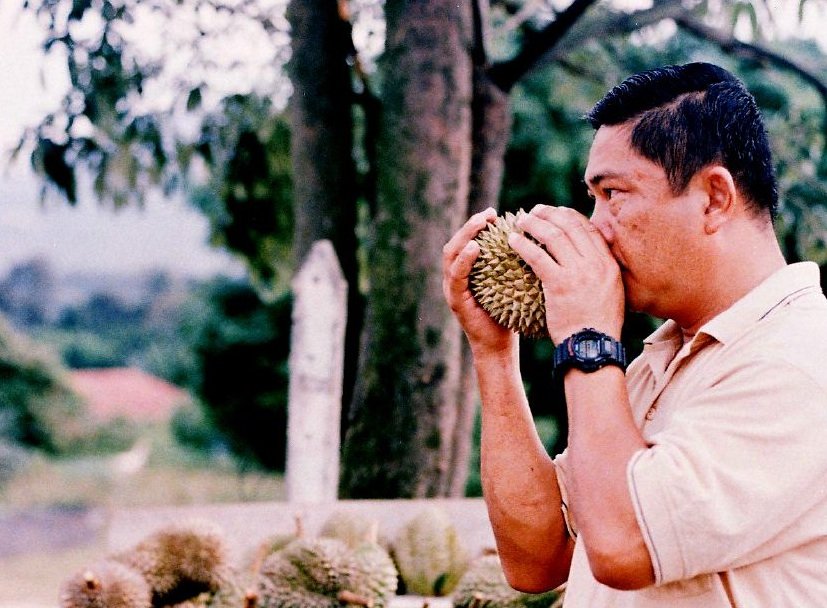
An Indigenous Malaysian Language Describes Smells As Precisely As English Describes Colors
Researchers had assumed all humans were just bad at describing odors, but it turns out that's a cultural problem, not a biological one.
Long-haul COVID-19: 1 in 5 still battle symptoms two years post-infection
Up to two years after infection, around 18% of unvaccinated individuals experience post-COVID-19 condition, highlighting higher symptom risk compared to controls. Effective interventions are crucial in mitigating the burden of this condition, and comprehensive clinical trial design considering multiple outcome measures, recovery rates, and symptom heterogeneity is essential for accurate interpretation.

Scented products cause indoor air pollution on par with car exhaust
Using scented products indoors changes the chemistry of the air, producing as much air pollution as car exhaust does outside, according to a new study. Researchers say that breathing in these nanosized particles could have serious health implications.

New research shows younger and middle-aged adults have worse long COVID symptoms than older adults
New study from Northwestern Medicine finds symptoms occurred regardless of mild or severe COVID-19 infection

Odor biomarker for Alzheimer's disease
A new study from the Monell Center, the U.S. Department of Agriculture (USDA), and collaborating institutions reports a uniquely identifiable odor signature from mouse models of Alzheimer's disease. The ...

Long COVID stemmed from mild cases of COVID-19 in most people
90% of people living with long COVID initially experienced only mild illness.
Long-COVID recovery varies sharply by symptoms, study finds
Fewer than one in five people with multiple body systems impacted experience sustained improvement within three years of infection, a study found.
