

Almost a third of recovered Covid patients will end up back in hospital within five months and one in eight will die, alarming new figures have shown. Research by Leicester University and the Office f...
Long-COVID recovery varies sharply by symptoms, study finds
Fewer than one in five people with multiple body systems impacted experience sustained improvement within three years of infection, a study found.

People With Multisystem Long Covid See Lower Recovery, Research Finds
People whose long Covid affects multiple body systems are far less likely to improve than overall recovery estimates suggest, with fewer than one in five experiencing sustained improvement within three years of infection, according to a US study.

COVID survivors at increased risk of long-term gastrointestinal conditions
Although people with severe COVID had highest risk, mild cases also upped risks.

Timing of Long COVID Improvement in Prospectively Followed RECOVER-Adult Participants
Background: Long COVID (LC) is widespread; however, limited information has been reported on the likelihood that symptoms remit over time. Objective: To evaluate the likelihood of improvement among persons with likely LC. Design: Prospective, multisite cohort study (RECOVER-Adult [Researching COVID to Enhance Recovery]). Setting: 83 U.S.-based sites across 33 states; Washington, DC; and Puerto Rico. Participants: 1019 persons in RECOVER-Adult with likely LC (LC Research Index [LCRI] ≥11) 12 months after first SARS-CoV-2 infection. Measurements: The primary outcome was time until 2 consecutive study visits with LCRI less than 11. Secondary outcomes were time until LCRI measure reduced 50% or more and quality of life was good or better, and LCRI decreased to 0. Unadjusted estimates of cumulative incidence and adjusted marginal cumulative incidence by age, sex, SARS-CoV-2 wave, and LC subtype were reported across all follow-up time points. Results: An estimated 36.2% (95% CI, 33.0% to 39.5%) met the primary outcome by 24 months after infection, and 50.1% (CI, 46.1% to 54.0%) met the primary outcome by 36 months. An estimated 56.4% (CI, 52.2% to 60.4%) and 26.9% (CI, 23.3% to 30.5%), respectively, met the 2 secondary outcomes by 36 months. Among persons who still reported likely LC at 18 months and 24 months after first infection, relative timing of subsequent symptom improvement was similar. Limitation: Findings in this observational cohort are interpretable in a population with prevalent likely LC and do not address causal relationships between individual characteristics and symptom improvement. Conclusion: Among persons with likely LC 12 months after initial SARS-CoV-2 infection, one half experience meaningful reductions in symptoms by 36 months, whereas a quarter experience complete remission of symptoms. These findings underscore both the potential for natural recovery and the urgent need for placebo-controlled therapeutic intervention trials. Primary Funding Source: National Institutes of Health.
COVID's aftermath: Persistent organ damage at 1 year, lung abnormalities at 2
CIDRAP - Center for Infectious Disease Research & PolicyResearch and Innovation Office, University of Minnesota, Minneapolis, MN

One in 5 COVID-19 patients develop mental illness within 90 days - study
Many COVID-19 survivors are likely to be at greater risk of developing mental illness, psychiatrists said on Monday, after a large study found 20% of those infected with the coronavirus are diagnosed with a psychiatric disorder within 90 days.

Long COVID could be a ticking time bomb
Long COVID isn't novel: other viruses in history have had similar “long” arcs — with devastating repercussions
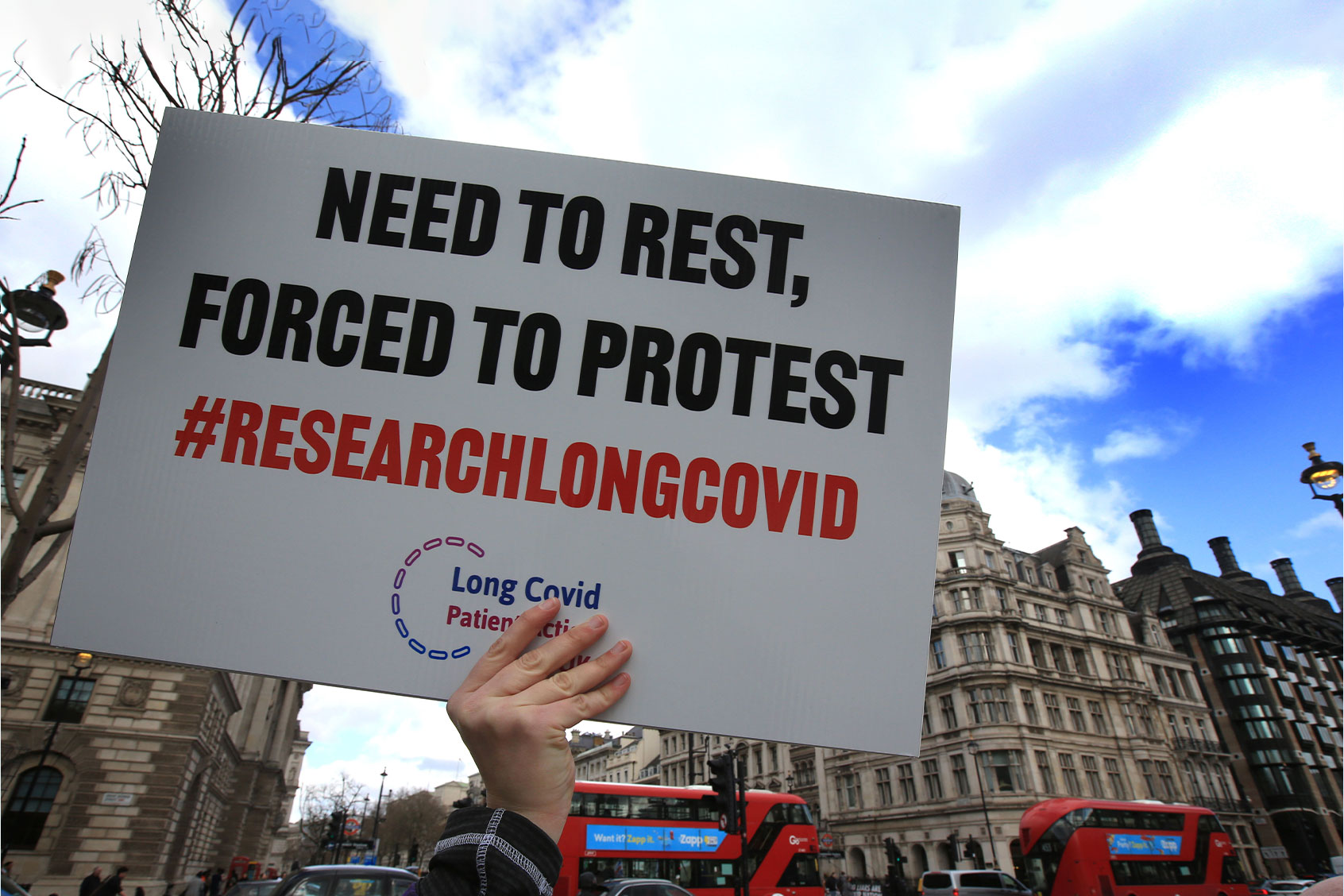
Long COVID has reached the 'Russian Roulette' stage in the US - 48 hills
As the nation seeks to return to a maskless, congregate 'normal,' the brutal virus is still out there, and repeated infections seem linked to longterm health problems.
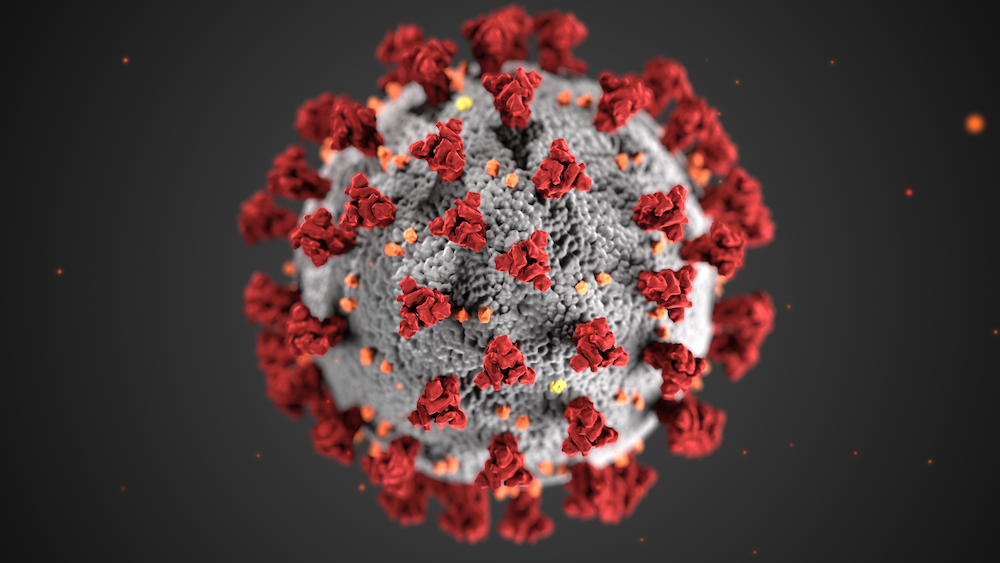
Vaccination Dramatically Lowers Long COVID Risk
Several new studies reveal that getting multiple COVID vaccine doses provides strong protection against lingering symptoms
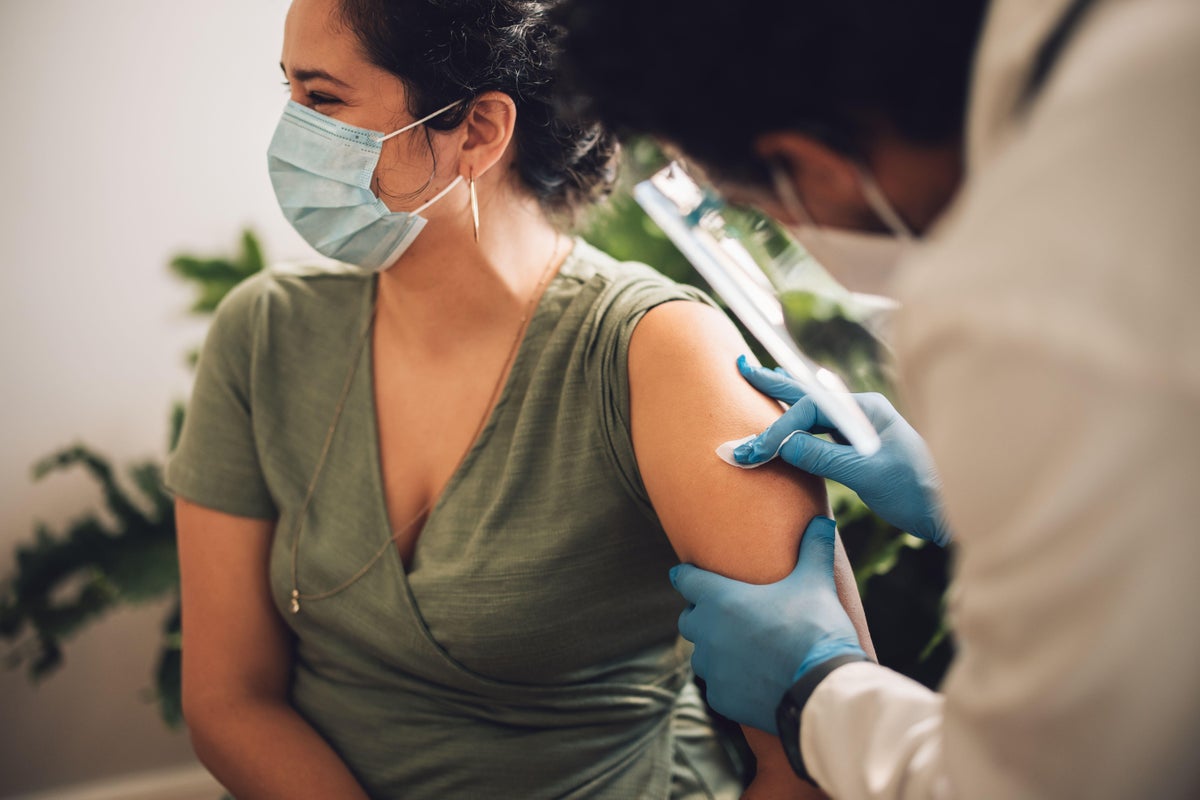
Who’s most at risk of developing long COVID? Experts think these 6 groups of people might be | Fortune
No. 1: Those who've had repeat COVID infections, regardless of severity.
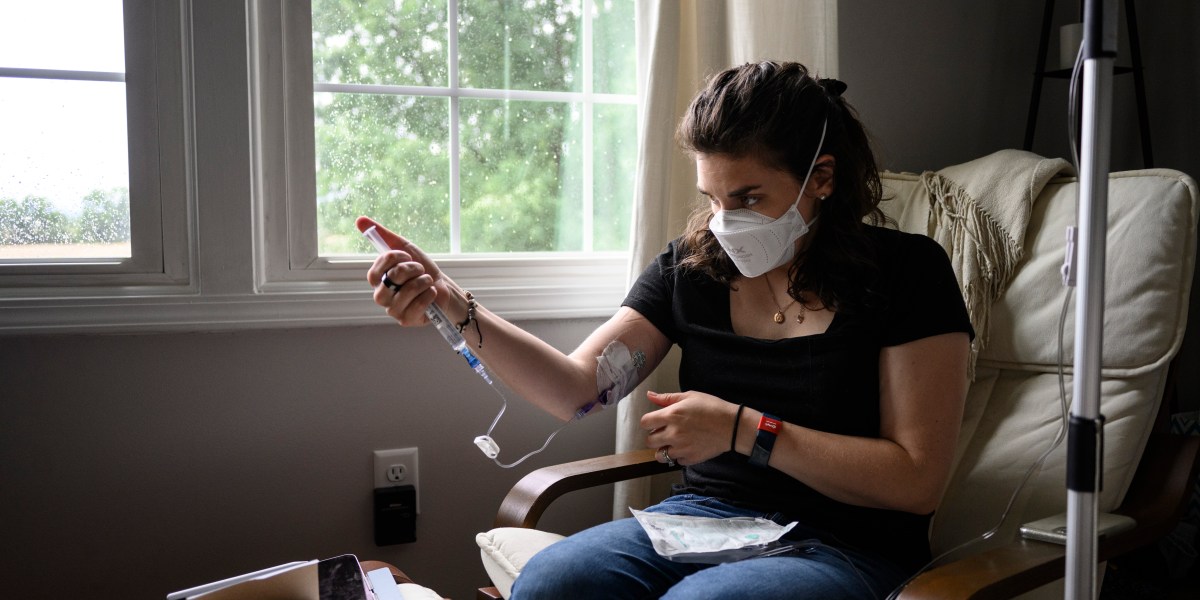
Retracted coronavirus (COVID-19) papers
via CDC We’ve been tracking retractions of papers about COVID-19 as part of our database. Here’s a running list, which will be updated as needed. (For some context on these figures, see…
Researcher Find There Are 4 Subtypes of Long COVID
Doctors say this is another step toward figuring out the complicated condition.

I Don't Know Anyone With Long Covid
Yes. You do. It might even be you. Let's take a look at why people don't realize, or can't admit, that they're dealing with Long Covid.
Japan: A study covering 2020–2023 estimated COVID-19 infections were 4.7x higher than officially reported. During Omicron BA.4/5: • Reinfection rate rose from 0.4% (2021) to 28.1% (2023) • Reinfections made up 81.5% of new infections • Findings highlight widespread underreporting and reinfections
