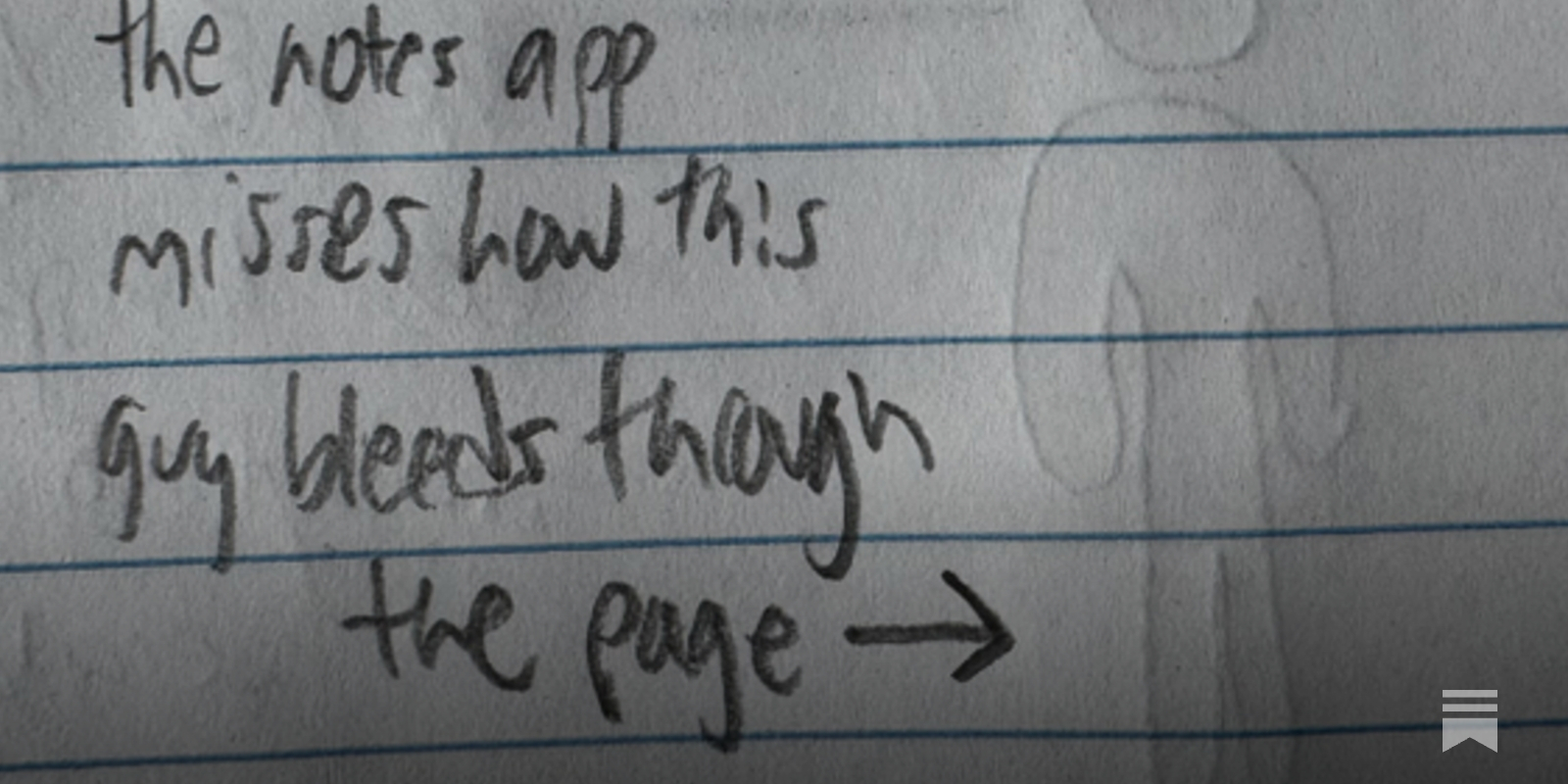
This week I’ve been thinking about what it’s like for a new generation to make things with computers. When we were talking in Berlin, Luce made a point that...
The Computer for the 21st Century
one more final edit from me to go The Computer for the 21st Century
Feeling of Computing — Conversations
Berlin Biennale | All Problems Can Be Illuminated; Not All Problems Can Be Solved
We can all tell this story: The rails of human advancement stretching from the Enlightenment to a Bitcoin start-up; innovation measured by increased reach, increased uniformity, increased predictability and size and quickness. The telegraph to the landline to the mobile phone to the Bluetooth wearable; the abacus to Pascal’s mechanical calculator to the room-sized computer to the palm-sized device a million times more powerful than equipment a thousand times its size from only ten years ago; the stone tablet to the book to the internet offering everything, no excuses. We are all connected. We’re at the bright tip of a comet hurtling forward. We can place ourselves, with mild satisfaction. Thank god it’s not then. What kind of person uses a BlackBerry? (Old people!)
Berlin Biennale | All Problems Can Be Illuminated; Not All Problems Can Be Solved
We can all tell this story: The rails of human advancement stretching from the Enlightenment to a Bitcoin start-up; innovation measured by increased reach, increased uniformity, increased predictability and size and quickness. The telegraph to the landline to the mobile phone to the Bluetooth wearable; the abacus to Pascal’s mechanical calculator to the room-sized computer to the palm-sized device a million times more powerful than equipment a thousand times its size from only ten years ago; the stone tablet to the book to the internet offering everything, no excuses. We are all connected. We’re at the bright tip of a comet hurtling forward. We can place ourselves, with mild satisfaction. Thank god it’s not then. What kind of person uses a BlackBerry? (Old people!)

feeling of computing, london
💞 welcome to the london branch of the feeling of computing community. 💞
C*Space - Creative Space Berlin - Start
Creative Space Berlin - Beyond Coworking - Purpose-driven creative hub for co-working, projects, and events
Alexander Obenauer
Exploring new and renewed ideas for how personal computing and the interfaces we think with can better serve people’s lives – expanding opportunity, agency, curiosity, and creativity.
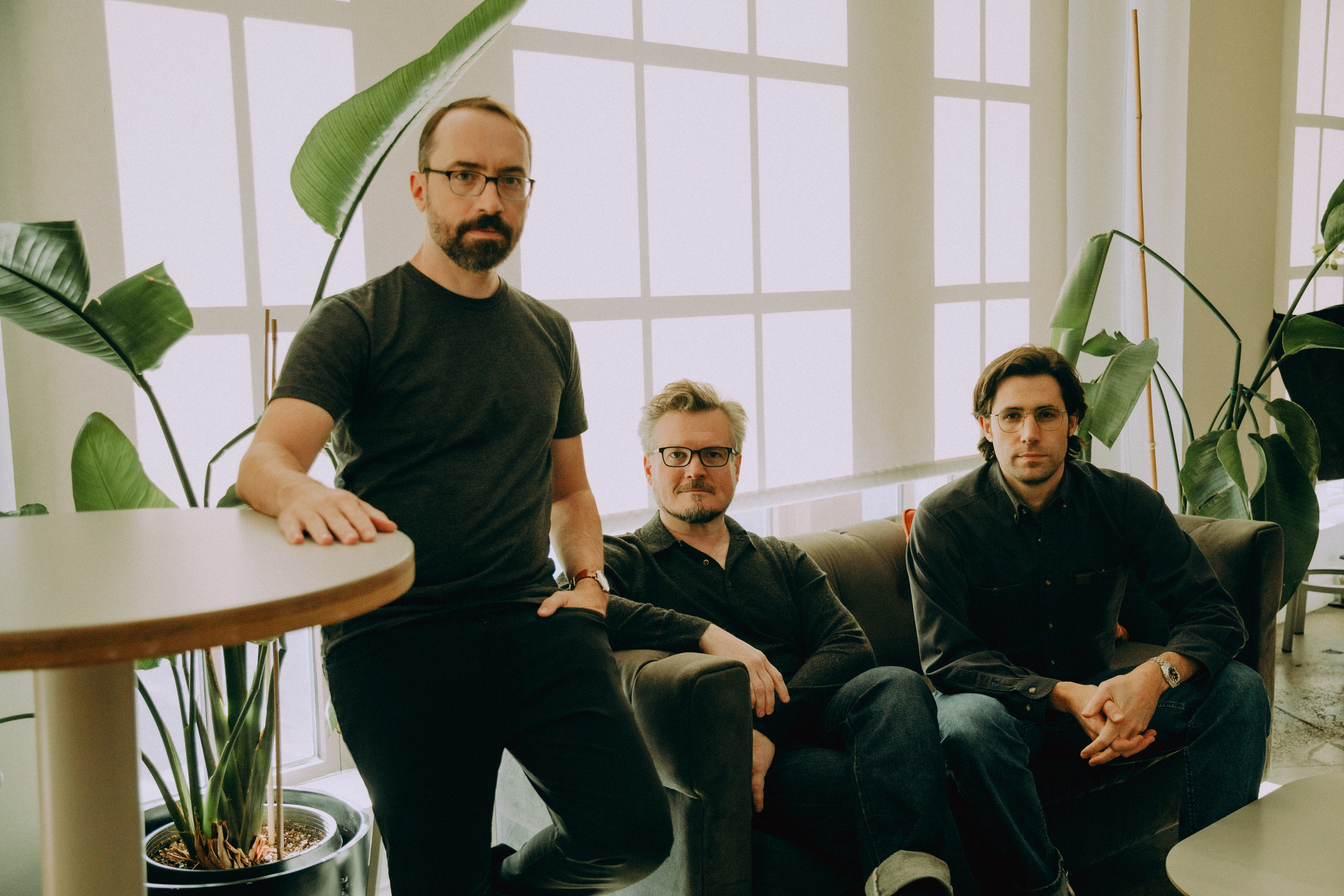
Telepath: building a new kind of computer
So, we made a thing: Let’s back up: for as long as I can remember, I’ve been obsessed with computers, fascinated not just by what they can do but what they could become. Like many, I took my early inspiration from science fiction. I dreamed of someday having something like the Enterprise’s computer. And why not? Science fiction has always driven scientists, engineers, and inventors to create real things that change the world.
"An approach to computing and sustainability inspired from permaculture" by Devine Lu Linvega
About Us
Around the world, building the internet’s operating system—and a better way to work. In a world of tech companies fighting for growth at any cost, imagine one that gives away its most successful pr…

We Build On Hope @ PublicSpaces Conference 2026
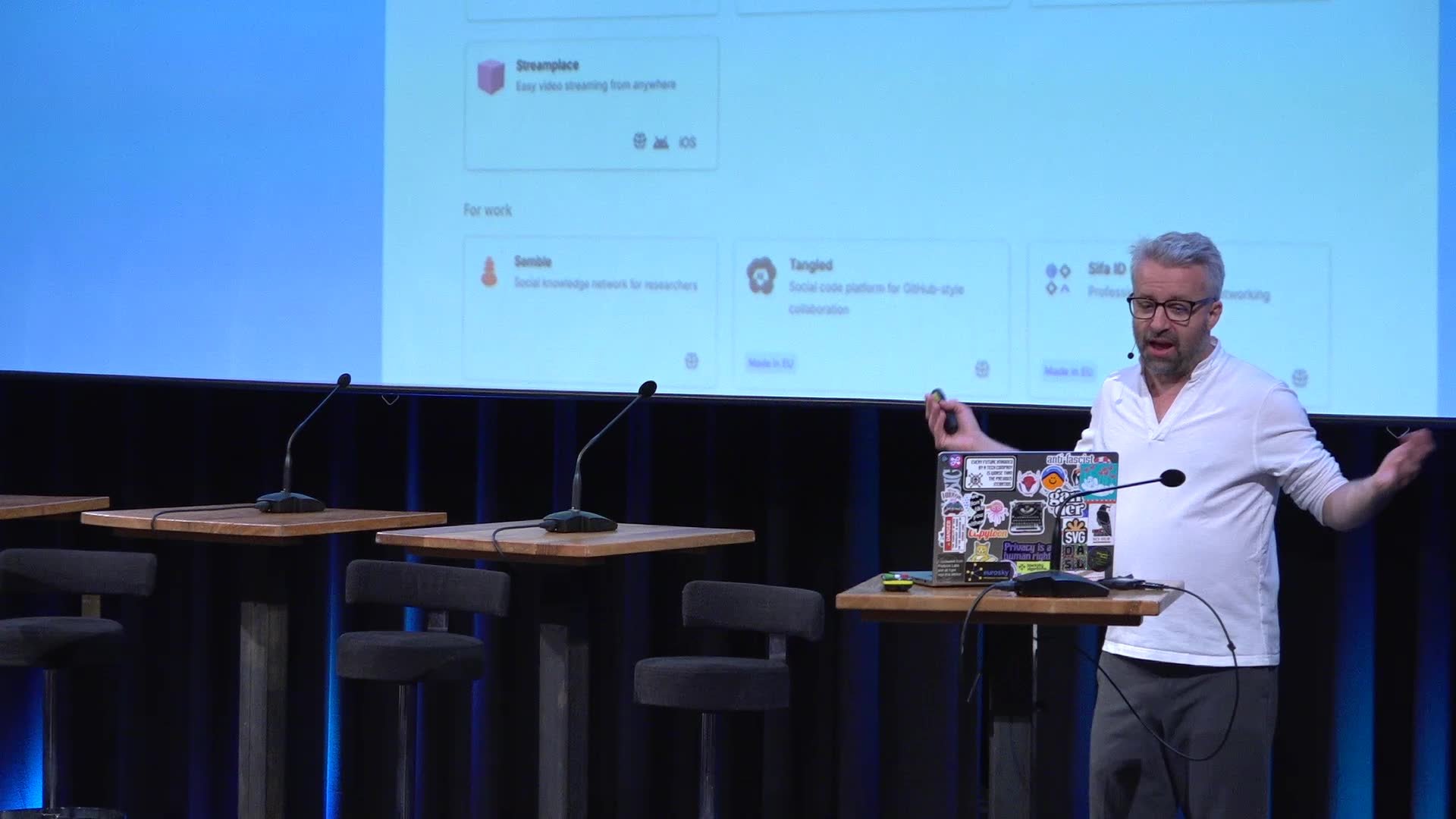
Keynote by Robin Berjon The current state of tech can feel disheartening. Years of critical analysis and reform efforts have left us with a digital sphere that seems worse than ever. In Europe, our...
triumph of the nerds
Hackers: Heroes of the Computer Revolution
A mere fifteen years ago, computer nerds were seen as m…

Building resilient social media
Next week I’ll be in Berlin, speaking at a Franco-German “Summit on European Digital Sovereignty” satellite event to help launch…

softer computing club
a cozy community of humans and computers on the planet earth