


Context windows, compression, and "folding the dough"
Context Engineering | Meetup
"Context engineering is the delicate art and science of filling the context window with just the right information for the next step" - Andrej KarpathyLearn about tools, frameworks, and code that is in service of context engineering from practitioners in this space.Dive into the set of strategies fo

Context Engineering
Context engineering strategies for AI agents: write, select, compress, and isolate context to optimize performance and manage long-running tasks.

Folding Ideas
Semantic Compression
An introduction to the idea that code should be approached with a mindset towards compressing it semantically, rather than orienting it around objects.

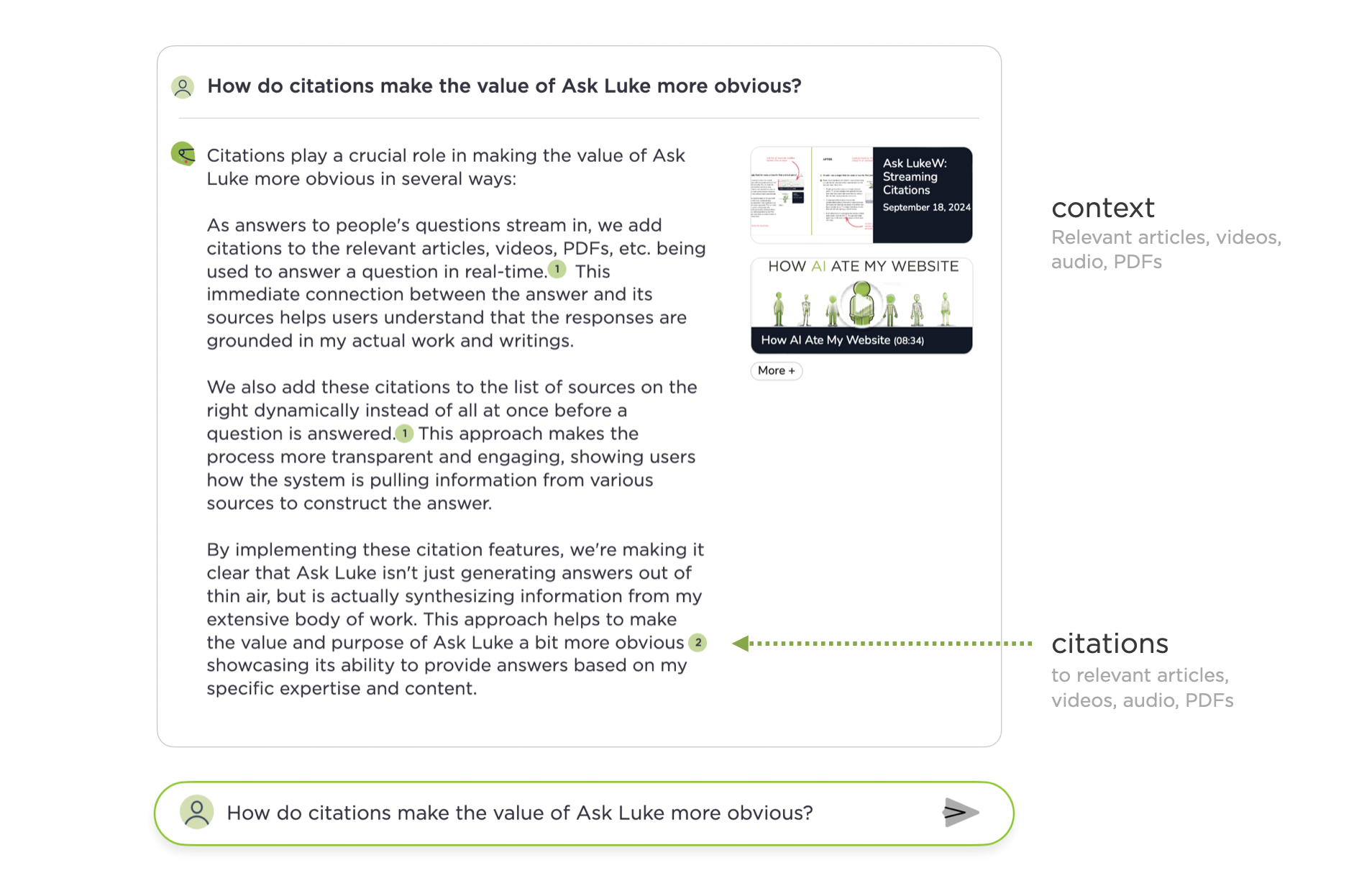
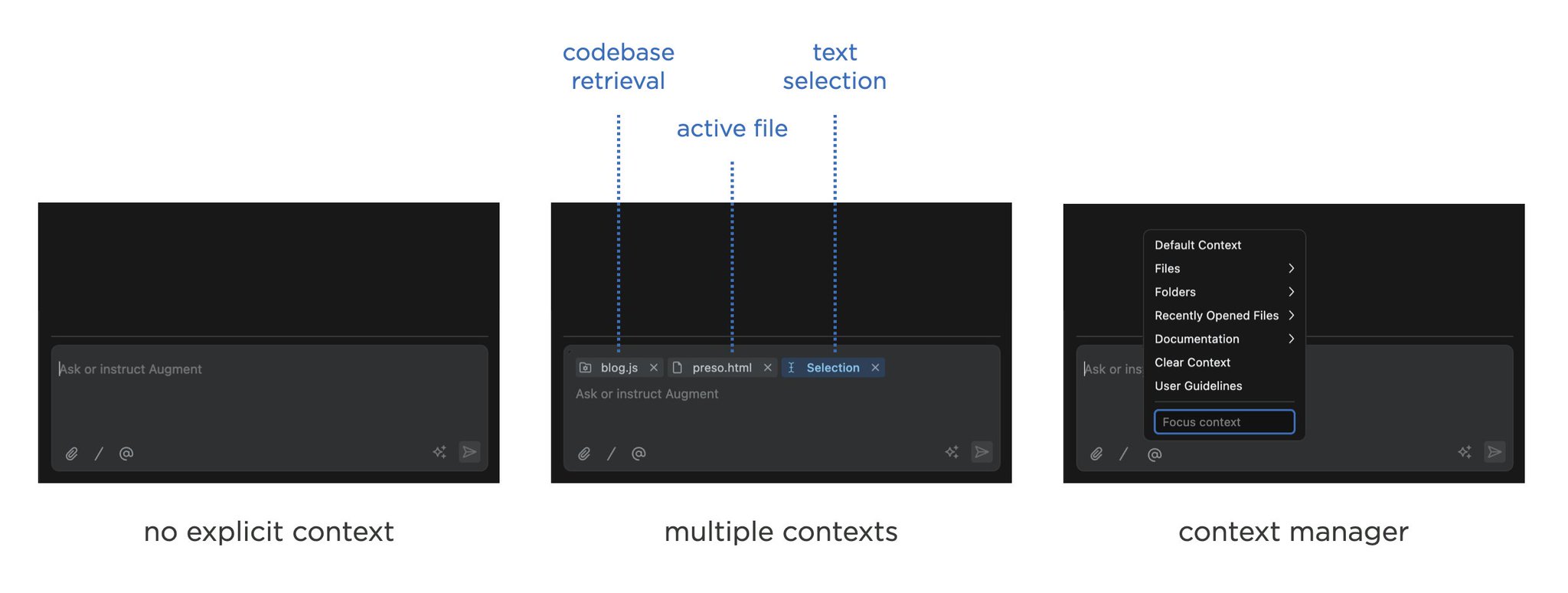
LukeW | Context Management UI in AI Products
They say context is king and that's certainly true in AI products where the content, tools, and instructions applications provide to AI models shape their behav...
Coeffects: Context-aware programming languages
Interactive essay that explains theory of coeffects and lets you type-check and run sample programs.

The Architect of Constraints: Why Context Engineering Is the Human Skill That Matters
“If I had an hour to solve a problem, I’d spend 55 minutes defining the problem and 5 minutes solving it.” — Albert Einstein

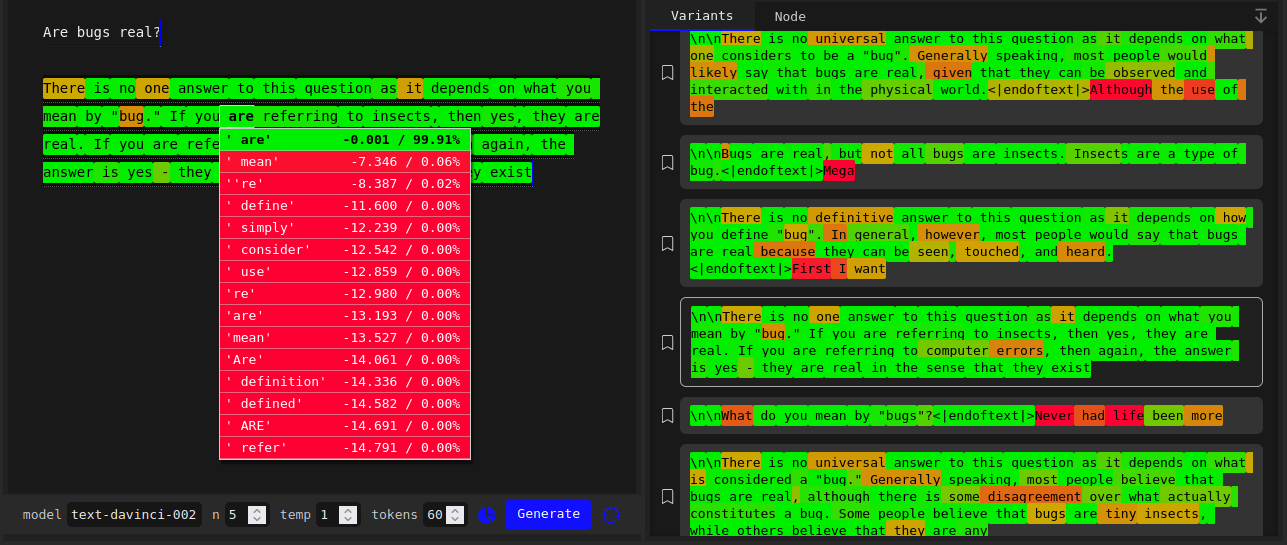
Mysteries of mode collapse — LessWrong
Thanks to Ian McKenzie and Nicholas Dupuis, collaborators on a related project, for contributing to the ideas and experiments discussed in this post…
Unifying fold left and fold right with Prolog
Here's a rather cool trick we noticed during a recent discussion in the NUS PLSE Lab.1
Coeffects: a calculus of context-dependent computation
The notion of context in functional languages no longer refers just to variables in scope. Context can capture additional properties of variables (usage patterns in linear logics; caching requirements in dataflow languages) as well as additional resources or properties of the execution environment (rebindable resources; platform version in a cross-platform application). The recently introduced notion of coeffects captures the latter, whole-context properties, but it failed to capture fine-grained per-variable properties.We remedy this by developing a generalized coeffect system with annotations indexed by a coeffect shape. By instantiating a concrete shape, our system captures previously studied flat (whole-context) coeffects, but also structural (per-variable) coeffects, making coeffect analyses more useful. We show that the structural system enjoys desirable syntactic properties and we give a categorical semantics using extended notions of indexed comonad.The examples presented in this paper are based on analysis of established language features (liveness, linear logics, dataflow, dynamic scoping) and we argue that such context-aware properties will also be useful for future development of languages for increasingly heterogeneous and distributed platforms.


WRKSHP.tools | Ikigai Canvas
The Ikigai exercise can help you to define your personal perspective, by asking yourself four key questions.
Invisible details - Building contextual menus - Linear
We recently added contextual menus to Linear. This makes the app faster and easier to use for people who prefer their mouse. One small thing that you won’t see or think about but will hopefully feel is a detail we designed into how sub-menus work.

Luke Wroblewski on Twitter / X
If context engineering is the new hotness for engineering, context management is the new UI hotness/challenge for designers. pic.twitter.com/iXNTYnVRIi— Luke Wroblewski (@LukeW) July 10, 2025
Context Collapse

"Bluesky Elder" (by Bee 🐝) — Semble