

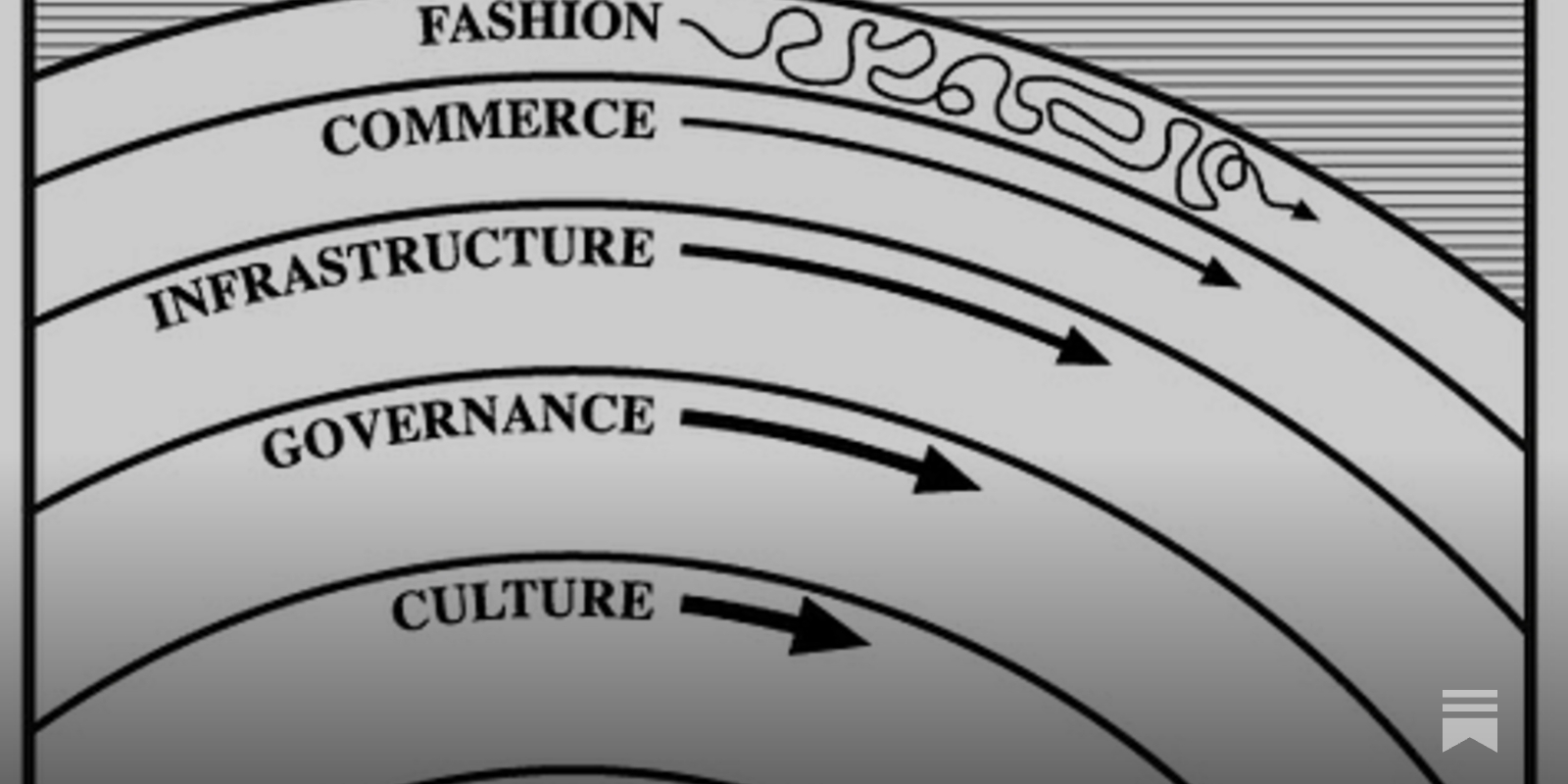
Layering is a special form of modularity that restricts interactions between modules. A module assigned to a layer can use any of the modules in the same or in a lower layer; however, it cannot use a module belonging to a higher layer.
Presentation layer
In the seven-layer OSI model of computer networking, the presentation layer is layer 6 and serves as the data translator for the network.[2][3][4] It is sometimes called the syntax layer.[5]
The Web Needs a Context Layer Built on a Shared Protocol
Context is a new, developing layer of the internet, write Mallory Knodel, Evan Friedman and Brad Friedman.

AT Protocol Integration · Underlay
AT Protocol is a federated networking protocol built around typed records, content addressing, and the separation of data from applications. Those are also the design principles behind Underlay. The overlap is not superficial. The two systems solve different problems in complementary ways, and connecting them is straightforward.
The Web Needs a Context Layer Built on a Shared Protocol
Making context a shared protocol, rather than a platform feature, would let readers see competing perspectives anywhere on the web, argue Mallory Knodel, Evan Friedman, and Brad Friedman.

The 2026-07-28 Specification
The 2026-07-28 Model Context Protocol specification is out, bringing a stateless protocol core, Multi Round-Trip Requests, header-based routing, cacheable list results, authorization hardening, a formal extensions framework, and updated Tier 1 SDKs.

Protocol Reader - Summer of Protocols
The Protocol Reader The Protocol Reader is an 358-page book (currently only available as an epub) comprising 26 foundational essays by 31 authors from the Summer of Protocols program, carefully edited and sequenced to introduce you to the fascinating new discipline of Protocol Studies. It can serve as

Dangerous Protocols - Summer of Protocols
Protocols are frequently touted as the liberating alternative to walled technological gardens, but the historical purpose of protocols has always been to simplify decision-making and reduce human agency. How do we reconcile these two narratives? I explore the dangerous side of protocols, and how their ability to drive coordination means they also have

Organize Layers
Organizes all layers on the current page based on layer name; useful for organizing a page of components. Optionally customize how layers are grouped, and set the space between layers. Fund my work on Figma plugins →
Roadmap - Model Context Protocol
Our plans for evolving Model Context Protocol
Glossary of terms - AT Protocol
A collection of terminology used in the AT Protocol and their definitions.
Theorizing Protocolization II: Atomic Protocol Questions
Solving real coordination problems to discover the formal laws of protocols.

Layers is a set of ATProto lexicons for representing and interlinking linguistic data across modalities. We're hoping to get feedback on a draft proposal for the lexicons. docs.layers.pub github.com/layers-pub/layers

GitHub - layers-pub/layers: Composable ATProto lexicons for linguistic annotation
github.comatproto is routinely called decentralized. Its upper layers are not. An essay on what nostr solves, what atproto cannot borrow, and where partial AppViews fit. night-terrace.offprint.app/a/3mjsp3tse6g23-decentralizin… $ATOPR

Decentralizing the Upper Layers: What atproto Can Learn from nostr, and What It Cannot | Nighthaven⛺︎ | Offprint
night-terrace.offprint.appPaul's article prompted a long one from me: What is the purpose of protocols? connectedplaces.online/the-purpose-of-protocols/

The Purpose of Protocols
connectedplaces.online
P(aul) Frazee
New blogpost about atproto It's not federation, it's not a p2p mesh. It's a secret third thing: practical. pfrazee.com/blog/practical-decentralizati…


