

But as the New York AG report makes clear, the returns on that public-pressure approach have diminished ever since. For one thing, there’s no longer a single, theoretical “public” that acts in concert on anything … much less on issues of content moderation. For another, the platforms still hosting content like the video of the Buffalo massacre, after years of opposition, are either well-insulated from outside persuasion or economically/ideologically motivated to buck whatever norms mainstream sites establish.
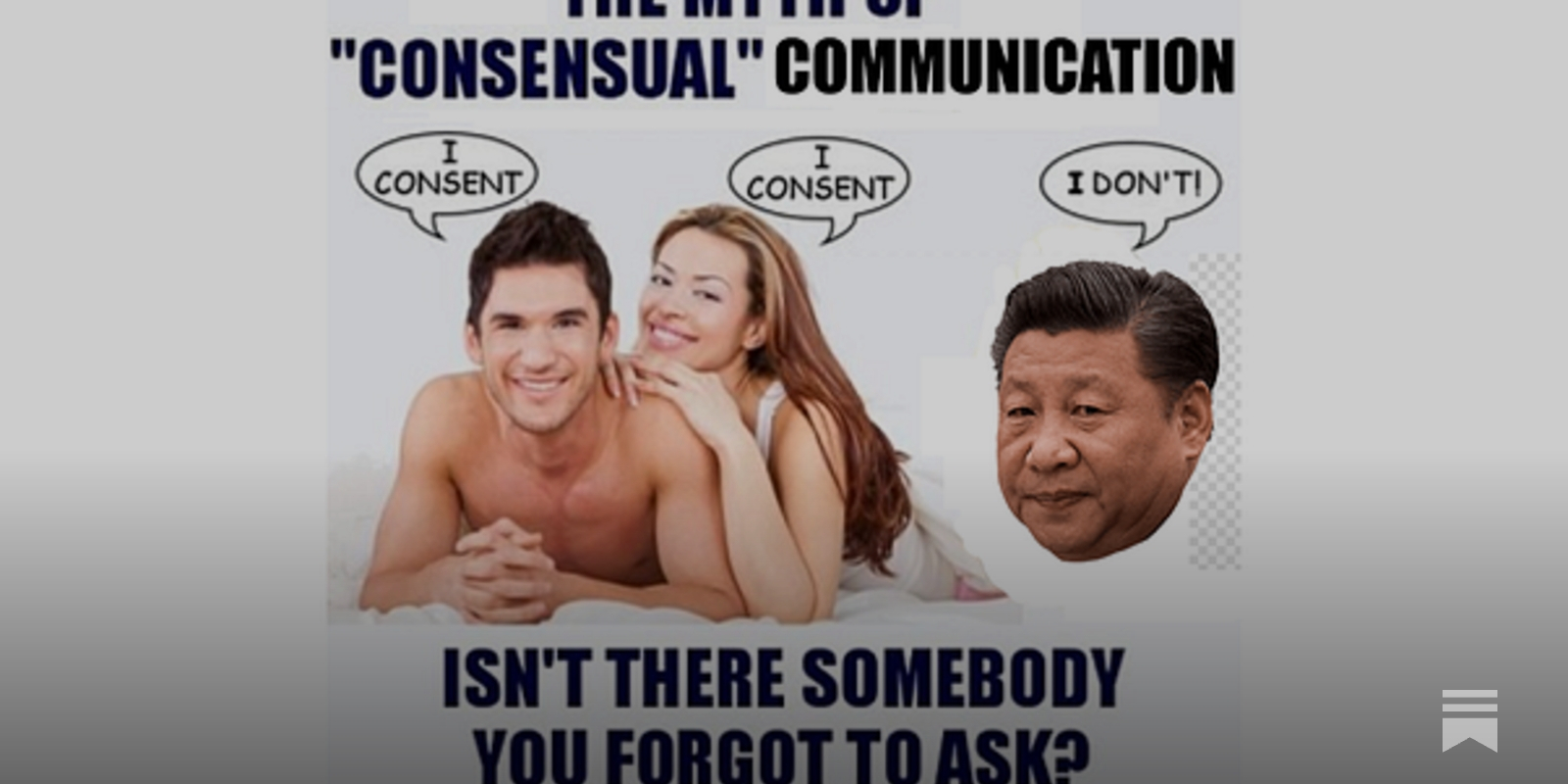
Platforms Want Centralized Censorship. That Should Scare You
Opinion: Controlling the spread of insidious content online is extremely difficult—but combining efforts across platforms raises serious threats to free expression.

The secret rules of the internet
The murky history of moderation, and how it’s shaping the future of free speech.

The secret rules of the internet
The murky history of moderation, and how it’s shaping the future of free speech.
Facebook content management controversies
Facebook and Meta Platforms have been criticized for their management of various content on posts, photos and entire groups and profiles. This includes but is not limited to allowing violent content, including content related to war crimes, and not limiting the spread of fake news and COVID-19 misinformation on their platform, as well as allowing incitement of violence against multiple groups.

Meta: Systemic Censorship of Palestine Content
Meta’s content moderation policies and systems have increasingly silenced voices in support of Palestine on Instagram and Facebook in the wake of the hostilities between Israeli forces and Palestinian armed groups.
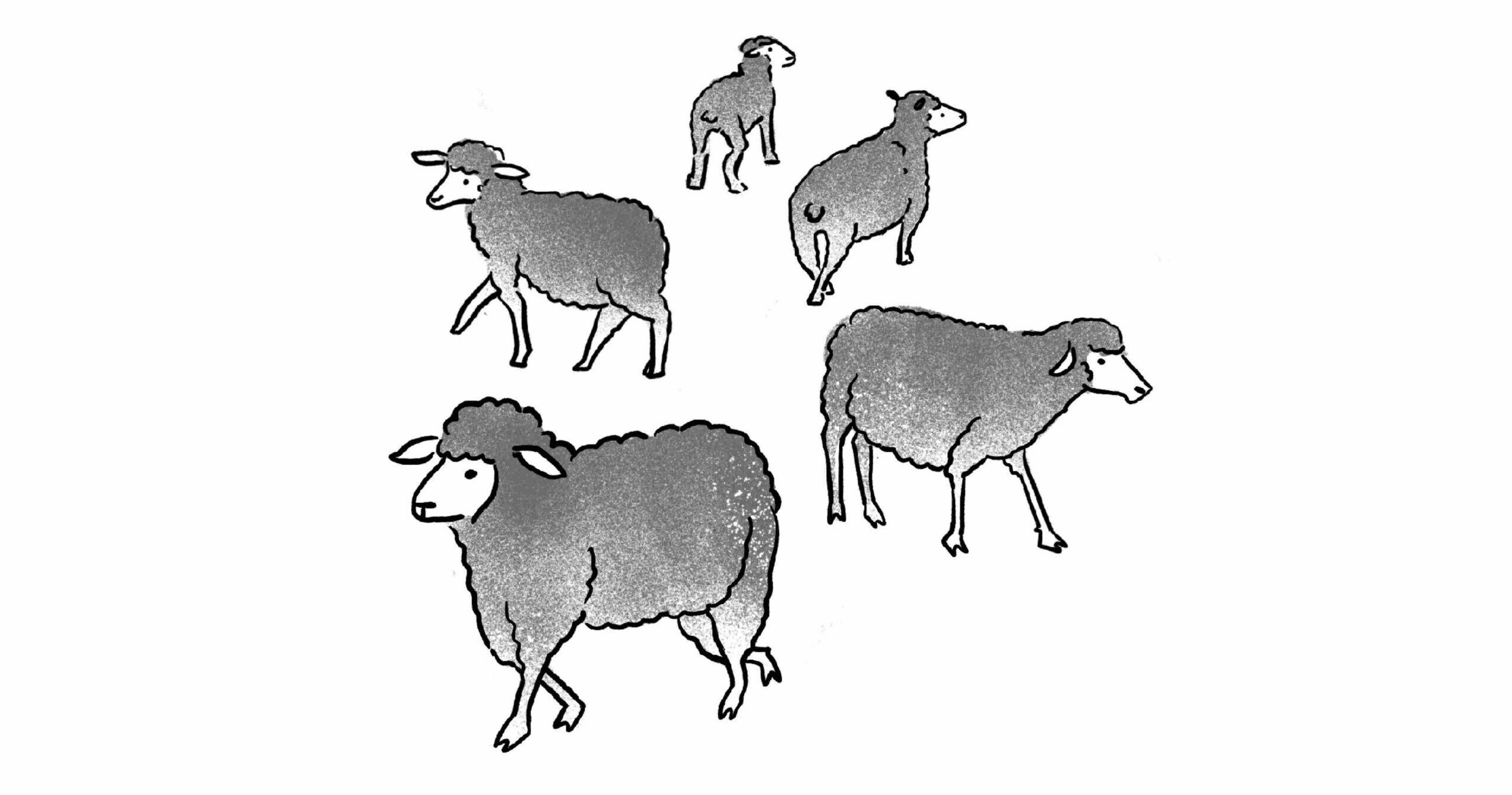
Directing the Herd
Social media platforms don’t produce a common public; they produce competing sub-publics, each with its own sense of what everyone knows.
Two months ago, the internet tried to banish Nazis. No one knows if it worked
The Verge is about technology and how it makes us feel. Founded in 2011, we offer our audience everything from breaking news to reviews to award-winning features and investigations, on our site, in video, and in podcasts.

Digital Social Norm Enforcement: Online Firestorms in Social Media
Actors of public interest today have to fear the adverse impact that stems from social media platforms. Any controversial behavior may promptly trigger temporal, but potentially devastating storms of emotional and aggressive outrage, so called online firestorms. Popular targets of online firestorms are companies, politicians, celebrities, media, academics and many more. This article introduces social norm theory to understand online aggression in a social-political online setting, challenging the popular assumption that online anonymity is one of the principle factors that promotes aggression. We underpin this social norm view by analyzing a major social media platform concerned with public affairs over a period of three years entailing 532,197 comments on 1,612 online petitions. Results show that in the context of online firestorms, non-anonymous individuals are more aggressive compared to anonymous individuals. This effect is reinforced if selective incentives are present and if aggressors are intrinsically motivated.
NYT: Boycott, Divest, Unsubscribe — WRITERS AGAINST THE WAR ON GAZA
The New York Times is not unique among media outlets in manufacturing consent for war, for exploitation, for genocide. It is, rather, exemplary. The Times’ reputation for liberalism, for rigor, for non-partisan independence is precisely what makes it so dangerous, because it hides what it really is: a publication that exists to serve the interests of U.S. imperialism.
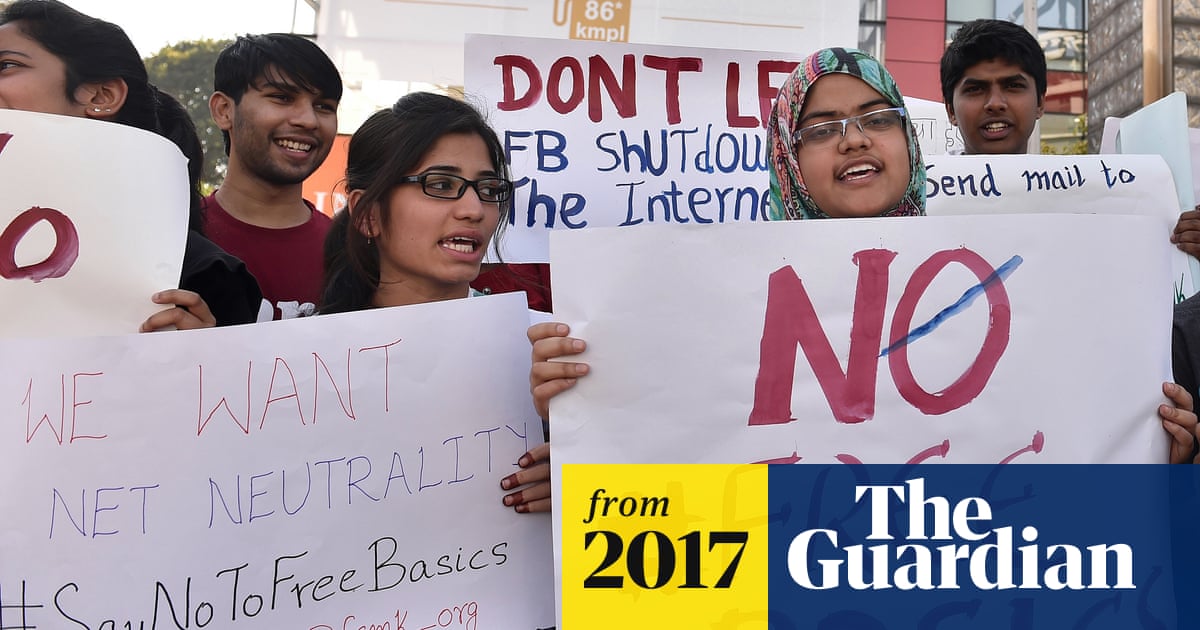
'It's digital colonialism': how Facebook's free internet service has failed its users
Free Basics, built for developing markets, focuses on ‘western corporate content’ and violates net neutrality principles, researchers say
How Instagram's moderation rules are made
Opinion | An Online Loophole That Promotes Violence
Section 230 shouldn’t preclude liability for algorithms that push harmful content.
'Safety as Public Infrastructure? The Future of Moderation in the Open Social Web' Talk by Saskia Welch, Aditya Singh and Sebastian Vogelsang More info: ctalx.c-base.org/fediday-2026/talk/MGDNUN/ Click your tickets here: berlinfedi.day ⁂ […] berlin.social/@berlinfediday/11724669250279…
