


Arkansas police under scrutiny after brutal arrest of Tedrick Washington, sparking community outrage and review
Caught In The Crackdown: As Arrests At Anti-ICE Protests Piled Up, Prosecutions Crumbled
This story was originally published by ProPublica and Frontline. Republished under a CC BY-NC-ND 3.0 license. The National Guard soldiers in desert camo piled out of unmarked vans in East Los Angel…

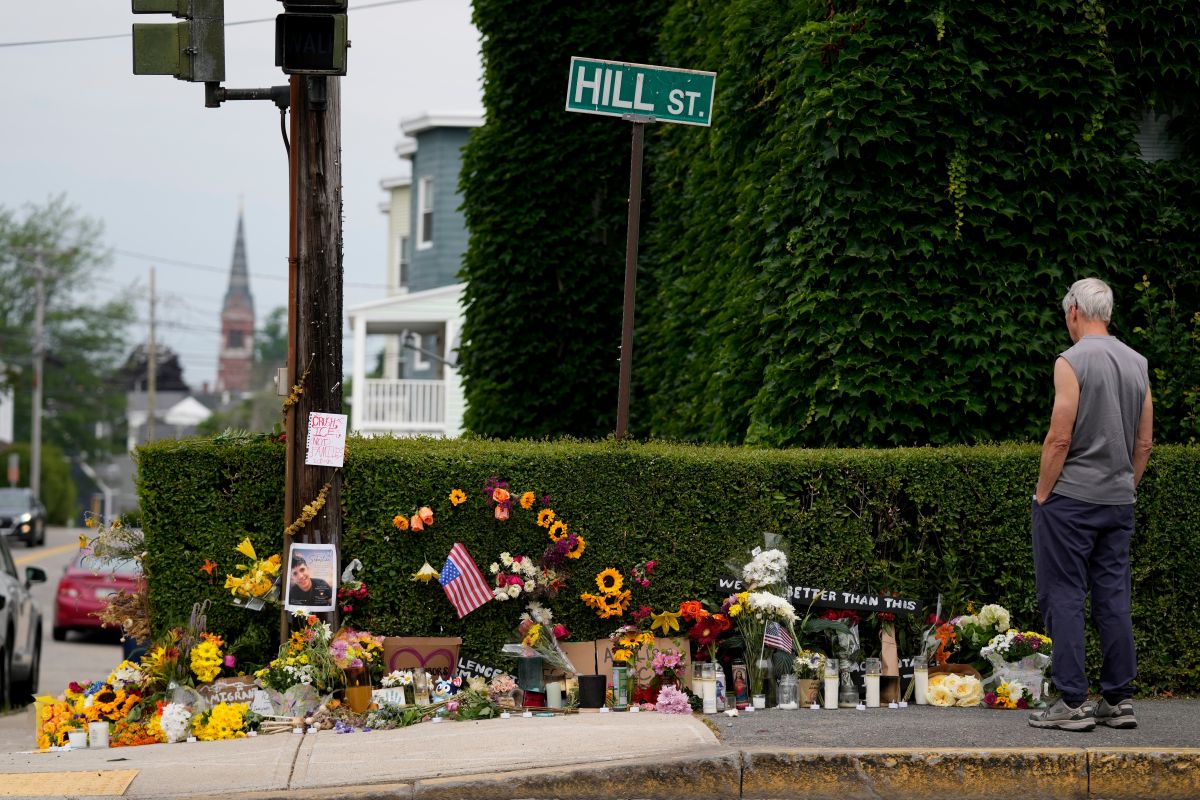
Biddeford shooting renews questions about ICE tactics, training
A review of previous Maine cases show how investigations into use of force often lean heavily on officers’ perception of potential harm.
How You Start is How You Finish? The Slave Patrol and Jim Crow Origins of Policing
Though history books may say otherwise, policing in the United States has its roots in the slave patrols in the South. The institution of policing, and the larger justice system, must reconcile its past to evolve away from its racist roots.

How to Film ICE
Filming federal agents in public is legal, but avoiding a dangerous—even deadly—confrontation isn’t guaranteed. Here’s how to record ICE and CBP agents as safely as possible and have an impact.

Federal agents detained U.S. citizen Sunday morning
Police chief says officers responded to a man with injuries to head, neck and teeth on Howard and made contact with agents involved.

A Digitized New Haven Police: Investigating Axon’s Draft One
Interviews have been lightly edited for clarity. The first image of a police officer that comes to mind is probably of one in action. Few imagine the cop spending hours behind their desk, writing r…
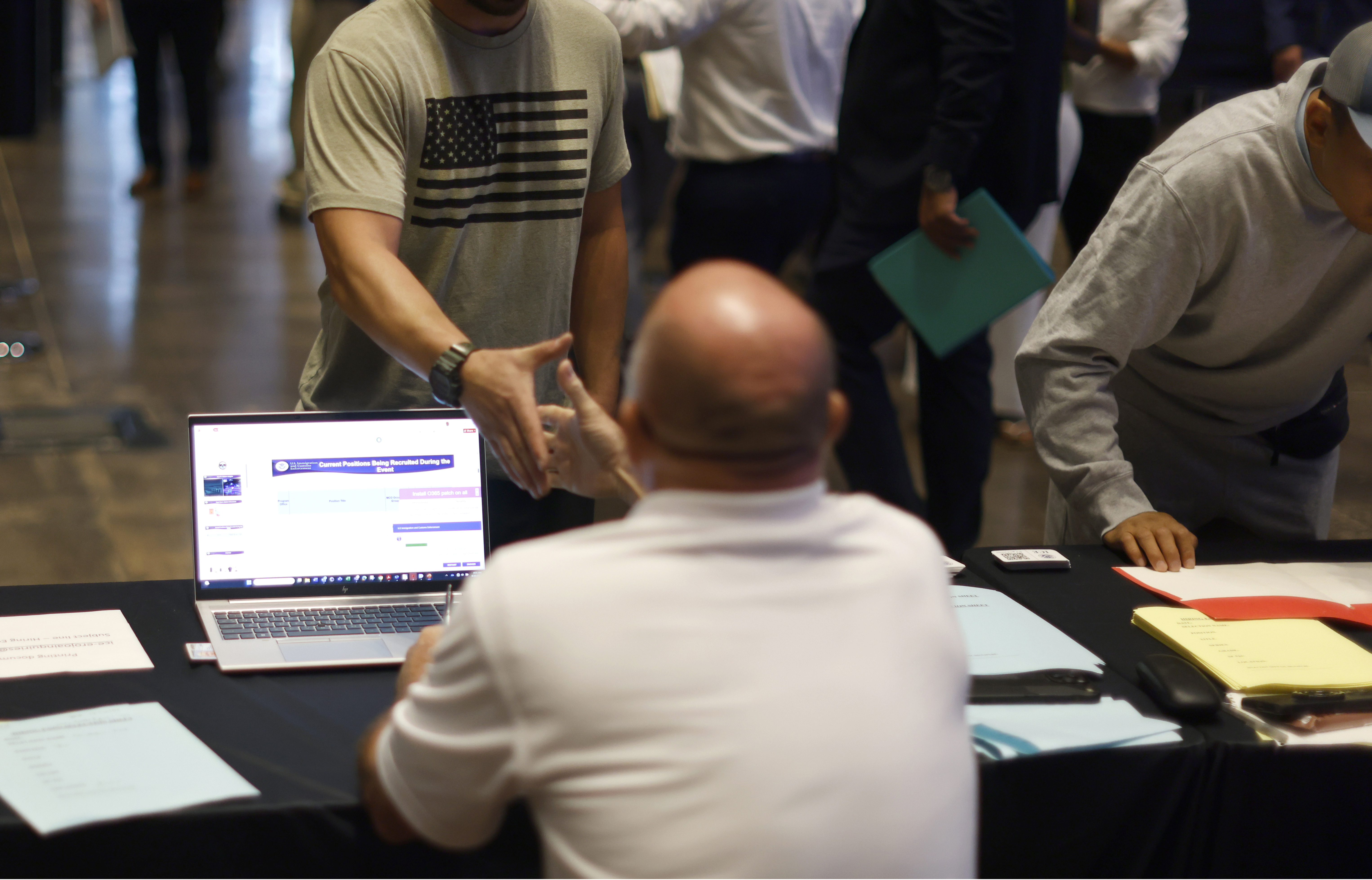
Amid a big hiring push, police experts question ICE officer vetting
The recent fatal shootings by ICE officers in Texas and Maine come at a time when the federal agency has hired a huge number of officers quickly. Some law enforcement experts worry that this kind of a hiring spree can lead police agencies to cut corners in vetting new hires.
Police Records - CalMatters
Search California public records about law enforcement violence and misconduct.
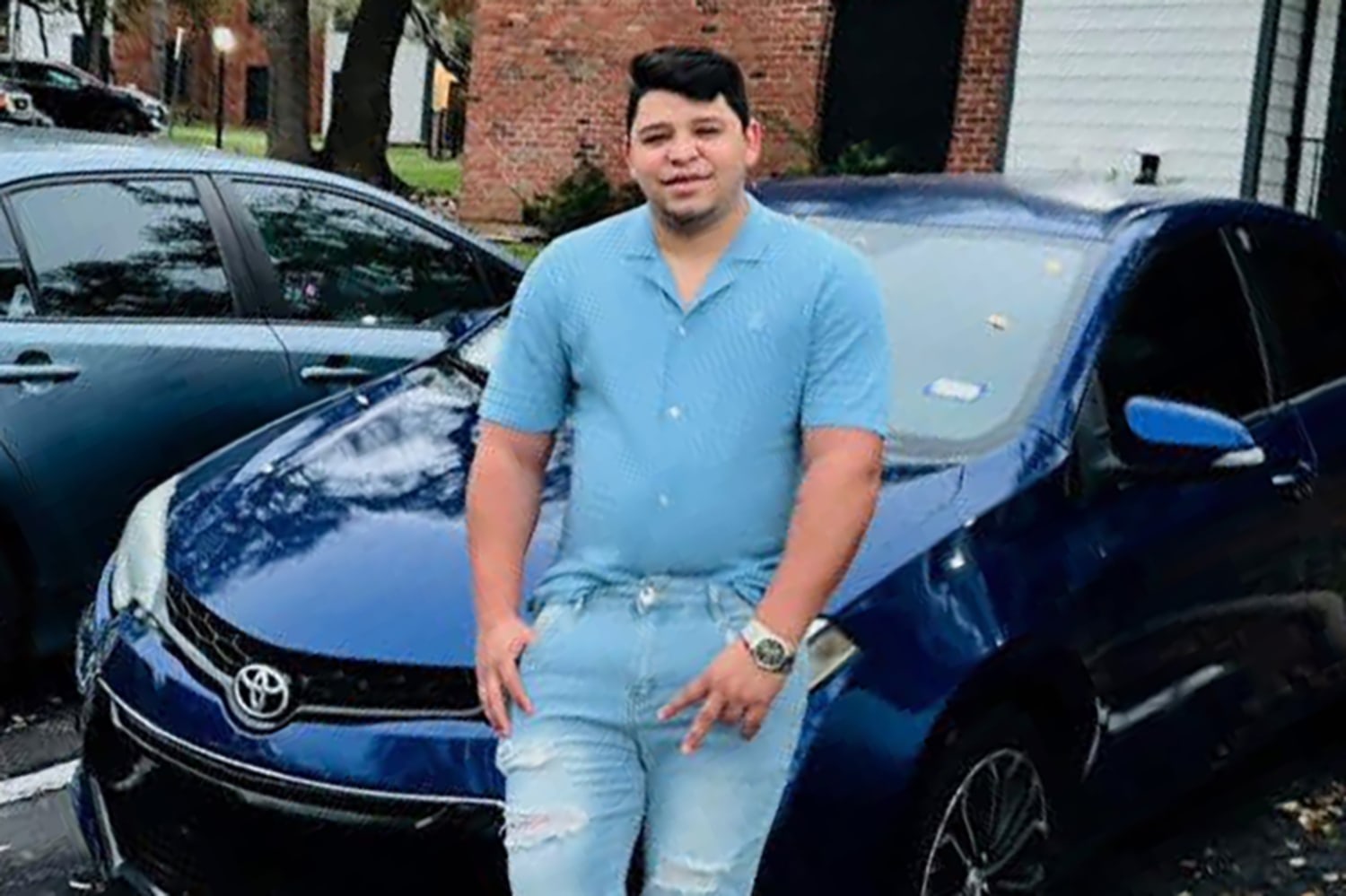
ICE officer shoots Venezuelan man delivering food in Austin, lawyer says
The victim was identified as Wilber Rafael Garcés Pérez, 28, by his immigration attorney. He remains in a “serious but stable condition” after the shooting, authorities said.
A Cognitive View of Policing
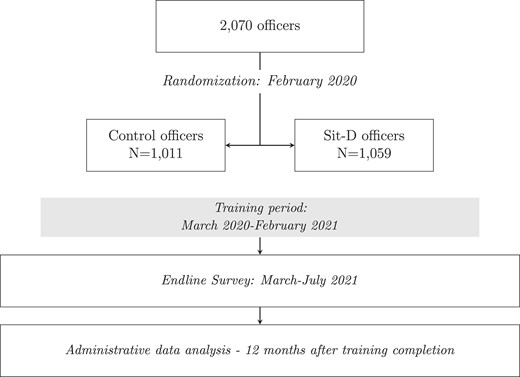
Abstract What causes adverse policing outcomes, such as excessive uses of force and unnecessary arrests? Prevailing explanations focus on problematic officers or deficient regulations and oversight. We introduce an overlooked perspective. We suggest that the cognitive demands inherent in policing can undermine officer decision making. Unless officers are prepared for these demands, they may jump to conclusions too quickly without fully considering alternative ways of seeing a situation. This can lead to adverse policing outcomes. To test this perspective, we created a new training that teaches officers to consider different ways of interpreting the situations they encounter. We evaluated this training using a randomized controlled trial with 2,070 officers from the Chicago Police Department. In a series of lab assessments, we find that treated officers were significantly more likely to consider a wider range of evidence and develop more explanations for subjects’ actions. Critically, we also find that training affected officer performance in the field, leading to reductions in uses of force, discretionary arrests, and arrests of Black civilians. Meanwhile, officer activity levels remained unchanged, and trained officers were less likely to be injured on duty. Our results highlight the value of considering the cognitive aspects of policing and demonstrate the power of using behaviorally informed approaches to improve officer decision making and policing outcomes.
AR 190-55 Has No Firing Squad Protocol and No Livestream. Here Is What It Does Say
On Thursday the Pentagon confirmed that the Army's execution of Nidal Malik Hasan, set for 1 p.m. on December 3 at Fort Hood, will be livestreamed (AP,...
Records Reveal How Homeland Security Agents Surveilled ICE Protesters
Spokane police documents show a DHS task force officer tracing protesters’ cars, identities, and whereabouts without alleging any wrongdoing.

The Deepfake Defense—Exploring the Limits of the Law and Ethical Norms in Protecting Legal Proceedings from Lying Lawyers
Thousands of audiovisual images documented the insurrectionists who stormed the United States Capitol on January 6, 2021. Authorities subsequently collected those images and charged some for their criminal conduct. Given the overwhelming audiovisual evidence implicating the insurrectionists, it should be impossible to assert a plausible defense claiming that those unmistakably depicted in the images were not present. Right? Wrong. As the defense in the federal criminal trial of January 6th insurrectionist leader Guy Reffitt illustrated, the emergence of “deepfakes” has changed the landscape of plausible defenses to crimes. Reffitt led the attack on the Capital. Videos and other visual images showed him at the head of the crowd advancing on the Capitol’s West Terrace. He was arrested and charged with multiple crimes. And although the evidence, including audiovisual images, against Reffitt, was clear and overwhelming, his lawyer undermined it, arguing to the jury that the evidence against Reffitt was a “deepfake” – an audiovisual recording created using Artificial Intelligence technology that allows anyone with a smartphone to believably map one person’s movements and words onto the image of another person. Unfortunately, the law does not provide a clear response to Reffitt’s lawyer’s reliance on deepfakes as a defense. <br><br>But this much is clear—the “deepfake defense” is a new challenge to our legal system’s adversarial process and truth-seeking function. Because the norms of professional ethics require lawyers to advocate zealously, deepfakes invite lawyers to raise objections and arguments to evidence to exploit juror bias and skepticism about what is real. Thus, lawyers may plant the seeds of doubt in jurors’ minds to question the authenticity of all digital audio and visual images, even those counsel knows to be genuine.<br><br>Currently, no rule of procedure, ethics, or legal precedent directly addresses the presentation of the “deepfake defense” in court. The existing standards provide scant guidance because they were developed before the advent of deepfake technology. As a result, they do not solve the concern of how to deter lawyers from exploiting it. Although in the last several years, legal scholarship and the popular news media have addressed certain facets of deepfakes, there has been no in-depth commentary on the “deepfake defense.” This article is the first to explore the deepfake defense, locating it within the historical and current framework of lawyers’ efforts to fabricate evidence and the laws and the practice norms that exist to curb that conduct. It proposes a reconsideration of the ethical rules governing candor, fairness, and the limits of zealous advocacy and urges a re-examination of the court’s role in sanctioning such conduct. Thus, this article offers novel proposals to guide the way forward for lawyers and courts as they traverse this new technological landscape.

Bodyguard
A troubled war veteran is assigned to protect a controversial politician who may be the target of a terror plot.

BREAKING: Evanston police confirm a U.S. citizen was briefly detained by federal agents Sunday morning near Howard and Dodge before being released The man was taken to the hospital for injuries to his head, neck and teeth after agents drove off

Federal agents detained U.S. citizen Sunday morning - Evanston Now
evanstonnow.com
