


The ability to effectively split user stories can make or break your agile implementation. When faced with a massive user story that spans multiple sprints, teams often struggle to deliver incremental value and maintain momentum. The good news? There are proven techniques to break down even the most complex requirements into manageable, valuable chunks of
SPIDR: Five Simple but Powerful Ways to Split User Stories - Mountain Goat Software
Online and in-person training to help you succeed with agile

Design Sprints
A structured, time-boxed process for rapidly exploring problems, generating ideas, and validating solutions with real users.

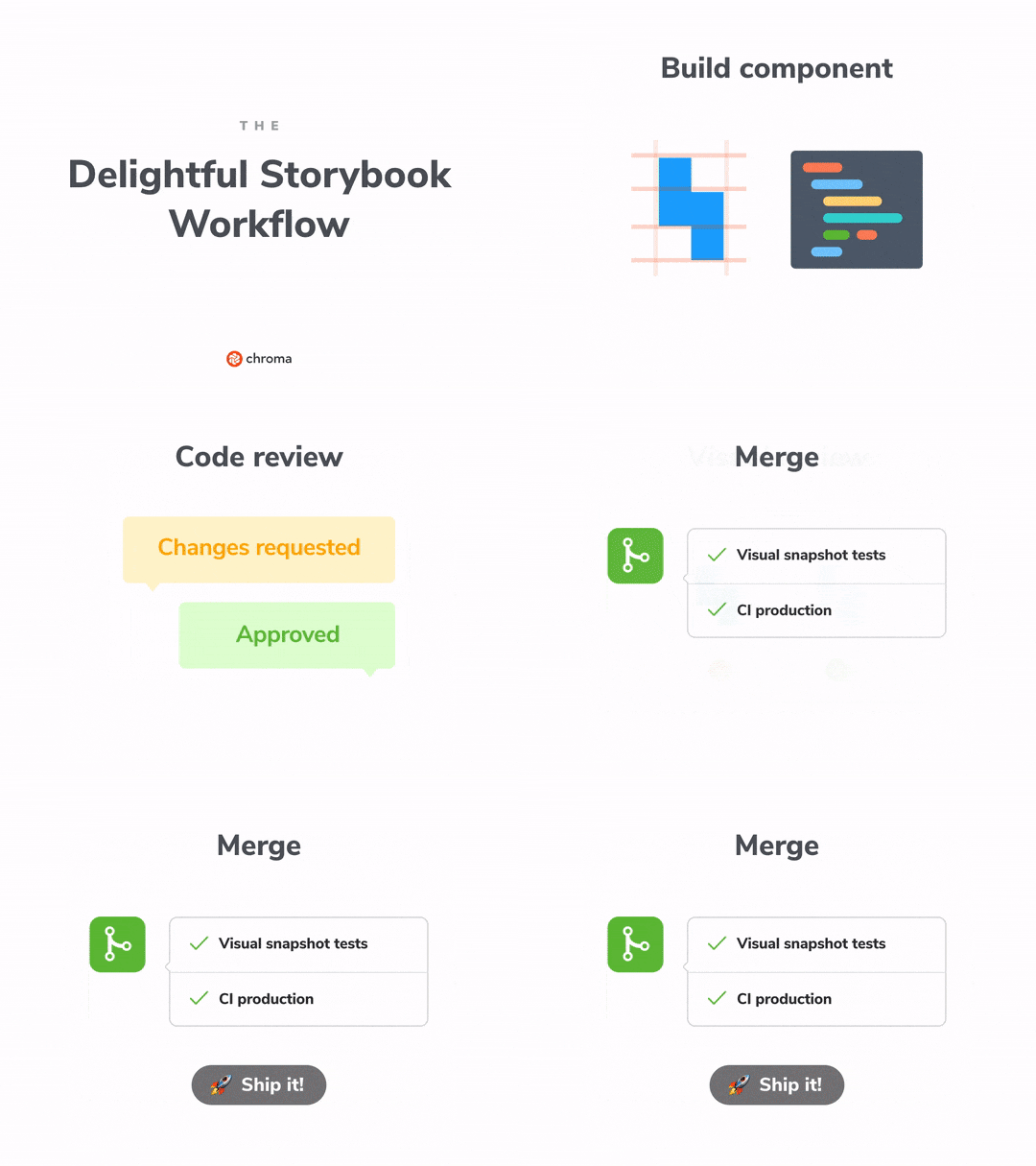
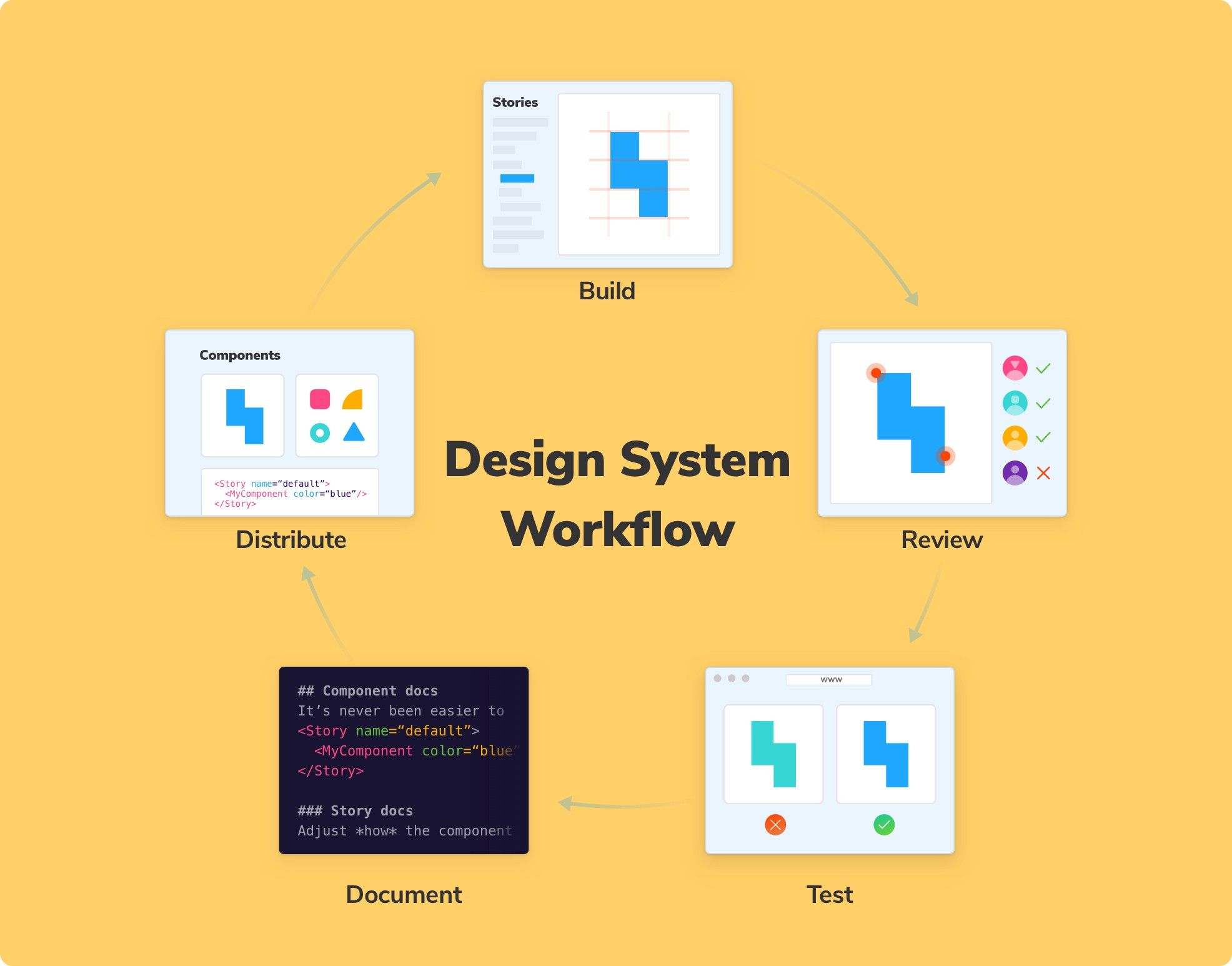
The Delightful Storybook Workflow
How productive teams get the most out of Storybook

MATT THOMPSON
As part of my EngD project, I am creating ways for story authors to easily write narratives with multiple branches, along the lines of the Choose Your Own Adventure stories from the 1990s. Typically, this kind of story authoring is hard, as the number of material that needs to be written increases exponentially with the number of decision points.
Bloom’s Taxonomy – Agile Learning
Twelve Emerging Best practices for Adding UX Work to Agile Development
How experienced UX practitioners have adapted to work happily in Agile environments
How Small Stories Solve Big Problems with Ellie Snowden | Ep. #021
User Story: a Placeholder for a Conversation
User stories are meant to be a placeholder for a conversation. This article dives into the differences between user stories and tickets, where stories came from and how recent trends are moving us away from conversations. It shows the impact this is having on product development and easy ways to improve collaboration through conversation and writing better stories.

Bye Bye Velocity! Kanban metrics as an alternative to story points & velocity.
UI Stories (Assets Showcase Generator)
UI Stories Plugin is a showcase generator that streamlines the design process by organizing and documenting assets. How It Works: – Flexible Selection: Begin by selecting any component, component set, component instance, or design element like frames or shapes. The plugin automatically identifi...

Integrating Narrative into Game Design: A Portal Post-Mortem
How I draft stories
I discovered that trying to write one big blob does not work for me. I can get as far as 2000 words before the volume overwhelms. As with many things in life, breaking it down into pieces helps a lot! This is where most outlining writers suggest a big bulleted
Learn about Lore: next-generation open source version control
Maintained by Epic Games, Lore is designed for unprecedented scalability of both data and teams. It’s optimized for projects that combine code with large binary assets.