

Ohio's new age verification law requiring ID to access adult websites (starting September 29, 2025) fails to protect children while forcing adults to surrender personal data to access legal content. This "small government" Republican law creates a surveillance system that invades privacy without addressing the real online dangers kids face.
Age Verification in the US
We continue to block access to Pornhub in more states that have passed age verification laws.
IACIS 2026 - OpenConf Abstract Submission, Peer Review, and Event Management System
As lawmakers across the United States move to require age verification for access to adult content online, new questions are emerging about the unintended risks these laws create. While intended to protect minors, many of these policies rely on systems that collect and store overly sensitive personal information such as government-issued IDs or biometric data without adequate safeguards. This introduces serious cybersecurity vulnerabilities, privacy concerns, and potential legal liability for platforms and users alike. Some major platforms have already withdrawn from certain states rather than comply, raising questions about the real-world feasibility of these laws. This study examines the intersection of digital privacy, cybersecurity, and legal compliance in the context of mandatory age verification. It analyzes the risks posed by identity-based and biometric systems, the role of third-party vendors, and the inconsistencies in how states define and enforce these requirements. The paper evaluates several age verification models and concludes that attribute-based verification systems that confirm age eligibility without revealing full identities offers the most secure and privacy-conscious path forward. The findings underscore a critical need for better-designed legislation that balances child protection with digital rights and security. This research provides targeted recommendations for policymakers, platform operators, and cybersecurity professionals, urging a shift toward transparent, accountable, and technically sound solutions before flawed systems become entrenched.
Age-Verification Laws Seek to Erase LGBTQ+ Identity from the Internet
Age-verification laws are weaponized to censor LGBTQ+ and abortion-related content online under the guise of protecting children from porn.

The Age-Gated Internet Is Sweeping the US. Activists Are Fighting Back
Half of the country now requires age verification to watch porn or access “harmful” content. Digital rights advocates are pushing back against legislation they say will make the internet less safe.

Online age-verification tools spread across U.S. for child safety, but adults are being surveilled
New age-verification laws and tools are designed for child safety on social media and the internet, but adults are in the crosshairs, say privacy experts.

Teen and Parent Perspectives on Approaches to Age Verification
Age verification (AV) is being rolled out by online services to comply with new laws in Europe and across states in the United States. Proposed legislation at the federal level in the U.S., such as the Kids Off Social Media Act and the Kids Online Safety Act, may also result in increased adoption of AV […]

What Would Online Age Verification Mean for Speech, Privacy, and Youth Online Safety?
Ineffective, Unconstitutional, and Dangerous: The Problem with Age Verification Mandates – Action Center
In the wake of Louisiana’s new law mandating the use of age verification (AV) on adult content websites, a flurry of copycat legislation has been introduced by well-meaning but poorly-informed politicians who don’t understand the real-world impacts of the laws they are proposing.
Age verification on porn sites is putting queer adult industry workers at risk
The laws requiring digital age checks — sold as child protection — are tanking the income of adult industry workers, risking their safety and even forcing them out of business.

The Year States Chose Surveillance Over Safety: 2025 in Review
2025 was the year age verification went from a fringe policy experiment to a sweeping reality across the United States. Half of the U.S. now mandates age verification for accessing adult content or
Age verification is coming for the internet — and it’s already raising red flags
Legislative efforts to age-gate parts of the internet are gaining traction. Some experts warn of compliance complications and data security breaches.

Supreme Court Upholds Age Verification: A Game-Changer for Child Online Safety Laws – Public Interest Privacy Center
New Idaho Law mandates parental consent and age verification for social media - Local News 8
A new law intends to regulate and limit social media use for Idaho minors, but critics warn the state could be walking into a lawsuit. On April 2nd, Governor Brad Little officially signed House Bill 542, the Stop Addictive Social Media Act, into law. The legislation aims to curb the influence of social media on Idaho's youth by mandating age verification and stripping platforms of features the bill's sponsors deem "addictive."

Site Blocking and Age Verification for Twitter, Instagram, Snap and Twitch?: Age Verification Lobby Confirms it Wants Bill S-210 to Cover All Social Media Sites - Michael Geist
Bill S-210 - the Protecting Young Persons from Exposure to Pornography Act - burst onto the public scene late last year as a majority of the House voted for the bill at second reading, sending it to the Public Safety committee for review. The bill, which is the brainchild of Senator Julie Miville-Dechêne, was supported by the Conservatives, Bloc and NDP with a smattering of votes from backbench Liberal MPs (the cabinet voted against, signalling it is not supported by the government). The bill raises significant concerns with the prospect of government-backed censorship, mandated age verification to use search engines or social media, and a framework for court-ordered website blocking (I appeared before the Senate committee that studied by the bill in February 2022, arguing that “by bringing together website blocking, face recognition technologies, and stunning overbreadth that would capture numerous mainstream services, the bill isn’t just a slippery slope, it is an avalanche.”). In response to the public criticism of the bill, Senator Julie Miville-Dechêne has suggested that concerns about it extending to general purpose social media sites is overstated since the intent is to target adult content sites. Yet that is not what the bill provides as it applies to anyone who makes sexually explicit material available on the Internet for commercial purposes:
U.S. Social Media Regulations for Minors
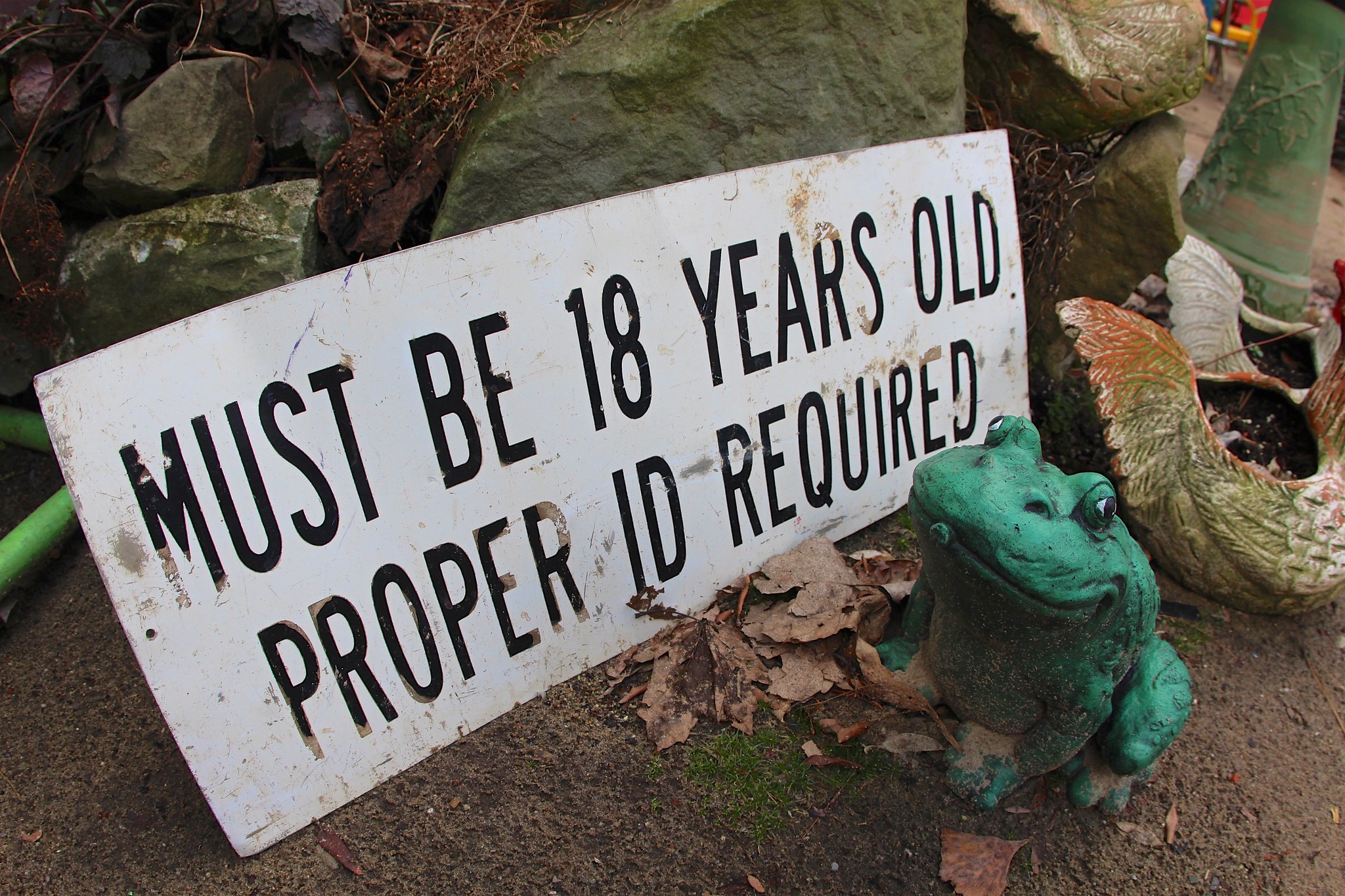
The digital lives of American children and teenagers have become a focal point of intense national debate and legislative action. ContentsThe Federal Foundation: The Children’s Online Privacy Protection Act (COPPA)The State-Level Surge: A Patchwork of New RulesThe Next Generation of Federal Law: Congress Weighs InThe Constitutional Crossroads: Free Speech vs. State RegulationThe Great Debate: Voices […]

Social media age verification laws in the United States
In the United States, age verification laws for social media are ostensibly designed to limit young people's access to content deemed problematic such as pornography and to reduce the negative impact of social media on the mental health and well-being of children and adolescents.
