

CCFS cryptographically curated file system
The Internet was originally designed to be a next-generation phone system that could withstand a Soviet attack. Today, we ask the Internet to perform tasks that no longer resemble phone calls in the face of threats that no longer resemble Soviet bombardment. However, we have come to rely on names that can be subverted at every level of the stack or simply be allowed to rot by their original creators. It is possible for us to build networks of content that serve the content distribution needs of today while withstanding the hostile environment that all modern systems face. This dissertation presents the Cryptographically Curated File System (CCFS), which offers five properties that we feel a modern content distribution system should provide. The first property is Strong Links, which maintains that only the owner of a link can change the content to which it points. The second property, Permissionless Distribution, allows anyone to become a curator without dependence on a naming or numbering authority. Third, Independent Validation arises from the fact that the object seeking affirmation need not choose the source of trust. Connectivity, the fourth property, allows any curator to delegate and curate the right to alter links. Each curator can delegate the control of a link and that designee can do the same, leaving a chain of trust from the original curator to the one who assigned the content. Lastly, with the property of Collective Confidence, trust does not need to come from a single source, but can instead be an aggregate affirmation. Since CCFS embodies all five of these properties, it can serve as the foundational technology for a more robust Web. CCFS can serve as the base of a web that performs the tasks of today’s Web, but also may outperform it. In the third chapter, we present a number of scenarios that demonstrate the capacity and potential of CCFS. The system can be used as a publication platform that has been re-optimized within the constraints of the modern Internet, but not the constraints of decades past. The curated links can still be organized into a hierarchical namespace (e.g., a Domain Naming System (DNS)) and de jure verifications (e.g., a Certificate Authority (CA) system), but also support social, professional, and reputational graphs. This data can be distributed, versioned, and archived more efficiently. Although communication systems were not designed for such a content-centric system, the combination of broadcasts and point-to-point communications are perfectly suited for scaling the distribution, while allowing communities to share the burdens of hosting and maintenance. CCFS even supports the privacy of friend-to-friend networks without sacrificing the ability to interoperate with the wider world. Finally, CCFS does all of this without damaging the ability to operate search engines or alert systems, providing a discovery mechanism, which is vital to a usable, useful web. To demonstrate the viability of this model, we built a research prototype. The results of these tests demonstrate that while the CCFS prototype is not ready to be used as a drop-in replacement for all file system use cases, the system is feasible. CCFS is fast enough to be usable and can be used to publish, version, archive, and search data. Even in this crude form, CCFS already demonstrates advantages over previous state-of-the-art systems. When the Internet was designed, there were relatively fewer computers that were far weaker than the computers we have now. They were largely connected to each other over reliable connections. When the Internet was first created, computing was expensive and propagation delay was negligible. Since then, the propagation delay has not improved on a Moore’s Law Curve. Now, latency has come to dominate all other costs of retrieving content; specifically, the propagation time has come to dominate the latency. In order to improve the latency, we are paying more for storage, processing, and bandwidth. The only way to improve propagation delay is to move the content closer to the destination. In order to have the content close to the demand, we store multiple copies and search multiple locations, thus trading off storage, bandwidth, and processing for lower propagation delay. The computing world should re-evaluate these trade-offs because the situation has changed. We need an Internet that is designed for the technologies used today, rather than the tools of the 20th century. CCFS, which regards the trade-off for lower propagation delay, will be better suited for 21st-century technologies. Although CCFS is not preferable in all situations, it can still offer tremendous value. Better robustness, performance, and democracy make CCFS a contribution to the field. Robustness comes from the cryptographic assurances provided by the five properties of CCFS. Performance comes from the locality of content. Democracy arises from the lack of a centralized authority that may grant the right of Free Speech only to those who espouse rhetoric compatible with their ideals. Combined, this model for a cryptographically secure, content-centric system provides a novel contribution to the state of communications technology and information security.
The Surprising History of Copyright and The Promise of a Post-Copyright World – Question Copyright
(See also other available formats for the English, such as EPUB, Daisy, PDF, etc.)
Help Fix Copyright: Send a Rebellious Selfie to European Parliament (Really!) | The Mozilla Blog
The EU’s proposed copyright reform keeps in place retrograde laws that make many normal online creative acts illegal. The same restrictive laws will stif
Book publishers sue Meta over AI’s ‘word-for-word’ copying
Meta is accused of ripping copyrighted works from piracy websites.


Open source is NOT a business model (and your business will fail if you think that it is)
I do not agree to the use of my copyrighted content for the training of AIs, LLMs, or similar technologies.
Meta’s Copyright System Is Being Weaponized Against Albanian Protesters
After three months of daily anti-government protests—dubbed the Flamingo Revolution—the sudden mass suspension of Instagram accounts has led to fears of brigading against demonstrators.

Seeking Comment: Copyright Notice Recommendation
first stab at a pragmatic best-practice guide
the Enshittification of Cozy Games
Unlicense Yourself: Set Your Code Free
An initiative to help software developers waive their copyright and dedicate their work to the public domain by offering a standard template and process for disclaiming copyright interest in software, both for original authorship and for contributions.
Sorting out the Ethical Licensing Mess
Software developers who give the world, for free, usage rights to the code they write often use open source licenses to make this gift legally explicit. These free usage rights (and then some) are …

Copyright and DMCA Best Practices for Fediverse Operators
People building the future of the social web—interoperable and decentralized—need to protect themselves against copyright liability. This post gives an overview of the steps to take. It’s meant for
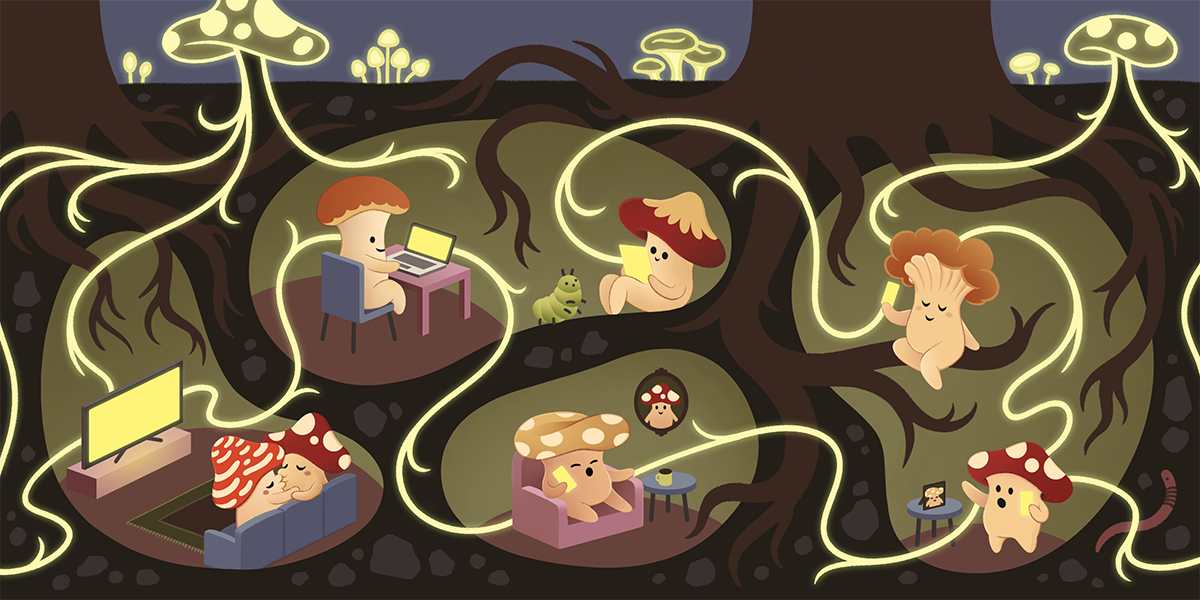
OpenAI Can’t Fix Sora’s Copyright Infringement Problem Because It Was Built With Stolen Content
OpenAI’s guardrails against copyright infringement are falling for the oldest trick in the book.
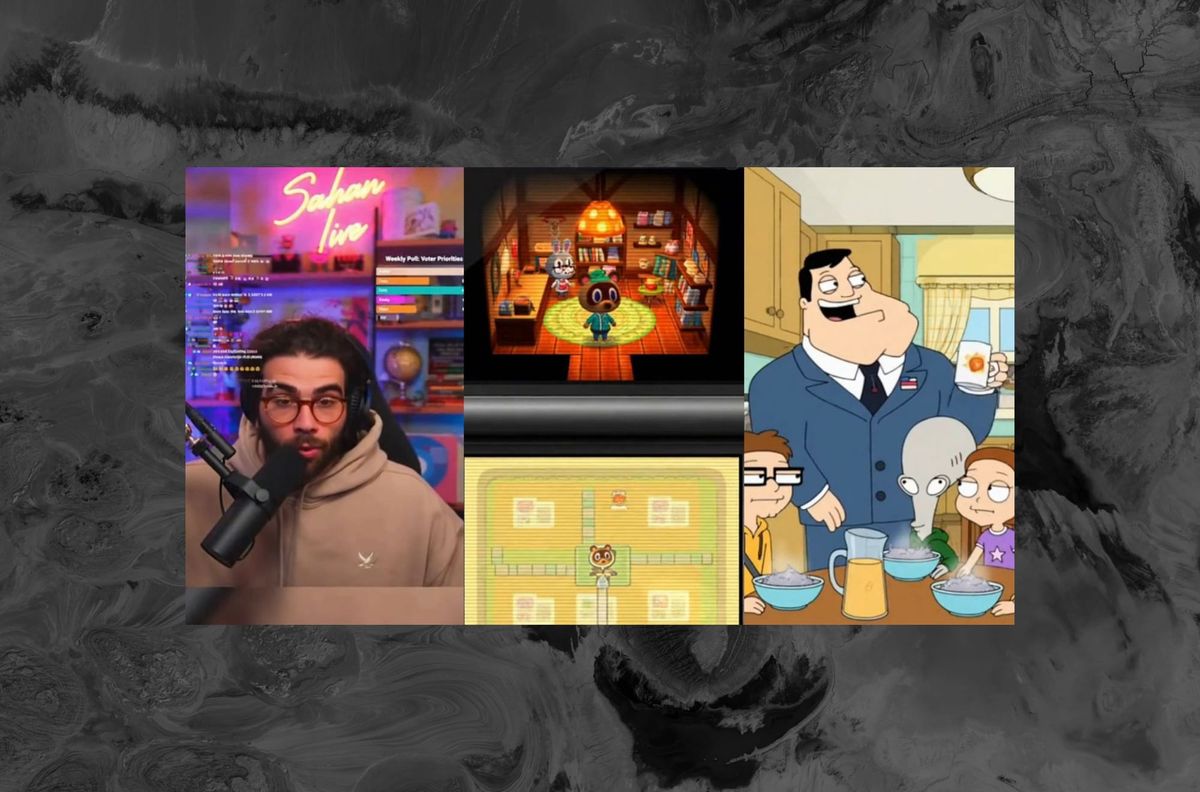
15 Open-Source Tools for Digital Sovereignty (2026) | Comparisons & Alternatives | Vucense
Own your digital stack. The 15 best open-source tools for privacy, security, and full control over your data — reviewed and ranked for 2026.
Software Sharing for Modern Companies | Fair.io
Fair Source is an alternative to closed source, allowing you to safely share access to your core products. Fair Source Software (FSS) can be used with minimal restrictions, and becomes Open Source after a period of time.
Software Sharing for Modern Companies | Fair.io
Fair Source is an alternative to closed source, allowing you to safely share access to your core products. Fair Source Software (FSS) can be used with minimal restrictions, and becomes Open Source after a period of time.