

Exploring the math and intuition behind blend modes in the browser
Every blend mode explained · Sketch Blog
Learn how to use blend modes in Sketch to give your designs that extra polish.
"Real" Mixins with JavaScript Classes
Mixins and JavaScript are a like the classic Clint Eastwood movie.

Whimsical Animations
Learn how to create charming interactions and delightful touches using the magic of CSS, JavaScript, SVG, and Canvas. I’m sharing all my tricks in this one!

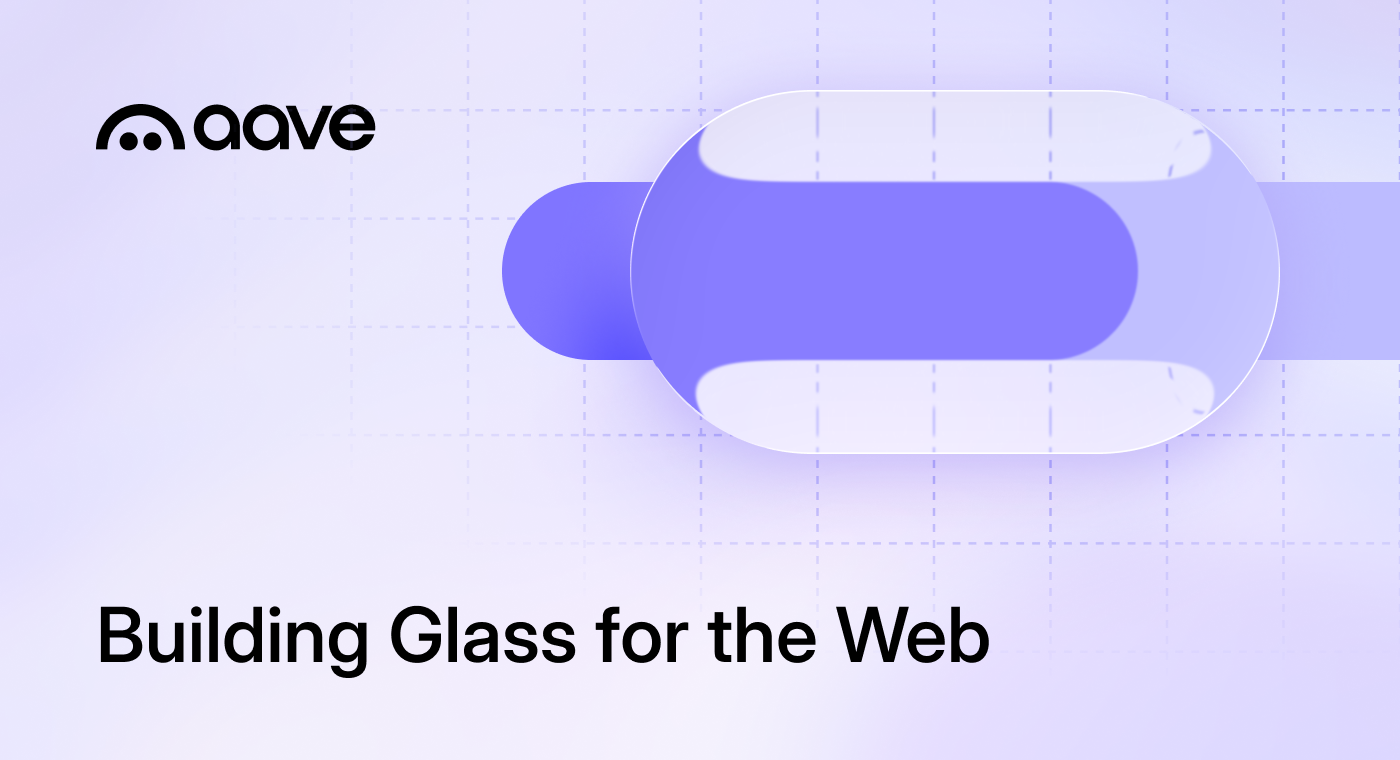
Building Glass for the Web
How we built a cross-browser glass effect for the web, and how it shapes a family of components.
Solving Performance for 2D & 3D Web Apps: Finally!
(Re)defining Blender — Blender Developers Blog
It's a recurring event for a lively project like Blender that the UI, usability, design, focus or other important principles pop up as topics for discussion.

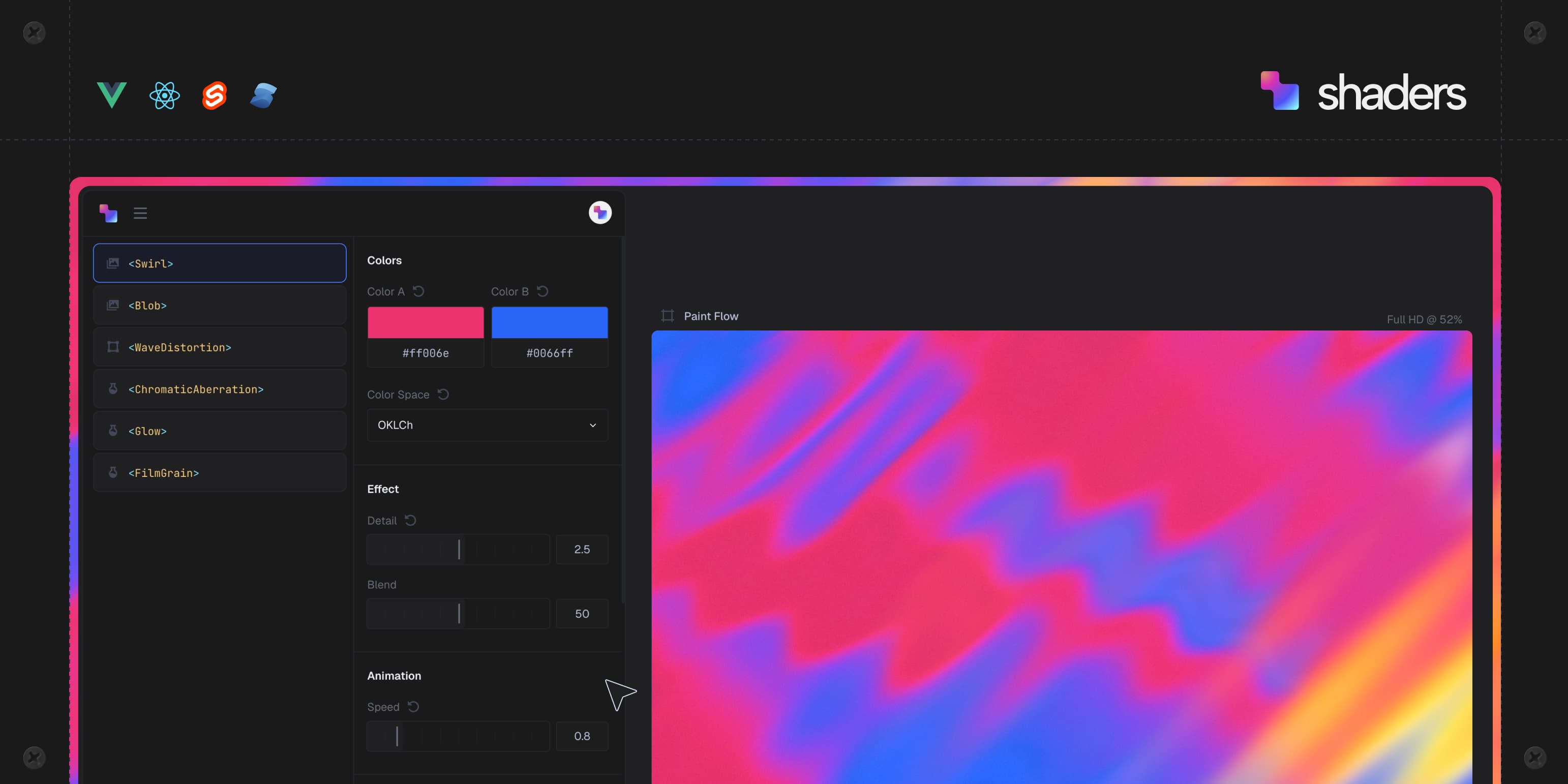
Shaders
Component library for creative WebGPU effects in modern frontend frameworks. Compose interactive visuals for Vue, React, Svelte and Solid.
Adventures in Neural Rendering
In recent years, neural networks have started to find their way into many areas of rendering. While antialiasing and upscaling are probably the most well‑known uses, they’re far from the only ones—…

The Blog of Maxime Heckel
Hi I'm Maxime, and this is my blog. In here, you'll find all the articles I wished I had when I was learning about web development, shaders, real-time 3D on the web, and more. Each piece I write aims to dive deep into the topics I'm passionate about, while also making complex topics more accessible through interactive playgrounds, visualization, and well detailed walkthroughs. My goal is to give you the tools and intuition to explore further on your own.

Svelte Components Explained: Props & Composition Made Simple
Quick question: why do modern apps feel so smooth, even though they’re insanely complicated under the...

Three.js From Zero — Creative Web 3D for Artists · MasterAllArts
Learn Three.js as part of the MasterAllArts creative 3D roadmap: turn drawings, models, shaders, and portfolio ideas into interactive Web 3D scenes. Free articles with live demos.

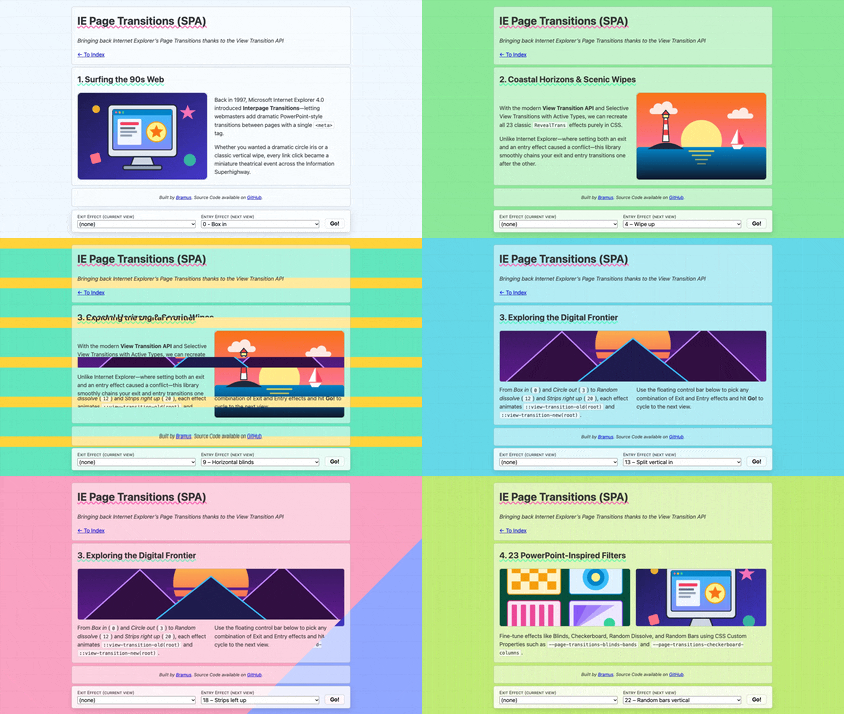
Bringing Microsoft Internet Explorer’s proprietary “Interpage Transitions” back to Modern Browsers using the View Transition API
Back in late 2024, I started working on a fun end-of-year side project named ie-page-transitions. It”s a CSS + JS library that brings back Microsoft Internet Explorer’s proprietary “Interpage Transitions” to modern browsers, powered by the View Transition API. After sitting unfinished for a while, I finally got all 23 classic effects over the finish line and published the project on page-transitions.style.
Bringing Microsoft Internet Explorer’s proprietary “Interpage Transitions” back to Modern Browsers using the View Transition API
Back in late 2024, I started working on a fun end-of-year side project named ie-page-transitions. It”s a CSS + JS library that brings back Microsoft Internet Explorer’s proprietary “Interpage Transitions” to modern browsers, powered by the View Transition API. After sitting unfinished for a while, I finally got all 23 classic effects over the finish line and published the project on page-transitions.style.
Evolving the infinite canvas
In the digital world, especially on the web, we’re used to things being stacked vertically. Scrolling, scrolling, through boxes of content,
flo-bit/stylized-dioramas
Six interactive Three.js dioramas — one collection of small worlds