
What AI-optimized schools misunderstand about learning
Thinking Fast, Slow, Artificially: AI and Your Brain
AI can boost your decisions — or quietly undermine them. Wharton researchers introduce a new theory of cognition that every leader needs to understand.

Artificial intelligence, cognitive offloading and implications for education
This report investigates a profound new challenge driven by rapidly expanding use of artificial intelligence (AI) in schooling: the risk that students will outsource too much of the cognitive work that is crucial to establishing the knowledge, skill and ‘thinking infrastructure’ that enables both schooling success and lifelong capacity for ongoing learning and understanding.There is a growing body of evidence that using AI can short-circuit the cognitive effort required for sustainable, deep learning, with potentially long-term consequences. This cognitive offloading from human to AI is especially risky for school students (‘novice’ learners who are building foundational knowledge and skills) when they turn to AI as a tempting substitute, not an amplifier, increase their dependency on the tool and lose access to deeper learning and critical thinking capabilities. It also introduces extra equity risks for disadvantaged students.The report reviews the cognitive science behind this concerning shift and the growing evidence of its impact. It also outlines how these harmful effects can be counteracted through specific teaching and learning strategies and effective design of AI education technology, anchored on bolstering the central role of teachers. It includes specific recommendations for policy and teaching and learning strategies.
Does AI stop children from learning?
New data show the peril and promise of the technology

Artificial intelligence, cognitive offloading and implications for education
This report investigates the challenge driven by the rapidly expanding use of artificial intelligence (AI) in schooling: the risk that students will outsource too much of the cognitive work that is crucial to establishing knowledge, skill and ‘thinking infrastructure’. The report includes specific recommendations for policy and teaching and learning strategies.
The 50 Percent Problem
Empirical evidence of the educational harm of generative AI
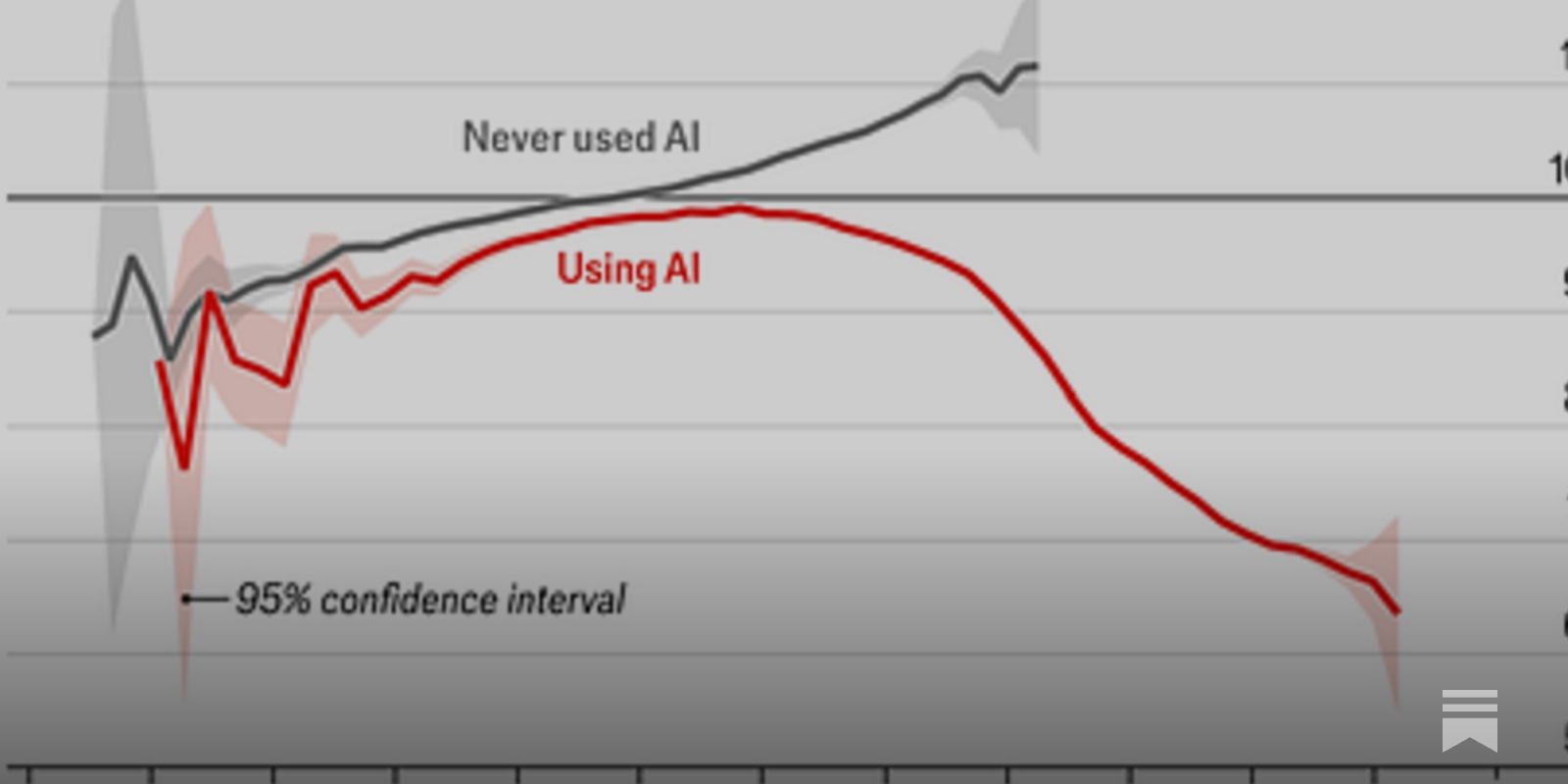
The 50 Percent Problem
Empirical evidence of the educational harm of generative AI
Study explores how AI use affects performance on math and reasoning tasks - Berkeley News
A UC Berkeley researcher co-authored a study that raises profound questions about how we interact with artificial intelligence in education — and daily life.

AI in the workplace vs. AI in education
Quoting Dan Willingham: Students should only use AI for things that they already know how to do well.
Less is more, more or less
In the age of AI, knowing what not to build might be the most important skill of all.
Mayor Mamdani and Chancellor Samuels Put Students First with Nation’s Broadest Generative AI Moratorium in Schools
NEW YORK – Mayor Zohran Kwame Mamdani and Schools Chancellor Kamar H. Samuels today announced a moratorium on student-facing generative Artificial Intelligence (AI) use in schools, alongside a new screen time policy, a decision that will impact nearly 600,000 public school students, or two-thirds of the system’s total enrollment. The policy establishes a one-year moratorium, effective in the 2026-2027 school year, on student-facing generative AI for children in 2-K through 8th grade. It also introduces twice-yearly AI critical thinking modules for high schoolers, limited AI pilots for a small number of high school classrooms and age-appropriate screen time restrictions.

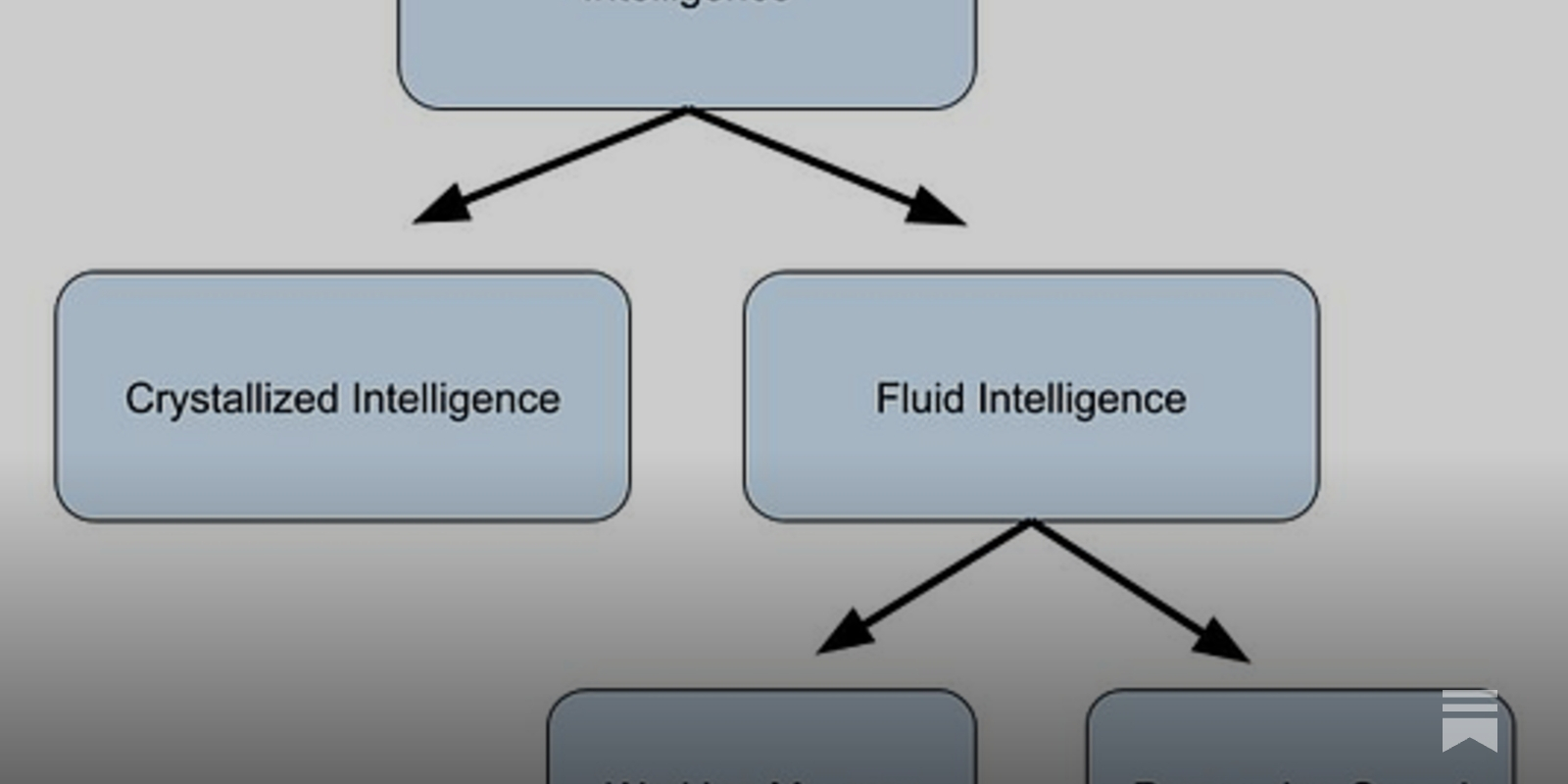
Why Some Students Learn Faster
A hypothesis about teaching and learning
Why Some Students Learn Faster
A hypothesis about teaching and learning
Why Some Students Learn Faster
A hypothesis about teaching and learning
AI Is Routine for College Students, Despite Campus Limits
A majority of U.S. college students use artificial intelligence in their coursework at least weekly, yet about half say their schools discourage or prohibit it.

AI in education is a public problem
Photo by Mick Haupt on Unsplash Over the past year or so, a narrative that AI will inevitably transform education has become widespread. You can find it in the pronouncements of investors, tech ind…

Google will let schools skip AI tools, but they have to give up search, too
Google will offer schools AI tools that purportedly don't give away the answers.