SUMA-Kit is an open-source software toolkit for building search engines written in Rust. While SUMA-Kit is compatible with large indexes like the European Open Web Index or news index data from Mastodon, a simple search engine can be built with just SUMA-Kit and a config file. SUMA-Kit provides a web server and takes care of all the technicalities. SUMA-Kit specifically targets commodity hardware and supports open standards like the OpenSearch protocol to enable easier entry into search engine building.
Summarizer - Web APIs | MDN
The Summarizer interface of the Summarizer API contains all the functionality for this API, including checking AI model availability, creating a new Summarizer instance, using it to generate a new summary, and more.
OpenSearch description format - XML | MDN
The OpenSearch description format can be used to describe the web interface of a search engine. This allows a website to describe a search engine for itself, so that a browser or other client application can use that search engine. OpenSearch is supported by (at least) Firefox, Edge, Safari, and Chrome. (See Reference Material for links to other browsers' documentation.)
NLnet; Welcome to NLnet Foundation
We support organisations and people who contribute to an open internet for all. We fund projects that help fix the internet through open hardware, open software, open standards, open science and open data. After its historical contribution to the early internet in Europe in the 1980's, NLnet has been financially supporting the open internet since 1997.
Introduction
A complete search engine and RAG pipeline in your browser, server or edge network with support for full-text, vector, and hybrid search in less than 2kb.
tantivy
Tantivy is a full-text search engine library inspired by Apache Lucene and written in Rust
A fediverse look at NLnet’s latest grant round
NLnet has announced their latest funding, I take a quick look at all the fediverse related projects that got funding.

Meilisearch: Unified Search & AI Retrieval Platform
Build lightning-fast search and AI retrieval with Meilisearch. Open-source, developer-friendly search engine trusted by 20,000+ teams worldwide.
Introducing NLWeb: Bringing conversational interfaces directly to the web - Source
Today Microsoft is introducing NLWeb, an open project designed to simplify the creation of natural language interfaces for websites—making it easy to turn any site into an AI-powered app. Learn more about the technology and how web publishers can get started below.
The Novel Engines: Servo (Web Ecosystem Health Part X) | Igalia - Open Source Consulting and Development
An open source consulting firm with deep expertise in browsers, graphics, compilers and Linux, contributing to WebKit, Chromium, Mesa and GStreamer
Staan — The European Search API for developers & AI
An independent European web search index. Real-time, source-cited results from €2 per 1,000 requests — 1,000 free each month.

npms
npms was built to empower the javascript community by providing a better and open sourced search for node modules.
#opensource | Andre Zayarni | 61 comments
We have a long history with MongoDB. Many years ago, when I was still writing code myself, NoSQL was a novel concept. I was sold on its simplicity and natural compatibility with the Node stack. I used Mongo for all my side projects. For work, we still preferred SQL DBs, though. Fast forward to the early days of Qdrant, MongoDB Ventures reached out, and we had several conversations; they considered investing in our seed round. Their product managers and engineers were reaching out and praising our solution. At some point, they revealed that they are going to add vectors to their Atlas search product just by using Lucene. So what, who cares? At Qdrant, we’re not retrofitting anything. We’re building a dedicated vector search engine - from the ground up. If someone wants to replicate what we do? Go ahead, we are #opensource. But here’s where it gets frustrating. We have put in the hard work building our community and attracting prominent people in the AI landscape to use our product and create content about it. We have built our Qdrant Stars program to engage with the community even closely. qdrant.tech/stars So, what does it have to do with Mongo? Well, they just made a clever shortcut and reached out to our Qdrant Stars program members and influencers from our community, making them an offer they could not decline. I do not blame the content creators, it is their daily work and it is an excellent opportunity for them, guys, I can totally understand you, no worries. But let's call it what it is: A multi-billion-dollar company is now trying to buy its way into a community built by an early-stage startup, not them. We don’t fear competition. But when the incumbents start copying your strategy and poaching your community, it says one thing loud and clear: We’re making the right people nervous. We’ll never outspend Mongo, and we don’t need to. We have something they can’t copy or buy: a fast-growing, mission-driven, technically superior open platform - and a community that sees through the noise. So to the engineers, researchers, and creators who believe in open innovation, performance that doesn’t compromise, and communities that are earned, not acquired: you know where to find us. And to the MongoDB marketing geniuses: take on Elastic, take on Redis, take on Oracle, and others of your calibre, but leave Qdrant and other startups like us alone. | 61 comments on LinkedIn

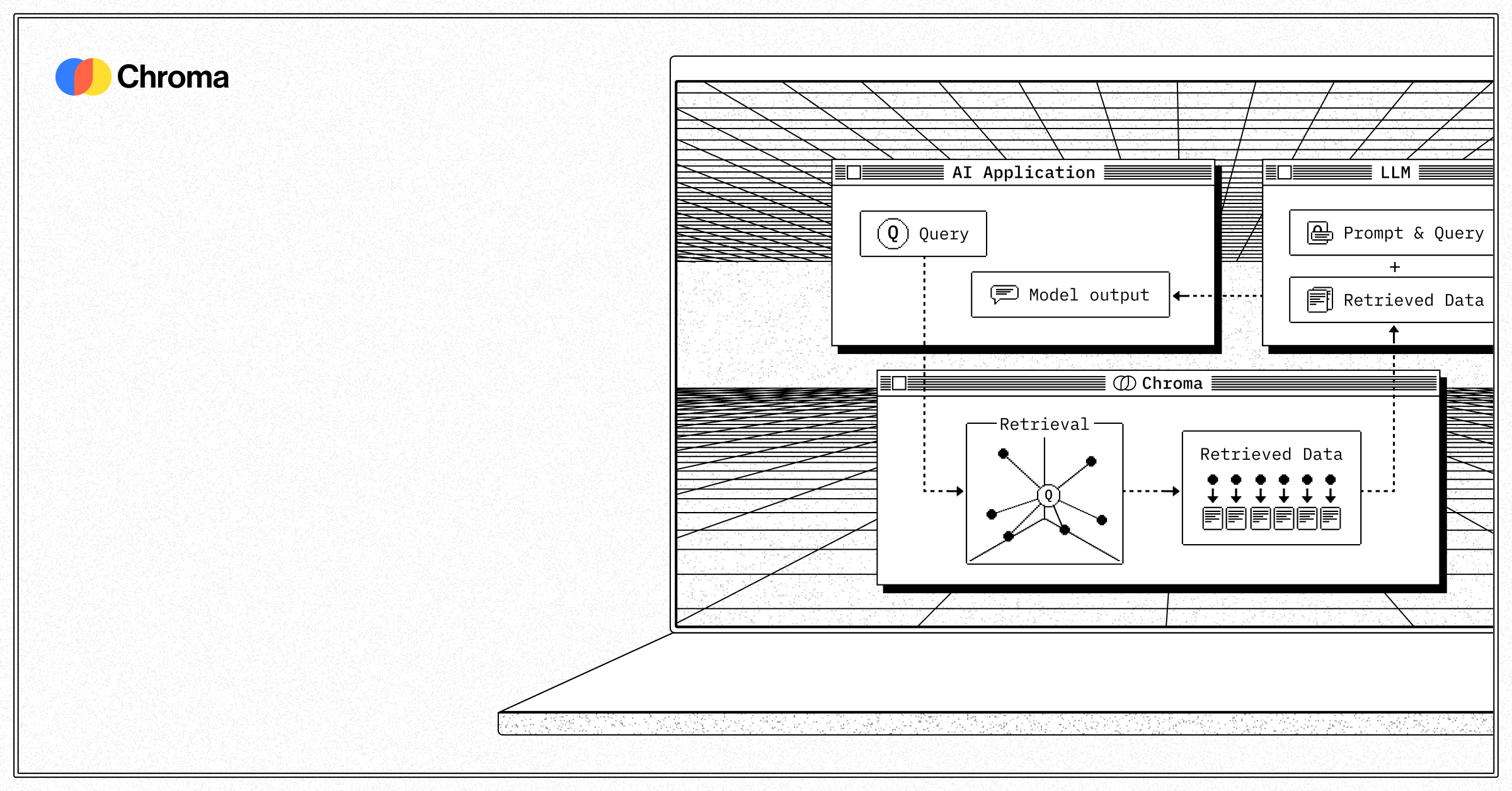
Chroma - open-source search infrastructure for AI
Open-source search infrastructure for AI