


Deep sleep or slow wave sleep is well-known to be beneficial for mental and physical well-being. In this case study, we use InfraNodus text analysis tool to conduct a review of scientific literature on deep sleep to discover the factors that increase its duration. We put particular emphasis on behavioral changes that can be implemented in everyday life.
Sleep Science: In the Era of Screens, Rest is Crucial
Our floodlit society has made sleep deprivation a lifestyle. But we know more than ever about how we rest—and how it keeps us healthy.

<em>Journal of Sleep Research</em> | ESRS Journal | Wiley Online Library
Napping is a cross-cultural phenomenon which occurs across the lifespan. People vary widely in the frequency with which they nap as well as the improvements in alertness and well-being experienced. T...

The effects of physical activity on sleep architecture and mood in naturalistic environments
Physical activity has been found to alter sleep architecture, but these effects have been studied predominantly in the laboratory and the generalizability of these findings to naturalistic environments and longer time intervals, as well as their psychological effects, have not been evaluated. Recent technological advancements in wearable devices have made it possible to capture detailed measures of sleep outside the lab, including timing of specific sleep stages. In the current study, we utilized photoplethysmography coupled with accelerometers and smartphone ambulatory assessment to collect daily measurements of sleep, physical activity and mood in a sample of N = 82 over multi-month data collection intervals. We found a robust inverse relationship between sedentary behavior and physical activity and sleep architecture: both low-intensity and moderate-to-vigorous physical activity were associated with increased NREM sleep and decreased REM sleep, as well as a longer REM latency, while higher levels of sedentary behavior showed the opposite pattern. A decreased REM/NREM ratio and increased REM latency were in turn associated with improved wellbeing, including increased energy, reduced stress and enhanced perceived restfulness of sleep. Our results suggest that physical activity and sleep account for unique variance in a person’s mood, suggesting that these effects are at least partially independent.

Sleep Is the New Status Symbol (Published 2017)
Once we would brag of not needing very much of it. Now deep slumber is a coveted state achieved with gadgets, apps, gizmos and classes.

Could getting less deep sleep hike your risk of dementia later in life? | CBC News
A new study has found a decrease in deep sleep was associated with a higher risk of dementia. A growing body of research points to clear links between deep sleep and memory formation, but also the possibility of dire consequences when someone’s sleep quality erodes over time.

This 10-Minute Routine Will Increase Your Clarity And Creativity
“Your subconscious mind works continuously, while you are awake, and while you sleep.” — Napoleon Hill

Are two halves better than one whole? A comparison of the amount and quality of sleep obtained by healthy adult males living on split and consolidated sleep-wake schedules
The aim of this study was to compare the quantity/quality of sleep obtained by people living on split and consolidated sleep-wake schedules. The study had a between-groups design, with 13 participants in a consolidated condition (all males, mean age of 22.5yr) and 16 participants in a split condition (all males, mean age of 22.6yr). Both conditions employed forced desynchrony protocols with the activity:rest ratio set at 2:1, but the consolidated condition had one sleep-wake cycle every 28h (9.33+18.67), while the split condition had one sleep-wake cycle every 14h (4.67+9.33). Sleep was assessed using polysomnography. Participants in the split and consolidated conditions obtained 4.0h of sleep per 14h and 7.6h of sleep per 28h, respectively. Some differences between the groups indicated that sleep quality was lower in the split condition than the consolidated condition: the split sleeps had longer sleep onset latency (9.7 vs. 4.3min), more arousals (7.4 vs. 5.7 per hour in bed), and a greater percentage of stage 1 sleep (4.1% vs. 3.1%), than the consolidated sleeps. Other differences between the groups indicated that sleep quality was higher in the split condition than the consolidated condition: the split sleeps had a lower percentage of wake after sleep onset sleep (11.7% vs. 17.6%), and a greater percentage of slow wave sleep (30.2% vs. 23.8%), than the consolidated sleeps. These results indicate that the split schedule was not particularly harmful, and may have actually been beneficial, to sleep. Split work-rest schedules can be socially disruptive, but their use may be warranted in work settings where shiftworkers are separated from their normal family/social lives (e.g., fly-in fly-out mining) or where the need for family/social time is secondary to the task (e.g., emergency response to natural disasters).
Opinion | Rethinking Sleep (Published 2012)
It’s not the quantity of sleep that restores and refreshes, but the quality.

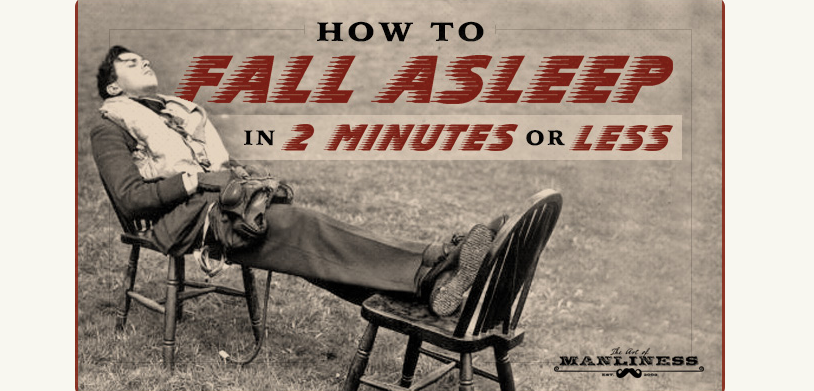
How to Fall Asleep in 2 Minutes or Less | The Art of Manliness
With our archives now 3,500+ articles deep, we’ve decided to republish a classic piece each Friday to help our newer readers discover some of the best, evergreen gems from the past. This article was originally published in March 2018. Have you ever unexpectedly found yourself with a snatch of time in which to steal a […]
Bad sleep 'dramatically' alters body
A run of poor sleep can have a dramatic effect on the internal workings of the human body, say UK researchers.

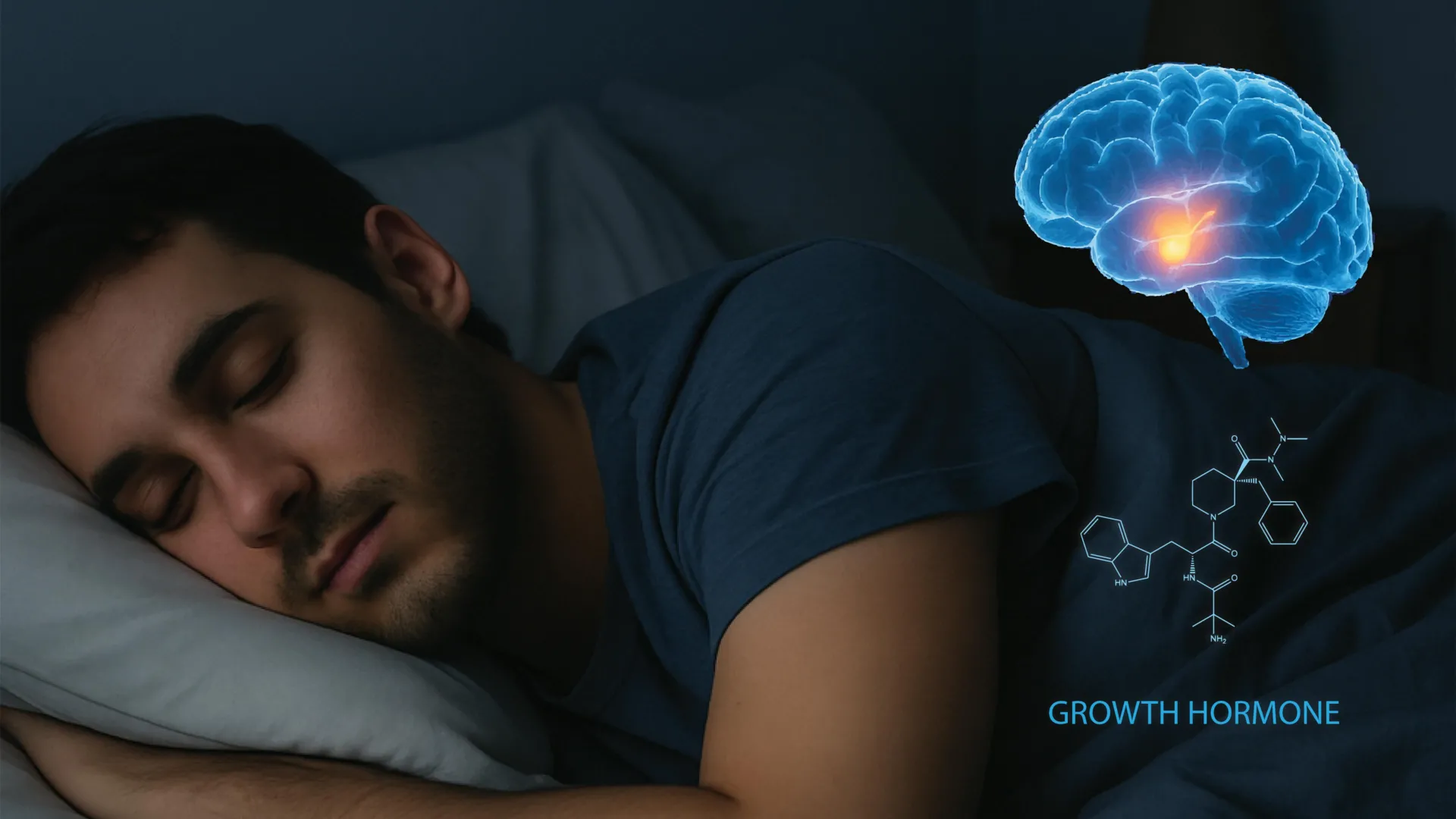
Scientists discover how deep sleep builds muscle, burns fat, and boosts the brain
Scientists have discovered a surprising two-way relationship between sleep and growth hormone, revealing how the brain carefully balances physical recovery with wakefulness. The findings could help explain why poor sleep harms metabolism and brain health, potentially opening the door to new treatments for sleep and neurological disorders.
Sleep as a Competitive Advantage
Too many of us live by the myth that one less hour of sleep gives us one more hour of productivity, Tony Schwartz writes in the Life@Work column. In reality, lost sleep not only leaves us more fatigued, but also takes a toll on our cognitive capacity.

Sleep as a Competitive Advantage
Too many of us live by the myth that one less hour of sleep gives us one more hour of productivity, Tony Schwartz writes in the Life@Work column. In reality, lost sleep not only leaves us more fatigued, but also takes a toll on our cognitive capacity.
Down From the Trees, Humans Finally Got a Decent Night’s Sleep (Published 2015)
Humans sleep more deeply but for shorter periods than other primates’ habits, a study finds. The pattern may have helped humans evolve more powerful brains.

Sleep Deficit: The Performance Killer
Reprint: R0610B Companies today glorify the executive who logs 100-hour workweeks, the road warrior who lives out of a suitcase in multiple time zones, and the negotiator who takes a red-eye to make an 8 AM meeting. But to Dr. Charles A. Czeisler, the Baldino Professor of Sleep Medicine at Harvard Medical School, this kind of corporate behavior is the antithesis of high performance. In fact, he says, it endangers employees and puts their companies at risk. In this interview, Czeisler describes four neurobiological functions that affect sleep duration and quality as well as individual performance. When these functions fall out of alignment because of sleep deprivation, people operate at a far lower level of performance than they would if they were well rested. Czeisler goes on to observe that corporations have all kinds of policies designed to protect employees—rules against smoking, sexual harassment, and so on—but they push people to the brink of self-destruction by expecting them to work too hard, too long, and with too little sleep. The negative effects on cognitive performance, Czeisler says, can be similar to those that occur after drinking too much alcohol: “We now know that 24 hours without sleep or a week of sleeping four or five hours a night induces an impairment equivalent to a blood alcohol level of .1%. We would never say, ‘This person is a great worker! He’s drunk all the time!’ yet we continue to celebrate people who sacrifice sleep for work.” Czeisler recommends that companies institute corporate sleep policies that discourage scheduled work beyond 16 consecutive hours as well as working or driving immediately after late-night or overnight flights. A sidebar to this article summarizes the latest developments in sleep research.
Sleep: Educational Impact and Habit Formation
In a field experiment among US university students, incentives for sleep increase both sleep and academic performance. Our primary intervention pairs bedtime reminders with morning feedback and immediate rewards for sleeping at least 7 hours on weeknights. The intervention raises the share of weeknights with 7+ hours of sleep by 26% and average sleep by 19 minutes during a 4-week treatment period, with posttreatment effects of 8 minutes. Immediate incentives outperform both delayed incentives and reminders/feedback alone during treatment but have no distinguishable impacts posttreatment. The primary intervention improves average semester course performance by 0.075–0.089 grade points, a 0.10–0.11 standard deviation increase. Our results demonstrate that incentives targeting sleep can be a cost-effective approach to improve educational outcomes.