

Lots of people write about solutions to the problem that Note-writing practices are generally ineffective .NoteLink.Active { background-color: rgba(10, 132, 255, 0.15); } . The vast majority of that writing fixates on a myopic, “lifehacking”-type frame, focused on answering questions like: “how should I organize my notes?”, “what kind of journal should I use?”, “how can I make it easy to capture snippets of things I read?”, etc.
People who write extensively about note-writing rarely have a serious context of use
Many bloggers and “life-hackers” have made a full-time job of suggesting how you should organize your journal, or how you should most effectively Write about what you read to internalize texts deeply .NoteLink.Active { background-color: rgba(10, 132, 255, 0.15); } . We should take this advice seriously insofar as those practices have helped the authors achieve meaningful creative work: “Better note-taking” misses the point; what matters is “better thinking” .NoteLink.Active { background-color: rgba(10, 132, 255, 0.15); }
Evergreen notes
Evergreen notes are written and organized to evolve, contribute, and accumulate over time, across projects. This is an unusual way to think about writing notes: Most people take only transient notes .NoteLink.Active { background-color: rgba(10, 132, 255, 0.15); } . That’s because these practices aren’t about writing notes; they’re about effectively developing insight: “Better note-taking” misses the point; what matters is “better thinking” .NoteLink.Active { background-color: rgba(10, 132, 255, 0.15); } . When done well, these notes can be quite valuable: Evergreen note-writing as fundamental unit of knowledge work .NoteLink.Active { background-color: rgba(10, 132, 255, 0.15); } .
Evergreen note-writing helps insight accumulate
Much of the day-to-day thinking involved in creative work is simply lost, like sand castles in the tide. Ephemerality can actually be useful in low-fidelity thought, but it’s simply an accidental property in many cases. We should do our serious thinking in the form of Evergreen notes .NoteLink.Active { background-color: rgba(10, 132, 255, 0.15); } so that the thinking accumulates.
Note-ifying all the things (with Boris Mann)
Conversation about note-taking, the overwhelm of tools, and future possibilities. (shortlink:…

What's the point of a note-taking app?
The true purpose of a note-taking app is to facilitate deep learning through three interconnected processes—externalizing ideas, internalizing them into new insights, and resurfacing them over time—and good design should minimize accidental friction while preserving the productive friction that enables genuine understanding.
Smart Note Taking
Why is this important? Because without the smart, you’ll add more clutter to your system, leading to minor organization and more stress.

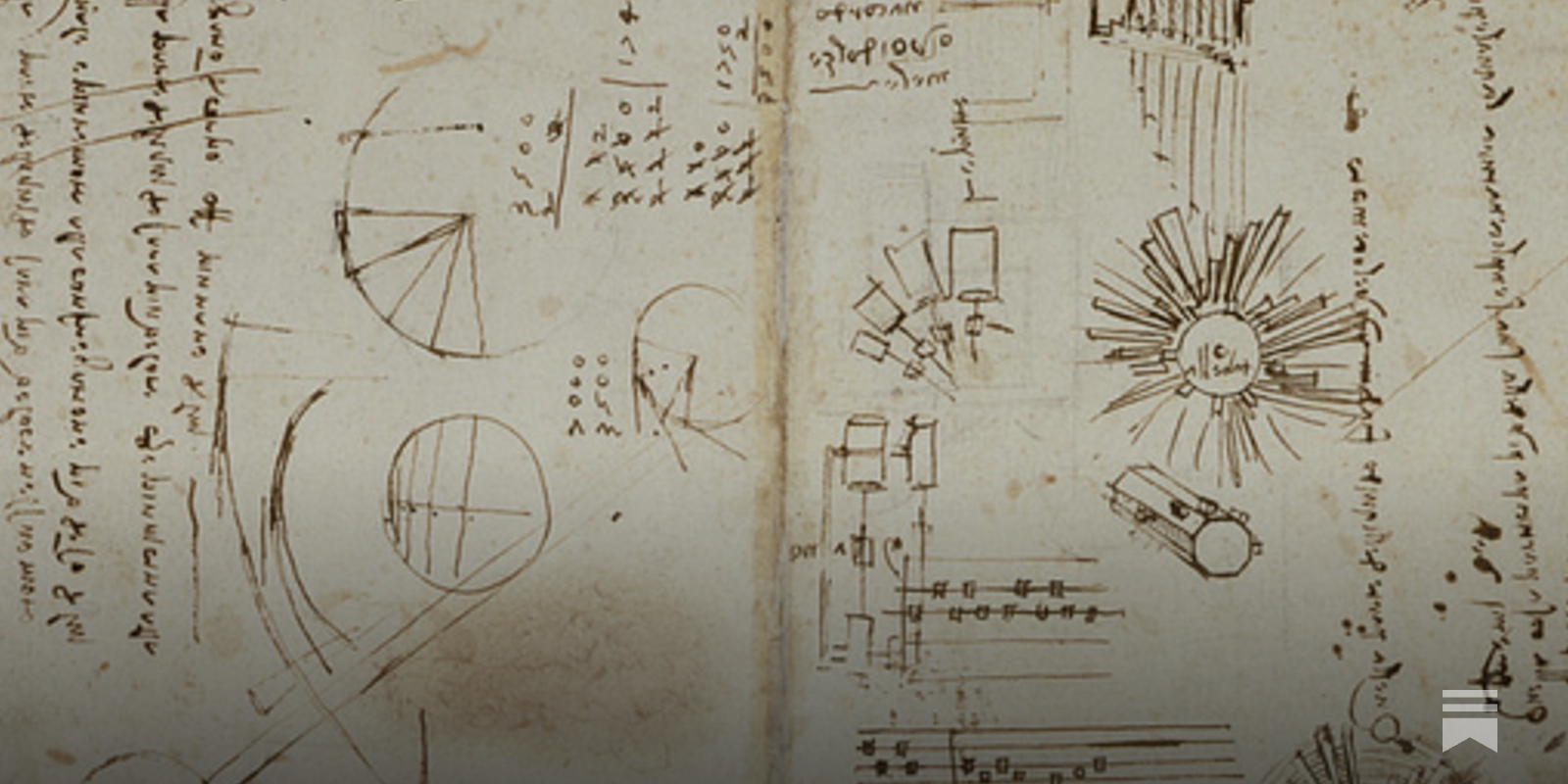

Note-Taking and Personal Knowledge Management — Unattributed
Bridge heading into the smokey landscape. License: CC-0 I read Brennan Kenneth Brown's What have note-taking PKMs accomplished, really?...

supernote-cli: pen, paper, and a pipe
A recent NYT piece argued we need a mental fitness revolution to combat the cognitive decay caused by algorithmic feeds and generative AI. It's an efficient one-two punch. If you're not brainrotting on short form video content, you're outsourcing all of your thinking to an LLM. The result is a kind of cognitive strip-mining. What's left requires active defense. For me, one way of defending that capacity for deep work is with a pen on e-ink. Whether it's annotating a paper or starting a sketch from scratch, I'm intentionally making room for focused thought. My army of clawed Claudes and Codexes will just have to wait.
What have note-taking PKMs accomplished, really?
As somebody who writes a lot, I've always been interested in personal knowledge management systems and note-taking apps. But what do these frameworks and methodologies actually give to researchers and the broader world? Has there been a meaningful increase of wisdom since these became popular? I went to look for an answer.
Writing Is Thinking
When you write about your work, it makes all of us smarter for the effort, including you. Done well, this kind of sharing means you’re contributing signal, instead of noise. But writers are made, n…

Re-balancing For You - For You notes
On Writing #3
Periodically I like to gather various observations about writing, and share my perspective.

Note taking apps

Notes, Outliners, Markdown Editors, PKMs, Memexs, Second Brains, Commonplace books, and more
Knowledgebase Apps (by Boris) — Semble
Treehouse: Note-taking Frontend
cybersemics/em
Wiki (by Boris) — Semble
self-hostable notion replacements (by Tyler Lawson) — Semble
v2 Editor