

Spaced repetition memory systems make memory a choice .NoteLink.Active { background-color: rgba(10, 132, 255, 0.15); } , but the computerized component’s value lies specifically in dynamically scheduling and selecting questions to be reviewed. In some sense, the efficacy of a Spaced repetition memory system .NoteLink.Active { background-color: rgba(10, 132, 255, 0.15); } comes from its power to program your attention (Programmable attention .NoteLink.Active { background-color: rgba(10, 132, 255, 0.15); } ). Think: “{cron} for your mind.” ☉
People who write extensively about note-writing rarely have a serious context of use
Many bloggers and “life-hackers” have made a full-time job of suggesting how you should organize your journal, or how you should most effectively Write about what you read to internalize texts deeply .NoteLink.Active { background-color: rgba(10, 132, 255, 0.15); } . We should take this advice seriously insofar as those practices have helped the authors achieve meaningful creative work: “Better note-taking” misses the point; what matters is “better thinking” .NoteLink.Active { background-color: rgba(10, 132, 255, 0.15); }
“Better note-taking” misses the point; what matters is “better thinking”
Lots of people write about solutions to the problem that Note-writing practices are generally ineffective .NoteLink.Active { background-color: rgba(10, 132, 255, 0.15); } . The vast majority of that writing fixates on a myopic, “lifehacking”-type frame, focused on answering questions like: “how should I organize my notes?”, “what kind of journal should I use?”, “how can I make it easy to capture snippets of things I read?”, etc.
Evergreen notes
Evergreen notes are written and organized to evolve, contribute, and accumulate over time, across projects. This is an unusual way to think about writing notes: Most people take only transient notes .NoteLink.Active { background-color: rgba(10, 132, 255, 0.15); } . That’s because these practices aren’t about writing notes; they’re about effectively developing insight: “Better note-taking” misses the point; what matters is “better thinking” .NoteLink.Active { background-color: rgba(10, 132, 255, 0.15); } . When done well, these notes can be quite valuable: Evergreen note-writing as fundamental unit of knowledge work .NoteLink.Active { background-color: rgba(10, 132, 255, 0.15); } .
Evergreen note-writing helps insight accumulate
Much of the day-to-day thinking involved in creative work is simply lost, like sand castles in the tide. Ephemerality can actually be useful in low-fidelity thought, but it’s simply an accidental property in many cases. We should do our serious thinking in the form of Evergreen notes .NoteLink.Active { background-color: rgba(10, 132, 255, 0.15); } so that the thinking accumulates.
Spaced repetition
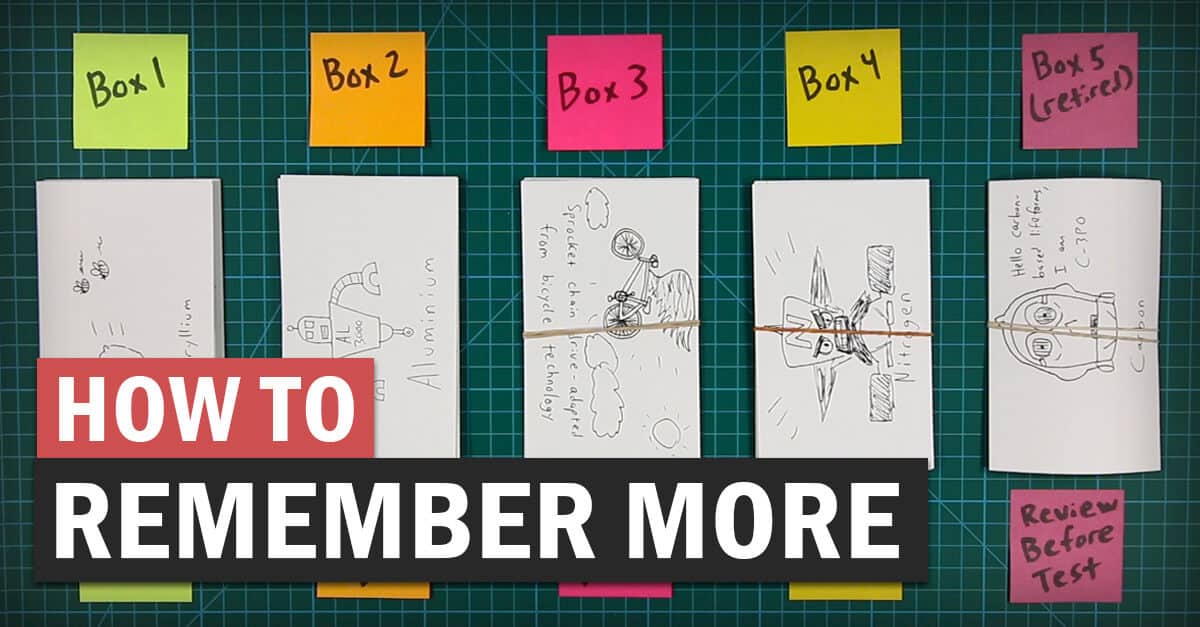
Spaced repetition is an evidence-based learning technique that is usually performed with flashcards. Newly introduced and more difficult flashcards are shown more frequently, while older and less difficult flashcards are shown less frequently in order to exploit the psychological spacing effect. The use of spaced repetition has been proven to increase the rate of learning.

OpenAI Developers on Twitter / X
Last week, we released a preview of memories in Codex.Today, we’re expanding the experiment with Chronicle, which improves memories using recent screen context.Now, Codex can help with what you’ve been working on without you restating context. pic.twitter.com/b3p8I5eXOy— OpenAI Developers (@OpenAIDevs) April 20, 2026

Utkarsh on Twitter / X
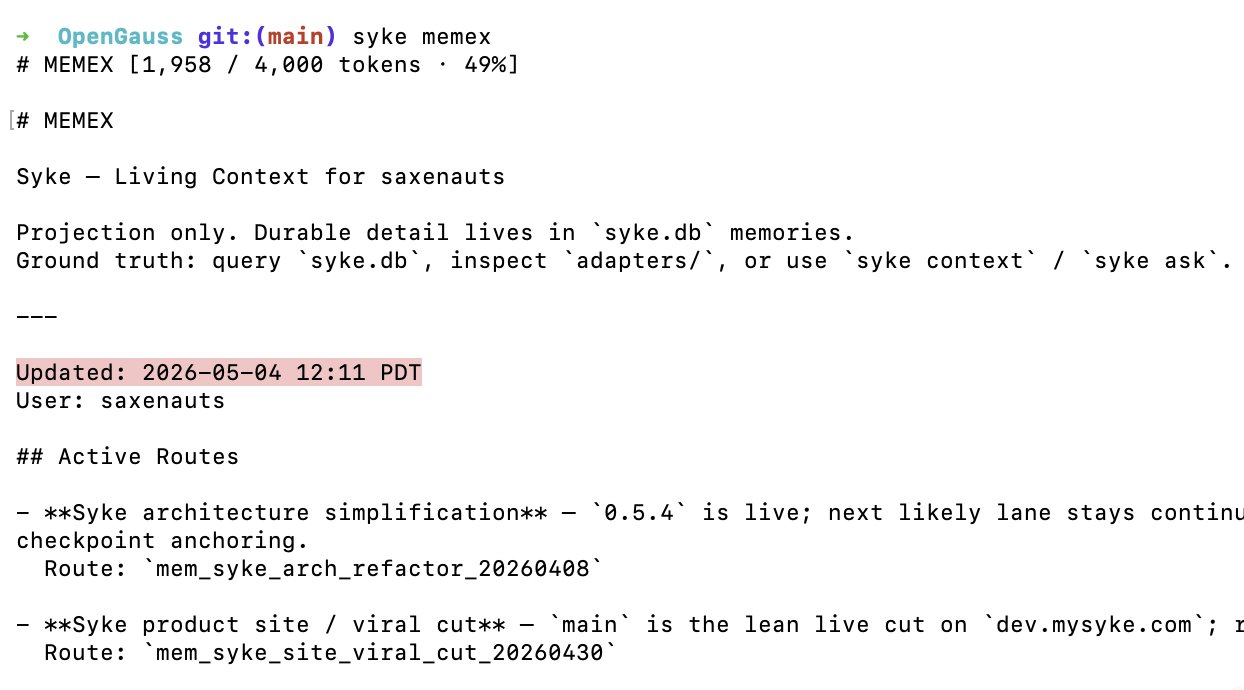
Another reason why you want an ambient memory agent is TIME. Your other coding agents understand time differently depending on who or which company writes them. Your machine however should live and breathe with you in your timeline. With Claude, I often find myself begging… pic.twitter.com/XVAvzciplY— Utkarsh (@saxenauts) May 4, 2026
Anthropic's Opinionated Memory Bet
A deep dive into Claude's new memory tool—how it works, the architectural bets they're making, and whether it's the right fit for your application.

How to Remember More of What You Learn with Spaced Repetition
Using spaced repetition in conjunction with other study techniques can help you memorize information much, much more quickly. Here's how to do it.
Memory system - Please Leave here your opinions (if you have any) · Issue #74 · code-yeongyu/oh-my-openagent
I heard many people wants that memory system- but it's really easy to be redundant from my experiences. Projects like claude-mem or many others have memory system. Want to hear your opinions re...
ChatGPT will now use its 'memory' to personalize web searches | TechCrunch
ChatGPT will now use its 'memory' to personalize web searches, thanks to a new feature called Memory with Search.

Dreaming: Better memory for a more helpful ChatGPT
ChatGPT introduces a new memory system to better remember preferences, keeping context fresh and relevant across conversations.

ellen livia ᯅ on Twitter / X
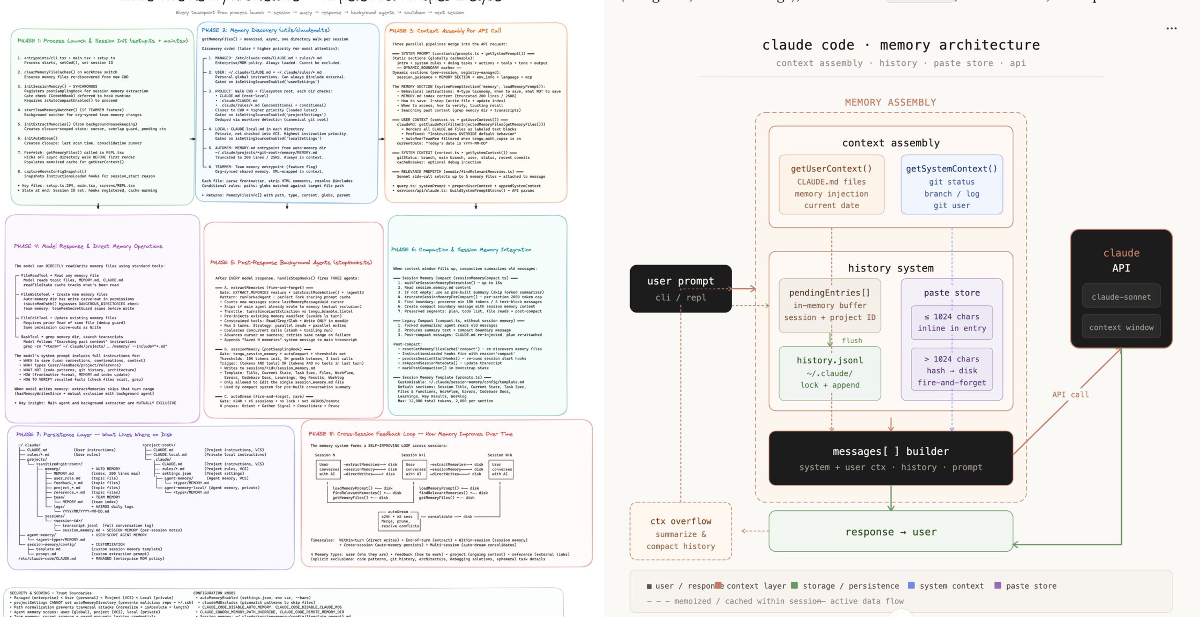
here's how Claude Code actually handles memory : all 8 phases 🧵Our team at @mem0ai use @claudeai a lot, we deeply care about memory. here is a summary of how it works 👇User Input -> Context Assembly -> History System -> API / Query -> Response -> SummaryPhase 1: session… pic.twitter.com/hcZbJzbUxB— ellen livia ᯅ (@ellen_in_sf) March 31, 2026
Sense of abundance
Expansive, curious, open, unfearful, unhurried. The opposite of Scarcity mindset .NoteLink.Active { background-color: rgba(10, 132, 255, 0.15); } .
Inference Time Memory Module | Research | Tiles
Simple inference-time memory module that treats memory management as a series of LLM calls and agent loops over a markdown-based file tree.