

Effortful reading habits and resisting the urge to defer attention
A Love Letter to Flashcards | Lesley Lai
A personal reflection on how spaced repetition and hand crafted flashcards helps me to keep understanding alive
Minimum Queue Publishing - Wesley's notes
A strategy for writing more often without losing momentum
The revolt of the reader | The Observation Deck
Reading is important to me. While I’m not a quick reader nor an especially voracious one, I have found that long-form reading has had a profound influence on me over my life. And because reading is important to me, writing is too: writing not only allows us to convey our ideas, but the very act forces us to test and distill them — at once making our ideas more robust while providing the vehicle by which to share them.
Double processing information for notes : Garden of Learning by Juhis
As I read discussions about note-taking and learning, I often run into complaints about how much time and effort it takes to make and maintain notes and how people wish they could end ...
Note-ifying all the things (with Boris Mann)
Conversation about note-taking, the overwhelm of tools, and future possibilities. (shortlink:…
How to gain more from reading by taking it all in more slowly | Psyche Guides
There’s more to words than meets the eye. Deepen your appreciation of literature through the art of slow, attentive reading
Note-Taking and Personal Knowledge Management — Unattributed
Bridge heading into the smokey landscape. License: CC-0 I read Brennan Kenneth Brown's What have note-taking PKMs accomplished, really?...

College professors face an emerging challenge: We know students are no longer reading entire books
Some teachers increasingly are shifting their approach to reading, assigning fewer books than they once did.

Mochi - Spaced repetition flashcards
Take notes and make flashcards using markdown, then study them using spaced repetition.
“Better note-taking” misses the point; what matters is “better thinking”
Lots of people write about solutions to the problem that Note-writing practices are generally ineffective .NoteLink.Active { background-color: rgba(10, 132, 255, 0.15); } . The vast majority of that writing fixates on a myopic, “lifehacking”-type frame, focused on answering questions like: “how should I organize my notes?”, “what kind of journal should I use?”, “how can I make it easy to capture snippets of things I read?”, etc.
The 'Paperwork Flood': How I Drowned a Bureaucrat before dinner., Sightless Scribbles
A fabulously gay blind author.
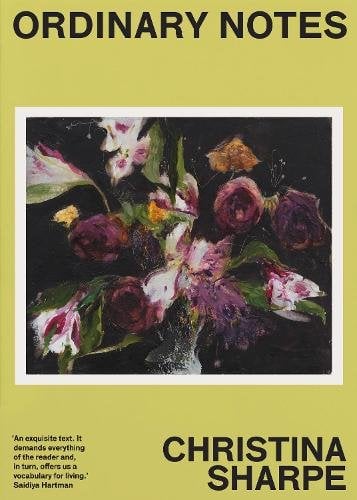
Creative Reading: Scaffolding Reading for Transformation
Reading augmentation systems increasingly help readers process text at scale. While these tools address real constraints of time and cognitive load, they often implicitly frame reading as...

Note taking apps

Notes, Outliners, Markdown Editors, PKMs, Memexs, Second Brains, Commonplace books, and more
OmniCanvas - Free Infinite Canvas Notes App
Best Notes App - Write and Organize with UpNote
Antinote — a $5 scratchpad for macOS

NotePlan – Notes, Tasks and Calendar in One Daily Note
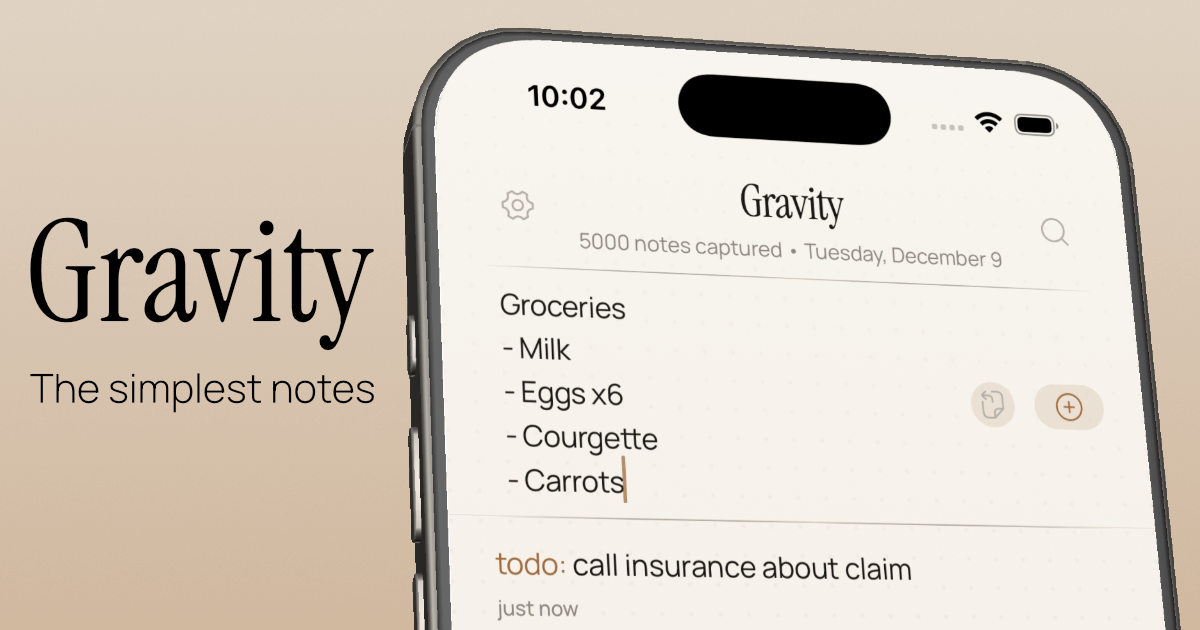
Let your thoughts sink in — Gravity
Knowledgebase Apps (by Boris) — Semble