why consumer software gets worse, not better, over time
Why We Can't Have Nice Software - Andrew Kelley
The problem with software is that it's too powerful. It creates so much wealth so fast that it's virtually impossible to not distribute it.
Open Sources: Voices from the Open Source Revolution
The typical computer user owns lots of software that he bought years ago and no longer uses today. He may have upgraded his computer or changed brands, and then the program wouldn't work any longer. The software might have become obsolete. The program may simply not do what he needs. He may have bought two or more computers, and doesn't want to pay for a second copy of the software. Whatever the reason, the software that he paid for years ago isn't up to the task today. Does that really need to happen?
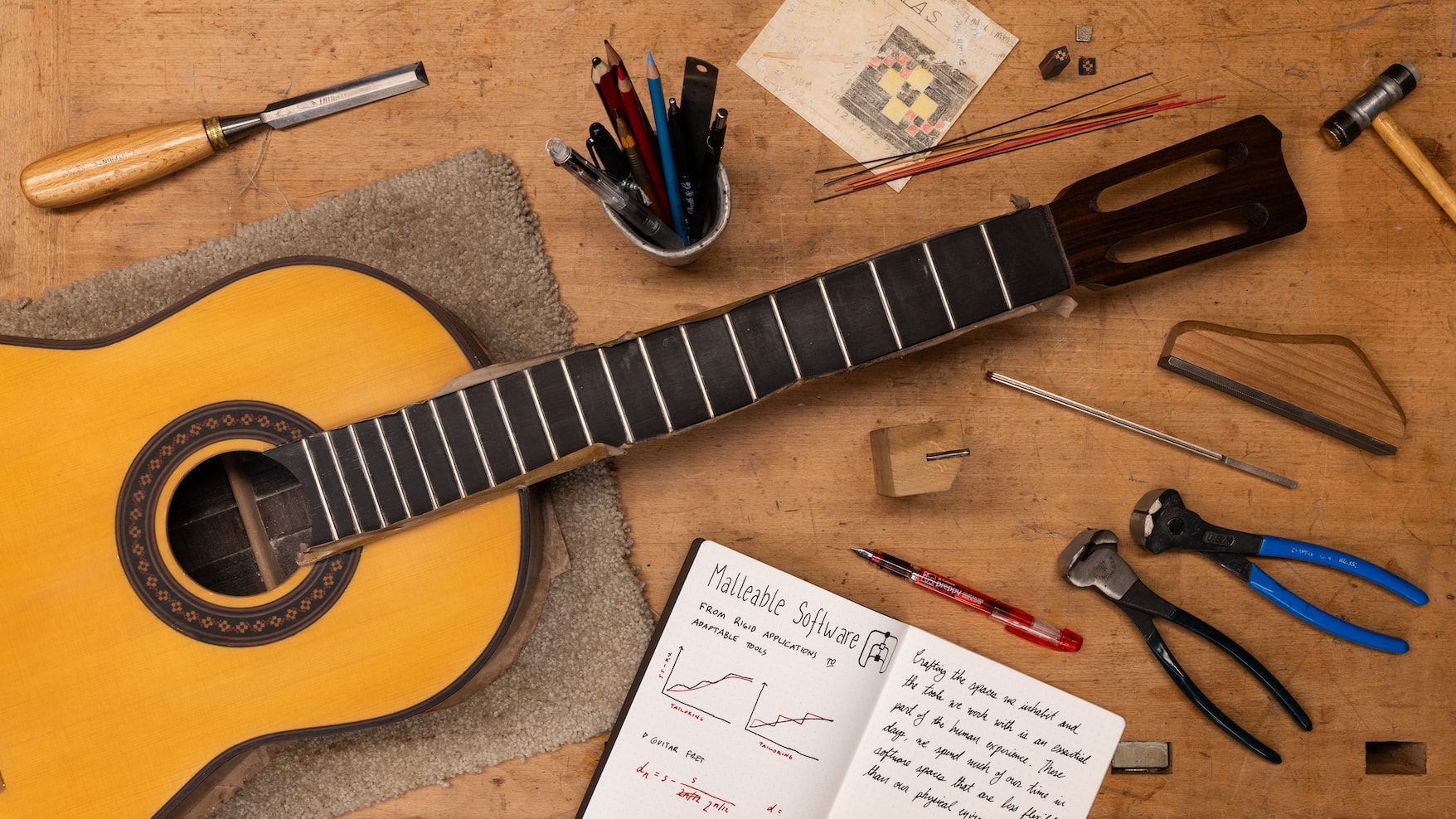
Malleable software: Restoring user agency in a world of locked-down apps
The original promise of personal computing was a new kind of clay. Instead, we got appliances: built far away, sealed, unchangeable. In this essay, we envision malleable software: tools that users can reshape with minimal friction to suit their unique needs.
Digital products and services are getting worse – but the trend can be reversed
A new report from the Norwegian Consumer Council shows how enshittification affects both consumers and society at large. Luckily, it‘s possible to turn the tide.
“They had no concept of a duty of care to their users.” – Unsung
A blog about software craft and quality
THE PEOPLE DO NOT YEARN FOR AUTOMATION
Software brain is changing the world, but most people still aren’t buying.

THE PEOPLE DO NOT YEARN FOR AUTOMATION
Software brain is changing the world, but most people still aren’t buying.
Balancing “If it ain’t broke, don’t fix it” vs. “Release early and often”
Every organization faces a war between two schools of thought, with “If it ain’t broke, don’t fix it” on one side and “release early and often” on the other. This blog post looks for a way for enterprise consumers to embrace fast-paced changes in the software industry.
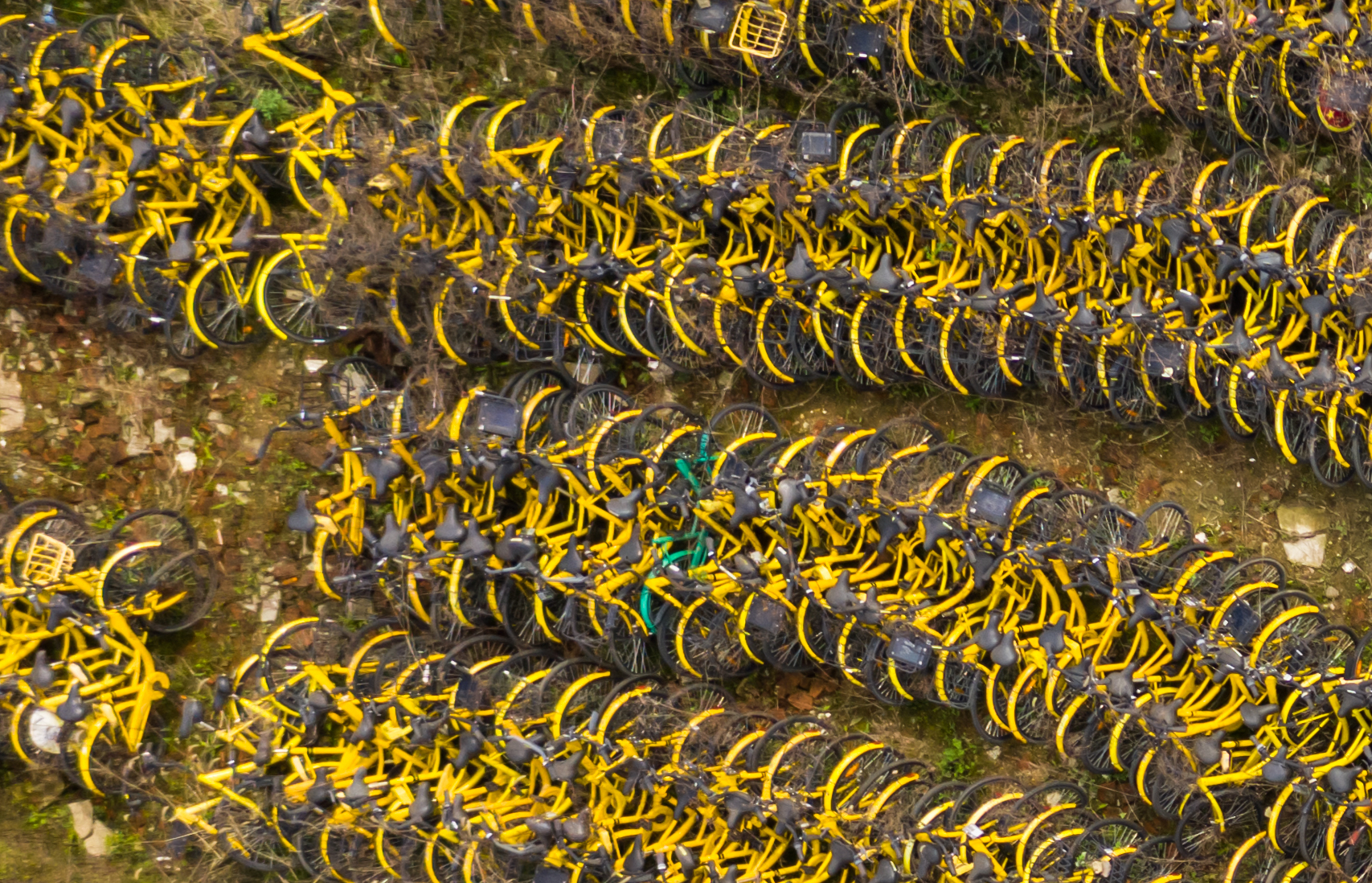
Software as Fast Fashion
Clothes have never been cheaper. These days a t-shirt is often cheaper than a decent cup of tea in a cafe. The wonders of capitalism. At least that is how it is often described. And when you point at the underpaid, gruesome labor that people in poorer regions of the planet have to do to […]

Someone behind the software
I think good products carry something of the people who make them. Their experience, what they care about, and how they think things should work.

The End of Software
To understand how software will change, we can benefit from studying how technology has changed other industries. History tends to rhyme, if you listen. Before the internet, media behaved very differently—it was expensive to create. You had to pay people to make content, edit it, and distribute ...

Where Did Software Go Wrong? | Jesse Li
Software is broken, but it's not because of NPM, startups, AI, or venture capitalists. A deep dive into how we think about and produce code, and how our software systems reflect the manic state of the modern world.
The $70B Open Source Software Paradox
It’s no news that over the last 10-15 years, particularly noticeable in the last 5 years, the enterprise software industry has gradually transformed from complex, expensive, closed-source (proprietary) software stacks to extensible/configurable,...
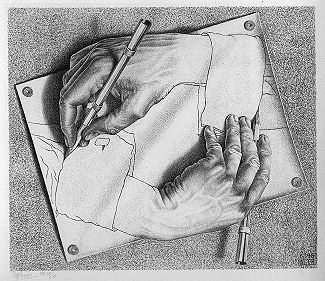
Perfect Software - Software for an Audience of One
We have many names to describe personal tools. Malleable software speaks to how it behaves. Home-cooked software speaks to who makes it.