Encouraging knowledge, appreciation, responsible use & conservation of BC's native plants and habitats
GainForest — Biodiversity Observations & Nature Projects
Explore field observations, biodiversity records, and nature projects from communities and organizations using GainForest.
GainForest — Biodiversity Observations & Nature Projects
Explore field observations, biodiversity records, and nature projects from communities and organizations using GainForest.
GainForest — Biodiversity Observations & Nature Projects
Explore field observations, biodiversity records, and nature projects from communities and organizations using GainForest.
State of Conservation Technology | WILDLABS
Explore insights from the first community-sourced assessment of the State of Conservation Technology

Conservation Evidence - Site
This resource is designed to support anyone making decisions about how to maintain and restore biodiversity.

Assessing nature's contributions to people
Recognizing culture, and diverse sources of knowledge, can improve assessments , A major challenge today and into the future is to maintain or enhance beneficial contributions of nature to a good quality of life for all people. This is among the key motivations of the Intergovernmental Science-Policy Platform on Biodiversity and Ecosystem Services (IPBES), a joint global effort by governments, academia, and civil society to assess and promote knowledge of Earth's biodiversity and ecosystems and their contribution to human societies in order to inform policy formulation. One of the more recent key elements of the IPBES conceptual framework ( 1 ) is the notion of nature's contributions to people (NCP), which builds on the ecosystem service concept popularized by the Millennium Ecosystem Assessment (MA) ( 2 ). But as we detail below, NCP as defined and put into practice in IPBES differs from earlier work in several important ways. First, the NCP approach recognizes the central and pervasive role that culture plays in defining all links between people and nature. Second, use of NCP elevates, emphasizes, and operationalizes the role of indigenous and local knowledge in understanding nature's contribution to people.

Tips on spring foraging: Don't venture to B.C.'s provincial parks | CBC News
Chef and forager Robin Kort has a laundry list of plants to harvest this spring, but says following the rules are key to sustainability.

Agriculture research summaries
Read short summaries of agricultural studies tailored to B.C. farmers and producers.
Aquatic plants - Province of British Columbia
Find out more about requirements for the commercial harvest of seaweed. Aquatic plants include all species of plants found in B.C. waters.
GBIF
Global Biodiversity Information Facility. Free and Open Access to Biodiversity Data.
Forest Practices Code of British Columbia Act -- FOREST RECREATION REGULATION
Part 4 — Use of Recreation Sites, Recreation Trails, Interpretive Forest Sites and Wilderness Areas
First Nations, environmentalists occupy B.C. salmon farm | CBC News
The protesters say the farm is threatening their traditional way of life by impacting wild salmon and herring stocks.

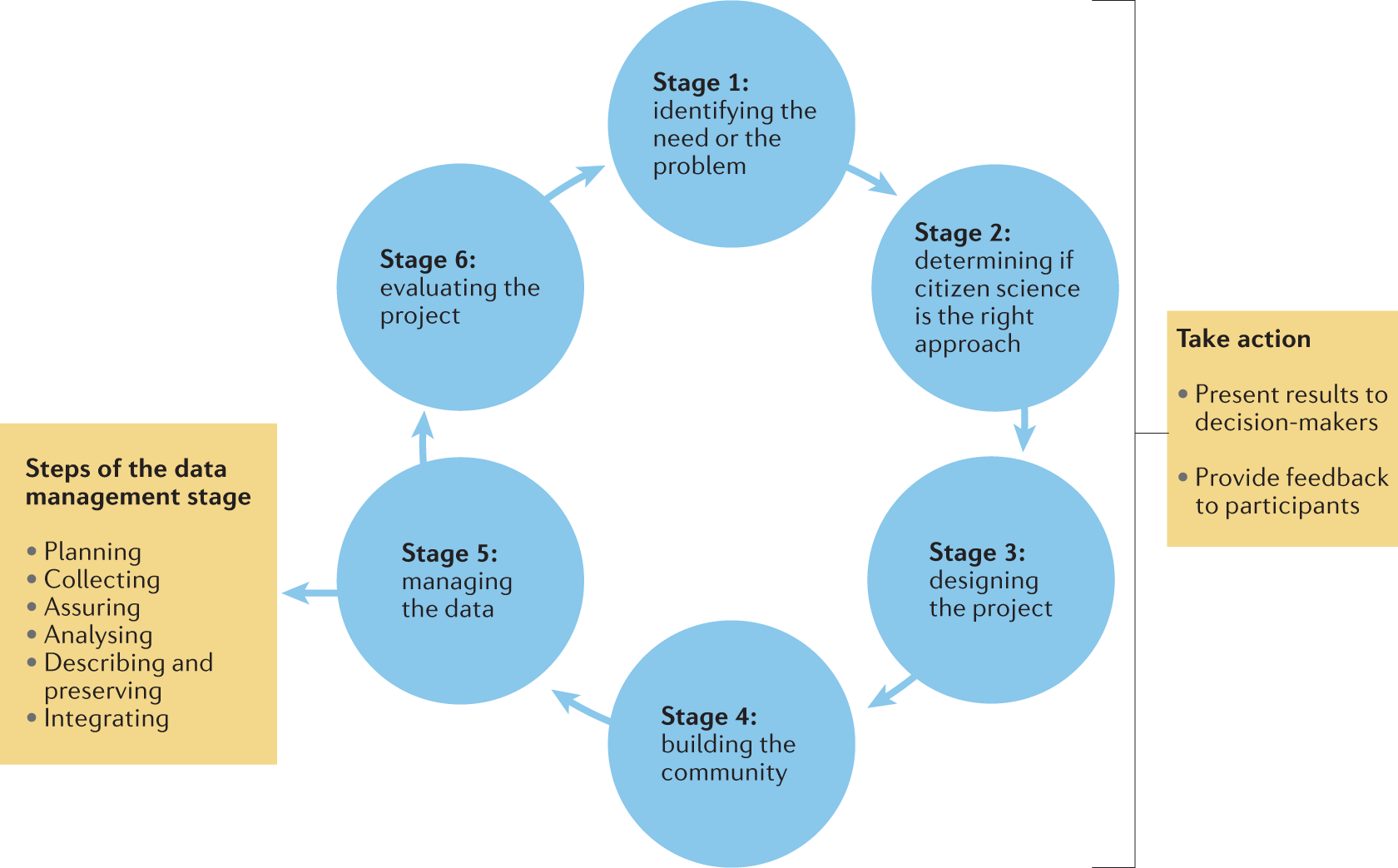
Citizen science in environmental and ecological sciences
Citizen science is an increasingly acknowledged approach applied in many scientific domains, and particularly within the environmental and ecological sciences, in which non-professional participants contribute to data collection to advance scientific research. We present contributory citizen science as a valuable method to scientists and practitioners within the environmental and ecological sciences, focusing on the full life cycle of citizen science practice, from design to implementation, evaluation and data management. We highlight key issues in citizen science and how to address them, such as participant engagement and retention, data quality assurance and bias correction, as well as ethical considerations regarding data sharing. We also provide a range of examples to illustrate the diversity of applications, from biodiversity research and land cover assessment to forest health monitoring and marine pollution. The aspects of reproducibility and data sharing are considered, placing citizen science within an encompassing open science perspective. Finally, we discuss its limitations and challenges and present an outlook for the application of citizen science in multiple science domains.
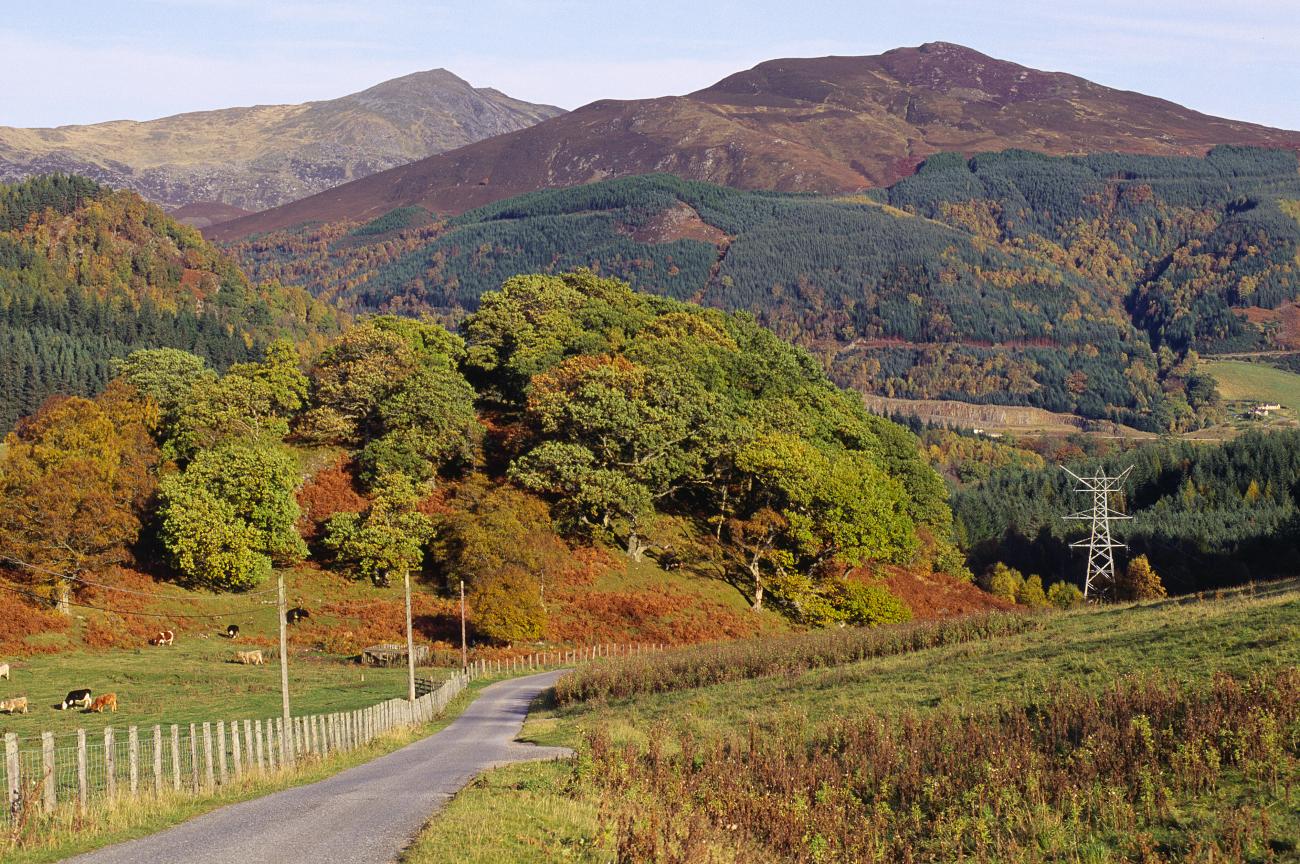
Ecosystem services - nature’s benefits
Nature's benefits or ecosystem services depend on a healthy environment. Investing in nature will help to secure these benefits for future generations.
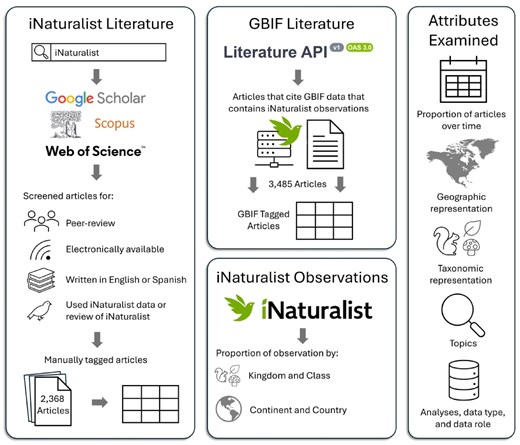
iNaturalist accelerates biodiversity research
Abstract. Participatory citizen science is expanding, with iNaturalist emerging as one of the most widely used platforms globally. However, its application