

A comprehensive tutorial for learning Vulkan ray tracing with practical examples.
Visualizing GL_NV_shader_sm_builtins
Using GL_NV_shader_sm_builtins to visualize Streaming Multiprocessors and Warps
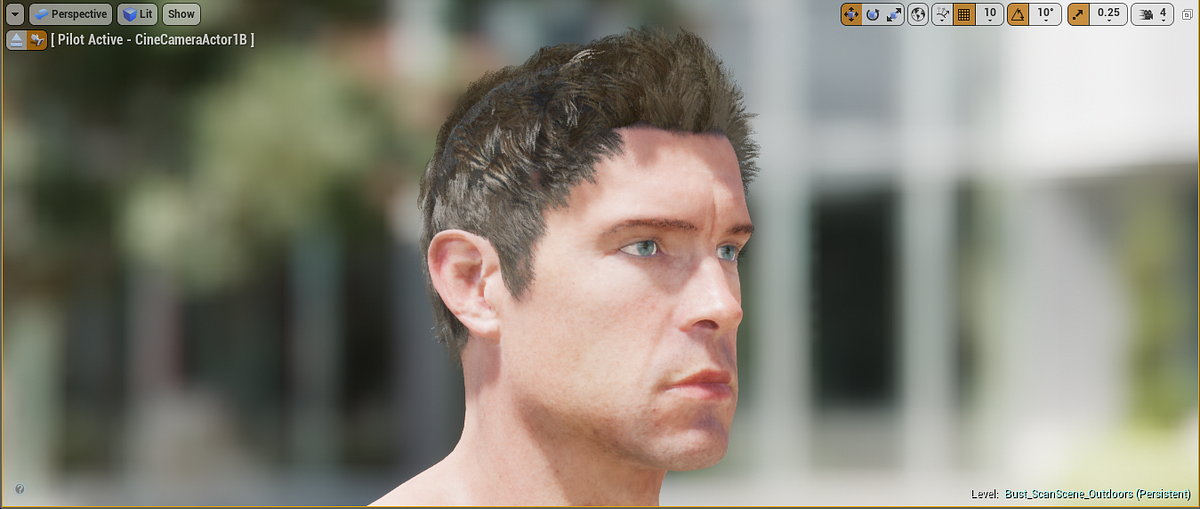
EEVEE Realistic Lighting and Rendering
Master realistic lighting in EEVEE - rendered in fractions of a second. Introducing: a complete course unlocking the true power of EEVEE in Blender 5.0 with Vulkan.

Sparse Virtual Shadow Maps
Devlogs and tutorials about GPGPU and graphics programming
Command Buffers :: Vulkan Documentation Project
Command buffers are objects used to record commands which can be subsequently submitted to a device queue for execution. There are two levels of command buffers - primary command buffers, which can execute secondary command buffers, and which are submitted to queues, and secondary command buffers, which can be executed by primary command buffers, and which are not directly submitted to queues.

expenses/vulkan-without-abstractions
Contribute to expenses/vulkan-without-abstractions development by creating an account on GitHub.
Understanding The Math Behind ReSTIR GI
Recently, I had the pleasure of contributing to Nvidia’s Zorah project, the flagship demo for the RTX 50 Series GPUs. My primary role was to provide technical support for light transport in Zorah, which included collaborating with my colleague Daqi Lin to implement a brand new ReSTIR-based global illumination solution, specifically, ReSTIR PT[1], within the NvRTX branch of Unreal Engine. A GDC presentation video on Zorah was released a few weeks ago.
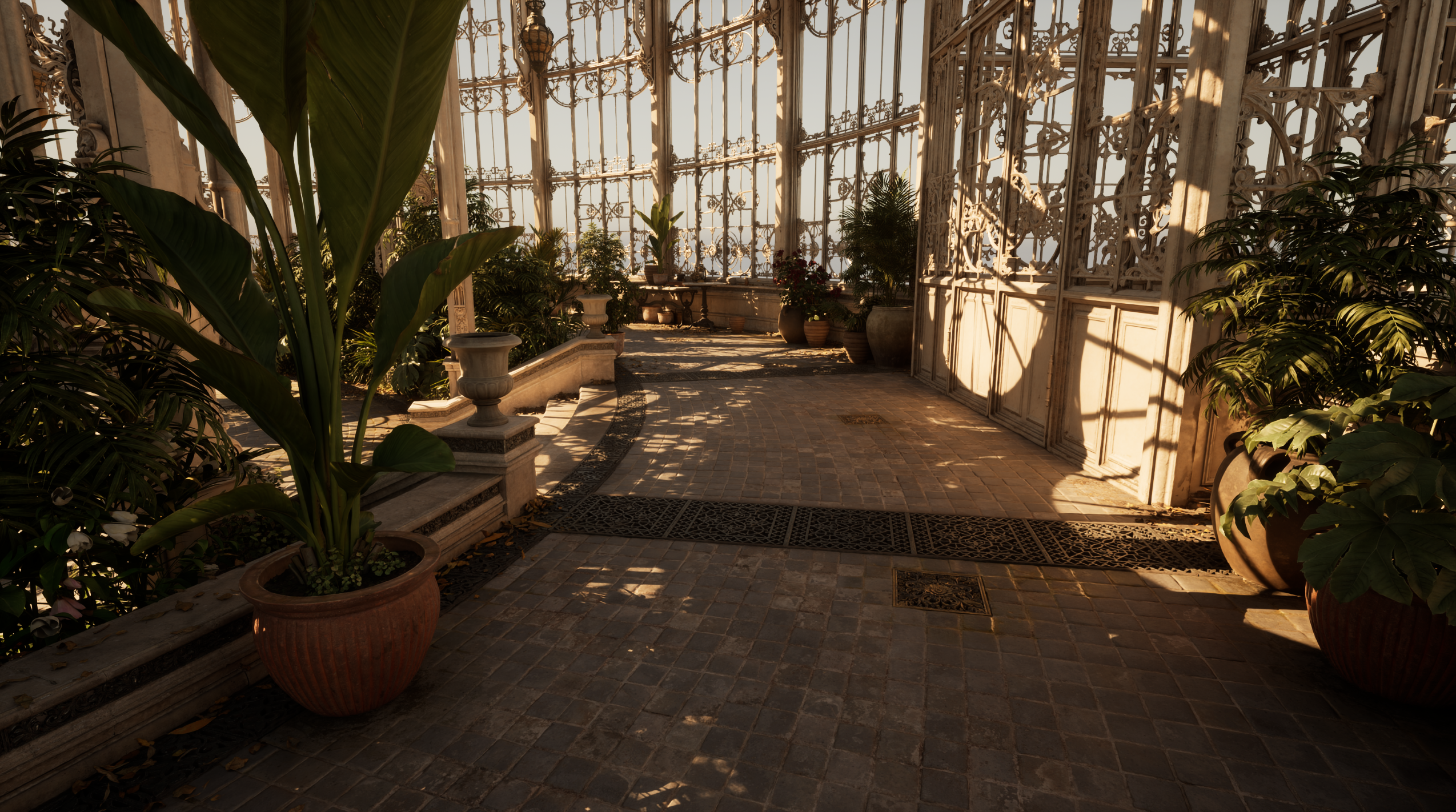
A guide to fast voxel ray tracing using sparse 64-trees
If you have ever tried to ray trace voxels before, you might have heard about Sparse Voxel Octrees. They are one of those ideas that are just simple and clever enough to be intriguing, but not so great to hold in practice at the basic premise.
Hash Functions for GPU Rendering – Nathan Reed’s coding blog
Pixels and polygons and shaders, oh my!
Rendering Particles with Compute Shaders
Overview I developed a technique to render single-pixel particles (using additive blending) with compute shaders rather than the usual fixed-function rasterization with vertex and fragment shaders. My approach runs 31–350% faster than rasterization on the cases I tested and is particularly faster for some “pathological” cases (which for my application are not actually that uncommon). I observed these speedups on both NVIDIA and AMD GPUs. Using this technique allowed me to ship an app that runs on minimum-spec hardware without sacrificing visual fidelity.
Welcome to the Strix Halo Wiki!
Welcome to the Strix Halo Wiki! The purpose of this website it to gather important information and practical guides for systems powered by AMD Ryzen AI MAX and MAX+ processors. Our guides cover various topics and of course there is a separate section…
Tiles version 0.4.18 Alpha 22 has been released. Tiles now supports the Vulkan backend, enabling GPU acceleration beyond NVIDIA across vendors on Linux, with fixes for MTP speculative decoding, Linux tool calls, and an occasional OAuth callback failure during ATproto login. Release notes ↗

Shared chat session by @tiles.run | Tiles
chat.tiles.run
