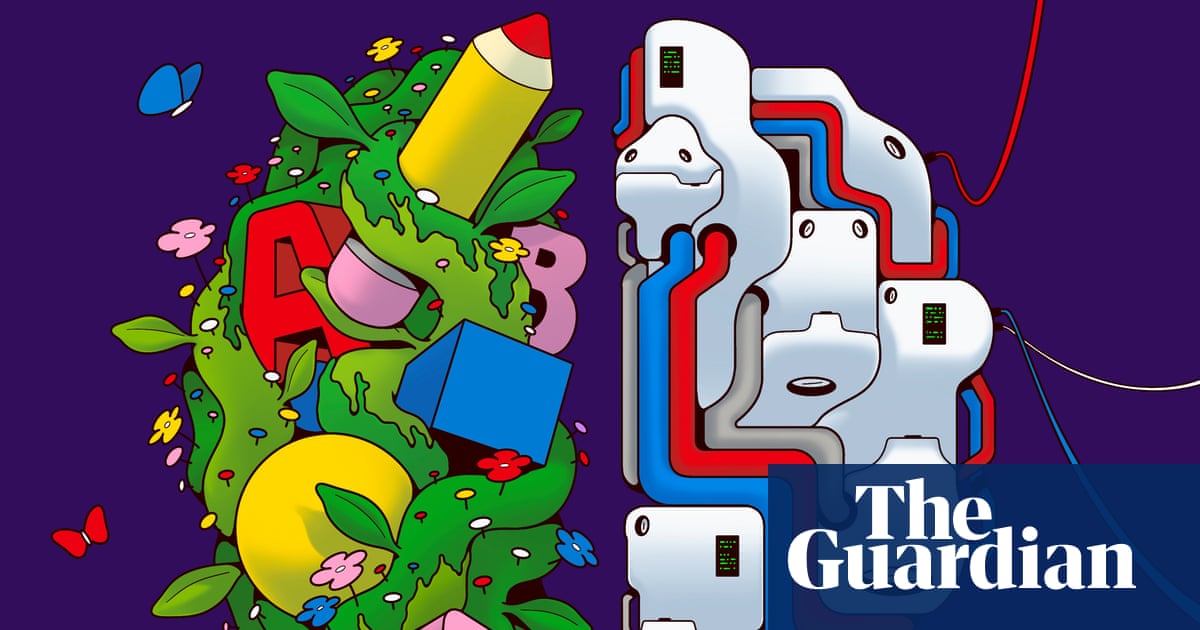
Attention education is the most powerful thing we can do for ourselves, for one another, for democracy.
The Attention Economy and the Collapse of Cognitive Autonomy
Check out the first in a series on social media from Denny Center Student Fellow Rai Hasen Masoud (F'27) to learn more about the attention economy and it's impacts on our democracy.
Fighting Back: A Citizen’s Guide to Resistance
Ordinary people have more power than they know.

The most powerful institution in most people’s lives is their workplace. We care deeply about governmental democracy but accept dictatorships where we spend most of our waking hours. The cooperative movement has proven it doesn’t have to be this way.
how to pay attention again (the neuroscience of focus in the age of everything)
on the attention economy, and reclaiming your brain’s right to choose

AI, Oligarchs & The Commodification of Public Education With John Koyczek

Attention is All You Need
A report from the future on AI, attention, and the maintenance of civilization

Collections: How the Weak Can Win – A Primer on Protracted War
Thanks to our volunteer narrator, this post is now available in audio format. This week, in an effort to fill in some of the theoretical basis for thinking about how weaker powers think about fight…

Collections: How the Weak Can Win – A Primer on Protracted War
Thanks to our volunteer narrator, this post is now available in audio format. This week, in an effort to fill in some of the theoretical basis for thinking about how weaker powers think about fight…
Who's Getting Rich Off Your Attention?
How concentrated ownership and automated manipulation reshape democracy

Learning From the International Struggle
Over the last twenty years, illiberal forces have coordinated ideas, personnel, and finances across international borders. Liberals can learn from this.

The attention market—and what is wrong with it
Attention is described as a “scarce commodity” that is traded in “a marketplace.” This, it is further claimed, contributes to a “widespread sense of attentional crisis.” But is there really an attention market, and if so, what, if anything, is wrong with it? We defend the claim that there are markets in attention. We provide an account of such attention markets and use that account to address what is morally wrong with them. Our account draws on knowledge of how attention works and what roles it plays in the mind. The attention market trades in an ability to influence our attention – somewhat (though not exactly) like the labor market trades in an ability to influence how we use our capacity for work. Specifically, the commodity it trades in is attentional landscaping potential, viz. the ability to systematically influence patterns of attention by changes to the sensory environment individuals are exposed to. Attention markets thus, we argue, commodify influence over a human capacity that plays a central role in shaping individual experience, agency, and belief formation. This feature of attention markets makes them ethically problematic. As markets in access to external influence, attention markets pose a special threat to individual autonomy and escape the classical liberal defense of free markets. Those who value autonomy should worry about the attention markets that exist today.

'Students Are Being Treated Like Guinea Pigs:' Inside an AI-Powered Private School
Leaked documents reveal the inner workings of Alpha School, which both the press and the Trump administration have applauded. The documents show Alpha School's AI is generating faulty lessons that sometimes do "more harm than good."

‘I hate what AI is doing to the minds and happiness of the young’: Katherine Rundell on the view from the classroom
Education is at a crossroads, argues the author and academic. Should we embrace new technology in the name of efficiency, or is it time to fight back?