


The Sky's the Limit — Pearlman, Lise A., 1949- — Anyone fascinated by true crime and legal thrillers will want to read "The SkyÕs The Limit: People v. Newton, The Real Trial of the 20th Century?" In comparing the 1968 trial of Black Panther Party leader Huey Newton to other riveting American trials from 1901 to 1999, author Lise Pearlman revisits historic legal battles featuring murder, rape and kidnapping, skeletons in celebrity closets, class warfare, fixing the World Series, evolution versus creationism, abuse of power and political conspiracy. Each Òtrial of the centuryÓ serves as a window into its own era, but the author asserts that the Newton murder trial following a shootout with two Oakland policemen-Ñwhere the accused revolutionary put America itself on trial for 400 years of racismÑshould head the list. It drew an international spotlight on a superpower rocked by two political assassinations and bitterly divided over the Viet Nam War and the Civil Rights Movement. At the time, the FBI considered the Black Panthers the greatest internal threat to AmericaÕs security. So did Party spokesman Eldridge Cleaver, who threatened revolution if Newton were condemned to die. The author contends that the juryÕs surprising verdict still reverberates todayÑhad it turned out otherwise Barack Obama would likely not be President.
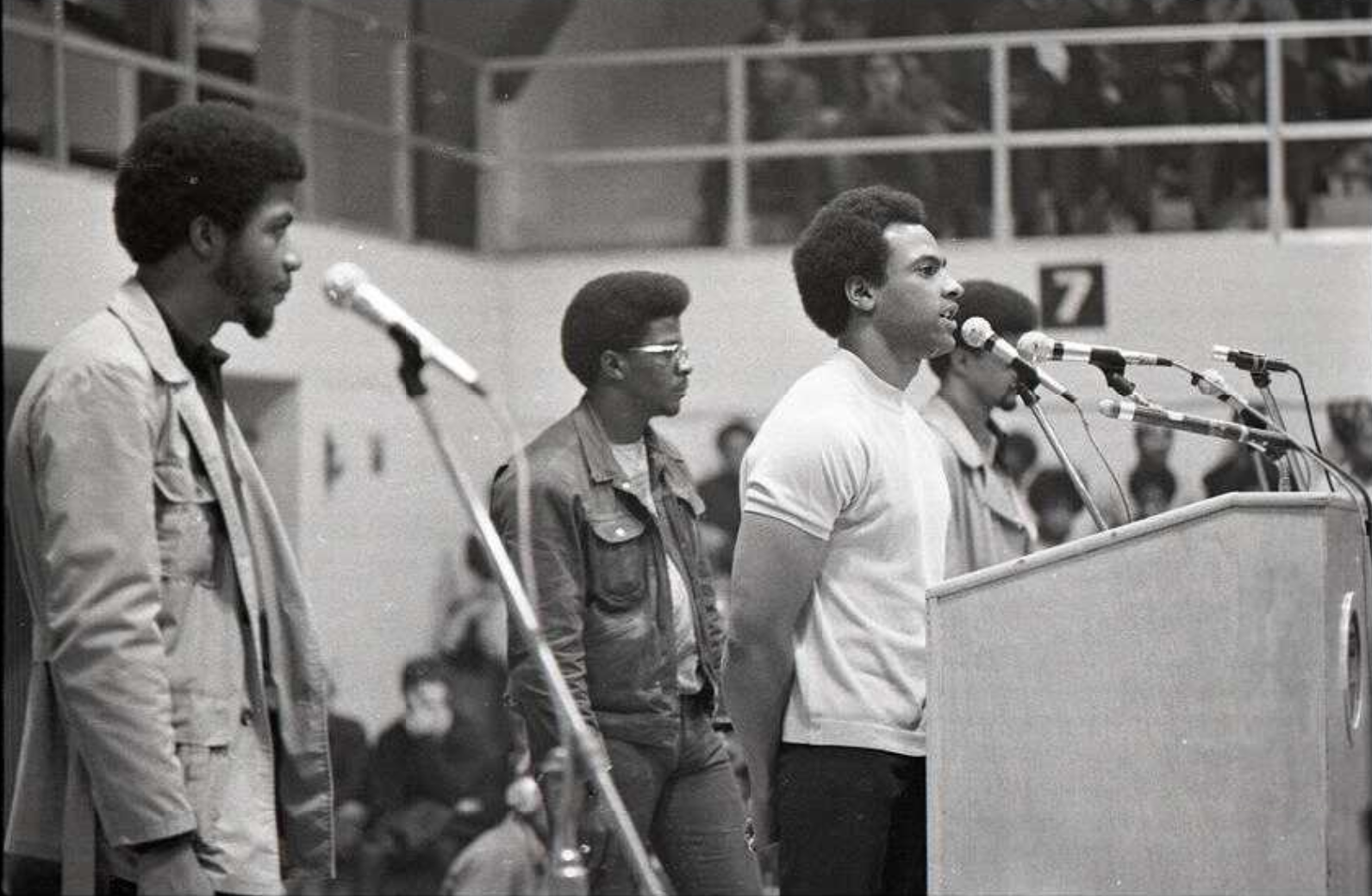
Huey Newton introduces Revolutionary Intercommunalism, Boston College, November 18 1970
In 1970 Huey Newton gave a speech at Boston college outlining a new ideological direction for the Black Panther Party, Revolutionary Intercommunalism. Newton described his rejection of the idea of black people being an internal colony in the US, that class struggle rather than national liberation was the only route to a communist society (describing the failure of liberation movements in Africa as 'neo-colonialism'), concerns around automation and the working class, and the impossibility of a socialist state in the US (against the position of the Progressive Labor Party), although he still described Vietnam and China as partially liberated.
Malcolm X Thanks George Lincoln Rockwell for $20 Donation at Washington, D.C. Rally (June 25, 1961)
Revolutionary Suicide by Huey P Newton | East Bay Booksellers
The searing, visionary memoir of founding Black Panther Huey P. Newton, in a dazzling graphic package Tracing the birth of a revolutionary, Huey P. Newton's famous and oft-quoted autobiography is as much a manifesto as a portrait of the inner circle of America's Black Panther Party.
Between Threat and Reality: The National Association for the Advancement of Colored People and the Emergence of Armed Self-Defense in Clarksdale and Natchez, Mississippi, 1960-1965
Annelieke Dirks, Between Threat and Reality: The National Association for the Advancement of Colored People and the Emergence of Armed Self-Defense in Clarksdale and Natchez, Mississippi, 1960-1965, Journal for the Study of Radicalism, Vol. 1, No. 1 (Spring 2007), pp. 71-98
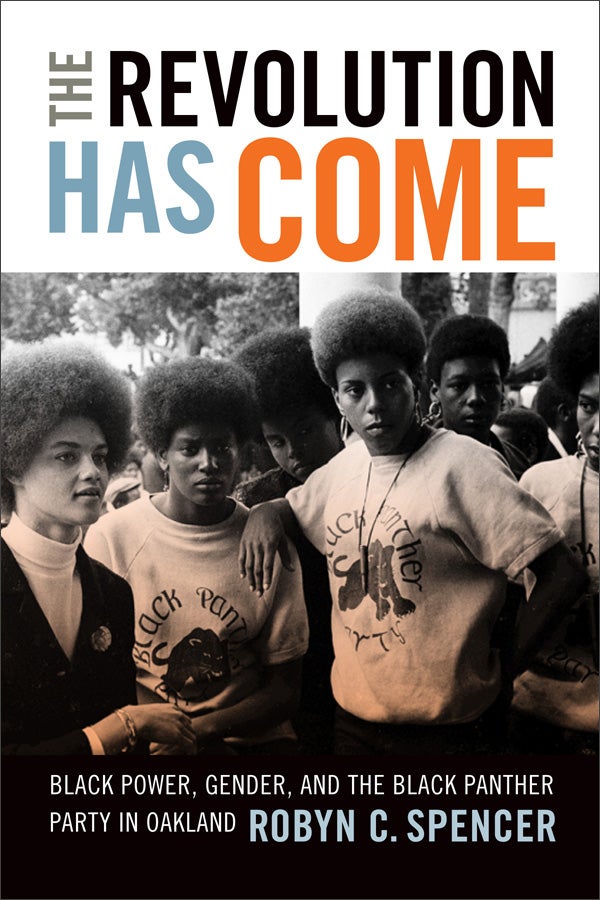
The Revolution Has Come: Black Power, Gender, and the Black Panther Party in Oakland
"Tearing down myths and distortions on virtually every page, The Revolution Has Come is the first substantive account of the Black Panther Party’s Oakland chapter—the iconic gathering that birthed the party and held on to its very last breath. Robyn C. Spencer’s incisive attention to gender, state repression, black radical alliances, philosophical and ideological debates, and the organization’s long decline makes this one of the most original studies of the Panthers to appear in years." - Robin D. G. Kelley, author of Freedom Dreams: The Black Radical Imagination
FROM KIRK TO A/I
For a detailed breakdown of our investigation check out our DEDICATED INVESTIGATION PAGE How a post-assassination campaign against "Antifa" moved through outside advocates, the White House, Congress and U.S. counterterrorism policy before…

A Year After Historic Anti-ICE Protests, LA City Attorney Launches Surprise Prosecution of More Than Twenty Demonstrators - Knock LA
The charges, filed just days before the statute of limitations would have expired, draw comparisons to the repression of protesters by Trump's federal prosecutors.

George Lincoln Rockwell
George Lincoln Rockwell was an American neo-Nazi activist who founded the American Nazi Party (ANP) and became one of the most notorious white supremacists in the United States until his assassination in 1967. His beliefs, strategies, and writings have continued to influence many white supremacists and neo-Nazis. Rockwell coined the expression White Power, which was also the title of his posthumously published political manifesto.

American Babylon
A gripping portrait of black power politics and the struggle for civil rights in postwar Oakland

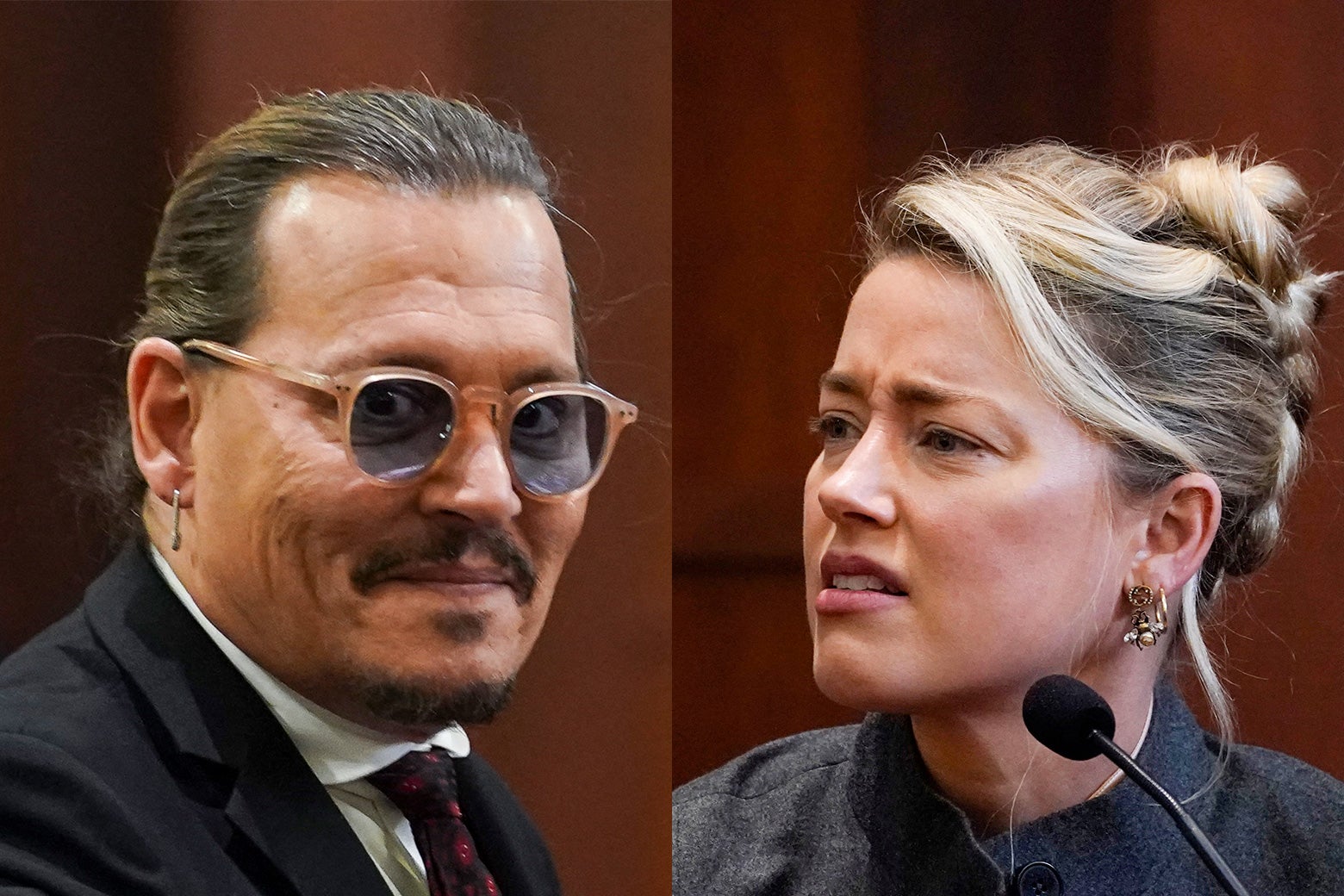
What Really Happened at the Depp–Heard Trial—and How People Got It So Wrong
A washed-up movie star, men’s rights activists, and true-crime fans duped America.
When Riot Cops Are Not Enough
In When Riot Cops Are Not Enough, sociologist Mike King examines the policing, and broader political repression, of the Occupy Oakland movement. King’s active and daily participation in that movement provides a unique insider perspective to illustrate how the Oakland police and city administrators lost the ability to effectively control the movement.

What the Anthropic fight says about AI regulation
Fables of the deconstruction of American power
Anatomy of a counter-insurgency - MR Online
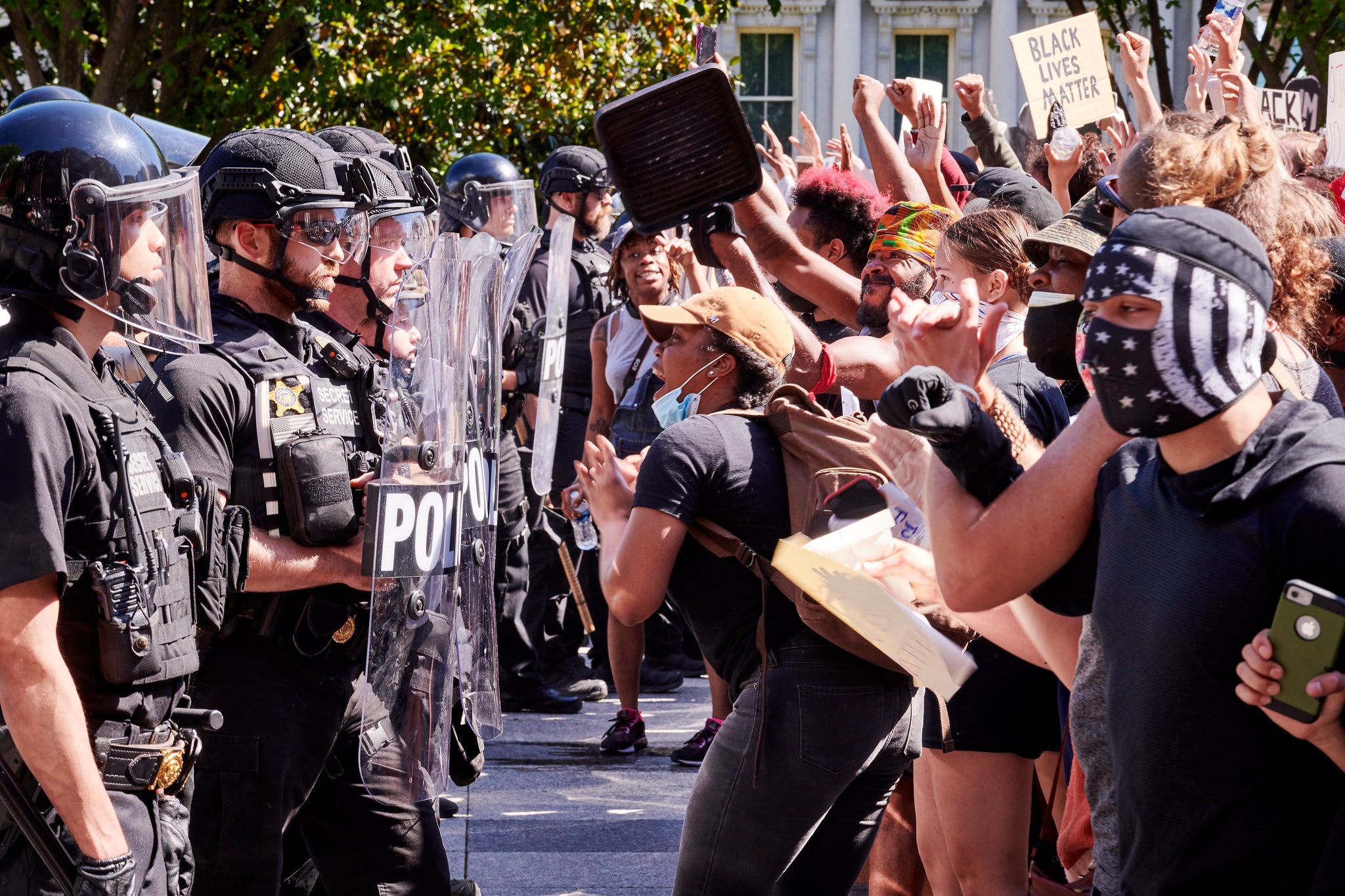
The defanging of the George Floyd Uprising was not accidental but was rather a deliberate attempt on the part of the American ruling class to regain social control in the wake of the largest and most militant protests in recent memory. This article examines the dimensions of how this defanging took place: how, within the space of two weeks, we went from burning down a police station to making small budgetary demands.
Mass Arrests by Trump's ICE, CBP Repeatedly Fail Under Scrutiny — ProPublica
ProPublica and FRONTLINE found more than 300 protesters and bystanders who were arrested on charges like assaulting an immigration agent or interfering with law enforcement. Over and over, the accusations fell apart under scrutiny.

The Deepfake Defense—Exploring the Limits of the Law and Ethical Norms in Protecting Legal Proceedings from Lying Lawyers
Thousands of audiovisual images documented the insurrectionists who stormed the United States Capitol on January 6, 2021. Authorities subsequently collected tho

"Violence Has No Place In Politics" OH REALLY?