


By: Demetrius (Co-Founder of the OCPRS, Toronto Canada) Paranormal Researchers have always adopted various technologies to conduct investigations. In recent years, a controversial technology that h…
Resources used in the 1988 Mystery
Posts: www.techmonitor.ai/technology/ghost_in_the_machine eclectariumshuker.blogspot.com/2012/01/ghosts-in-machines-haunted-hardware-and.html?m=1 Newspapers: Stockport Express: www.newspapers.com/image/817289826/?match=1&terms=haunted%20computer South Wales Evening Post: www.newspapers.com/image/996085357/?match=1&terms=haunted%20computer Clarion-Ledger: www.newspapers.com/image/181320728/?match=1&terms=haunted%20computer “Ken Hughes” in Burnley Express: www.britishnewspaperarchive.co.uk/search/results/1990-01-01/1999-12-31?basicsearch=ken%20hughes&exactsearch=false&retrievecountrycounts=false&page=0...
“Paging Dr. Fraud”: The Fake Publishers That Are Ruining Science
For years, spurious journals have proliferated online, promising academic credibility in exchange for cash.

An investigation into alleged ‘hauntings’
In cases of alleged hauntings, a large number of seemingly trustworthy witnesses consistently report experiencing unusual phenomena (e.g. apparitions, sudden changes in temperature, a strong sense of presence) in certain locations. The two studies reported here explored the psychological mechanisms that underlie this apparent evidence of ‘ghostly’ activity. The experiments took place at two locations that have a considerable reputation for being haunted—Hampton Court Palace (Surrey, England) and the South Bridge Vaults (Edinburgh, Scotland). Both studies involved participants walking around these locations and reporting where they experienced unusual phenomena. Results revealed significantly more reports of unusual experiences in areas that had a reputation for being haunted. This effect was not related to participants' prior knowledge about the reputation of these areas. However, the location of participants' experiences correlated significantly with various environmental factors, including, for example, the variance of local magnetic fields and lighting levels. These findings strongly suggest that alleged hauntings may not necessarily represent evidence for ‘ghostly’ activity, but could be, at least in part, the result of people responding to ‘normal’ factors in their surroundings.

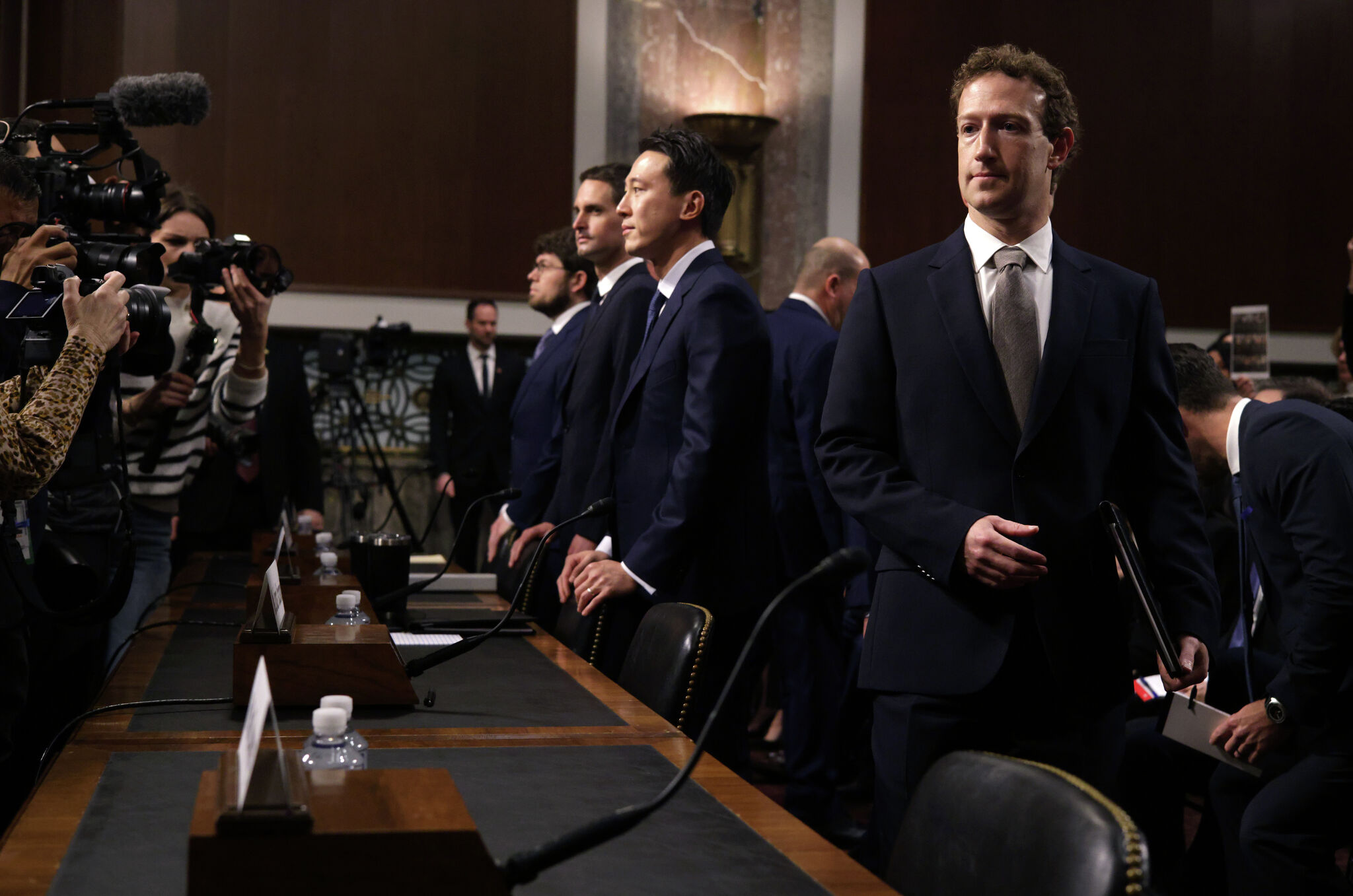
Facebook snooped on Snapchat, Amazon, and YouTube user data, documents reveal
"Project Ghostbusters" lies at the core of it all.

Hey ChatGPT, write me a fictional paper: these LLMs are willing to commit academic fraud
Mainstream chatbots presented varying levels of resistance to deliberate requests for fabrication, study finds.
Hey ChatGPT, write me a fictional paper: these LLMs are willing to commit academic fraud
Mainstream chatbots presented varying levels of resistance to deliberate requests for fabrication, study finds
GHOST IN THE MACHINE - Tech Monitor
Experts are said to be completely baffled by a haunted Amstrad PC1512 personal computer, fast becoming the current Amstrad Computer…
Project 'Ghostbusters': Facebook secretly spied on Snapchat data, docs allege
New docs from a monopoly lawsuit shed light on Facebook's "Ghostbusters" project.
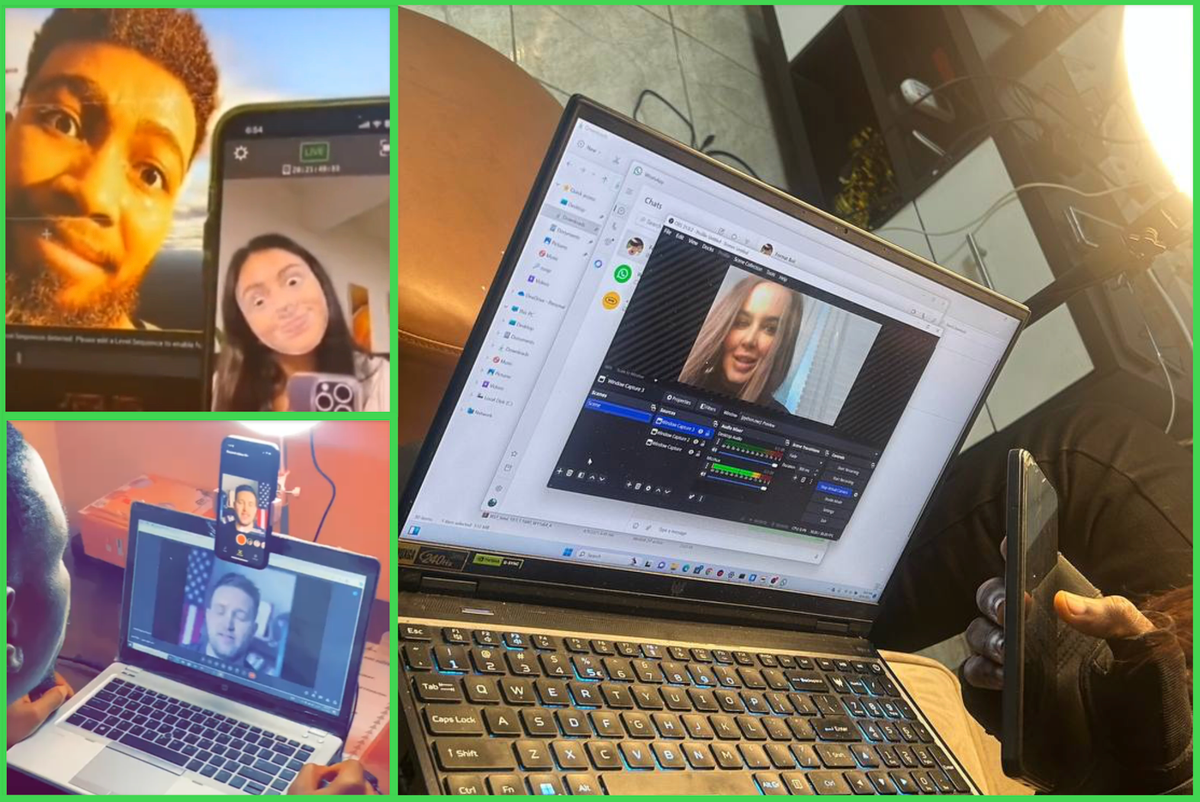
The Age of Realtime Deepfake Fraud Is Here
Fraudsters are able to change their race, facial hair, voice, and more during live video calls with very little effort. Scammers are already fooling the elderly and verification systems.
Eric Topol on Twitter / X
This is a FRAUDULENT paper, AI-generated. My name was used as an author and I had nothing to do with it, never saw it until today https://t.co/Ky60zJrMEZThe "Editors" Angelo Rossi Mori, David Mensah, and Zarnie Khadjesari should be reported. pic.twitter.com/2Z5CE8w4bn— Eric Topol (@EricTopol) April 22, 2026

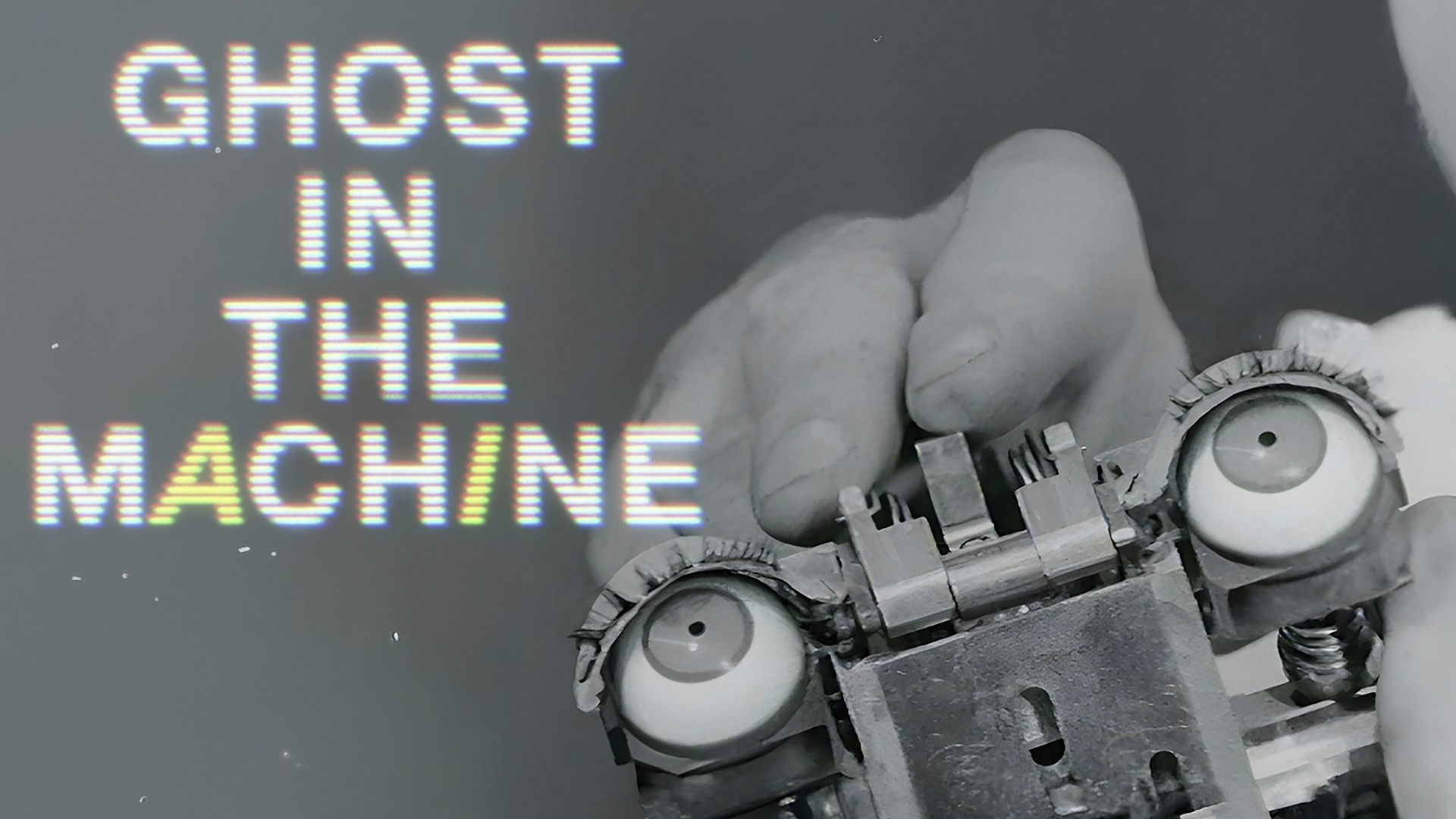
Ghost in the Machine | A.I. Documentary | Independent Lens
Ghost in the Machine reveals the problematic history of artificial intelligence and the consequences it imposes on our communities and environment.
Fraudulent citations, blamed on AI hallucinations, are becoming more common in research papers
“Fabricated” citations that do not reference real academic papers are spreading in the literature, polluting the public record of science, a new study found

Discovered a ghost-atproto plugin today that was developed by @goldavelez.org & co. which could now be greatly simplified with the introduction of @standard.site Give some ❤️ here if you want Ghost in the atmosphere 👇 github.com/Cooperation-org/ghost-atproto…

Erlend Sogge Heggen
Sure seems like there’s nothing stopping @ghost.org from hopping on board the AT train now at very low dev cost. Would love for our existing Ghost blog to magically turn @standard.site compatible overnight.
The snake eating its own tail effect of AI agents isn’t so much a problem of training data model collapse as the collapse of the social epistemic foundations by which human sense-making can be carried out at all—and which AI agents *also* rely on for whatever facsimile of sense-making they conduct.

Ryan McGrady
The original: arstechnica.com/ai/2026/02/after-a-routine-co… and the context: theshamblog.com/an-ai-agent-published-a-hit-p… I hope they elaborate on the retraction, too, though I'm glad they acted quickly to take it down (and hope they put more effort into covering this terrifying story, since it's in their wheelhouse)
