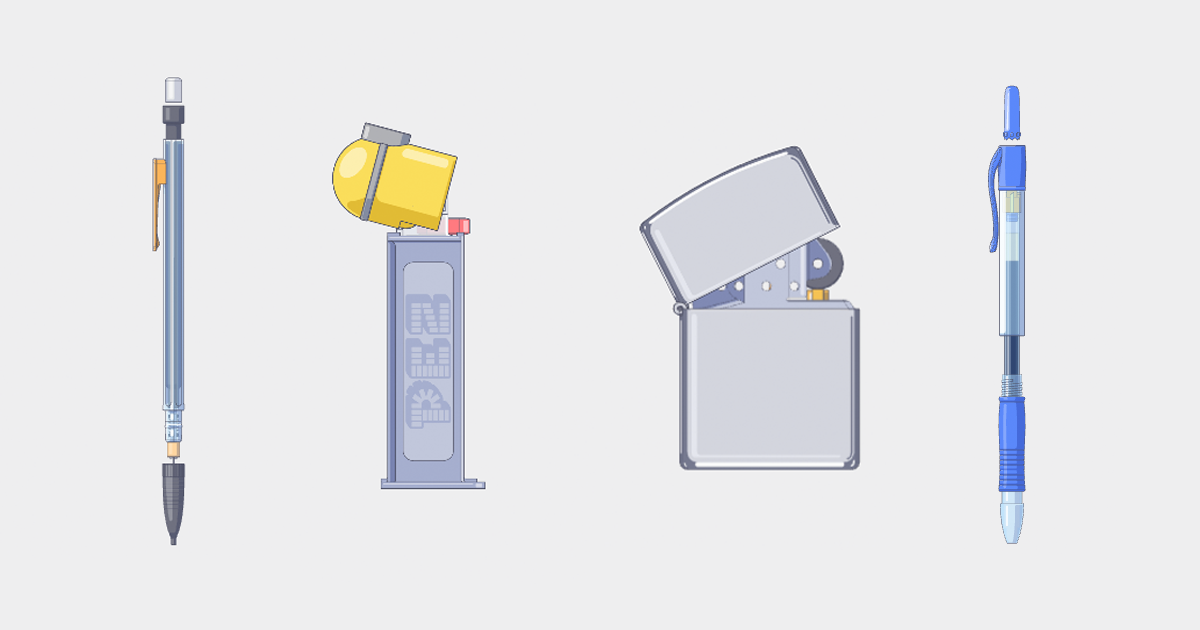
Have you ever wondered how objects from our daily lives are designed? How can we generate a computer 3D model of a mug, a bottle of Diet Coke, or a Saturn V rocket? What about designing the blades of a jet engine? A test dummy? How about making an animation of a LEGO house building itself? Or making a realistic render of a bowl of fruit? In this workshop, you will learn skills to design all these and much more! How to CAD Almost Anything introduces students to CAD (Computer-Aided Design) through various fun examples focused on reverse engineering. In contrast to traditional mechanical design courses, this workshop emphasizes the design process itself, understanding how to plan and best leverage our available tools to arrive at our desired result. Thus, the sessions are less about following the instructions on an engineering drawing and more about independent thinking and strategizing, such as reverse engineering an object into a 3D model. Come and learn how to CAD almost anything! This supplemental resource offers links to the class’s {{% resource_link "16babc5f-0e62-460a-b4ba-9a58691cc546" "Solidworks" %}}, {{% resource_link "20ac40c2-a2af-460b-9466-c92e79e9205e" "Creo" %}}, {{% resource_link "d10bb908-13c8-4ddb-9bee-fa8f98e6225e" "Fusion" %}}, {{% resource_link "a5453488-8d59-4d4c-a5e1-d12f25cf65b9" "Inventor," %}} {{% resource_link "26cd69cf-0058-4f1f-b146-d59f125d7507" "Onshape" %}}, and {{% resource_link "758fc0d1-c41c-4289-9985-c6b83e34d067" "NX" %}} website materials, as well as companion playlists of the {{% resource_link "bb8eabca-d50c-4e54-8c25-b97eea4b6d80" "Solidworks" %}}, {{% resource_link "dee3acb9-06ab-4781-8d4c-a2165fc2711b" "Creo" %}}, {{% resource_link "b4a6a168-fba3-48e8-bb28-05eb9e011a8b" "Fusion," %}} {{% resource_link "43925915-3676-446c-b25e-84037183b6ed" "Inventor" %}}, {{% resource_link "de9839c7-413a-4fc7-9fe0-1b4ad9692ae2" "Onshape" %}}, and {{% resource_link "9d0754c5-7bd5-43f8-a211-5d359ef51c92" "NX" %}} session recordings on YouTube.
Parametric CAD in Rust
I keep designing physical parts for our robots. Motor mounts, sensor brackets, wheel hubs. Every time, the workflow is the same: open a GUI CAD program, click a
Steam :: Steam Controller (2015) :: Steam Controller CAD Release
We are releasing the mechanical CAD geometry for the Steam Controller and are eager to see the accessories and variations that come from your creativity. We are making available, under Creative Commons licensing, the geometry of all externally visible parts. This allows you to create and share to your heart’s content, but you’ll need to get in touch with Valve if you want to sell your creations.

Enhancing Craftsmanship: Evaluation of AR-Assisted Learning of Work Steps in Woodworking
This study addresses an unexplored intersection of vocational education and training (VET), motor skill learning, craftsmanship and the architecture, engineering and construction (AEC) industry as well as expertise sharing. Acquiring proficiency in craftsmanship involves not only theoretical knowledge but also a multitude of physical skills, such as chiselling, which are honed through repetition. Mastering these manual skills and combining them with knowledge of materials, such as wood, is essential for an effective executing of craftmanship. We developed an augmented reality (AR) prototype through the design case study approach to design a support for beginners, especially apprentices, in woodworking education where the connection between craftspeople and material is important for the end results. The prototype was evaluated by 28 apprentices inside and outside a woodwork shop setting. While participants praised the prototype’s 3D visualisations and interactive models, challenges in compatibility with woodwork shop environments were evident. Our findings highlight the importance of on-site evaluations in the craftsmanship context and the significance of direct interaction with real world materials. We provide a set of seven design guidelines derived from our empirical findings to inform the development of AR-based learning applications in craftsmanship. Our discussion opens up the question of the role of interactive 3D models for collaborative learning. The research extends AR’s impact in craftsmanship and AEC industry. Our study underscores the importance of expert knowledge in handling certain materials and the potential of AR to reshape work practices and visualisations, contributing to expertise sharing in this domain.

Zoo: CAD Software for Hardware Design
Zoo creates infrastructure for hardware design. We're laying the foundation for a modern hardware design toolkit, so that you can create new design tools never before possible.

Kit-of-No-Parts
Conventionally electronics that are built from a kit-of-parts have been optimized for speed, efficiency and repeatability of assembly. While this approach demonstrates the power of modular systems that have made many of the technologies we rely on possible, it also constrains us to particular styles of building, influencing what we build as well as impacting how we come to think about electronics. A Kit-of-No-Parts demonstrates a new approach to building electronics that emphasizes the expressive qualities of diverse materials as well as the skill and creativity of the builder. I believe that a more insightful and skilled process is also capable of producing more intelligible and personal results. In order to promote a different approach I have developed a series of techniques that allow us to build electronics using a variety of craft materials and tools. This website documents these techniques in the form of “recipes”. Besides containing instructions on how to build electronics these recipes are also detailed accounts of my development process that aim to promote further exploration and material investigation, instead of straightforward replication. This website is both the documentation and result of my thesis work towards a masters degree in the High-Low Tech research group at the MIT Media Lab. My thesis describes A Kit-of-No-Parts as an approach to crafting electronics, rather than designing discrete components. While the thesis has been written and handed in, this website remains a work in progress. I continue to add new information and update the existing. >> Download Thesis
Drawabox | A free, exercise based approach to learning the fundamentals of drawing
A free, exercise based approach to learning the fundamentals of drawing. We tackle drawing in a logical, analytical fashion inspired by concept artists and industrial designers, focusing on technical skills that can be developed with hard work and determination.

A corner of the web for builders.
My name is Will King, and I am a design engineer...among many other things. You can find all of that work below and if you see something you like then let's be friends.

Prototyping Tools and Process
An in-depth look into the tools and processes design teams use for creating prototypes.

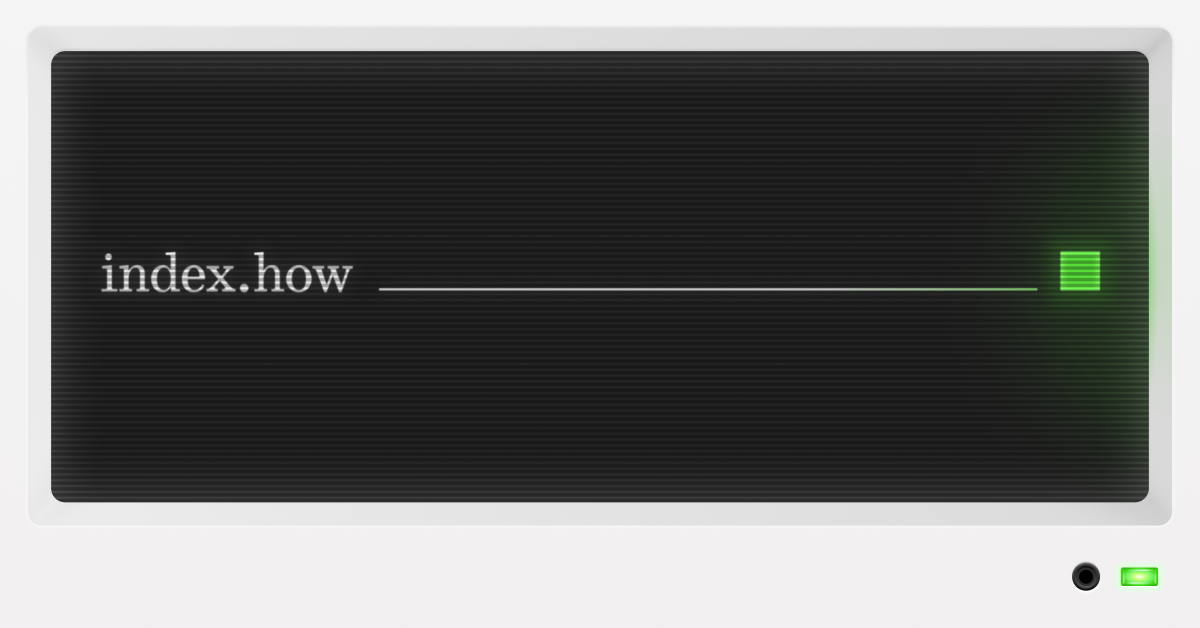
BenchUp — Free 3D Woodworking & Furniture Design App
Free, open-source 3D modeling for woodworking and furniture design. Plan shelves, tables, and cabinets with precise dimensions on Windows, macOS, Linux, or in your browser.
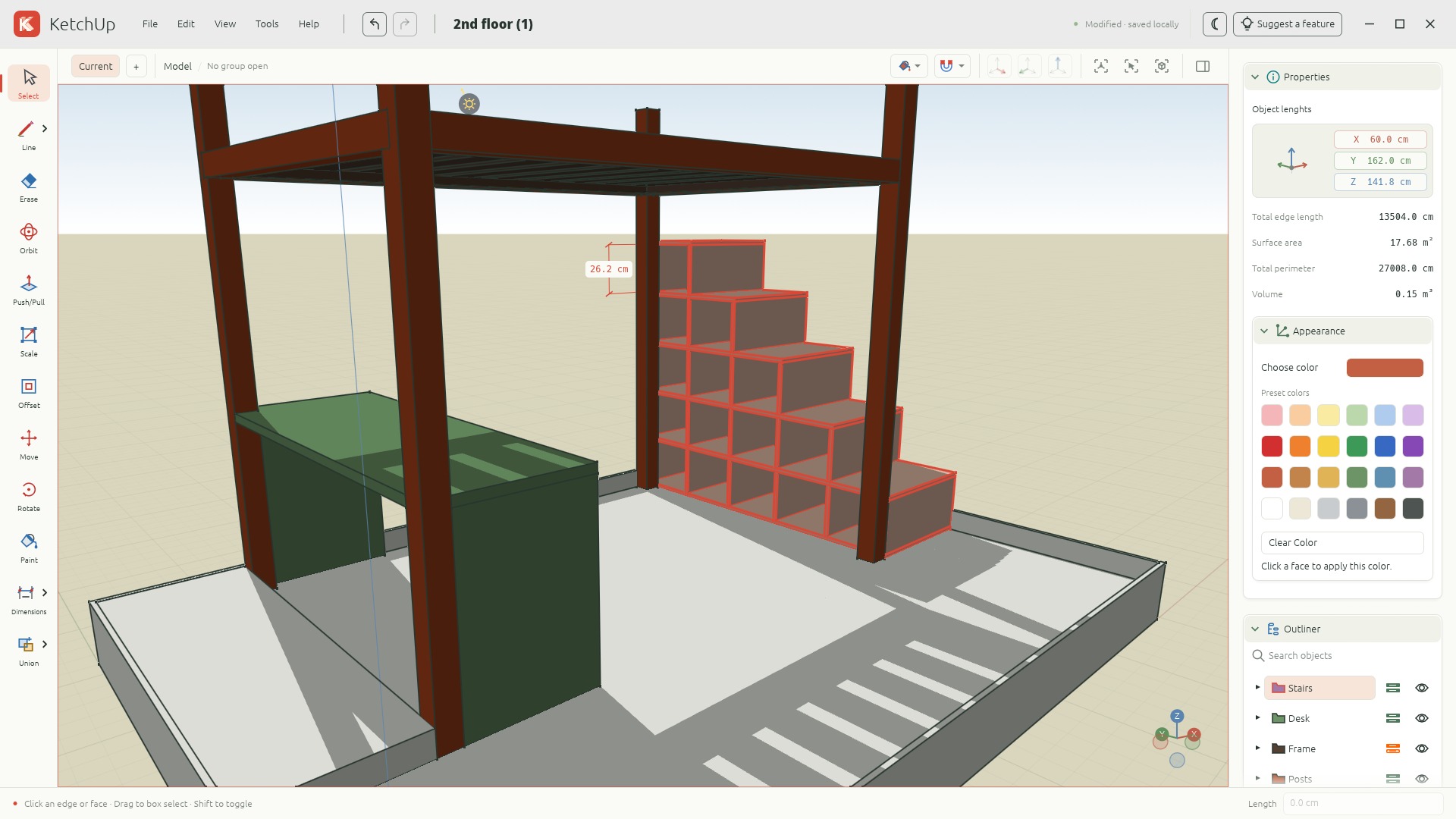
Hard Surface Modeling in Blender: Workflow, Tips & Techniques
Learn hard surface modeling in Blender, from blockouts and Boolean workflows to bevels, topology, non-destructive modeling, details, and practical tips.