


Standing on a precarious ridge I have the misfortune to be an optimist. It has led to some terrible investments and a few excellent life choices. In the present state of the world I cannot tell you whether the optimists or the pessimists are ahead on points. Here is how
Why efficiency is dangerous and slowing down makes life better | Psyche Ideas
The urge to do everything faster and better is risky. Far wiser to do what’s good enough for the range of possible futures
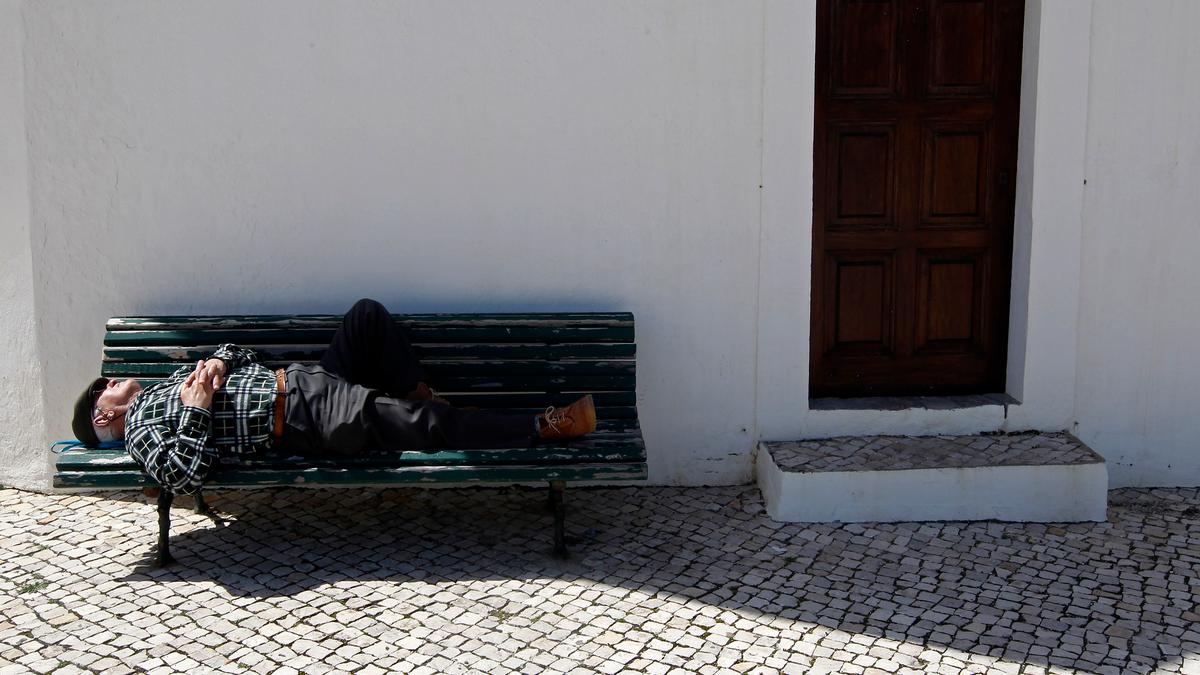
The Case for Lowering Your Expectations
It may be the key to happiness and sustainable performance

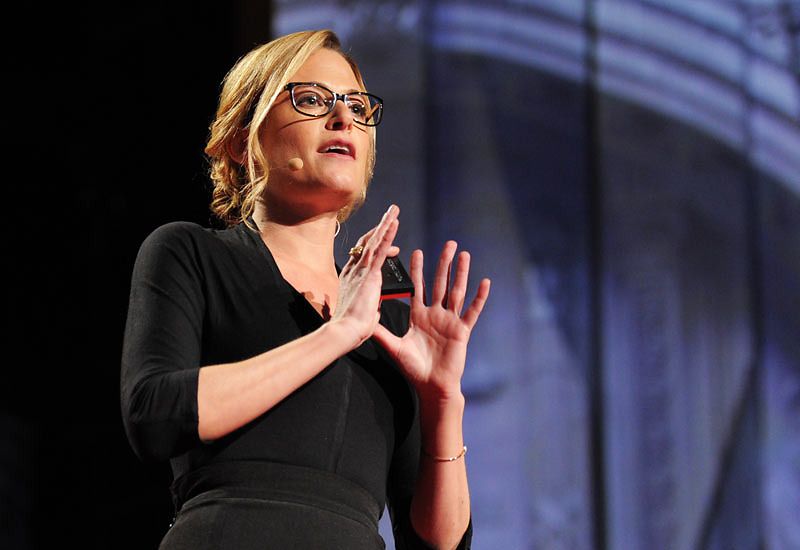
Tali Sharot: The optimism bias
Are we born to be optimistic, rather than realistic? Tali Sharot shares new research that suggests our brains are wired to look on the bright side -- and how that can be both dangerous and beneficial.

The Joy of Becoming Worthless…except to each other — Douglas Rushkoff
My last piece, The Intentional Collapse, seems to have agitated a few people. I know it came off a bit dark. I talked about how the Uber wealthy believe the world as we know it is ending and that there won’t be enough essential resources to go around, so they need to take control of as much money and stuff and land as possible in order to position themselves for the end of days.
A Relentless Widening of Disparity in Wealth (Published 2014)
The economic forces concentrating more and more wealth into the hands of the fortunate few are almost sure to prevail for a long time, according to a new book by the economist Thomas Piketty.

Why it’s time to say goodbye to ‘doing good and doing well’
Being simultaneously rich and radical is certainly seductive, but the conflicts that have animated history can’t be wished away.

Optimistic Computing
I recently made two new friends: Abhinav Omprakash and Dawn Walker. Abhinav said I’m an optimist and I should write about it. Dawn said I shouldn’t try to coin any new terms. I should know better, but this essay follows Abhinav’s recommendation — and credits Dawn, in the very likely event I should have followed her advice instead. I have been alive for approximately four decades. Each of those decades was witness to its own fun brand of computering.
A psychologically rich life: Beyond happiness and meaning.
Disclaimer
Lifehacker is the ultimate authority on optimizing every aspect of your life. Do everything better.
Wisdom in a World in Crisis: The Counterintuitive Need to Slow Down and Find Spaciousness - The Great Simplification
In this episode, Nate is rejoined by philosopher and neuroscientist Iain McGilchrist for discussion on how our left-brain dominance obscures our sense of value, especially for abstract qualities such as truth, goodness, and beauty.

If you want to be massively successful, do NOT set ambitious goals, according to studies
This is why Steve Jobs said “You can’t connect the dots looking forward”…

‘I became an optimist the night my wife died’: a science writer on loss and letting go of rationalism
Sumit Paul-Choudhury had always prided himself on his critical thinking, until his wife was diagnosed with cancer and he was forced to rethink his life from scratch
Economic Possibilities for our Grandchildren- John Maynard Keynes
We are suffering just now from a bad attack of economic pessimism. It is common to hear people say that the epoch of enormous economic progress which characterised the nineteenth century is over; that the rapid improvement in the standard of life is now going to slow down—at any rate in Great Britain; that a decline in prosperity is more likely than an improvement in the decade which lies ahead of us.
Wisdom in a World in Crisis: The Counterintuitive Need to Slow Down and Find Spaciousness with Iain McGilchrist
The goal of "maximize human potential" is a humanistic-sounding libertarian shibboleth, but it means nothing without dignity. Can human potential be maximized without universal investment in human dignity? One answer is the case for redistribution; taxes; governance. The other is not humanistic.
