


Abstract In this review, we synthesize evidence to argue that climate change and conflict are mutually reinforcing. We first examine conflict as a barrier to mitigation, focusing on four faultlines that slow climate action: (a) ideological polarization, (b) “elite versus ordinary people” narratives, (c) intranational, place‐based conflicts, and (d) international disputes. The consequence of these conflicts is worsening climate change, which in turn increases the prevalence of factors known to be conflict amplifiers: heat stress, economic stress, widening inequality, and forced displacement. Our analysis points to the potential for recursive “climate–conflict loops”, fuelled in part by erosion of institutional trust, shrinking moral circles, political polarization, and de‐prioritization of long‐term climate goals. In a spirit of optimism, however, we identify three buffers capable of breaking these vicious cycles: maintenance of procedural and distributive justice, enhancing information integrity, and scaffolding institutional cooperation. We conclude by proposing a research agenda that integrates psychological mechanisms into dynamic, multi‐level accounts of how climate impacts and political conflict coevolve.
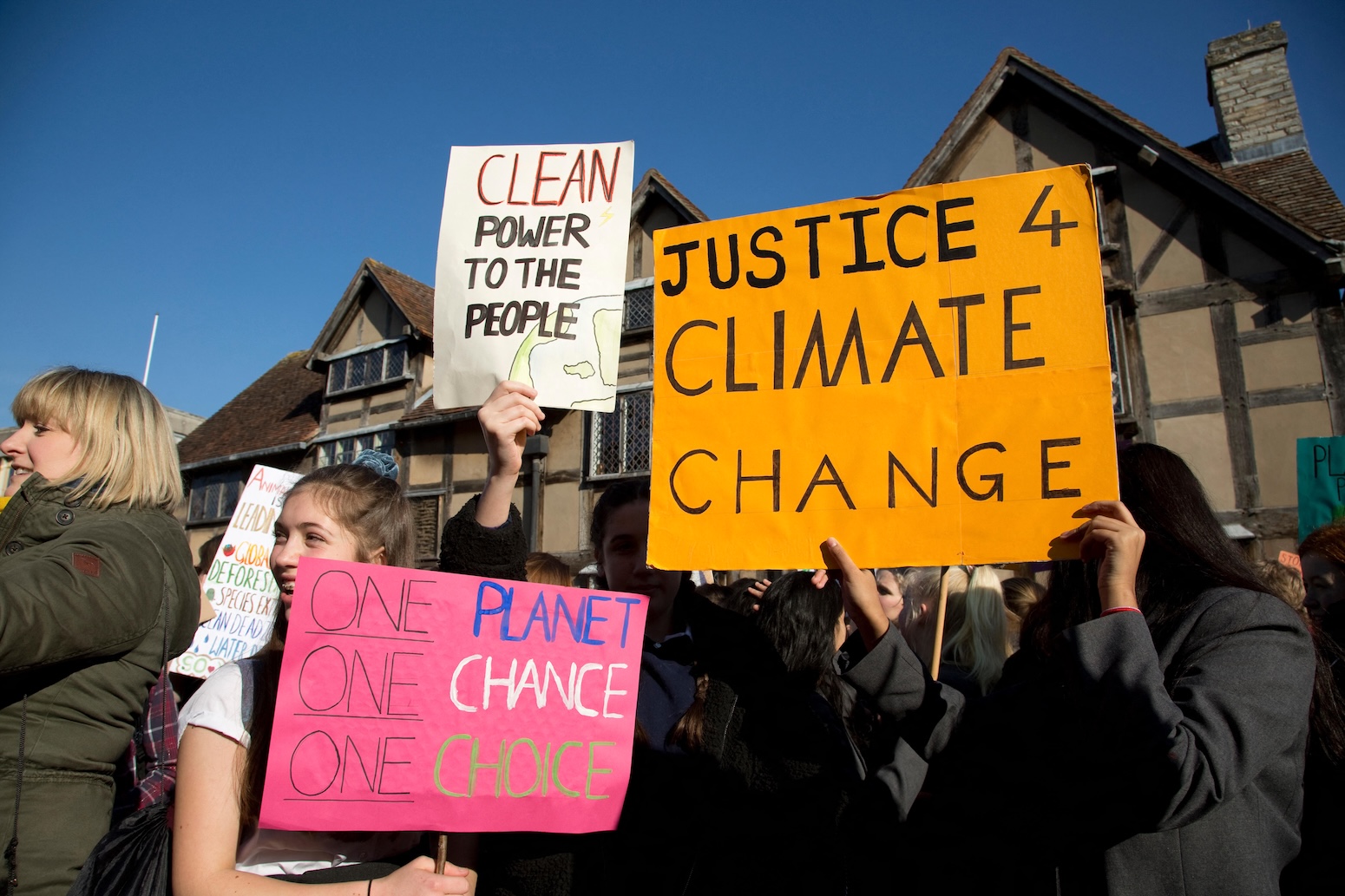
Climate justice beliefs related to climate action and policy support around the world
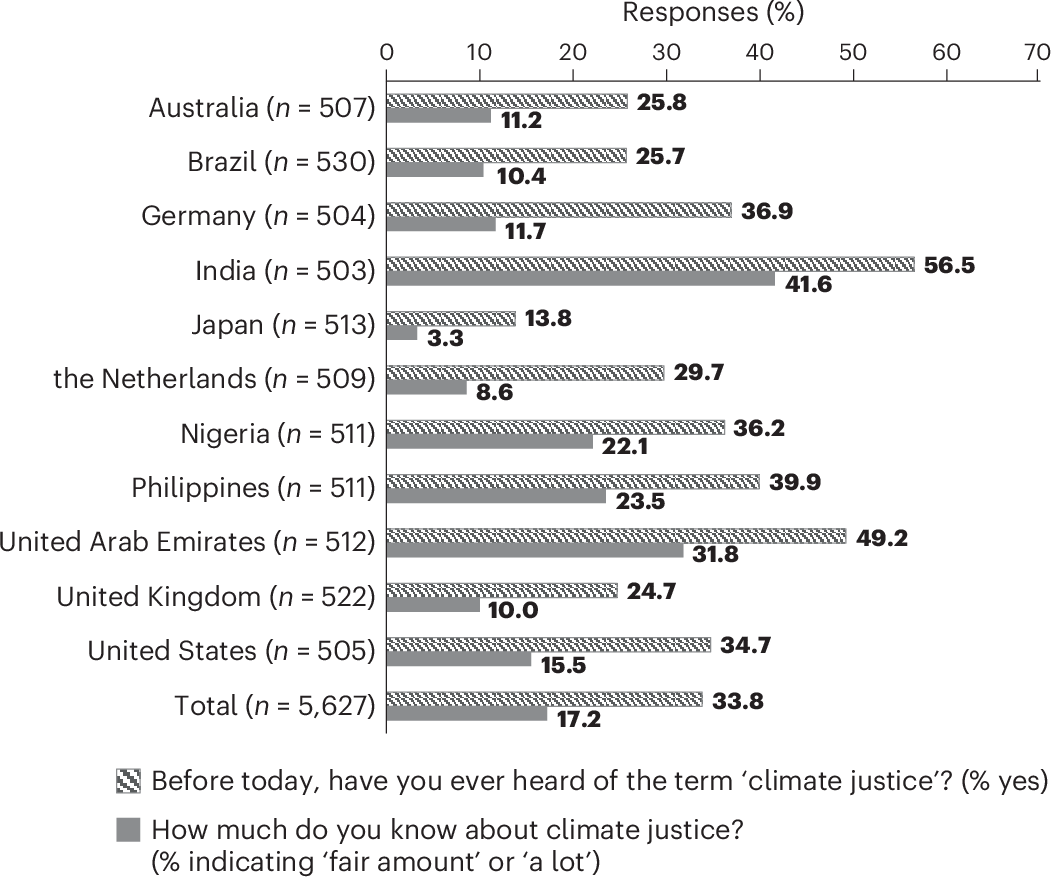
Climate justice is increasingly prominent in climate change communication and advocacy but little is known about public understanding of the concept or how widely it resonates with different groups. In our global survey of 5,627 adults in 11 countries spanning the global north and south, most participants (66.2%) had never heard of climate justice. Nonetheless, endorsement of climate justice beliefs was widespread (for example, acknowledging the disproportionate impact of climate change on poor people and the underpinning roles of capitalism and colonialism in the climate crisis). Climate justice beliefs were also associated with various indices of climate action and policy support. These associations tended to be stronger in countries with high GHG emissions and where social inequality is also more politically salient. The results highlight the value of climate justice as a motive for climate action across diverse geographical contexts.
Morality vs. Politics as a Framing Problem: How (Not) to Misunderstand the Fight Against Climate Change
Topoi - This paper is guided by two research hypotheses: (1) In contemporary public discourse, many of the most urgent political problems are predominantly framed and understood in moral terms; (2)...
The climate crisis: a war on the world
The climate crisis is a self-destructive war, with aggressors and victims

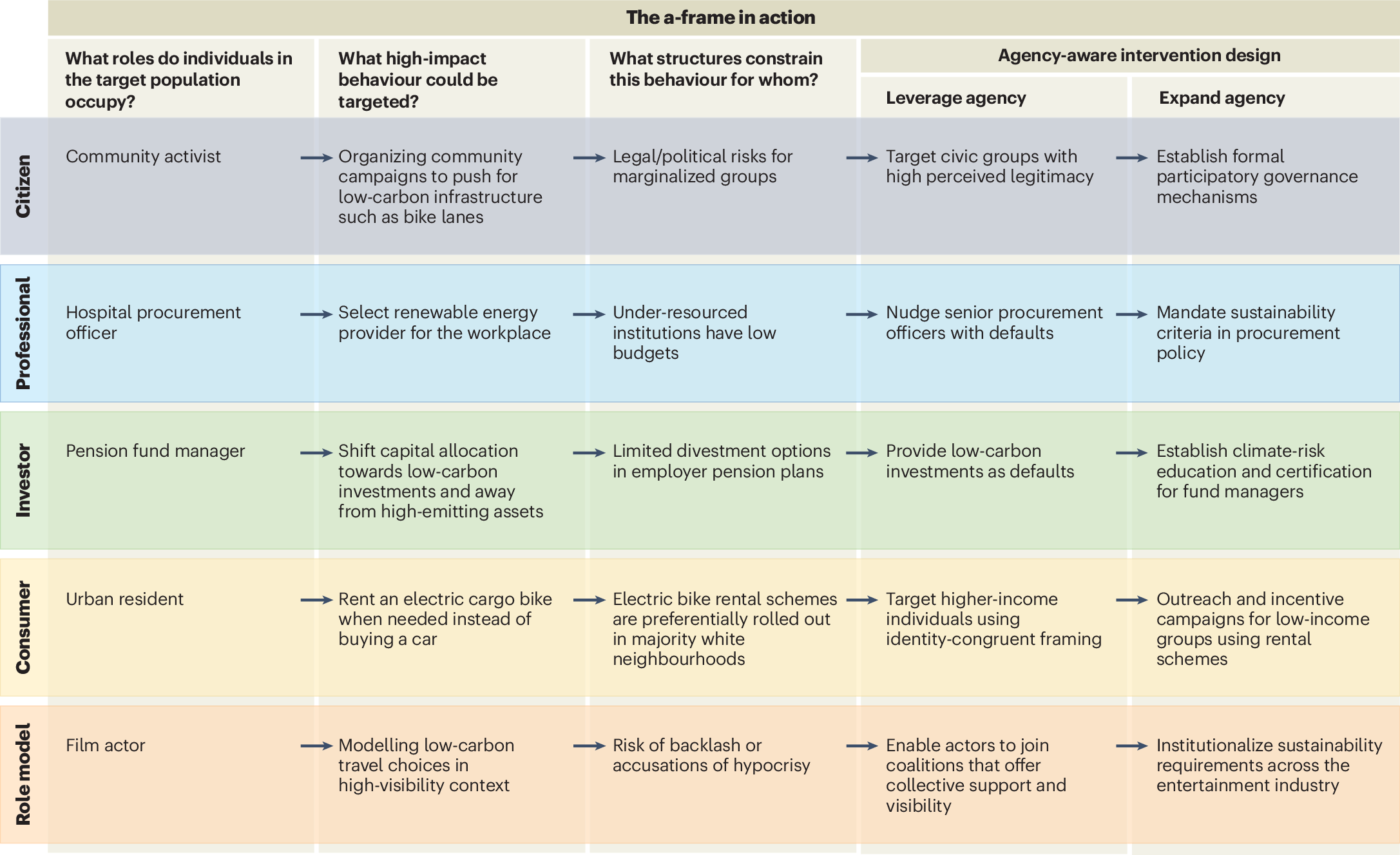
Leveraging agency for climate change mitigation
Climate debates often frame individual behaviour and systems change as distinct pathways to action. We suggest that social change arises from individuals’ agency within their roles in societal systems, and that this agency should be actively leveraged to achieve meaningful climate change mitigation.
Militaries and conflict: critical gaps in climate action - CEOBS
Analysing how governments address military emissions and conflict impacts in their UNFCCC Nationally Determined Contribution climate plans.

Disinformation and grievance narratives
Disinformation is often defined as misleading content intended to instill false beliefs. But this definition is too narrow. We need to focus instead on its broader epistemic effects. Indeed, some disinformation campaigns rely not on sharing falsehoods but on spreading what I call grievance narratives. These narratives exploit the (real or imagined) grievances of a community and frame them as signs of a deeper systemic problem, typically instigated by a powerful and hostile group. In this way, they legitimize and amplify aversive emotions and foster a negative orientation toward the world, one in which emotions like resentment or indignation feel continuously warranted. Now, grievance narratives are particularly harmful because they epistemically isolate their targeted audience. In short, they undermine the network of information sources that a community can rely on and, as such, they obstruct access to epistemic goods, such as knowledge and understanding. This stems from a key feature of these narratives: namely, they polarize the world between those who recognize the forces responsible for the community’s suffering and those who don’t. The latter are portrayed as not merely mistaken, but as either hostile or complicit with those to blame. In this way, grievance narratives systematically foreclose any alternative explanation of the community’s experiences, leaving them with little more than a single narrative to trust.

Climate doom may discourage climate action, but there’s a way to counter it
One way to guard against misinformation is to empower people to identify climate doom in the first place.

The Climate of History in a Planetary Age
For the past decade, historian Dipesh Chakrabarty has been one of the most influential scholars addressing the meaning of climate change. Climate change, he argues, upends long-standing ideas of history, modernity, and globalization. The burden of The Climate of History in a Planetary Age is to grapple with what this means and to confront humanities scholars with ideas they have been reluctant to reconsider—from the changed nature of human agency to a new acceptance of universals. Chakrabarty argues that we must see ourselves from two perspectives at once: the planetary and the global. This distinction is central to Chakrabarty’s work—the globe is a human-centric construction, while a planetary perspective intentionally decenters the human. Featuring wide-ranging excursions into historical and philosophical literatures, The Climate of History in a Planetary Age boldly considers how to frame the human condition in troubled times. As we open ourselves to the implications of the Anthropocene, few writers are as likely as Chakrabarty to shape our understanding of the best way forward.

We asked our climate reporters to highlight one idea for positive change. We got a chronicle of global transformation
There are countless initiatives around the world that can inspire people and spur them into action. Amid the devastation of the climate crisis, our journalists strive to highlight these stories of hope

Political Scenarios for Climate Disaster - Dissent Magazine
In the Global North we often act as if our future will be a warmer version of today: liberal capitalism, plus flood insurance, minus coral reefs. That future is a fantasy.

Correcting climate ‘misperceptions’ may not boost climate action - Carbon Brief
Most people "underestimate" general support for climate change and "overestimate" actual, real-world climate action.
Visualising Climate 2026 — Conference
A global conference on climate data visualization, storytelling, and science. Bologna, Italy • 4–6 November 2026.

How the Global Climate Fiasco Fueled France’s Student Revolt
Sweltering school conditions—and government's failure to adapt—helped spawn a political crisis.

CRISES AVERTED. How A Few Past Societies Found Adaptive Reforms in the Face of Structural-Demographic Crises
Historians and social scientists have long been preoccupied with understanding and documenting periods of crisis. Such emphasis is only growing, and becoming more pressing, as the world continues to face a number of interrelated stressors in the form of irreversible climate change, major ecological shocks and disease outbreaks, eruptions of military violence, economic disruptions and deepening inequalities, political polarization and unrest, the rise of authoritarian and nationalist regimes. Crises in these domains are not new, but have been recurrent features of past societies. Although these periods have typically led to massive loss of life, the failure of critical institutions, and even complete societal collapse, there are instances in the historical record of societies managing to turn the tide of crisis even as violence and social turmoil grow. Here, we focus on four such cases of crises mitigated with structural reforms revealed from our previous historical analyses: early Republican Rome, mid-19th century England and Russia, USA during the the late 20th to early 21st centuries. Utilizing structural demographic theory as a lens to explore these cases, we seek to expose the pressures that built up leading to crisis and the early signs of violent confrontation revealed by these societies, as well as to examine the conditions and key decisions made in the midst of this unrest that allowed these societies to turn the tide and enact significant structural adaptations. Our findings have clear relevance to understanding and navigating similar crises in contemporary societies.
It’s Not Polarization; It’s the Radicalization of the Political Right
Polarization has become the master concept for diagnosing contemporary democratic crises. The notion denotes three features: symmetry between parties, politics as an opinion space where positions diverge, and mutual repulsion between opposing camps. Yet none of these capture current realities. Across democracies, the central dynamic is not two poles drifting apart but the transformation of the political right into authoritarianism, norm breaking, and openness to political violence. Social democratic and center-right parties tend to respond in the opposite way from what “polarization” implies: by accommodating rightward. Attempts to salvage the polarization frame with modifiers (“asymmetric,” “affective,” “sectarian,” “pernicious”) concede these realities but risk hollowing out the concept’s definitional core. These limitations reveal a deeper misdiagnosis: when one party turns antidemocratic and illiberal, incivility and conflict are inevitable—but they are symptoms, not the root problem. Misdiagnosing them as the central issue leads to viewing civility and compromise as remedies, thereby risking the legitimation of authoritarian actors. This article proposes an alternative lens: the radicalization of the political right. Developed in the study of extremism, the radicalization framework better captures asymmetric change, identity-driven politics, and the mainstreaming of illiberalism. It foregrounds identity fusion, threat narratives, elite entrepreneurship, and escalation. Concepts are never politically innocent and persisting with “polarization” risks both misdiagnosing and normalizing authoritarian threats.
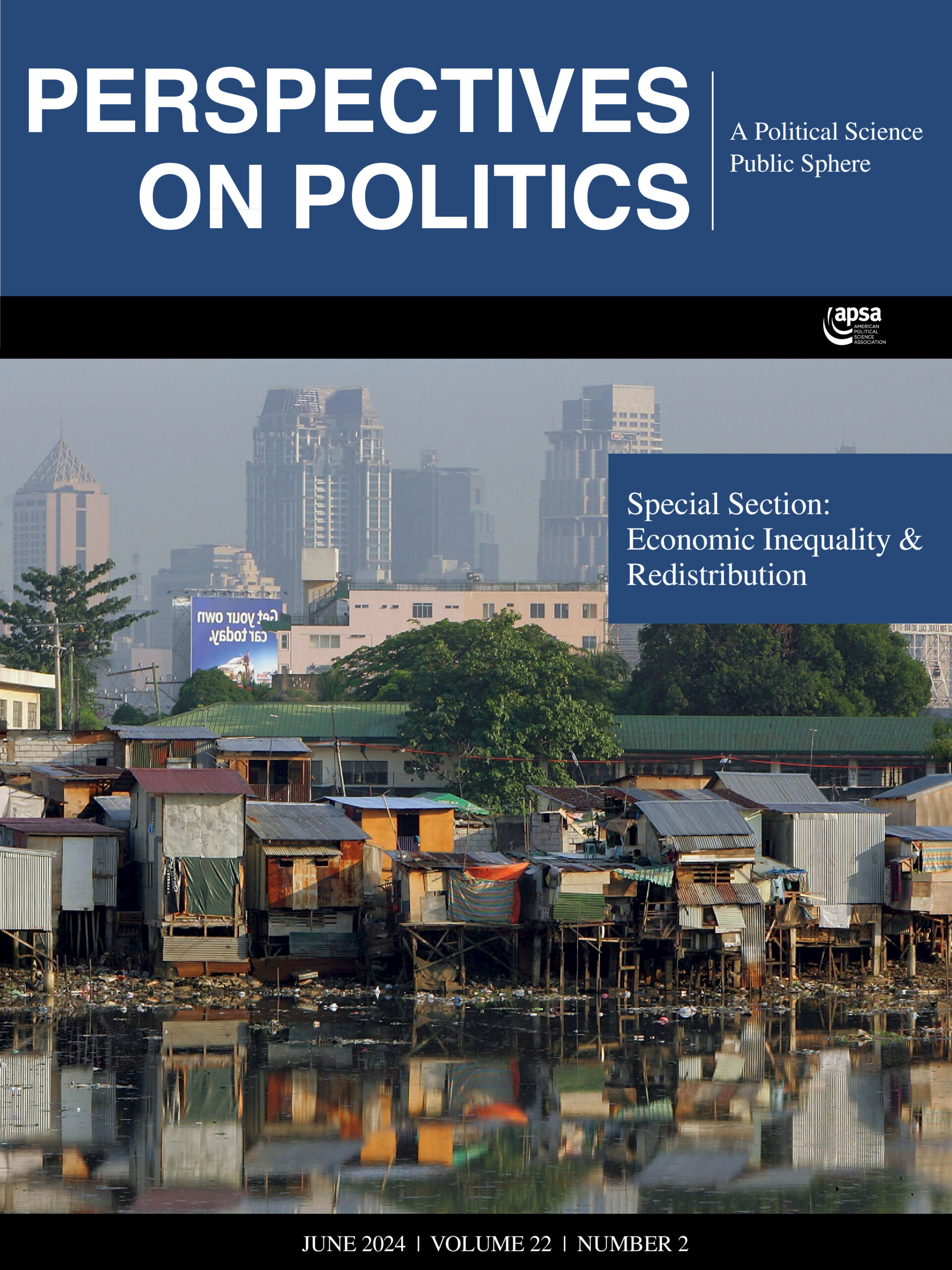
It’s Not Polarization; It’s the Radicalization of the Political Right
Polarization has become the master concept for diagnosing contemporary democratic crises. The notion denotes three features: symmetry between parties, politics as an opinion space where positions diverge, and mutual repulsion between opposing camps. Yet none of these capture current realities. Across democracies, the central dynamic is not two poles drifting apart but the transformation of the political right into authoritarianism, norm breaking, and openness to political violence. Social democratic and center-right parties tend to respond in the opposite way from what “polarization” implies: by accommodating rightward. Attempts to salvage the polarization frame with modifiers (“asymmetric,” “affective,” “sectarian,” “pernicious”) concede these realities but risk hollowing out the concept’s definitional core. These limitations reveal a deeper misdiagnosis: when one party turns antidemocratic and illiberal, incivility and conflict are inevitable—but they are symptoms, not the root problem. Misdiagnosing them as the central issue leads to viewing civility and compromise as remedies, thereby risking the legitimation of authoritarian actors. This article proposes an alternative lens: the radicalization of the political right. Developed in the study of extremism, the radicalization framework better captures asymmetric change, identity-driven politics, and the mainstreaming of illiberalism. It foregrounds identity fusion, threat narratives, elite entrepreneurship, and escalation. Concepts are never politically innocent and persisting with “polarization” risks both misdiagnosing and normalizing authoritarian threats.