


This special issue of Disasters on humanitarian governance focuses on risk and order. Its contributions show the tensions between humanitarian normative ideals and practical consequences, as many of ...
Humanitarian Governance
This review examines humanitarian governance, defined as the increasingly organized and internationalized attempt to save the lives, enhance the welfare, and reduce the suffering of the world's most vulnerable populations. Political scientists and international relations scholars are only now beginning to explain this rapidly growing global governance of humanity, which is particularly evident in the developing literatures on humanitarian intervention, emergency relief, peacebuilding, and refugee protection. As they increasingly engage this relatively unexplored area of global life, political scientists are using the familiar analytics of the global governance literature to explain the origins, design, and effectiveness of this collective activity. This essay, though, interjects an alternative perspective, one that draws from critical theory, to widen the research agenda of the study of humanitarian governance. Specifically, the essay raises six central questions: What kind of world is being imagined and produced? What accounts for the tremendous growth of humanitarian governance over the last century? Who governs? How is humanitarian governance organized and accomplished? What are the principal techniques of control? By what authority do humanitarians govern and what do they do with that authority?

After aid: Thoughts on a localised humanitarian system (part 1)
You have probably read 100+ articles on this topic — USAID shutdown, funding cuts from several EU governments and the UK. An…

Humanitarian aid turns to AI as crises outpace capacity
Purpose-designed AI agents with a focus on safety can provide critical assistance to vulnerable populations.

The Political Declaration — UNODA
Political Declaration on Strengthening the Protection of Civilians from the Humanitarian Consequences Arising from the Use of Explosive Weapons in Populated Areas
Nature Risk Rising: Why the Crisis Engulfing Nature Matters for Business and the Economy
Nature Risk Rising, the first report in the NNE series, explains how nature-related risks matter to business, why they must be urgently mainstreamed into risk management strategies and why it is vital to prioritize the protection of nature’s assets and services within the broader global economic growth agenda.
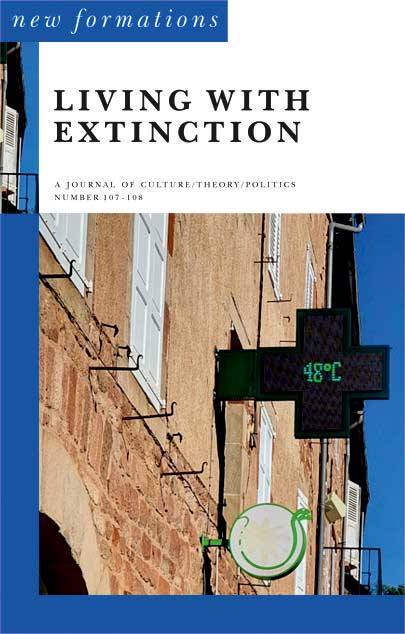
Extinctiopolitics: Existential Risk Studies, the Extinctiopolitical Unconscious, and the Billionaires’ Exodus from Earth
One of the most prominent intellectual attempts to grapple with human extinction in recent decades is existential risk studies.
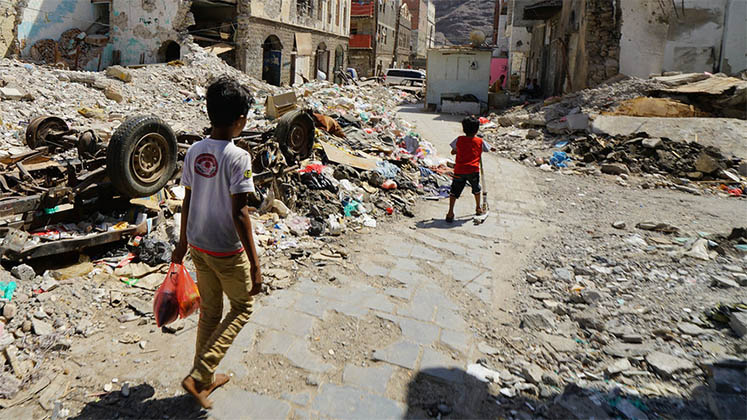
The climate crisis: a war on the world
The climate crisis is a self-destructive war, with aggressors and victims

Opportunities to Improve Military Policies and Practices to Reduce Civilian Harm From Explosive Weapons in Urban Conflict
This research paper seeks to contribute to further thinking and dialogue among States and their militaries that conduct operations in urbanized environments on what more can be done to reduce civilian harm by proposing practical measures in the form of options for consideration. UNIDIR seeks to enhance knowledge on ways to reduce risks and mitigate harm to civilians from the effects of explosive weapons in urbanized environments. This research frames the issue of explosive weapons in the broader context of protection of civilians in urban conflict and focuses on multilateral operations. The research takes a comprehensive approach to civilian protection from a ‘risk reduction’ perspective—that is, seeking to understand where the risks and uncertainties lie in the entire ‘civilian protection life cycle’, recognizing that civilian harm is the cumulative effect of numerous risks and decisions made from formulating mandates, planning, execution, assessment and response to lessons learned and institutional learning. Particular focus is placed on the targeting and weaponeering processes. Citation: Roger Lane, Larry Lewis and Himayu Shiotani (2019) "Opportunities to Improve Military Policies and Practices to Reduce Civilian Harm From Explosive Weapons in Urban Conflict", UNIDIR, Geneva, Switzerland. https://doi.org/10.37559/CAAP/19/PACAV/11 TRANSLATIONS To read the report in French, click here.
John Vervaeke: “The Meaning Crisis: Wisdom, Purpose, and the Search for Coherence” - The Great Simplification
The crises that our world is facing seem to be constantly growing, leading to enormous and devastating systemic effects across the globe.

Ukraine trains civilians and journalists to survive under drone attacks
Public administrations and NGOs are preparing citizens in risk zones with action manuals and survival courses
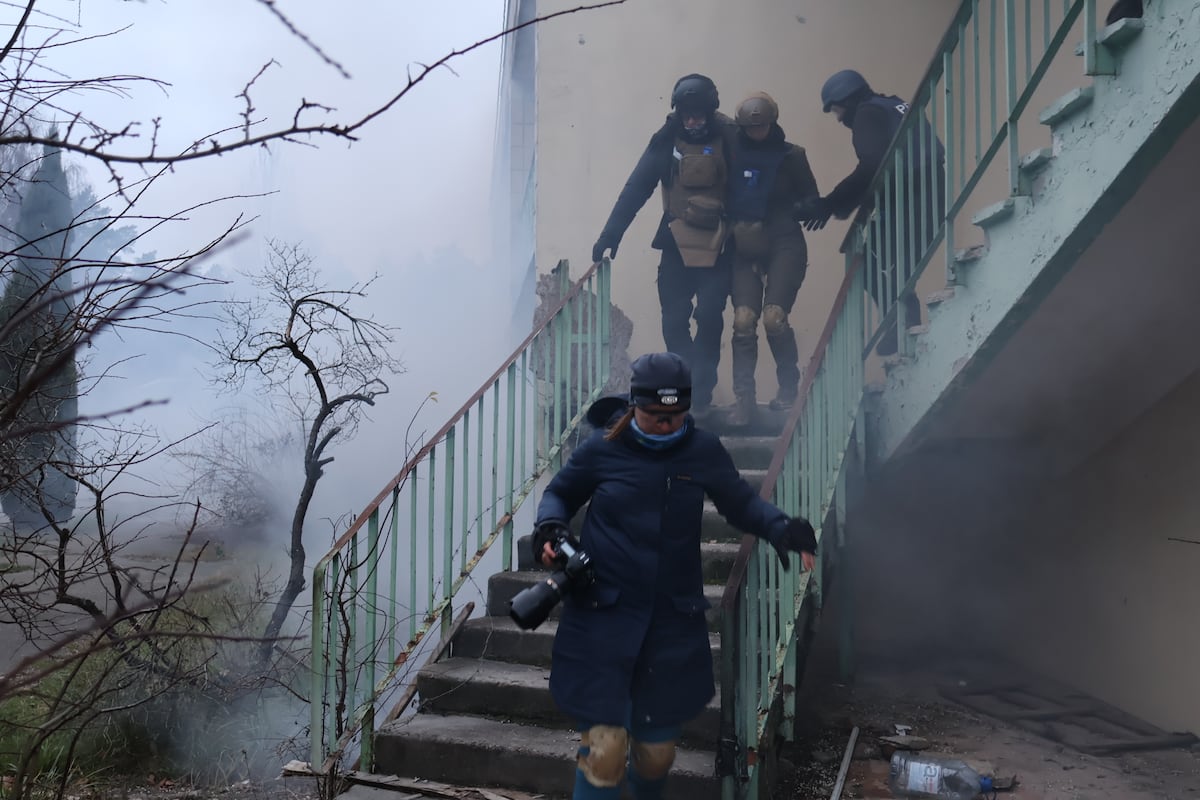
Ukraine trains civilians and journalists to survive under drone attacks
Public administrations and NGOs are preparing citizens in risk zones with action manuals and survival courses
Recent Developments in Drone Threats to Humanitarians
The threat of drones to humanitarians is a rising concern. High-profile incidents—such as the fatal multiple-strike attack on an aid convoy in Gaza in April 2024—have made this dynamic an even greater priority for risk managers.Global data on this emerging threat is currently defined by the rapid increase and volume of drone attacks perpetrated by Russian forces in Ukraine, and to a lesser extent, Israeli Defense Forces (IDF). In other contexts, like Sudan, Iraq, and Syria, governments are also the primary perpetrators of drone incidents. Nonetheless, the list of drone operators in complex humanitarian settings has increased and diversified since 2022, particularly among organised armed groups (OAGs), driving further interest within the humanitarian community.

Political Scenarios for Climate Disaster - Dissent Magazine
In the Global North we often act as if our future will be a warmer version of today: liberal capitalism, plus flood insurance, minus coral reefs. That future is a fantasy.


Disaster preparedness in the US

Starting with some articles I saved during/after the January 2025 wildfires in Southern California
Disaster preparedness (unsorted)
Related to disaster preparedness but not direct references. May be sorted into more specific collections in the future
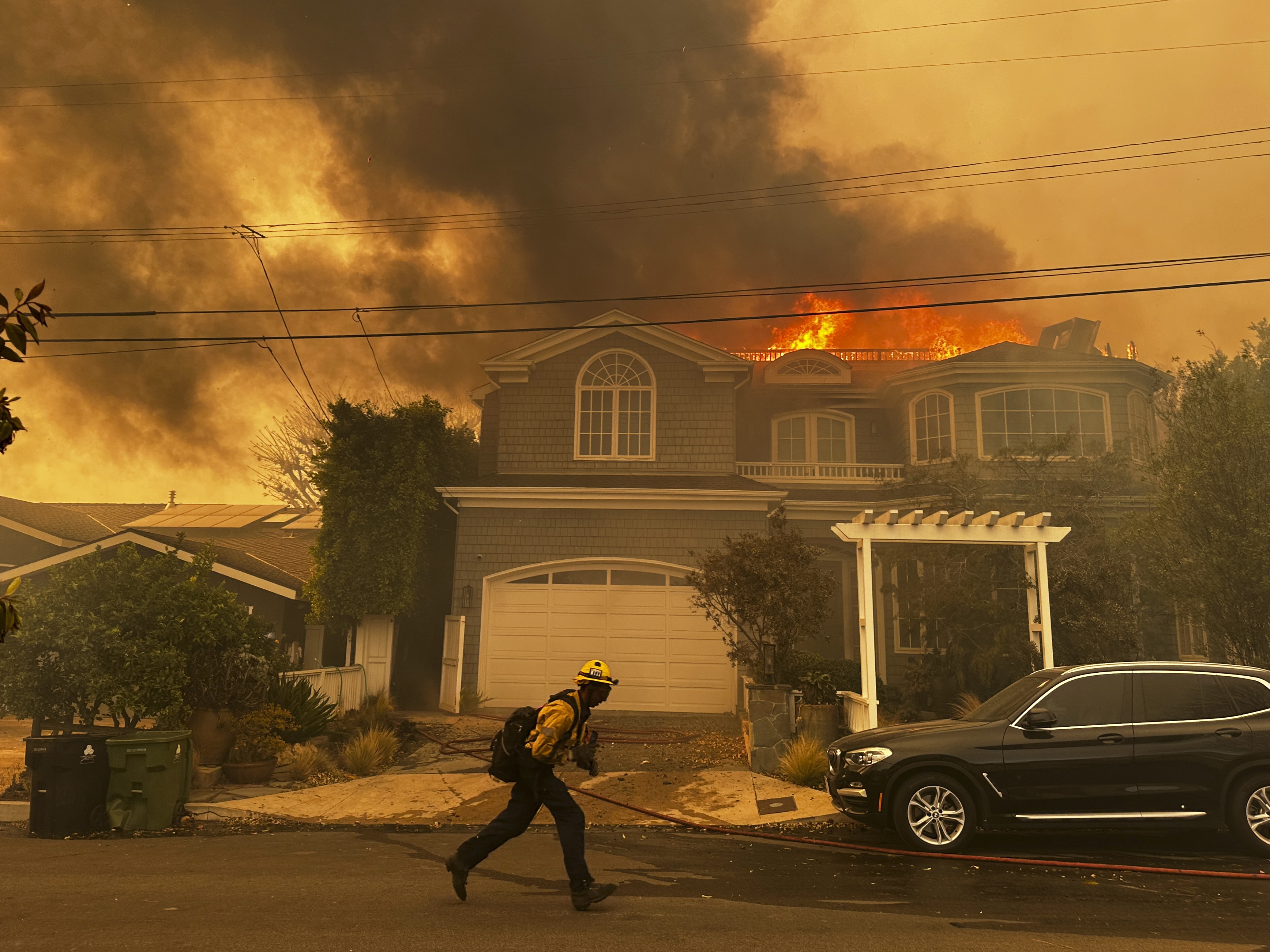
Cheat Sheet: These are the steps fire victims need to take to make an insurance claim
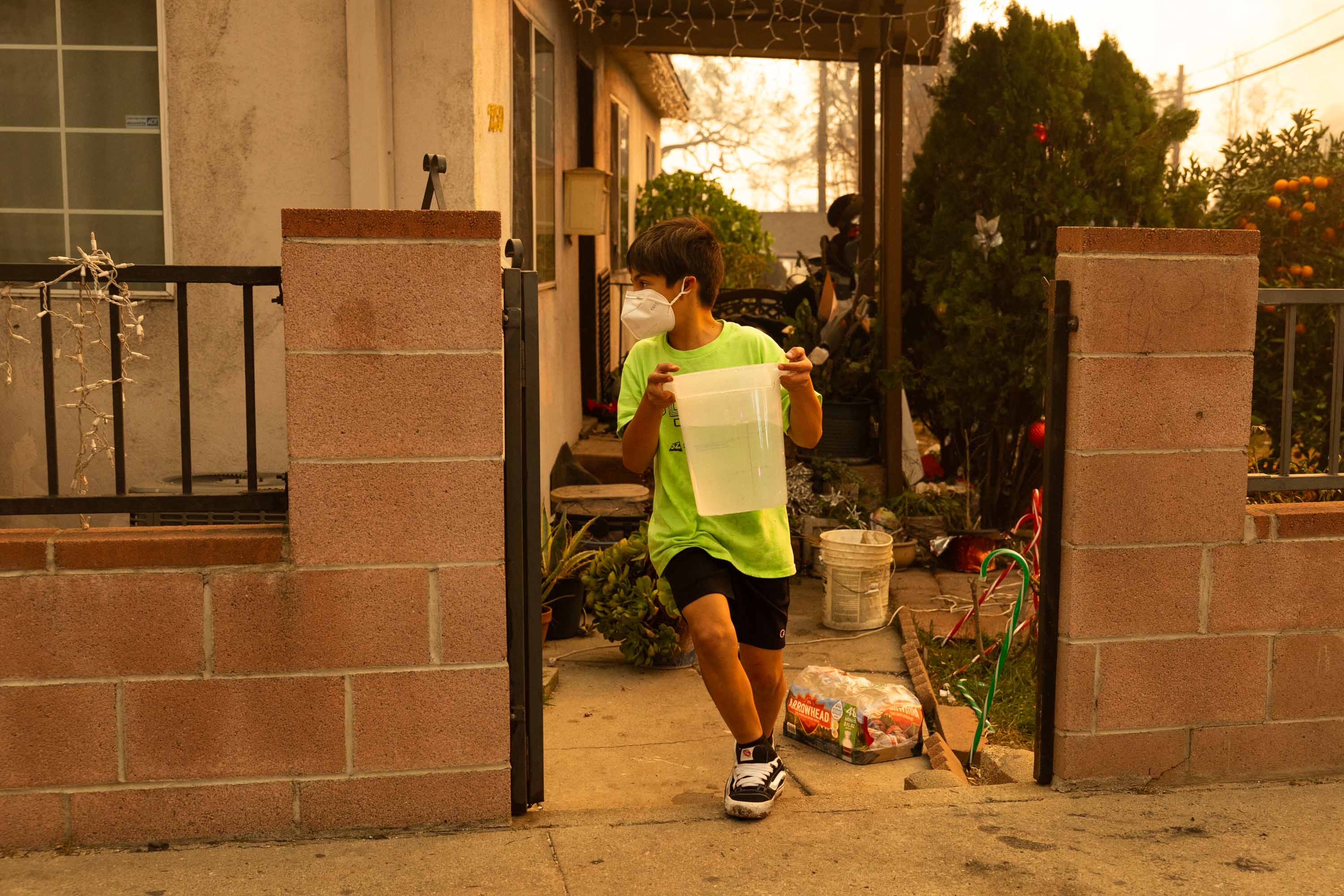
What to do — and not do — when you get home after a fire evacuation
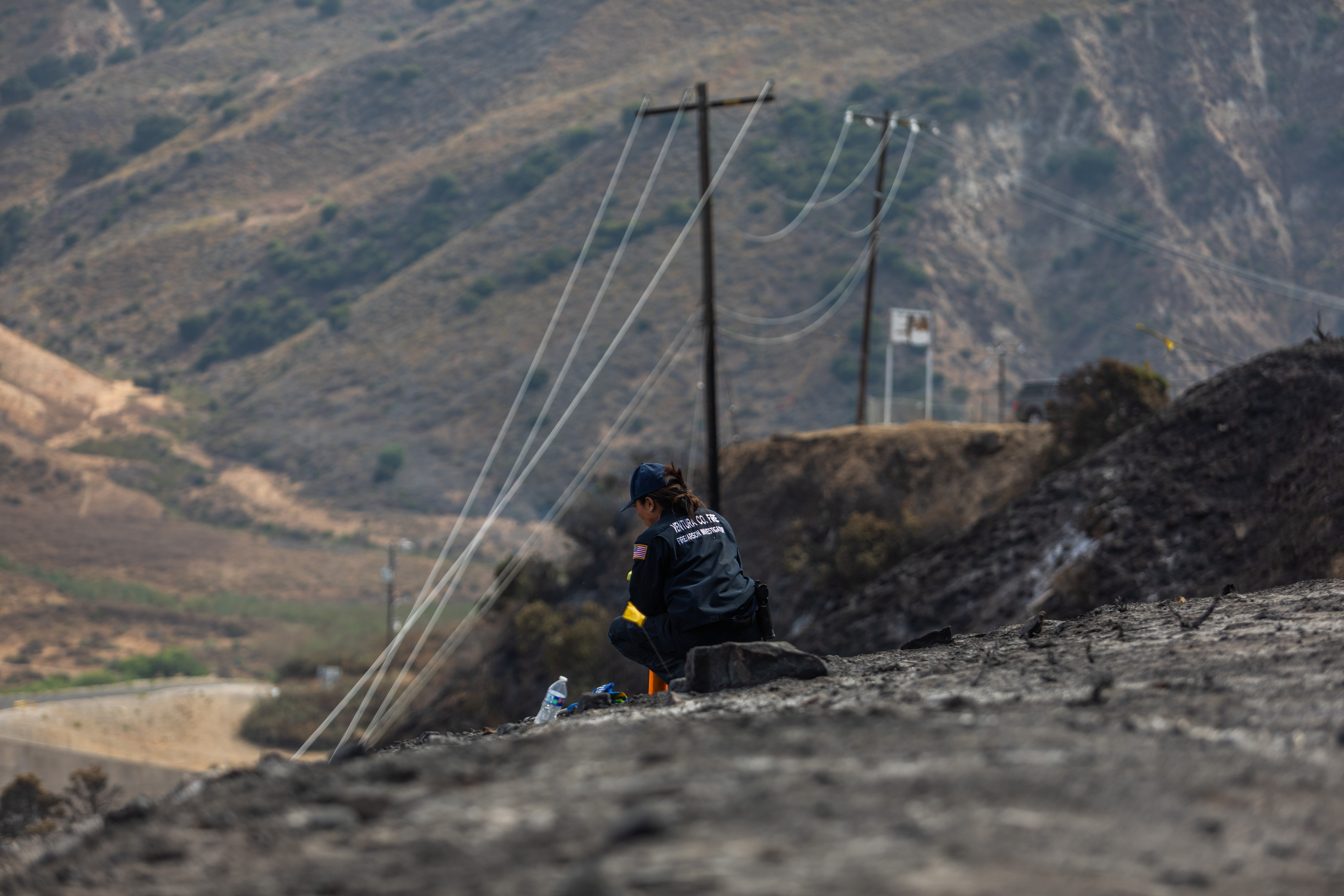
High winds and fires mean power outages. Here's how to prep
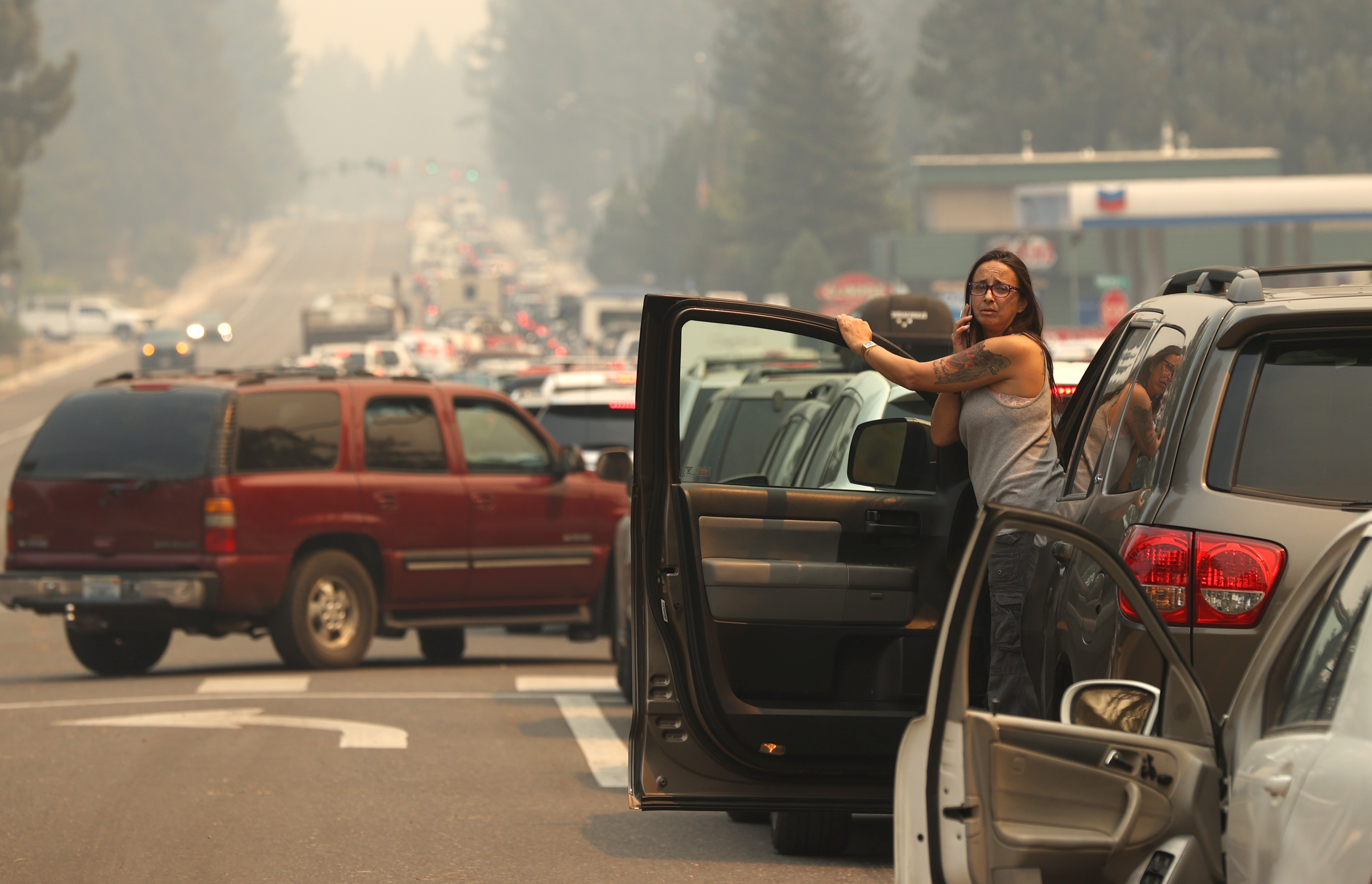
Evacuation terms can be confusing. Here’s what they mean and how to sign up for alerts
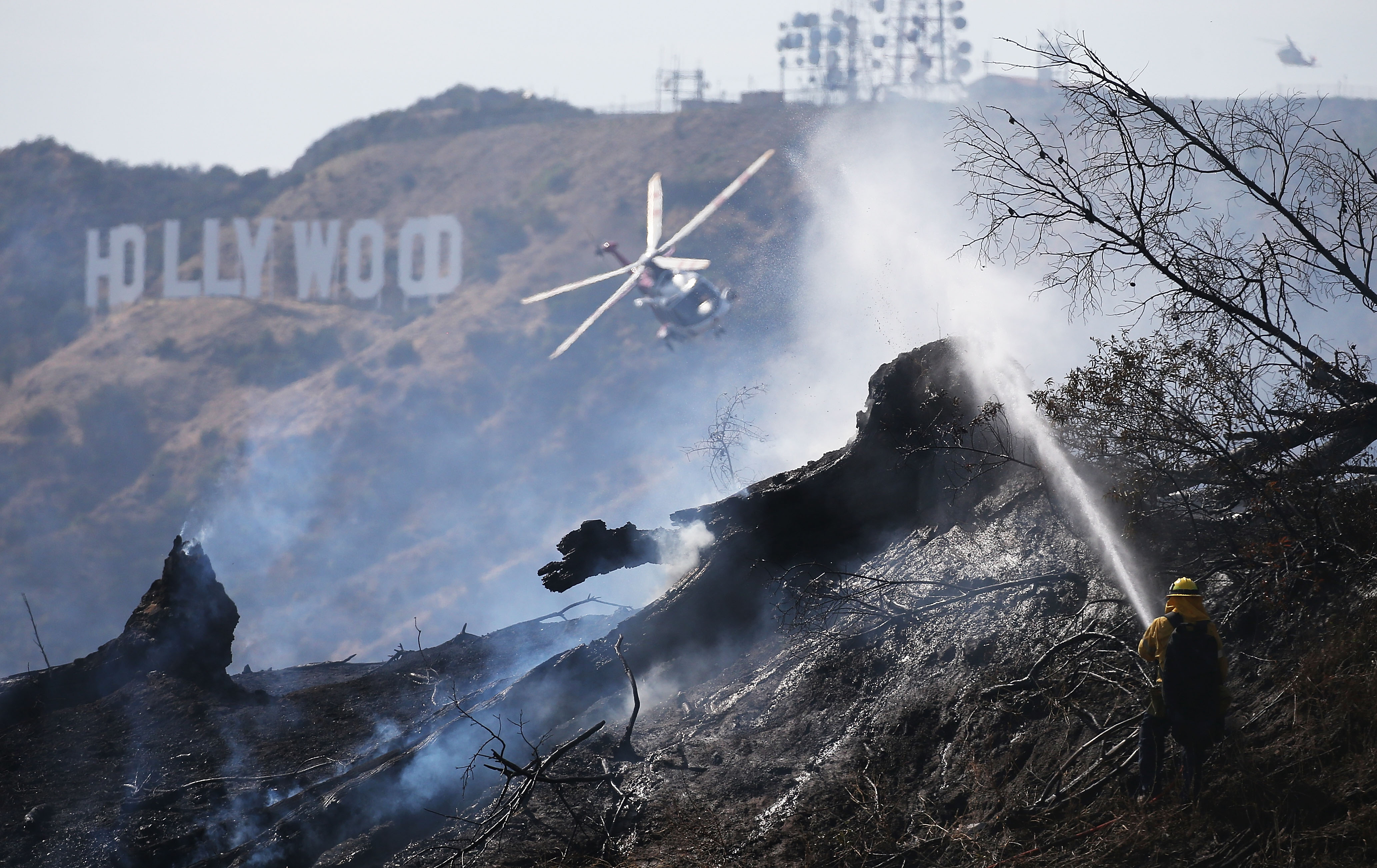
Every day is now fire season. Let's get you ready for the next wildfire burning near you
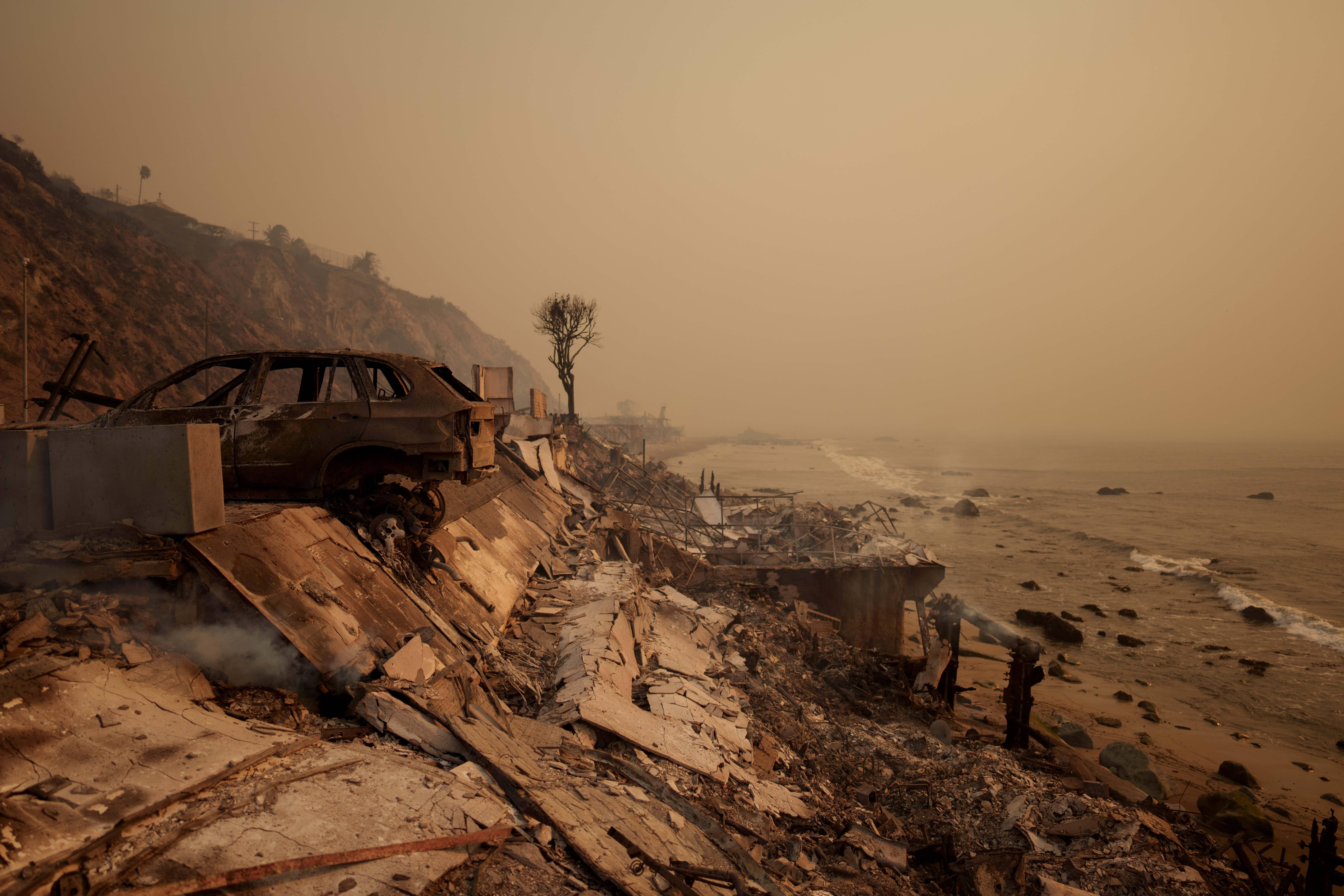
Cheat sheet: A quick roundup of SoCal fire coverage and safety resources

【お知らせ】防災に関する調査(2026年)備え・実践編
【お知らせ】防災に関する調査(2026年)意識編
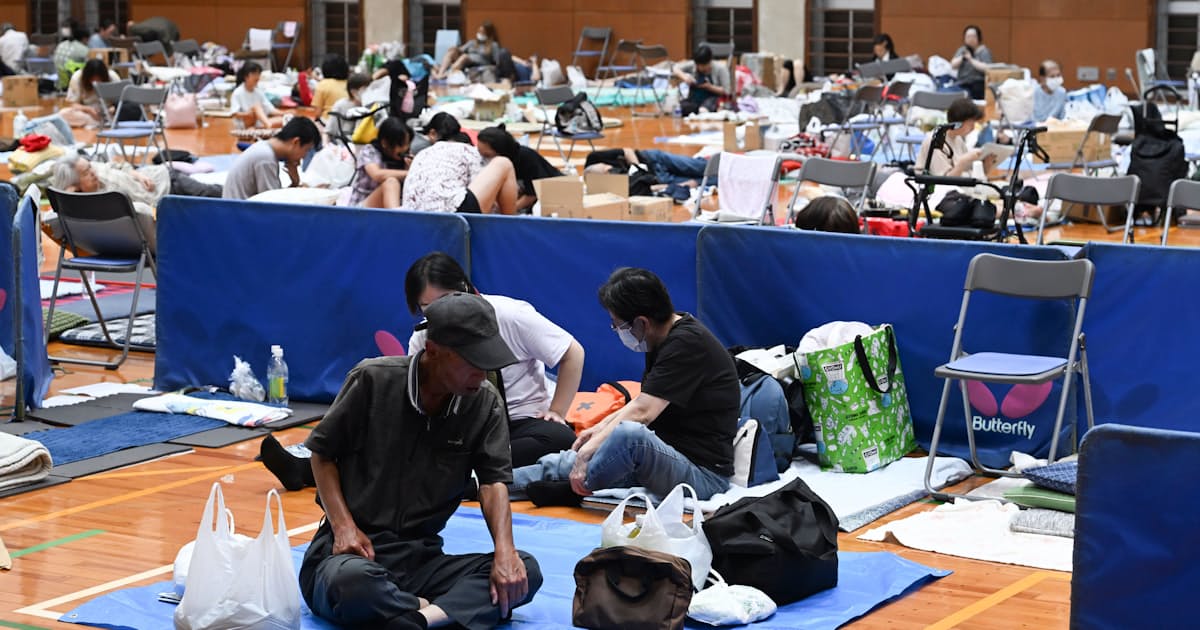
災害時「避難しない」4人に1人 20〜30代で特に高く
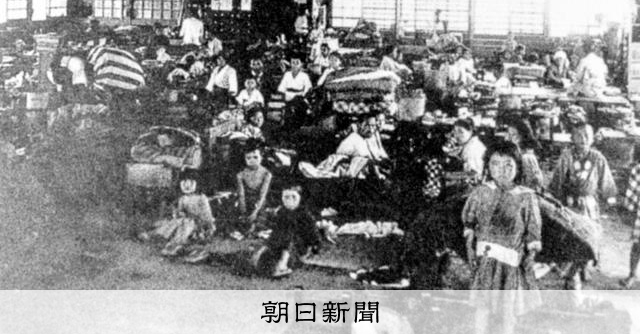
1世紀前と変わらぬ避難所の雑魚寝 災害大国日本でなぜ繰り返すのか:朝日新聞