On what the Islamic Republic always told us it was
Democracy, Sovereignty, and the Throne Speech That Wasn’t
We have to go back to go forward. Our power to do that is shrinking.

Islam by Karen Armstrong: 9780812966183 | PenguinRandomHouse.com: Books
No religion in the modern world is as feared and misunderstood as Islam. It haunts the popular imagination as an extreme faith that promotes terrorism, authoritarian government, female oppression,...
Remote Origins: Translation, Genealogy, and Alterity in Medieval Castile (1252-circa 1390)
This dissertation analyzes selected examples of thirteenth- and fourteenth-century written culture to show their engagement with the religious alterity of Islam as an integral part of the origins of the kingdom of Castile. Following an interdisciplinary methodology, it addresses how medieval ideas about astrology, geography, history, medicine, race, and religion participated in creating discourses about origins that recognized the intellectual and political authority of al-Andalus. It argues that early Castilian vernacular texts conceptualized the translation of Arabic sources as an instrument for creating, transforming, and superseding the alterity of Islam while recognizing the cultural and political authority of Andalusi traditions. The first chapter serves as an introduction explaining the historical and theoretical framework of the dissertation. To do so, it provides an overview of Castilian ideas about genealogy, historiography, authority, and translatio, and translation. Then, through close reading and ample historicization, chapters two, three, and four analyze the impact of Andalusi textual traditions, cultural practices, and human population in three interrelated fields of medieval science, literature, and history. Chapter 2 explores the political implications of King Alfonso X’s (r. 1252-1284) dedication to the translation of Arabic sciences by focusing on the translation of a treatise of astrology titled Libro de las cruzes (1259). The chapter traces the cultural and political context that accompanied the transmission of the book in al-Andalus alongside the content of its Arabic and Castilian prologues. In light of ideas about the transference of knowledge (translatio studii) shared by Christian and Muslim scholars, I conclude that deployment of a twofold origin in the Libro de las cruzes illustrates the strategies and motivations of Alfonso X’s broader engagement with Arabic sources. The third chapter turns to the early fourteenth-century romance Libro del caballero Zifar with a double focus on its forged origin as a translation from caldeo (Chaldean) and the prominence of cursed lineages. Regarding lineage, the chapter explores the representation of exemplary virtues by the protagonists of the romance as enacting ideas about the transformable character of lineage and the capabilities of the individual to unmake inherited negative traits. Likewise, the textual strategy of the forged translation enables the inclusion of Arabic and Asian referents at the origin of a profoundly Christian text. In chapter 4, literature meets historiography in the analysis of the Crónica de Flores y Blancaflor. Being the result of intertwining a Castilian chronicle—Alfonso X’s Estoria de Espanna—and a French romance, this text narrates the love story between an Andalusi Muslim prince and the daughter of a captive Christian noble. The chapter focuses on Berta, the captive woman, to show the implications of her decision to nurture Flores and Blancaflor with her milk. Considering Christian and Muslim ideas about milk and wet nursing along with the tenets of Castilian historiography, the chapter shows the limits of dominant ideas about dynastic origins among the Christian elites of Castile while evidencing the existence of an alternative discourse that—coming from within Castilian historiography—incorporates maternal and non-Christian kinship as an essential part of the origins and possibilities of the kingdom. A short final chapter serves as a conclusion, suggesting paths for expanding the results of this dissertation within and the thirteenth and fourteenth centuries covered by its contents.
The Ukrainian Night: An Intimate History of Revolution. By Marci Shore. New Haven: Yale University Press, 2017. xxiv, 290 pp. Notes. Glossary. Maps. $26.00, hard bound.
//static.cambridge.org/content/id/urn%3Acambridge.org%3Aid%3Aarticle%3AS0037677918003200/resource/name/firstPage-S0037677918003200a.jpg

Russian Revolution becomes the property relations that are common to.

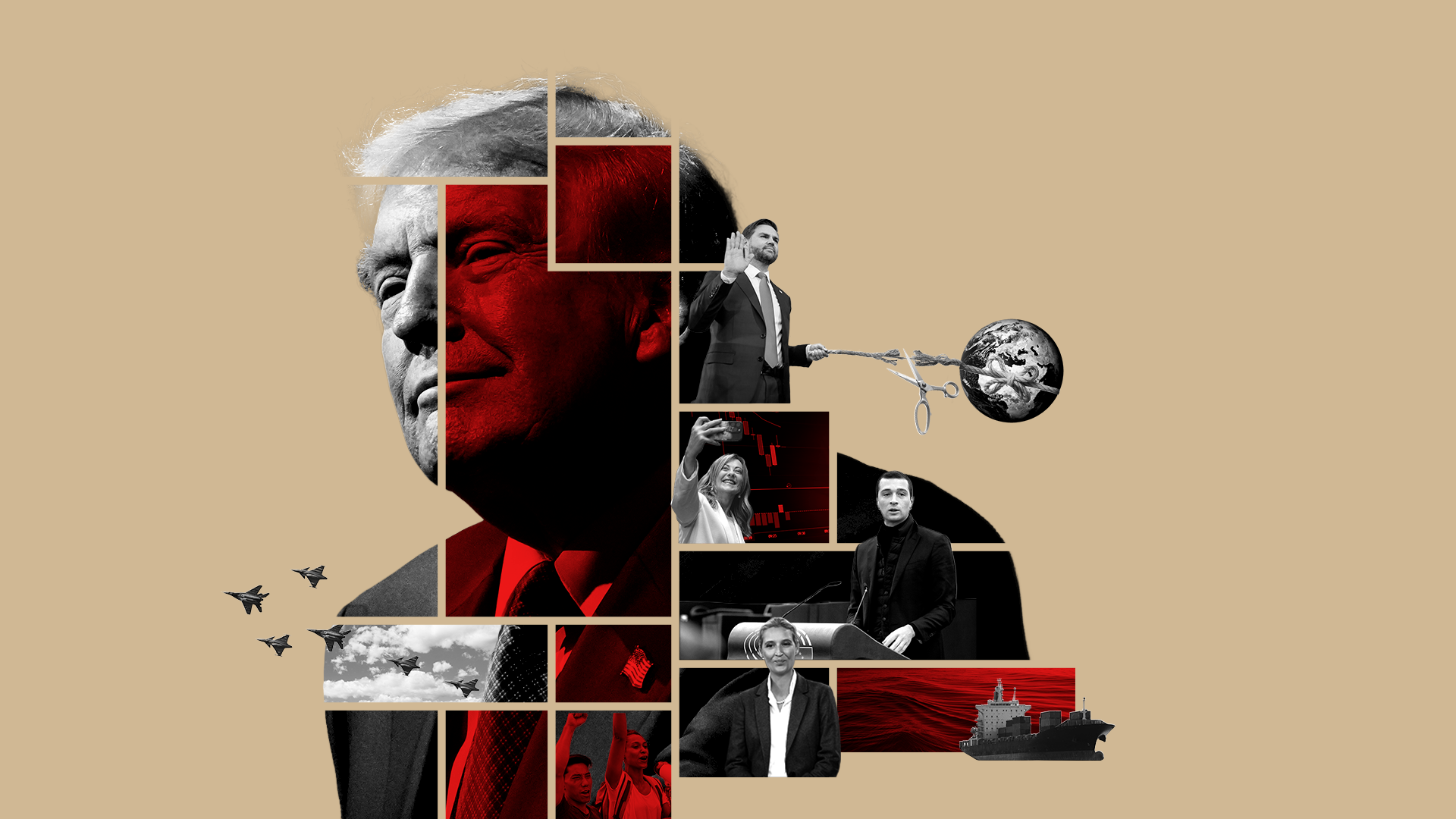
The new right: Anatomy of a global political revolution – European Council on Foreign Relations
The thinkers and ideas of the rising nationalist right merit the political mainstream's attention. Only by understanding them can it build a resilient counter-p
A Mother of A Revolution! | omar-thomas
The Counter-Revolution of 1776: Slave Resistance and th…
Illuminates how the preservation of slavery was a moti…

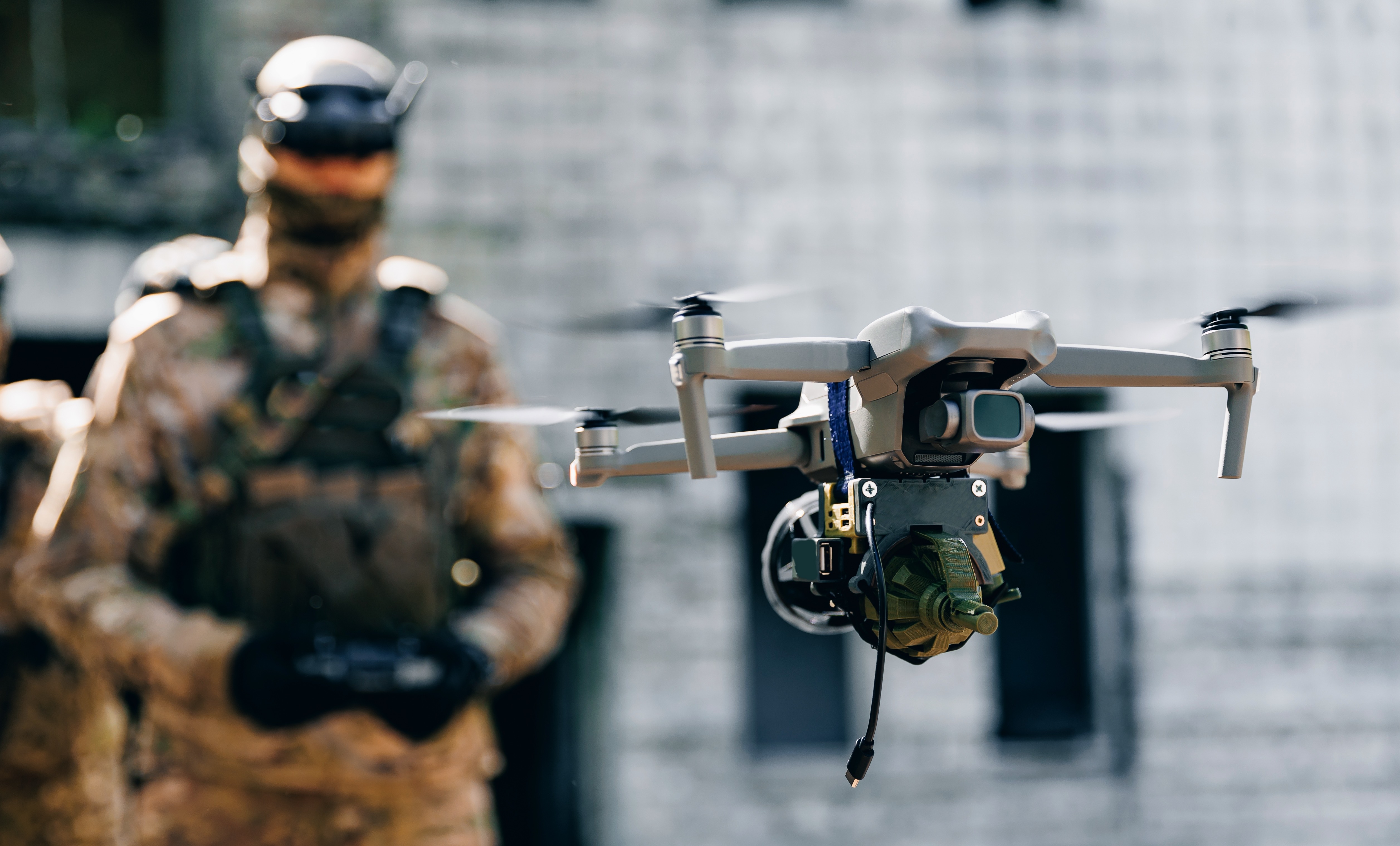
Design, Destroy, Dominate. The Mass Drone Warfare as a Potential Military Revolution
The widespread use of drones observed in Ukraine—both in terms of the scale of the fleets deployed and their omnipresence in the operations of both belligerents—appears to meet the conditions of a genuine military revolution.
Collections: Warfare in Dune, Part II: The Fremen Jihad
This is the second part (I, II) of our somewhat silly look about the plausibility of warfare in Frank Herbert’s Dune. Last week, we looked at the system of warfare that is dominant in the set…


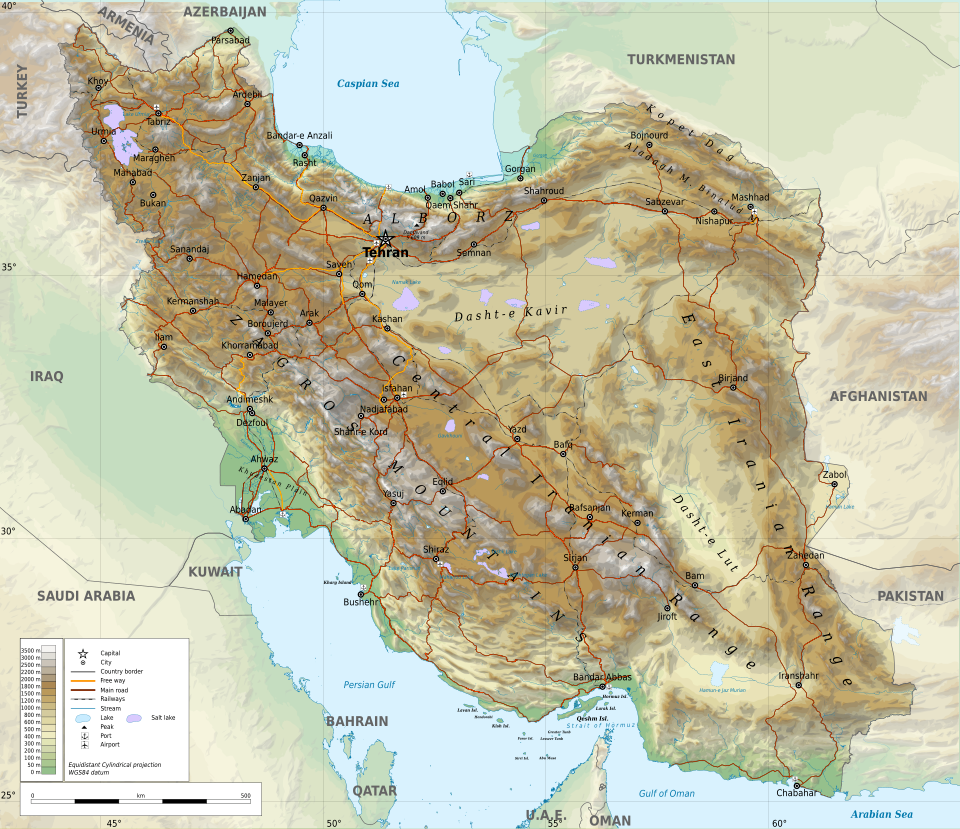
Miscellanea: The War in Iran
This post is a set of my observations on the current war in Iran and my thoughts on the broader strategic implications. I am not, of course, an expert on the region nor do I have access to any spec…