China’s spectacular economic development has brought up the price of its labour and undermined Western corporate profits.
China’s response to Belt and Road backlash
Many of the accusations serve geopolitical or economic purposes. They are not always logically coherent. Responsibilities of Chinese businesses are confused


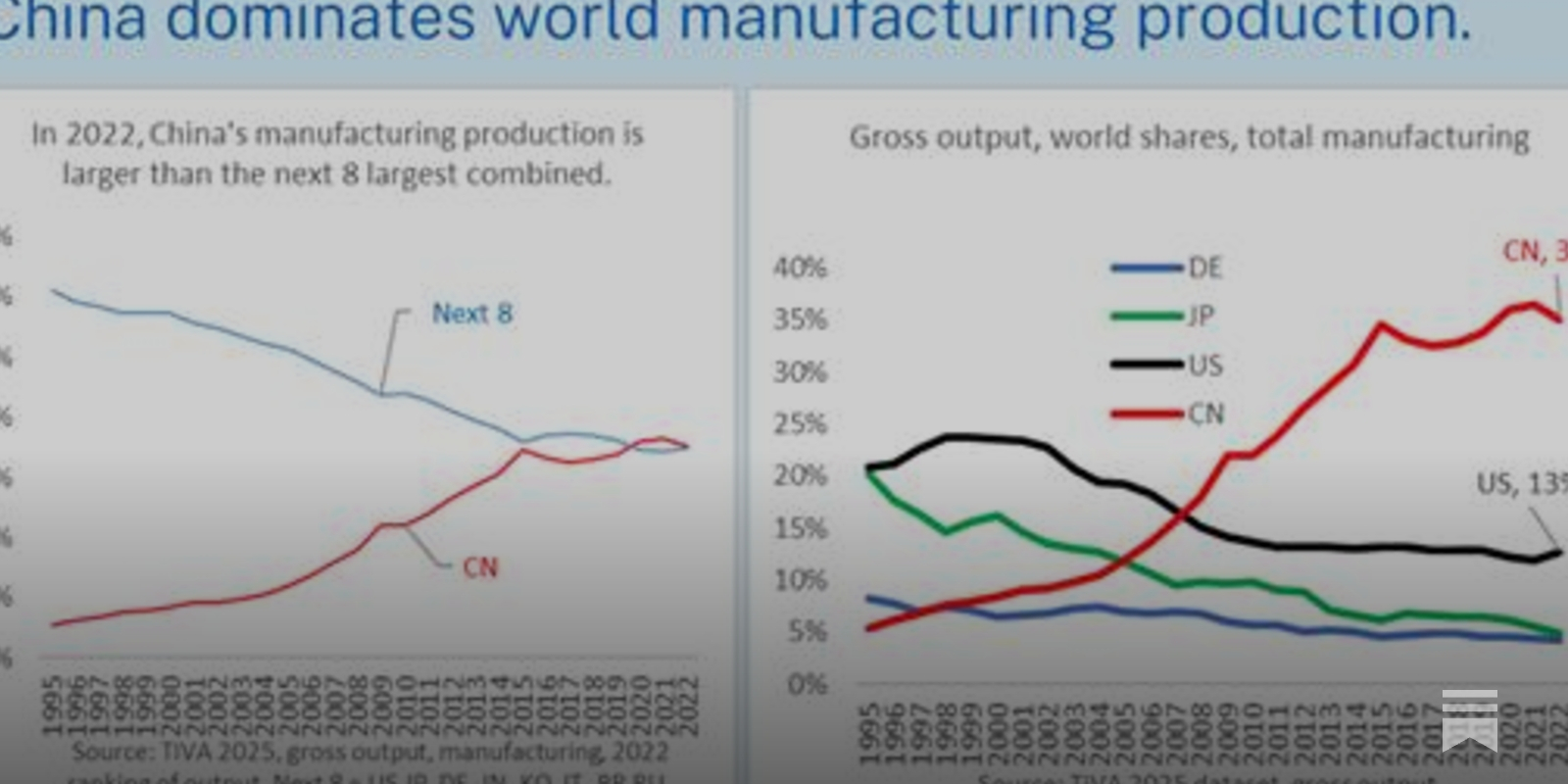
China’s globalisation paradox.
How can China dominate abroad while becoming less export-dependent?
Le paradoxe de la mondialisation de la Chine
Traduction française du billet de blog "China’s globalisation paradox. How can China dominate abroad while becoming less export-dependent?" de Richard


How Xi sparked China’s electricity revolution
Beijing’s aggressive pursuit of energy self-sufficiency could give it the upper hand in the trade war with the US


The Land That Failed to Fail (Published 2018)
The West was sure the Chinese approach would not work. It just had to wait. It’s still waiting.


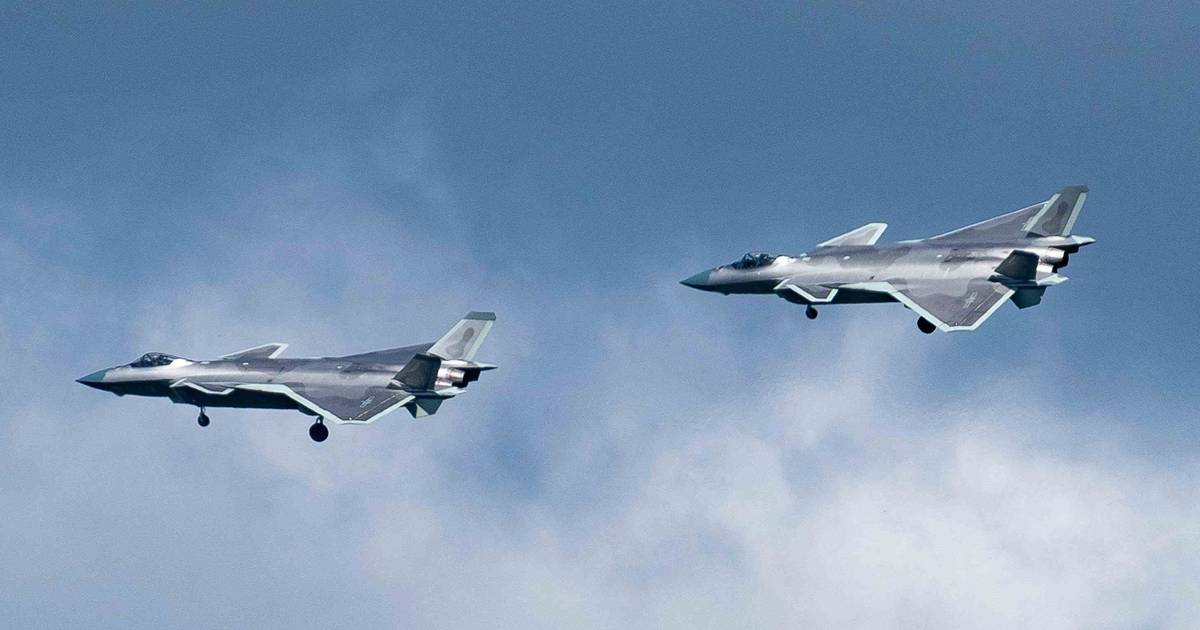
The Evolution of Russian and Chinese Air Power Threats
Russian and, particularly, Chinese capabilities now pose greater threats to Western air power than in 2020.
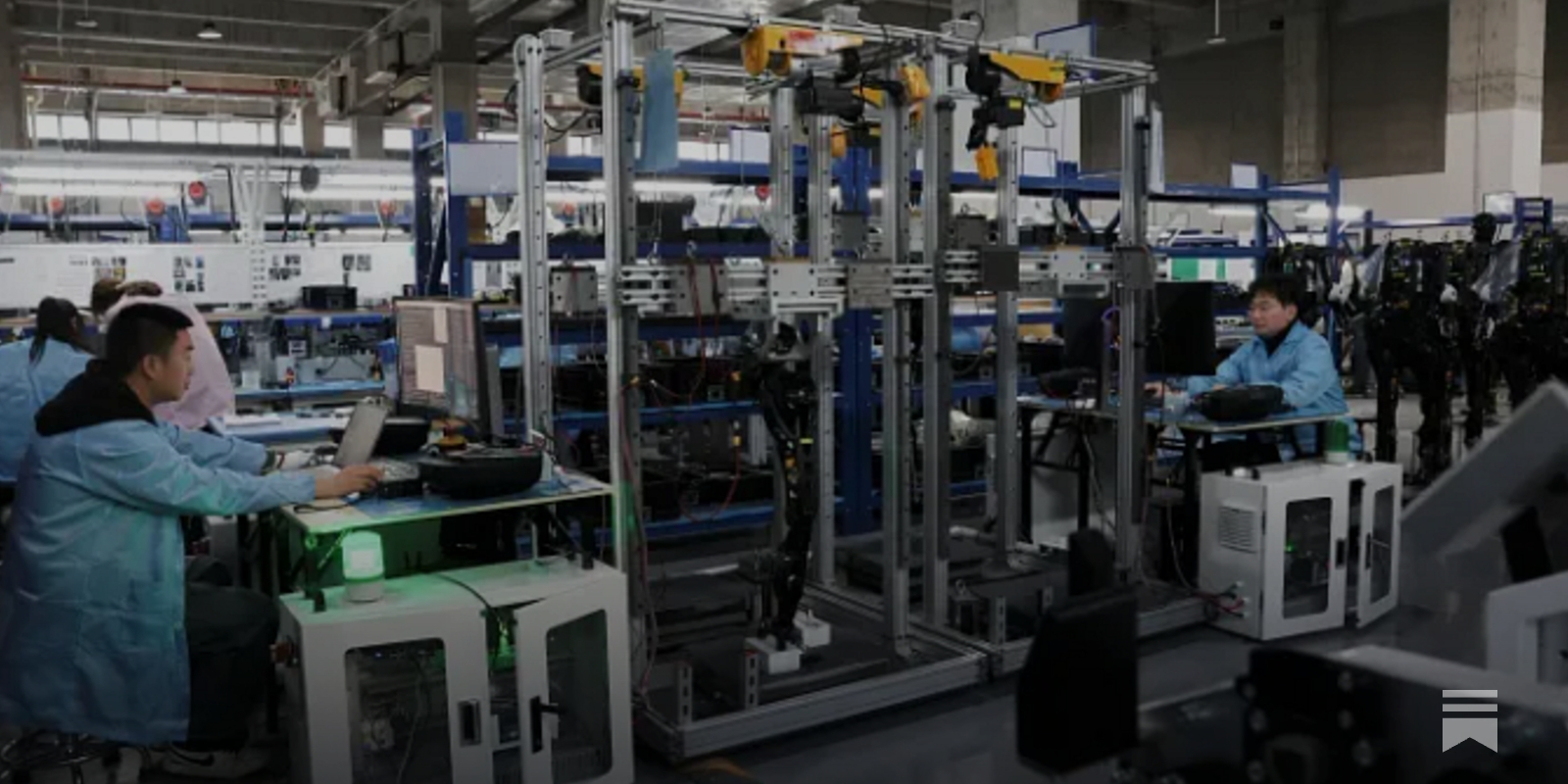
Opinion | Why China won’t own next-generation manufacturing
With its massive investments, China is only accelerating the demise of its manufacturing industry.

Is China doing "colonialism" in Africa?
Western claims are contradicted by empirical evidence.
China’s dreamers and dropouts: ‘lying flat’ generation checks out in Dali
Cheap, remote and beautiful city attracts thousands of young people and Gen X-ers escaping economic treadmill

After recent tests, China appears likely to beat the United States back to the Moon
An expert explains why this will be enormously bad for the United States.

The Weaponized World Economy
When Washington announced a “framework deal” with China in June, it marked a silent shifting of gears in the global political economy. This was not the beginning of U.S. President Donald Trump’s imagined epoch of “liberation” under unilateral American greatness or a return to the Biden administration’s dream of managed great-power rivalry. Instead, it was the true opening of the age of weaponized interdependence, in which the United States is discovering what it is like to have others do unto it as it has eagerly done unto others.

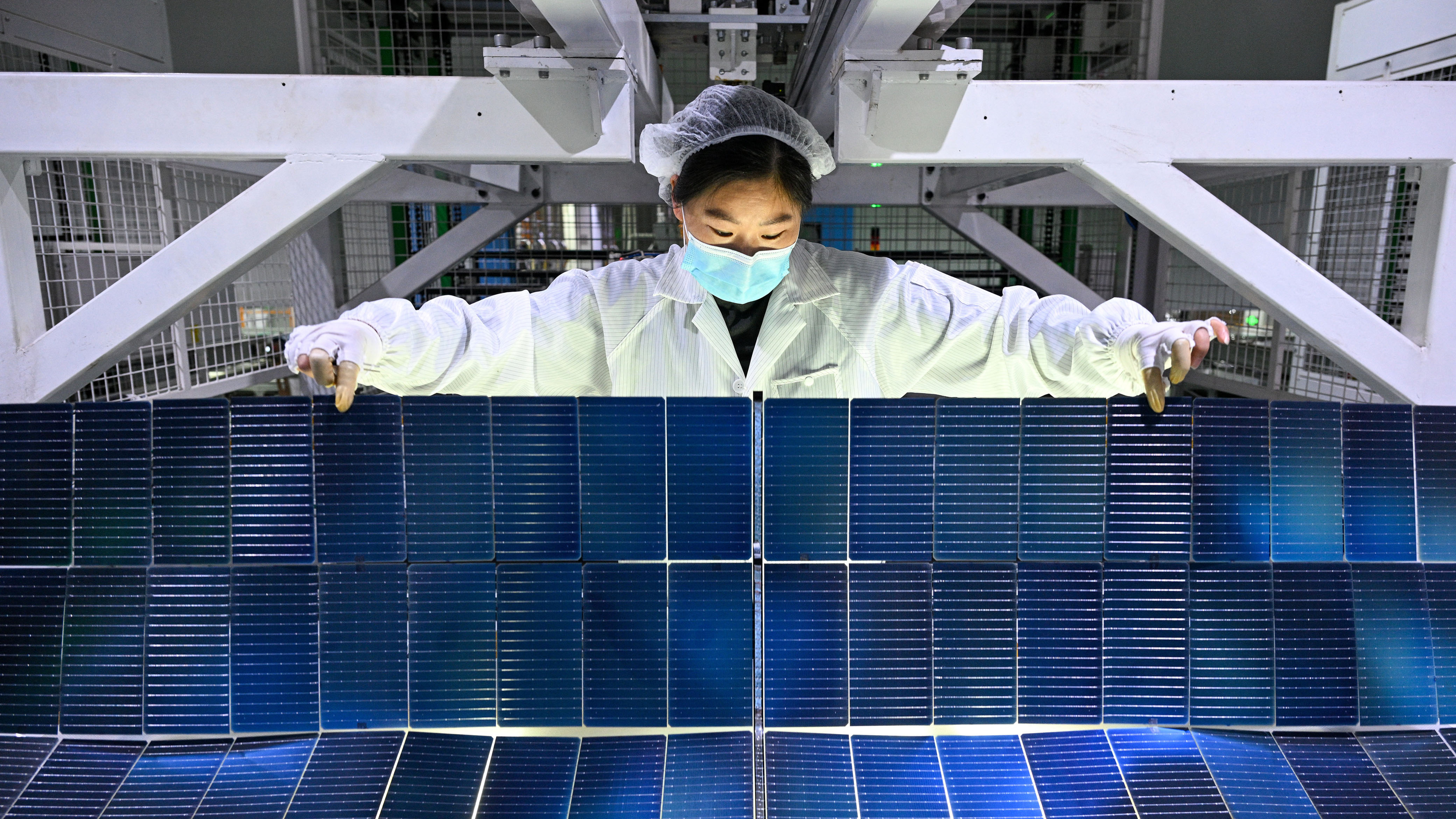
China’s Solar Industry Is in Upheaval—The Effects Will Be Global
Rather than opening space for rivals, China’s solar industry shakeout is forging a more resilient core — embedding deeper into global value chains, securing a technological lead, and reshaping the industry’s future trajectory to its own long-term advantage.