A New Cognitive Architecture
What's new in Orchestra: MCP, Braintrust (0.0.26)
Introducing an MCP Adapter for Orchestra agents

Orchestrating Experiences By Chris Risdon & Patrick Quattlebaum
Create seamless customer experiences in complex environments with Orchestrating Experiences. Learn collaborative design strategies for tackling multi-channel challenges.

Conducting smarter intelligences than me: new orchestras | Notion
So what did I do?

Flyte | One Platform for Your AI Orchestration Needs
Dynamic, resilient AI orchestration. 80M+ downloads.
The Orchestra of All Things: Sampling Your Environment
Learn how sampling your environment can add texture, narrative depth, and a personal touch to the music you create, and try it for yourself with Ableton Note.


A foundation model of vision, audition, and language for in-silico neuroscience | Research - AI at Meta
Cognitive neuroscience is fragmented into specialized models, each tailored to specific experimental paradigms, hence preventing a unified model of...
openai/symphony
Symphony turns project work into isolated, autonomous implementation runs, allowing teams to manage work instead of supervising coding agents.
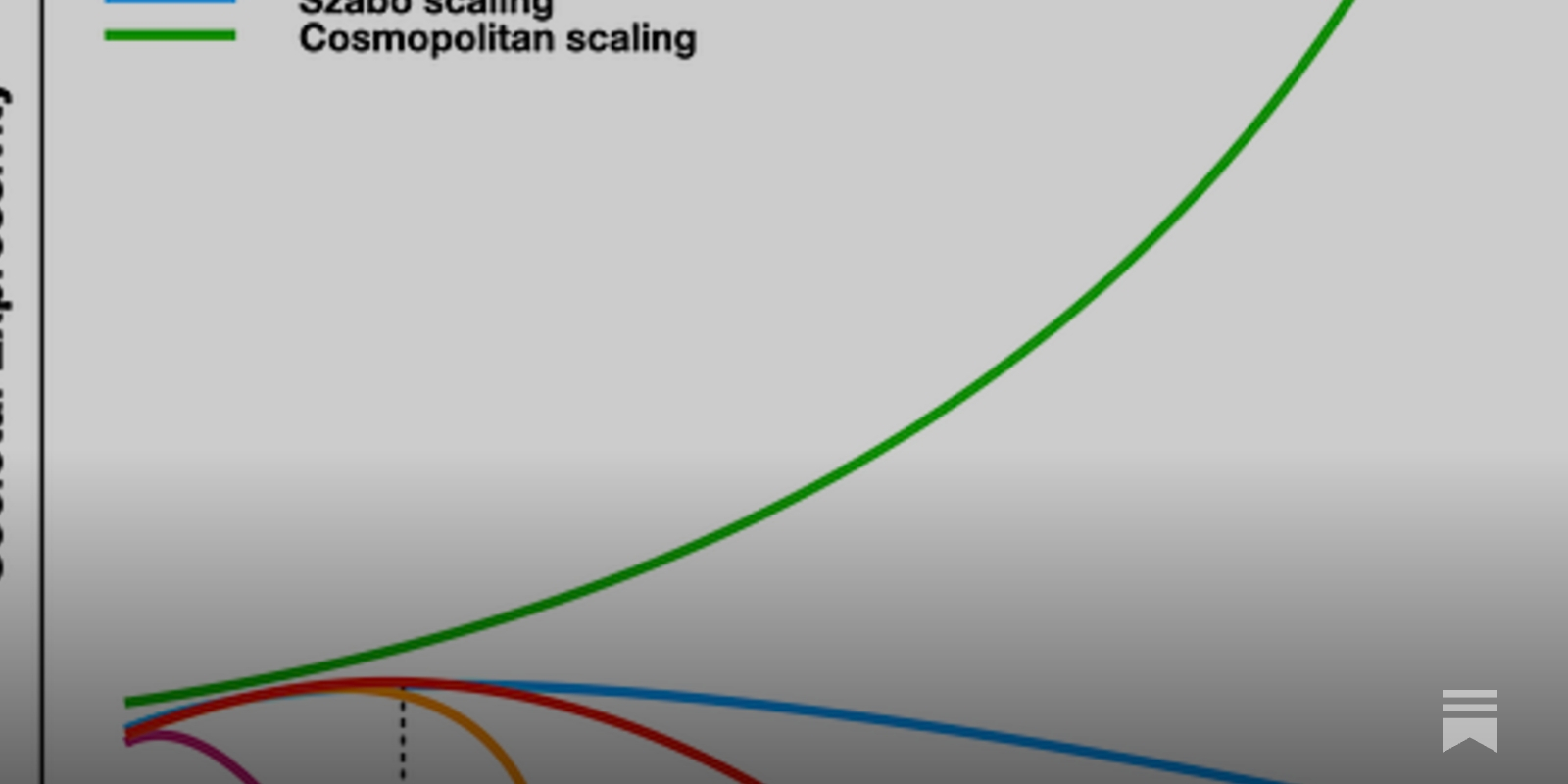
Beyond Szabo Scaling
Miniaturization and orchestration of human capabilities with AI and protocols
Union.ai: Ship fast. Scale big. Orchestrate the future.
The AI development platform to go from experimentation to production faster. Orchestrate, train, and serve AI.

Build an Orchestrator in Go (From Scratch)
Develop a deep understanding of Kubernetes and other orchestration systems by building your own with Go and the Docker API.

Introducing Radial: Agent orchestration on the Atmosphere
I've been working on a new project called Radial, a collaborative coding-agent orchestrator built on atproto (the protocol behind Bluesky and the broader Atmosphere). It's a bit like a team issue tracker that works with your favorite harness/model and turns what your agents learn into durable, reviewable team memory. I'm very excited about it.
The Knowledge Ecology
The important thing here is that the music is not in the piano. And knowledge and edification is not in the computer. The computer is simply an instrument whose music is ideas. Yes? No? Yes-no-yes-no-yes-no.

Cognitive engineering
Cognitive engineering is an interdisciplinary field that applies principles from cognitive psychology, cognitive neuroscience, and human factors to design and develop engineering systems that effectively support or enhance human cognitive processes.[1][2] The field emerged in the 1980s when Donald Norman and others recognized the need to better understand how humans interact with complex technological systems.[3]
Gas Town’s Agent Patterns, Design Bottlenecks, and Vibecoding at Scale
On agent orchestration patterns, why design and critical thinking are the new bottlenecks, and whether we should let go of looking at code