


Here comes everybody
Matt Mullenweg Addresses Concerns That WordPress is Moving Too Fast
There are at least three major releases of WordPress per year where users can expect new features and major bug fixes about every four months. While this is great for users, some companies, plugin,…

BETTER THAN FREE | Edge.org
This super-distribution system has become the foundation of our economy and wealth. The instant reduplication of data, ideas, and media underpins all the major economic sectors in our economy, particularly those involved with exports — that is, those industries where the US has a competitive advantage. Our wealth sits upon a very large device that copies promiscuously and constantly.
There Are Actually Just Three Ways To Grow
Most brands obsess over distribution when the real growth comes from moves marketers can’t make alone


Speedstrapping Playbook: Maximize Growth with Minimal Dilution DRAFT
Speedstrap Playbook Published version here - Part 1 + Part 2 Beta Version .9 - October 2025 “...my gut is we have a problem. The system as it exists today promotes less liquidity, less traditional, high quality company building and way higher burn rates. That’s just not a great combination from m...

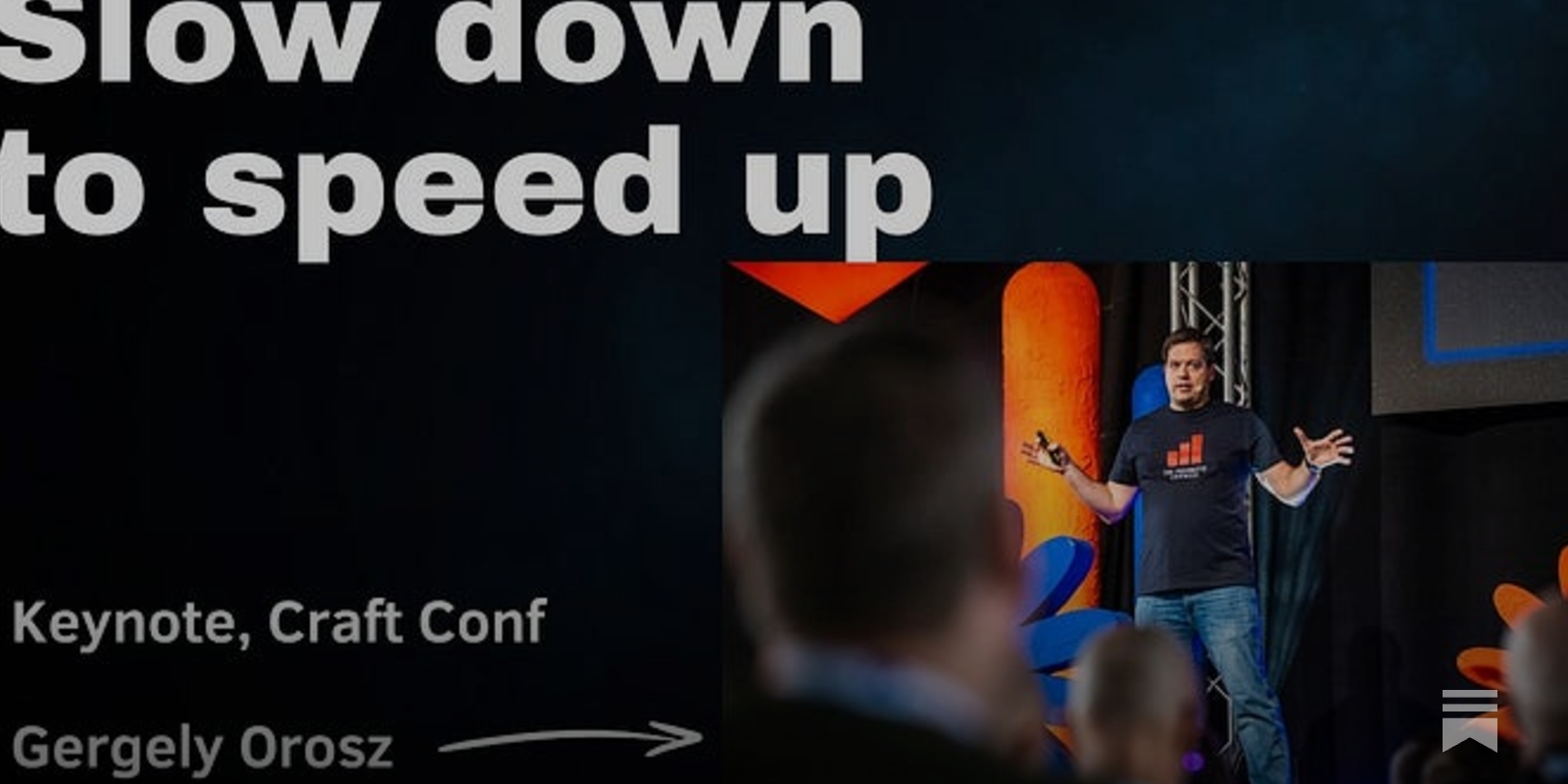
Slow down to speed up: so much has changed in 6 months’ time
An overview of what’s changed in engineering during the last six months, how various tech companies are changing how they work, and why slowing down could be a sensible strategy
The Quiet Rewiring of American Finance
Stablecoins, Treasury markets, and the most significant shift in financial infrastructure that almost nobody is discussing.

The Inference Shift
Agentic inference is going to be different than the inference we use today, and it will change compute infrastructure because speed won’t matter when humans aren’t involved.

Fragile narrow laggy asynchronous mismatched pipes kill productivity - Tristan Hume
Something I’ve been thinking about recently is how when I’ve worked on any kind of distributed system, including systems as simple as a web app with frontend and backend code, probably upwards of 80% of my time is spent on things I wouldn’t need to do if it weren’t distributed. I came up with the following description of why I think this kind of programming requires so much effort: Everything is fragile narrow laggy asynchronous mismatched untrusted pipes. I think every programmer who’s worked on a networked system has encountered each of these issues, this is just my effort to coherently describe all of them in one place. I hope to prompt you to consider all the different hassles at once and think about how much harder/easier your job would be if you did/didn’t have to deal with these things. I think this is part of why web companies like Twitter seem to have so much lower impressiveness per engineer productivity than other places like game companies or SpaceX, although there’s other pieces to that puzzle. While part of the difficulty of distributed systems is inherent in physics, I think there’s lots of ideas for making each part of the problem easier, many already in common use, and I’ll try to mention lots of them. I hope that we as programmers continually develop more of these techniques and especially general implementations that simplify a problem. Like serialization libraries reducing the need for hand-written parsers/writers, I think there’s a lot of developer time out there to save by implementing generalized solutions where we currently painstakingly reimplement common patterns. I also think all these costs mean you should try really hard to avoid making your system distributed if you don’t have to.
Speeding up code review with `small-change`
Imprint’s average engineer is merging 4x more PRs than 2 years ago. Yay. Aggregated behind the average is something even more interesting: we have two teams that are merging 10x their PRs over that period. One engineer is merging 25x the PRs per week of our average engineer two years ago, and a number of others are closing in on that number. That’s pretty neat, and the slope of the line suggests our average in a year is going to look much closer to today’s p90 than today’s p50. Even more importantly, we aren’t just shipping more, our quality has improved: incidents are down 42% half-over-half, and critical incidents are down 78% half-over-half. I think we’ve always known the quality/velocity tradeoff wasn’t a particularly useful construct, but that’s undeniable today.

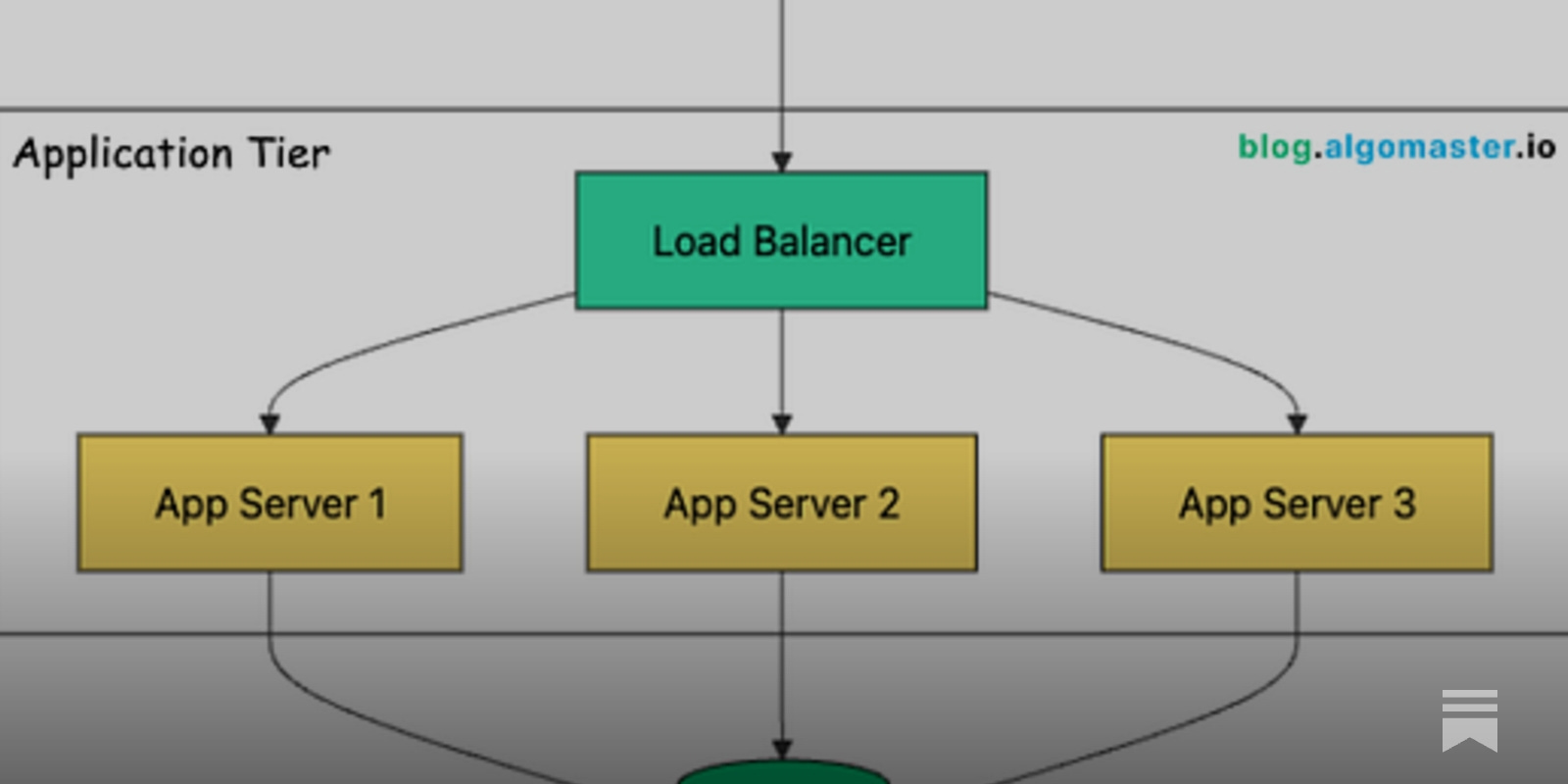
How to Scale a System from 0 to 10 million+ Users
Scaling is a complex topic, but after working at big tech on services handling millions of requests and scaling my own startup (AlgoMaster.io) from scratch, I’ve realized that most systems evolve through a surprisingly similar set of stages as they grow.
Speed: How It Explains the World - Vaclav Smil
In a world that feels like it’s moving faster than ever, Smil examines how our relentless pursuit of speed – in areas such as production, travel and communication – shapes not only our technological landscape but also our social and environmental realities. And through engaging anecdotes and striking statistics, Smil challenges the assumption that faster is always better.

This shit is why I’m a Journalism On ATProto extremist. We need to own the distribution layer.

nilay patel
Google is now screwing with the 10 blue links in traditional search and rewriting headlines - including ours - to be the worst kind of slop. This sucks so bad theverge.com/tech/896490/google-replace-ne…
Without a true advocate, the majors will simply continue *adapting* to technological shifts rather than lead them (and drag their artists along for the ride) My goal is to change that Join our waitlist and help us decentralize music streaming with the power of ATprotocol tracklist.diy

tracklist:// — the world is listening
tracklist.diy
The Verge
Universal Music signs a new AI deal with Nvidia
"The end result of all of this is that we grew from 2k users to almost 150k, added a ton of heavy new functionality, and still managed to optimize and cut down costs from $.15 per active user per month to just $.03 or so." - @snarfed.org breaks down all the work he's done to optimize Bridgy Fed 1/

Bridging on a budget
blog.anew.social

