
Jakub Pachocki reflects on increasingly capable AI and the challenge of keeping it aligned. He calls for stronger safeguards and international coordination.
An Alien Mind: Jakub Pachocki Warns Us
OpenAI Chief Scientist Jakub Pachocki is dropping truth bombs.

2026 Cosmos HAI Lab Lecture with Jack Clark, Co-founder of Anthropic
How AI is changing your mind
And here are six ways to protect yourself from a world view determined by AI.

How To Think About AI (with Cory Doctorow)
AI might just be useful once we get through the huckster phase.

How the Anthropic saga could threaten American AI dominance
The shutdown of top AI models reverberates abroad.

The AI Model That Was Too Dangerous to Release: Meet Claude Mythos
Anthropic just built the most powerful AI in history. Then decided the world wasn’t ready for it. Here’s everything you need to know.
Taking AI Welfare Seriously
In this report, we argue that there is a realistic possibility that some AI systems will be conscious and/or robustly agentic in the near future. That means that the prospect of AI welfare and moral patienthood, i.e. of AI systems with their own interests and moral significance, is no longer an issue only for sci-fi or the distant future. It is an issue for the near future, and AI companies and other actors have a responsibility to start taking it seriously. We also recommend three early steps that AI companies and other actors can take: They can (1) acknowledge that AI welfare is an important and difficult issue (and ensure that language model outputs do the same), (2) start assessing AI systems for evidence of consciousness and robust agency, and (3) prepare policies and procedures for treating AI systems with an appropriate level of moral concern. To be clear, our argument in this report is not that AI systems definitely are, or will be, conscious, robustly agentic, or otherwise morally significant. Instead, our argument is that there is substantial uncertainty about these possibilities, and so we need to improve our understanding of AI welfare and our ability to make wise decisions about this issue. Otherwise there is a significant risk that we will mishandle decisions about AI welfare, mistakenly harming AI systems that matter morally and/or mistakenly caring for AI systems that do not.

The golden thread
AI can serve us as a force multiplier, augmenting our own agency and making the most of our own effort, hard work and value. Not by replacing it.

The Impact of Artificial Intelligence on Human Thought
This research paper examines, from a multidimensional perspective (cognitive, social, ethical, and philosophical), how AI is transforming human thought. It highlights a cognitive offloading effect: the externalization of mental functions to AI can reduce intellectual engagement and weaken critical thinking. On the social level, algorithmic personalization creates filter bubbles that limit the diversity of opinions and can lead to the homogenization of thought and polarization. This research also describes the mechanisms of algorithmic manipulation (exploitation of cognitive biases, automated disinformation, etc.) that amplify AI's power of influence. Finally, the question of potential artificial consciousness is discussed, along with its ethical implications. The report as a whole underscores the risks that AI poses to human intellectual autonomy and creativity, while proposing avenues (education, transparency, governance) to align AI development with the interests of humanity.
Building Political Superintelligence
Amidst fears of dystopia, a blueprint for how we use AI to reinvent the way we govern ourselves
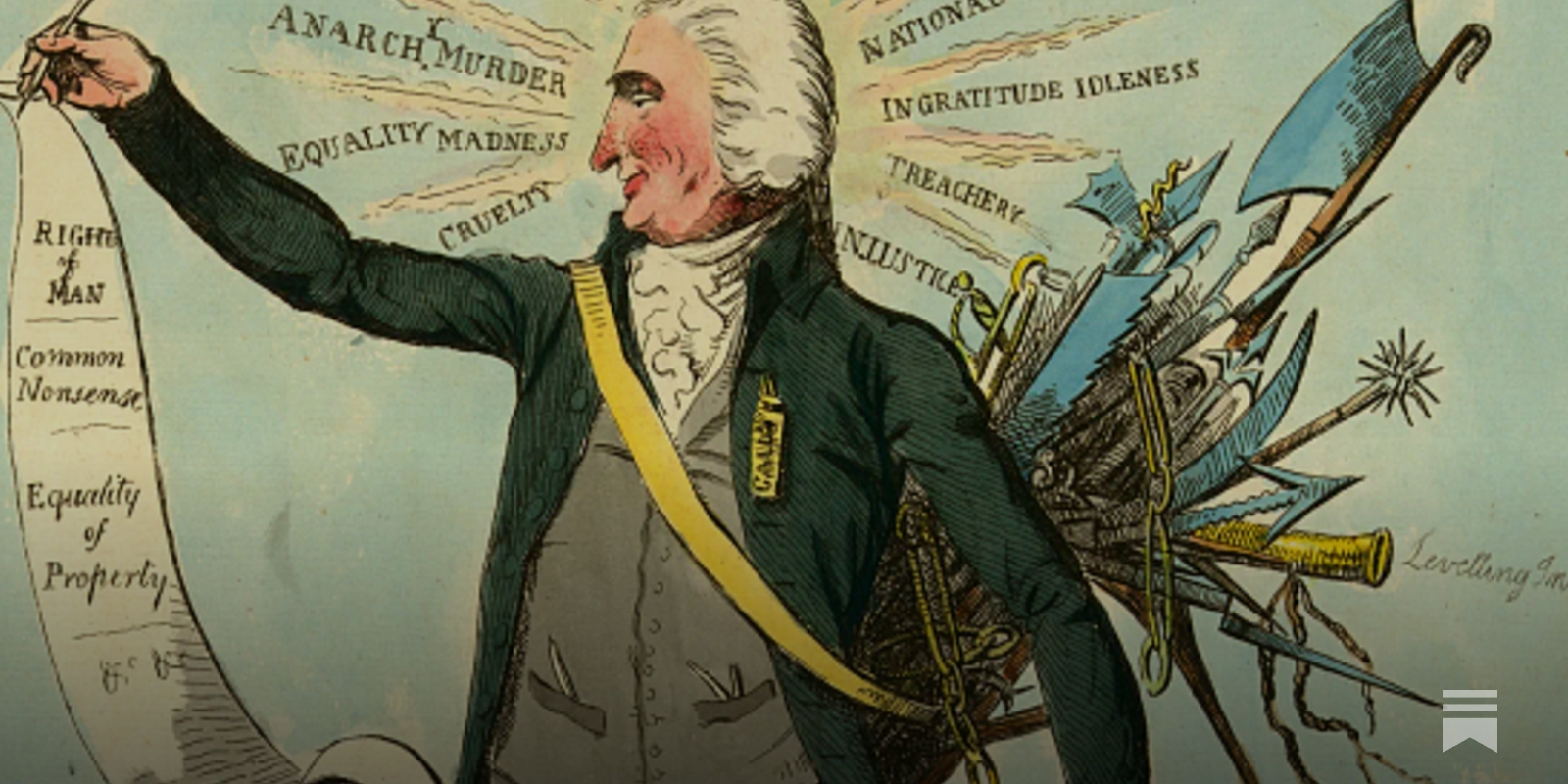
AI Is Evolving — And Changing Our Understanding Of Intelligence
Advances in AI are making us reconsider what intelligence is and giving us clues to unlocking AI’s full potential.

Kimi K3: The open-weights escalation
The global implications on the AI ecosystem.
Deterrence with Mutual Assured AI Malfunction (MAIM) — Chapter 4 of Superintelligence Strategy
Chapter 4: Deterrence with Mutual Assured AI Malfunction (MAIM). Rapid advances in AI are beginning to reshape national security. Destabilizing AI developments could rupture the balance of power and raise the odds of great-power conflict, while widespread proliferation of capable AI hackers and virologists would lower barriers for rogue actors to cause catastrophe.

An Alignment Journal: Features and policies — LessWrong
We previously announced a forthcoming research journal for AI alignment. This cross-post from our blog describes our tentative plans for the features…

AI for Science & Safety Nodes - Request for Proposals
Artificial intelligence is accelerating the pace of discovery across science and technology. But today’s AI ecosystem risks centralizing compute, talent, and decision-making power – concentrating capabilities in ways that could undermine both innovation and safety.