

Health in ChatGPT now lets eligible U.S. users securely connect medical records and Apple Health to get more personalized insights and better understand their health.
‘Unbelievably dangerous’: experts sound alarm after ChatGPT Health fails to recognise medical emergencies
Study finds ChatGPT Health did not recommend a hospital visit when medically necessary in more than half of cases

OpenAI may soon let you 'sign in with ChatGPT' for other apps | TechCrunch
OpenAI may soon let users sign in to third party services with their ChatGPT accounts, and is currently trying to gauge developer interest.

ChatGPT Health and what AI can do for a broken system
Healthcare isn’t working for patients or doctors, but AI tools can help.
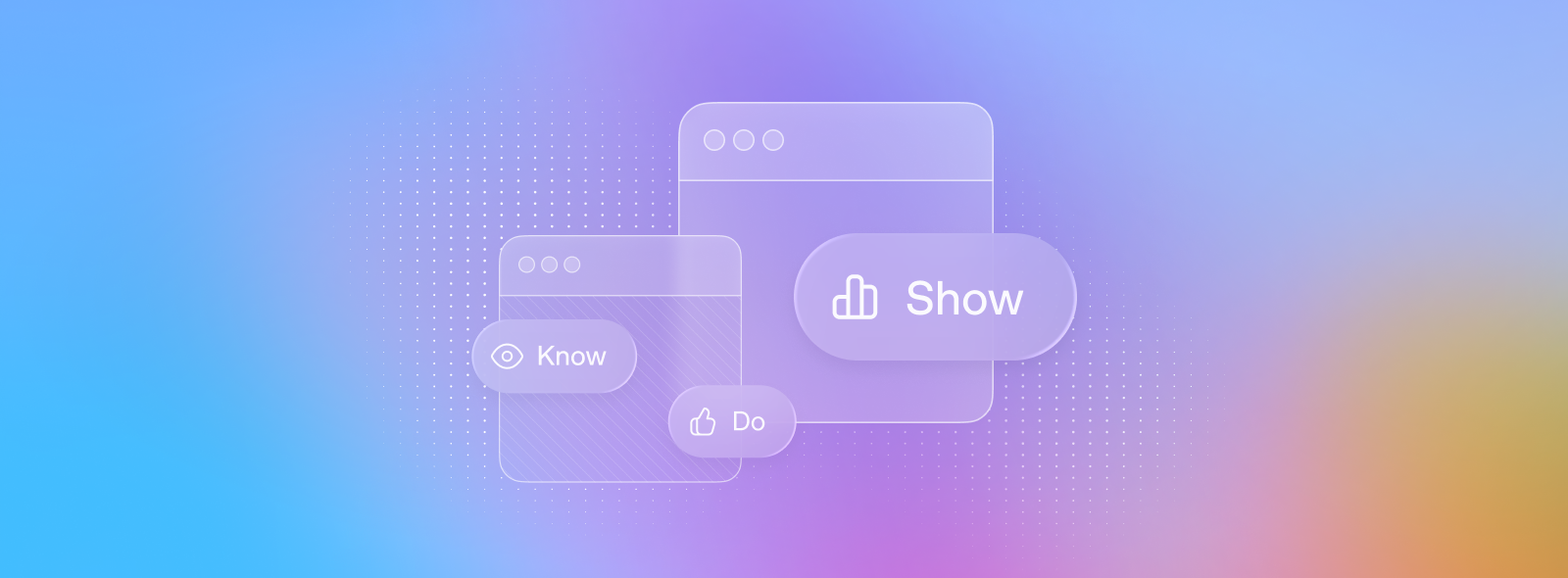
Apps in ChatGPT
What makes a great ChatGPT app | OpenAI Developers
How to build capabilities that make conversations better.
Work smarter with your company knowledge in ChatGPT
Company knowledge brings context from your apps into ChatGPT for answers specific to your business, with clear citations, security, privacy, and admin controls. Available now for Business, Enterprise, and Edu users.
Apple not paying OpenAI to use ChatGPT in iOS 18: report
At WWDC on Monday, Apple announced its highly-anticipated partnership with OpenAI to bring ChatGPT to iOS 18. While Apple and...

From asking to doing: How the world is putting ChatGPT to work
New OpenAI Signals data shows how people use ChatGPT worldwide, with country-level insights on adoption, usage trends, and evolving behavior.
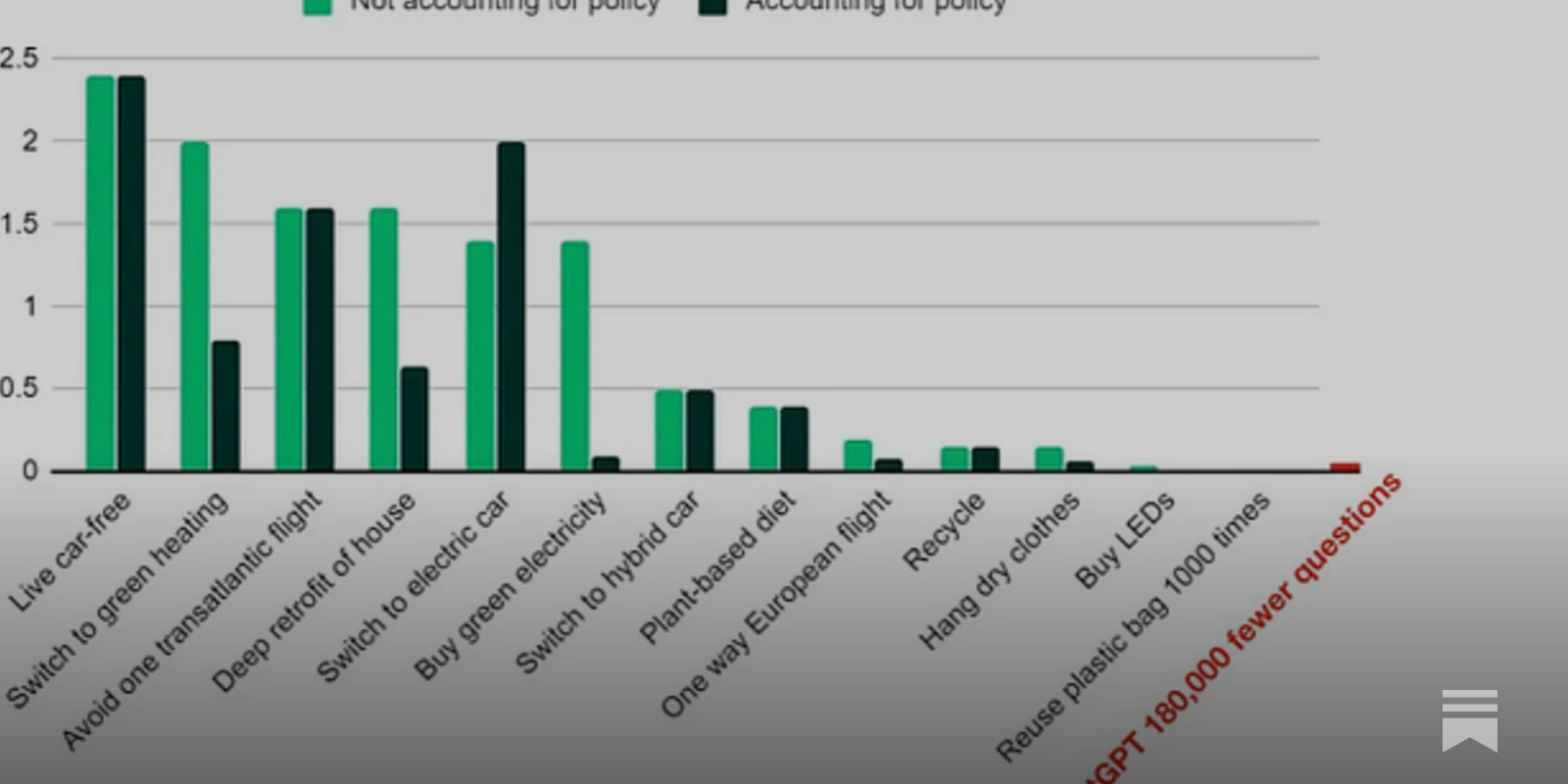
A short summary of my argument that using ChatGPT isn't bad for the environment
To share with anyone still worried
Ads in ChatGPT | OpenAI Help Center
Explore general FAQs about ads in ChatGPT, including eligibility, personalization, privacy, and controls.

Ads in ChatGPT | OpenAI Help Center
Explore general FAQs about ads in ChatGPT, including eligibility, personalization, privacy, and controls.


ChatGPT is now a partner for your most ambitious work
ChatGPT Work is an agent that can take action across your apps and files, stay with a project for hours if needed, and turn a goal into finished work.

Public use of a generalist LLM chatbot for health queries
Here we analyse over 500,000 de-identified health-related conversations with Microsoft Copilot from January 2026 to characterize what people ask conversational artificial intelligence (AI) about health. We apply a hierarchical intent taxonomy of 12 primary categories using privacy-preserving large language model-based classification validated against expert human annotation and use topic clustering for prevalent themes within each intent. We then characterize the intents and topics behind health queries, identify who they are about, and analyse how usage varies by device and time of day. Nearly one in five conversations involves personal symptom assessment or condition discussion, and the dominant general information category is also concentrated on specific treatments and conditions, suggesting that this is a lower bound on personal health intent. One in seven of these personal health queries concerns someone other than the user, suggesting that conversational AI can also be a caregiving tool. Personal queries increase markedly in the evening and nighttime hours, when traditional healthcare is most limited. Usage diverges sharply by device: mobile concentrates on personal health concerns, while desktop is dominated by professional and academic work. A substantial share of queries focuses on navigating healthcare systems. These patterns have direct implications for platform-specific design, safety considerations and the responsible development of health AI.

Public use of a generalist LLM chatbot for health queries
Here we analyse over 500,000 de-identified health-related conversations with Microsoft Copilot from January 2026 to characterize what people ask conversational artificial intelligence (AI) about health. We apply a hierarchical intent taxonomy of 12 primary categories using privacy-preserving large language model-based classification validated against expert human annotation and use topic clustering for prevalent themes within each intent. We then characterize the intents and topics behind health queries, identify who they are about, and analyse how usage varies by device and time of day. Nearly one in five conversations involves personal symptom assessment or condition discussion, and the dominant general information category is also concentrated on specific treatments and conditions, suggesting that this is a lower bound on personal health intent. One in seven of these personal health queries concerns someone other than the user, suggesting that conversational AI can also be a caregiving tool. Personal queries increase markedly in the evening and nighttime hours, when traditional healthcare is most limited. Usage diverges sharply by device: mobile concentrates on personal health concerns, while desktop is dominated by professional and academic work. A substantial share of queries focuses on navigating healthcare systems. These patterns have direct implications for platform-specific design, safety considerations and the responsible development of health AI.