

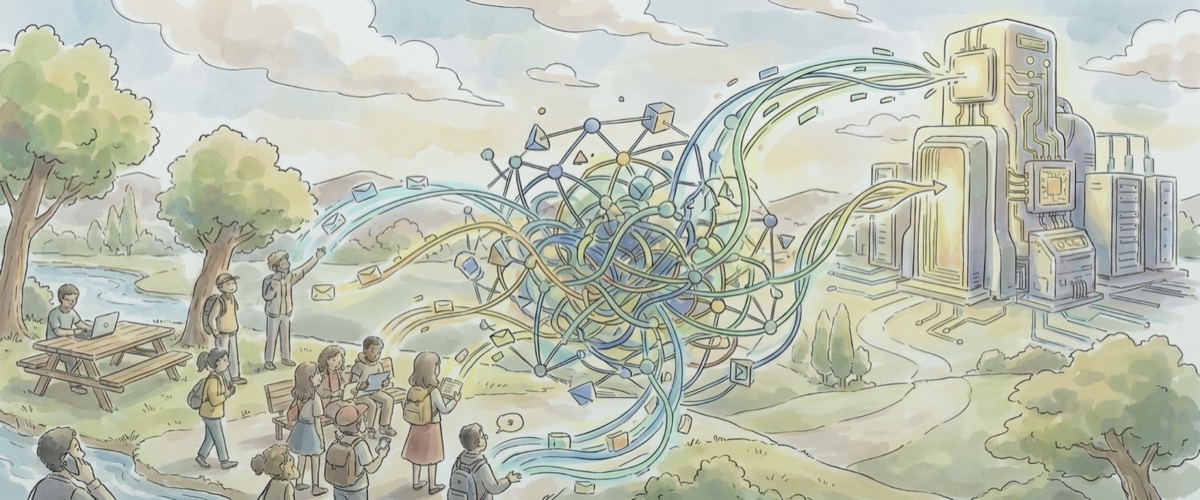
Beta research preview
The Open Anonymity Project
The Open Anonymity Project is a research & engineering effort building tools, infrastructure, and user-facing software for AI user privacy.
What’s in a name? A forward view of anonymity online
Demos is Britain’s leading cross-party think-tank. We produce original research, publish innovative thinkers and host thought-provoking events.
The Tor Project | Privacy & Freedom Online
Defend yourself against tracking and surveillance. Circumvent censorship.
Anonymity, Pseudonymity, and Deliberation: Why Not Everything Should Be Connected
Click on the article title to read more.

Anonymity, Pseudonymity, and Deliberation: Why Not Everything Should Be Connected
Click on the article title to read more.

Widely Viewed Content Report: What People See on Facebook | Transparency Center
Facebook regularly publishes reports to give our community visibility into community standards enforcement, government requests and internet disruptions
Anonymous Open Source Projects
Can we really have anonymous open source projects, or does identity play a key role? I dig in.

Anonymity and Online Commenting: The Broken Windows Effect and the End of Drive-by Commenting
As part of the Digital Library's transition to Open Access, new features for researchers are available in the Premium Edition. Click here to learn more.

Anonymity and Online Commenting: The Broken Windows Effect and the End of Drive-by Commenting
As part of the Digital Library's transition to Open Access, new features for researchers are available in the Premium Edition. Click here to learn more.
Lea: research-oriented social media
Introducing a beta-version of our new research-focused social media platform
Home | Bellingcat's Online Investigation Toolkit
A toolkit for open source researchers

The web should remain anonymous by default | The Mozilla Blog
The unique architecture of the web enables a much higher degree of user privacy than exists on other platforms. Many factors contribute to this, but an ess

Anonymity, pseudonymity, and the agency of online identity: Examining the social practices of r/Gonewild
A debate is currently raging regarding the value of anonymity online. On one side of the debate is Facebook, the world’s largest social network site. Facebook demands that people use their real names and is one of the leading forces behind the push towards a “real name” Internet. On the other side of the debate are scholars such as danah boyd and Bernie Hogan and sites such as 4chan and Reddit that view anonymity and pseudonymity as important to how people construct identity online. While much has been written about the benefits of anonymity and pseudonymity, there is a lack of published research examining specific practices enabled by pseudonyms. This paper provides a detailed account of the behaviors enabled through pseudonymous identity construction through a case study of the subreddit r/gonewild. The main contribution of the article is to provide a specific account of the costs of a totalizing embrace of the “real name” Internet.
I understand perfectly well. My questions concern the people behind the flood of content about W since we launched our beta in June. Who are they? Who funds them? What other financial interests might they have? And why is the site anonymous? Those are reasonable questions about transparency.
