Economists think Open Source is a business model. Devs know better, and fund it accordingly.
Open Source infrastructure deserves a business model
Open Source infrastructure is essential, invisible, and chronically underfunded. A more sustainable approach may be to connect the cost of running that infrastructure to the organizations that rely on it most.

Open source engagement in organizations
Companies, governments, and other organizations big and small are working with open source to achieve their goals. Teams range from barely considering it to ...

Why open source: 25 reasons to embrace it | Ben Balter
Open source isn't a fad. Here are twenty-five economic, moral, and personal reasons your organization should embrace it.
The emerging economic paradigm of Open Source
The following commentary is part of First Monday's Special Issue #2: Open Source. Open Source developers have, perhaps without conscious intent, created a new and surprisingly successful economic paradigm for the production of software. Examining that paradigm can answer a number of important questions. It's not immediately obvious how Open Source [1] works economically. Probably the worst consequence of this lack of understanding is that many people don't understand how Open Source could be economically sustainable, and some may even feel that its potential negative effect upon the proprietary software industry is an overall economic detriment. Fortunately, if you look more deeply into the economic function of software in general, it's easy to establish that Open Source is both sustainable and of tremendous benefit to the overall economy. Open Source can be explained entirely within the context of conventional open-market economics. Indeed, it turns out that it has much stronger ties to the phenomenon of capitalism than you may have appreciated.
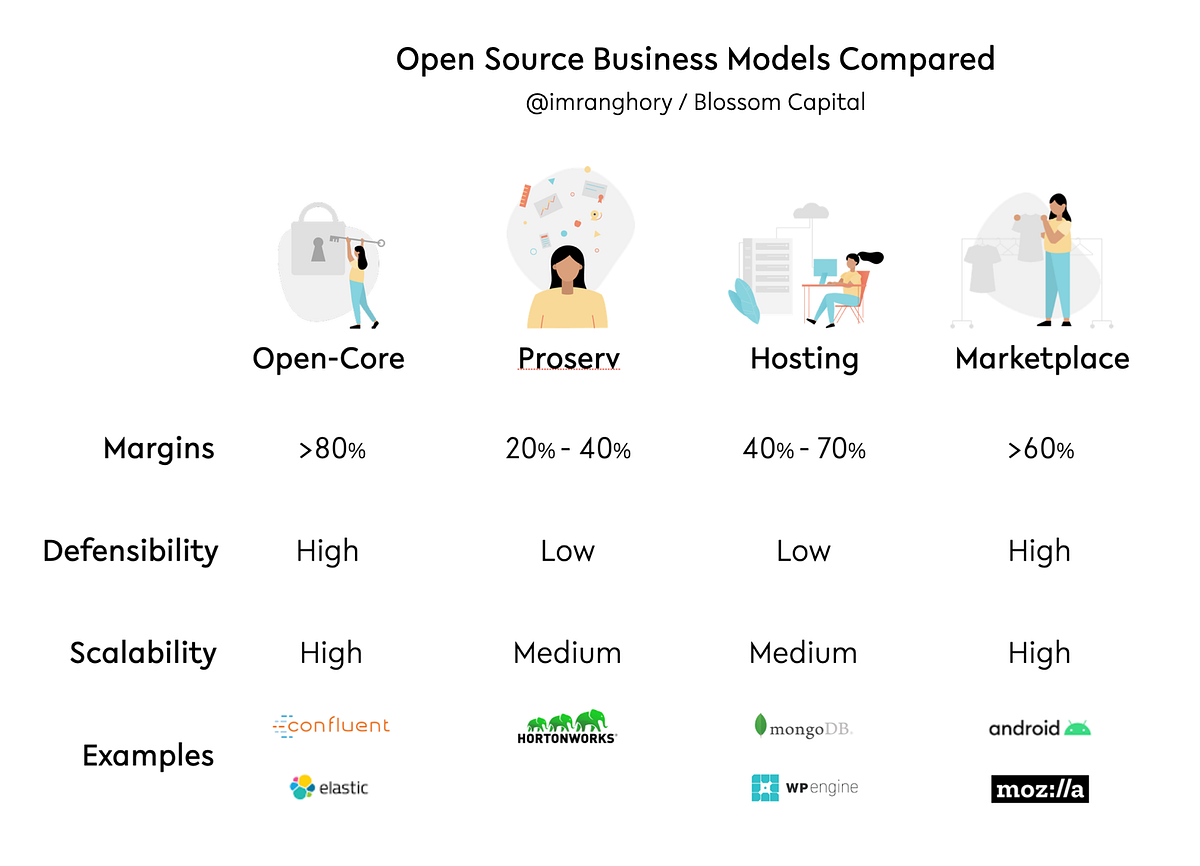
The Secrets of Successful Open Source Business Models
Finding the right model for your open-source startup
Is This the End of Open-Source? | Built In
Open-source licensure empowers governments and moneyed interests over devs. A reckoning might be on the horizon.

There is NO Open Source Business Model
Preface: It has been brought to my attention by friends and trusted advisors that a valid interpretation of my point below is that open…

Open Source Money will BUIDL the Open Source Ecosystem
The blockchain revolution is growing open source
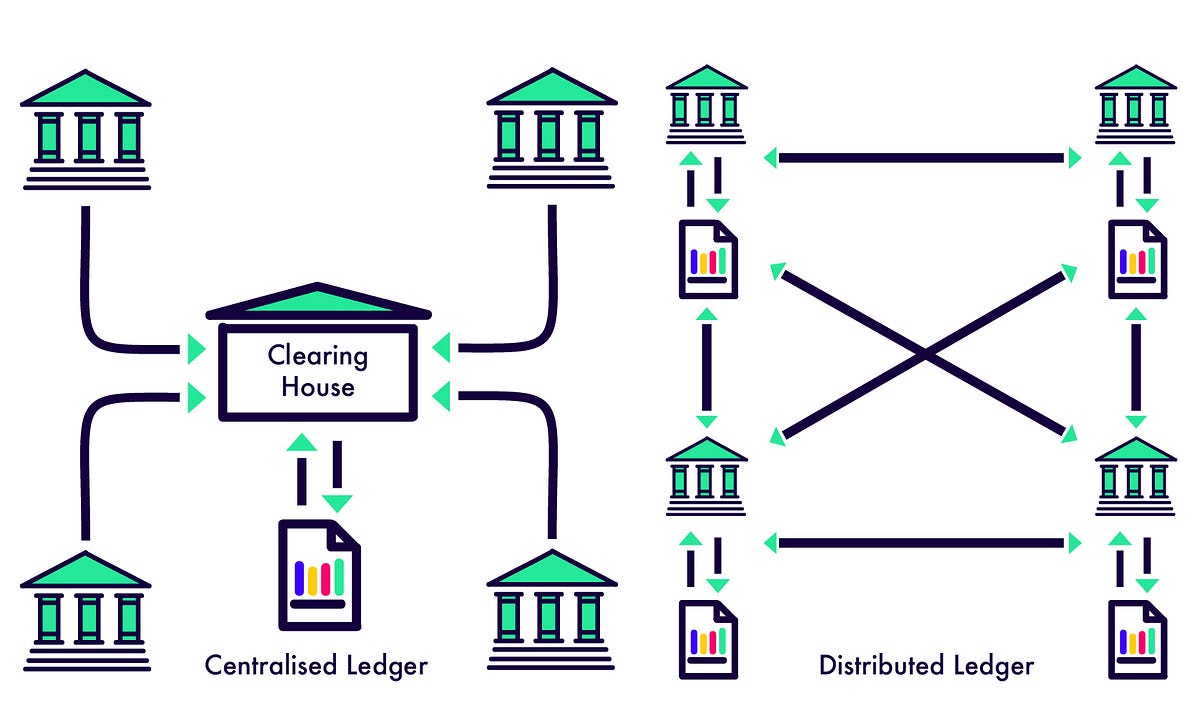
There is Still NO Open Source Business Model
I wrote a blog post two years ago called There is NO Open Source Business Model. In it, I argued that open source software is really about…

In 2019, multiple open source companies changed course—is it the right move?
We have to draw a line between open source and the right to make money with open source."
Balancing Makers and Takers to scale and sustain Open Source
To scale and sustain Open Source ecosystems in a more efficient and fair manner, Open Source projects need to embrace new governance, coordination and incentive models.

I hate the term “open source”
It doesn’t accurately reflect how people are building today anymore.

Open Source is four kinds of economic goods
Open Source code and the stewardship around it have different economics. That distinction helps show what a project might charge for, what it must budget for, and how it could fund stewardship without making the code less open.
It’s time to rethink Open Source
Why developers give away valuable work for free — and what can be done to take that money back.

The Asymmetry of Open Source - Matt Holt
A comprehensive guide to funding open source software projects

How to build a successful business model around open source software
The right approach to open source can be a great revenue model for the software provider — my company did it and we've been profitable since day one.