

Promoting openness in scientific communication and the peer-review process
Center for Open Science
At the Center for Open Science, our mission is to increase openness, integrity, and reproducibility of scholarly research. Promoting these practices within the research funding and publishing communities accelerates scientific progress

ScienceOpen
Ideal for sharing early results, building dialogue, and gaining recognition — all while staying flexible for future publication.
Open Evaluation: A Vision for Entirely Transparent Post-Publication Peer Review and Rating for Science
The two major functions of a scientific publishing system are to provide access to and evaluation of scientific papers. While open access (OA) is becoming a reality, open evaluation (OE), the other side of coin, has received less attention. Evaluation steers the attention of the scientific community and thus the very course of science. It also influences the use of scientific findings in public policy. The current system of scientific publishing provides only journal prestige as an indication of the quality of new papers and relies on a non-transparent and noisy pre-publication peer review process, which delays publication by many months on average. Here I propose an OE system, in which papers are evaluated post-publication in an ongoing fashion by means of open peer review and rating. Through signed ratings and reviews, scientists steer the attention of their field and build their reputation. Reviewers are motivated to be objective, because low-quality or self-serving signed evaluations will negatively impact their reputation. A core feature of this proposal is a division of powers between the accumulation of evaluative evidence and the analysis of this evidence by paper evaluation functions (PEFs). PEFs can be freely defined by individuals or groups (e.g. scientific societies) and provide a plurality of perspectives on the scientific literature. Simple PEFs will use averages of ratings, weighting reviewers (e.g. by H-factor) and rating scales (e.g. by relevance to a decision process) in different ways. Complex PEFs will use advanced statistical techniques to infer the quality of a paper. Papers with initially promising ratings will be more deeply evaluated. The continual refinement of PEFs in response to attempts by individuals to influence evaluations in their own favor will make the system ungameable. OA and OE together have the power to revolutionize scientific publishing and usher in a new culture of transparency, constructive criticism, and collaboration.

Open Science 2.0: Building Understanding in an AI-Mediated World - The Scholarly Kitchen
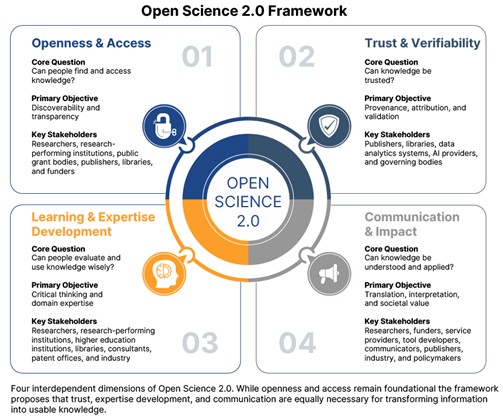
Open Science 2.0 must focus not only on access, but also on trust, interpretation, learning, and effective communication. The challenge facing the scholarly publishing ecosystem is ensuring that what is open is also trustworthy, understandable, and genuinely useful.
Introduction to Open Science
This course introduces the principles and practices of open science, with an emphasis on reproducible research workflows, transparent reporting, and collaborative scholarship. Students will critically examine reproducibility, explore tools that support openness (such as Git, GitHub, and Quarto), and apply these tools in hands-on assignments and a final open project. Students will also explore how open science practices vary across disciplines, including education, humanities, social sciences, industry and government, and STEM contexts. This course emphasizes applying open science principles to real-world data problems in alignment with the principles of producing reproducible research.
The Minimum Viable Scientific Record
The open science movement does not lack a shared vision. Decades of declarations, statements of principle, and calls to action have failed to put that vision into practice. This essay proposes a minimum viable scientific record (MVR) that would make the open science vision possible, and asks funders to make operating on it a condition of their money.
Fostering cultural change in research through innovative knowledge sharing, evaluation, and community engagement strategies
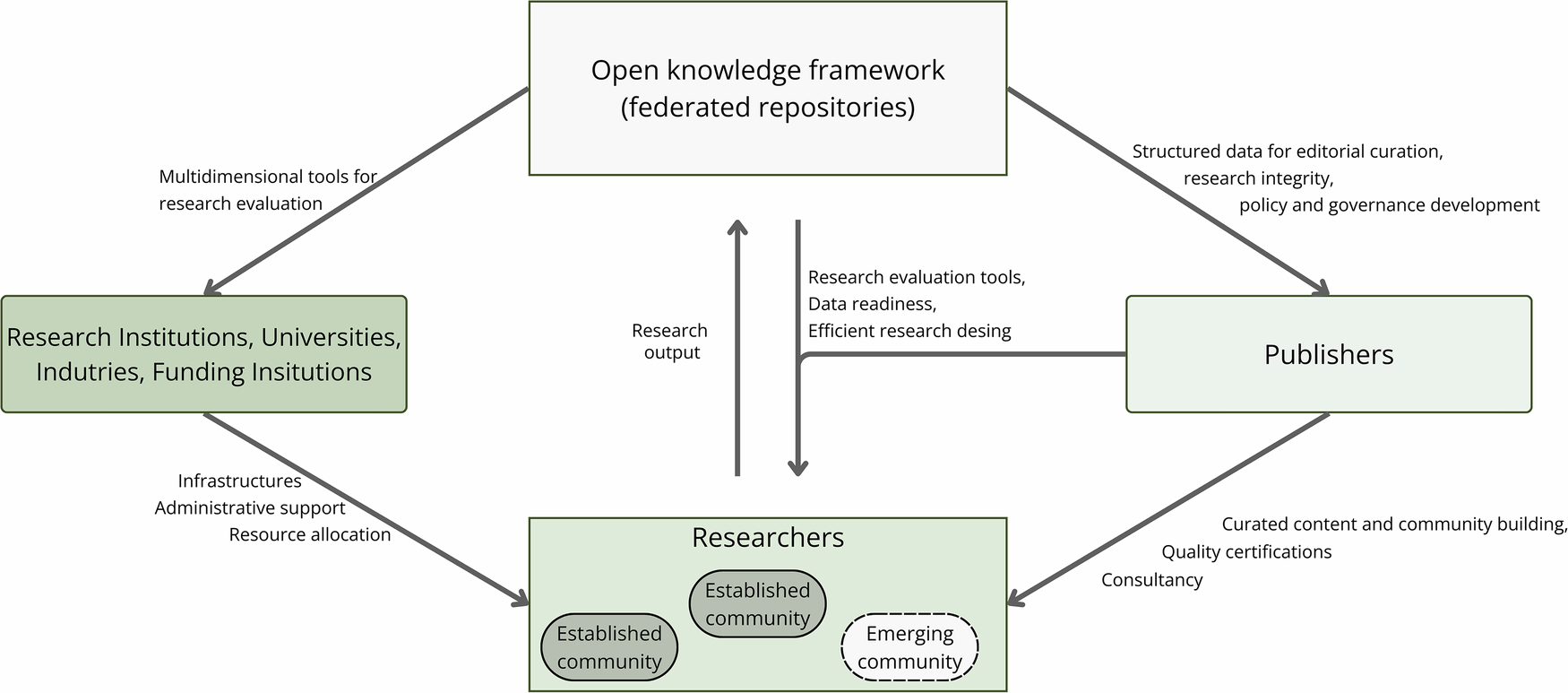
Bringing together researchers, funders, industry partners, and publishers from 14 countries across five continents, we advance the debate around open-science, assessment and learning. We introduce an integrative “open-knowledge system” framework linking knowledge production, validation, assessment, and reuse into one ecosystem view, and translate it into actionable recommendations for each stakeholder. Shifting focus to modular, machine-readable knowledge objects, these recommendations are intended to help diagnose misaligned incentives and guide reforms that properly value all scientific contributions.
Making sense of preprints by adding context – The Publish Your Reviews initiative - LSE Impact
Improving scientific publishing is often framed as an issue of openness and speed and less often as one of context. In this post, Ludo Waltman and Jessica Polka make the case for a more contextualised approach to open access publishing and preprinting, and introduce the Publish Your Reviews initiative. Launched today by ASAPbio, the initiative

Improving scientific mentorship with "Open Labs" — science better
Open Labs would be a place for experienced scientists to post their open questions and curiosities — a list of the ideas they don't have time to pursue personally but wish someone would.
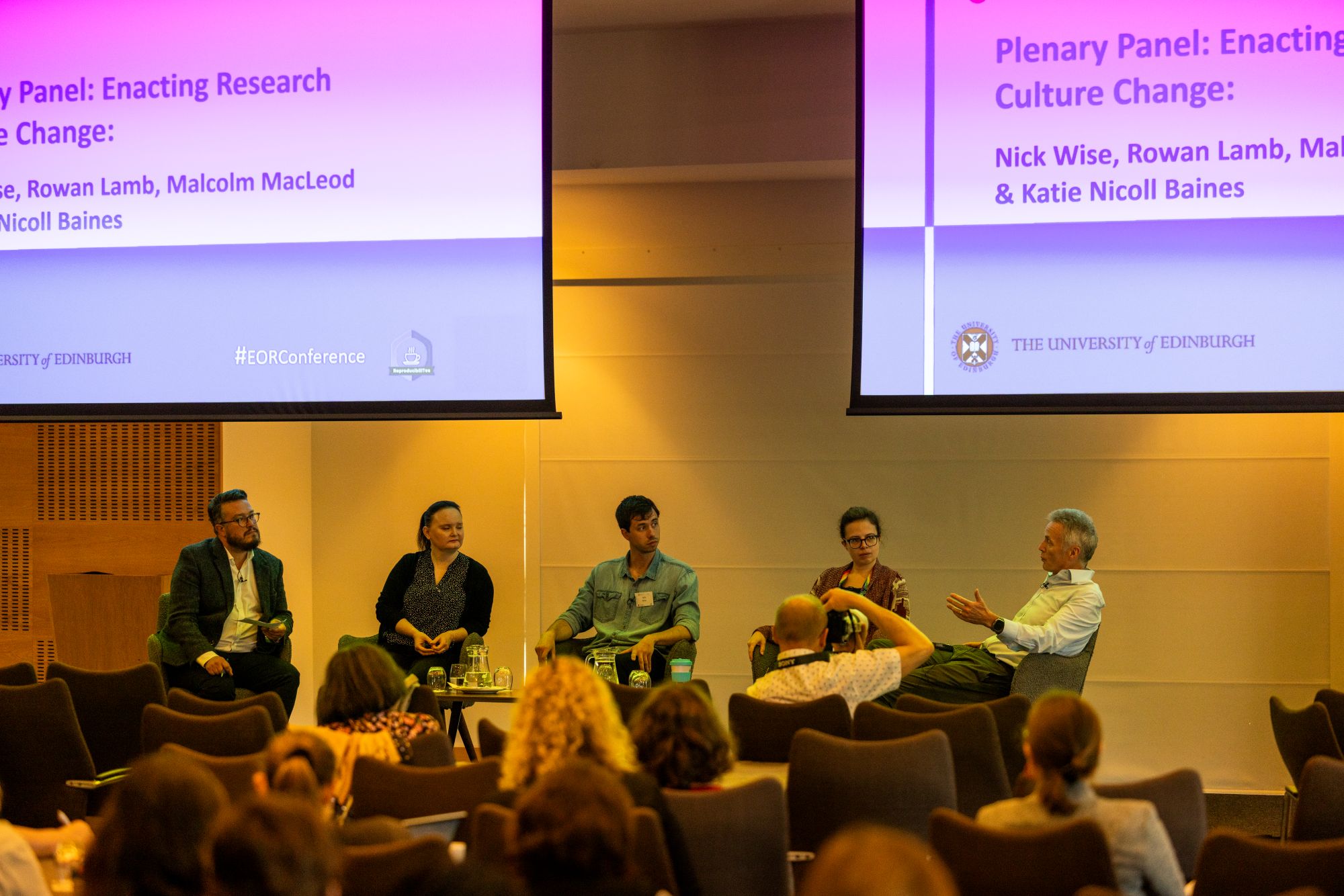
Edinburgh Open Research Conference 2026 | Library | Library
Join us for the Edinburgh Open Research Conference. This year our conference centres on UNESCO's "Recommendations for Open Science", reflecting our new institutional focus on these recommendations.
Latest research
eLife works to improve research communication through open science and open technology innovation
What is open communication?
Open source collaboration requires open communication, they say. Just what is open communication, exactly? Drawing on past research [1], here are the four principles that make communication open. O…

Open Source Explained — Open Indie
Musings on the concept of ‘open source’, in the broadest possible definition of the term. Also an invitation to become a participant in ...
Open Science Network
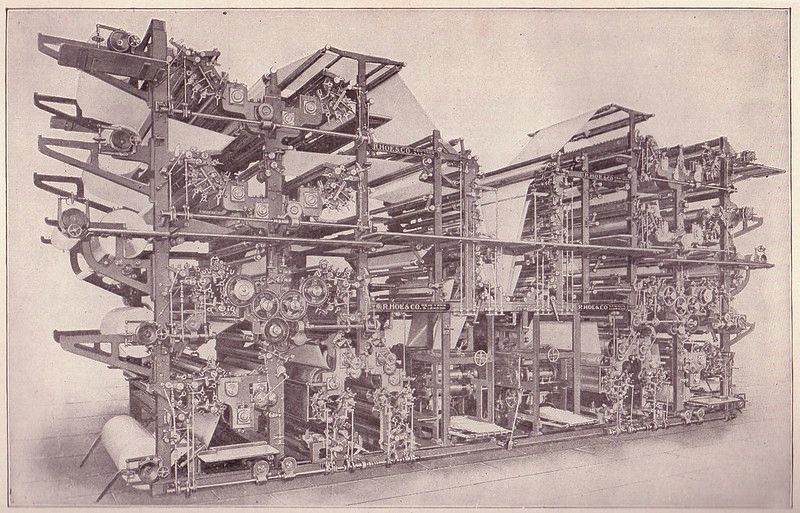
Reclaim scientific discourse with federated digital spaces where researchers shape their own conversations, data, and collaborations

"We should be able to have an open discussion about what's good science and freely critique bad research. No not you! You shouldn't be having an open discussion about what's good metascience or freely critique bad metaresearch. That's censorship." Idk about you folks but I'm tired of the bullshit.
