

Read on for early results and what we’ll be looking at in the next phase.
OpenRxiv & Curvenote’s new Reader launch took to the stage at FORCE11 2026
At FORCE11 2026, Curvenote showcased the newly launched Curvenote Reader deployed over all of openRxiv to enthusiastic feedback from scientific publishing leaders — with callouts on the innovation from the opening and closing keynotes as a meaningful step forward for open science.
Curvenote Reader brings a better reading experience to half a million openRxiv preprints
Curvenote Reader is now live across half a million bioRxiv preprints - bringing inline citations, zoomable figures, and connected context directly into the reading flow. Find out how we modernized one of science's biggest preprint repositories without disrupting a single workflow.
Curvenote® (@curvenote.com)
Curvenote's mission is to free science from static PDF documents to enable researchers to continuously share more interactive, reproducible, and richly-linked #openscience content. Curvenote develops authoring and publishing tools for researchers.

Curvenote Scientific Content Management System
A web-first experience that brings science and data to the surface. Enhance comprehension and maximize impact and reach of your research using rich metadata and interactive figures.
Note-ifying all the things (with Boris Mann)
Conversation about note-taking, the overwhelm of tools, and future possibilities. (shortlink:…

Launching openRxiv Labs - openRxiv
Over the last thirteen years, bioRxiv and medRxiv have grown into widely used infrastructure for rapid research sharing in biology and medicine. The reliability and researcher-first values that have defined these platforms since their founding remain central to how we operate, and building on the trust, partnerships, and community relationships researchers worldwide depend on is…
Introducing Hypothesis commenting on bioRxiv and medRxiv: an updated way to engage with preprints - openRxiv
An important part of our mission at openRxiv is to collaborate with other organizations to improve science communication and promote interoperability. Preprints are just one part of the research workflow, and we want to ensure they are effectively integrated with the tools and communities that drive scientific progress. Today, we’re excited to share about another…
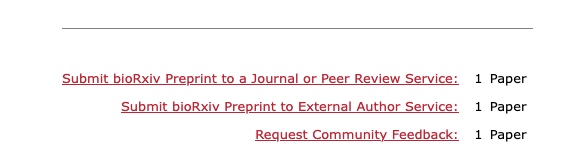
A new automated feedback option for authors - openRxiv
Authors who post preprints on openRxiv servers can get formal and informal feedback on their manuscripts in a number of ways. Our bioRxiv to journal (B2J) and medRxiv to journal (M2J) pipelines are linked to traditional peer review venues, enabling authors to save time by submitting directly from bioRxiv or medRxiv to any one of…
What's the point of a note-taking app?
The true purpose of a note-taking app is to facilitate deep learning through three interconnected processes—externalizing ideas, internalizing them into new insights, and resurfacing them over time—and good design should minimize accidental friction while preserving the productive friction that enables genuine understanding.
SenseNets alpha launch retrospective - Cosmik Labs
Experiments at the bleeding edge scientific publishing
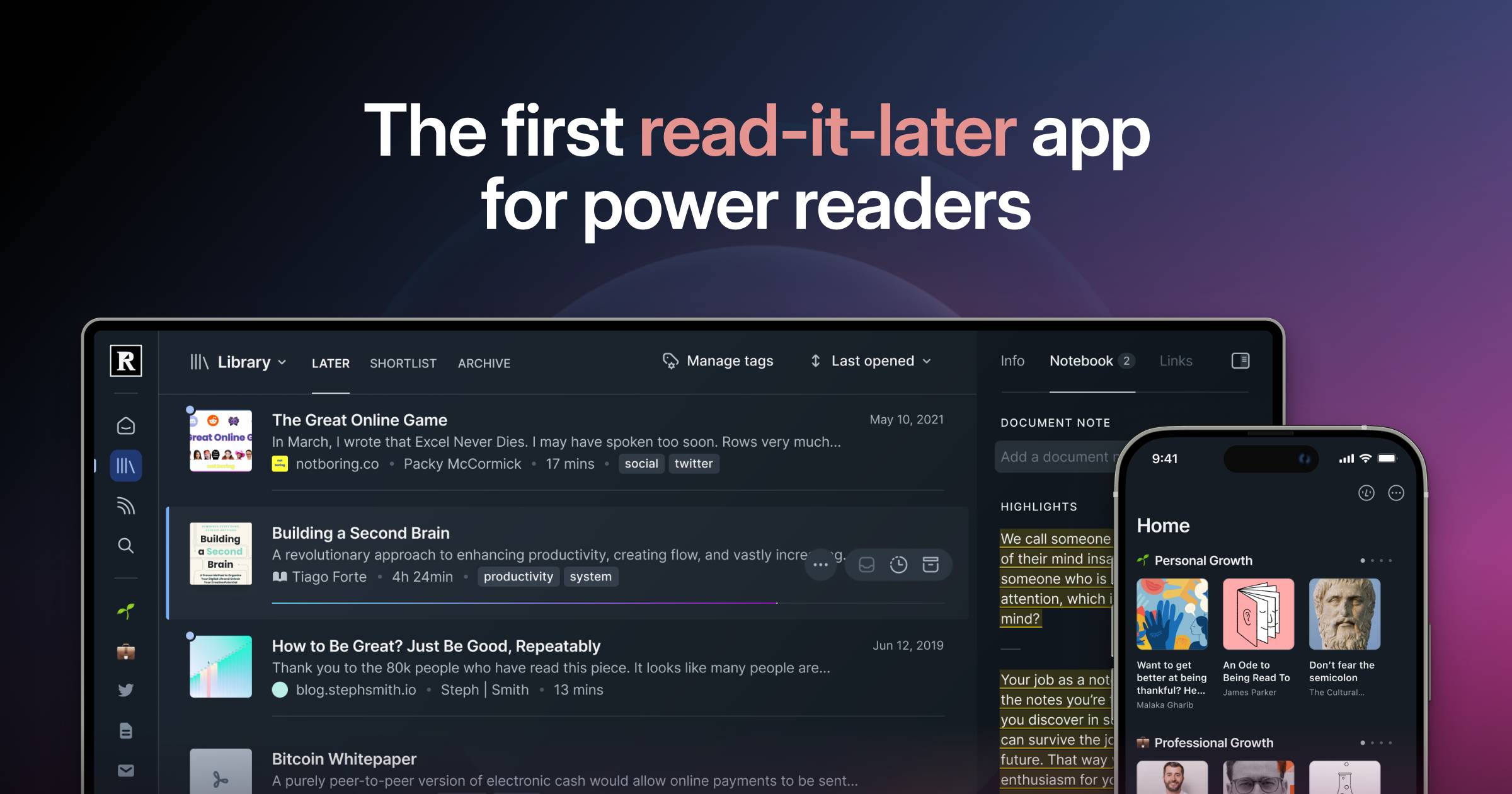
Readwise Reader: The first read-it-later app built for power readers.
Save everything to one place to overcome content overload, search instantly, and highlight like a pro.
Homepage - openRxiv
openRxiv is an independent non-profit, the new organizational home for bioRxiv and medRxiv, enabling researchers to instantly share groundbreaking findings with the global scientific community.
The new way we’ll do science
Papers should become human-readable views over a graph of data, tools, results, and certificates.
Reflect
A beautifully minimalist note-taking app designed to mirror the way you think. Now with a native AI integration.
Note taking apps

Notes, Outliners, Markdown Editors, PKMs, Memexs, Second Brains, Commonplace books, and more
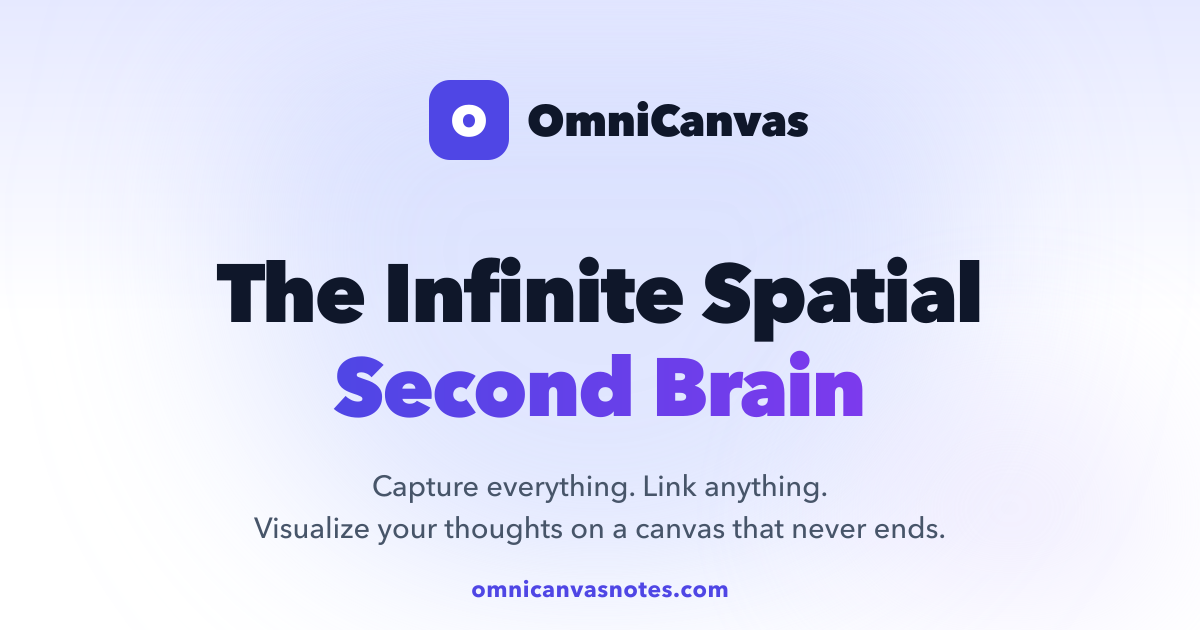
OmniCanvas - Free Infinite Canvas Notes App
Best Notes App - Write and Organize with UpNote
Antinote — a $5 scratchpad for macOS

NotePlan – Notes, Tasks and Calendar in One Daily Note
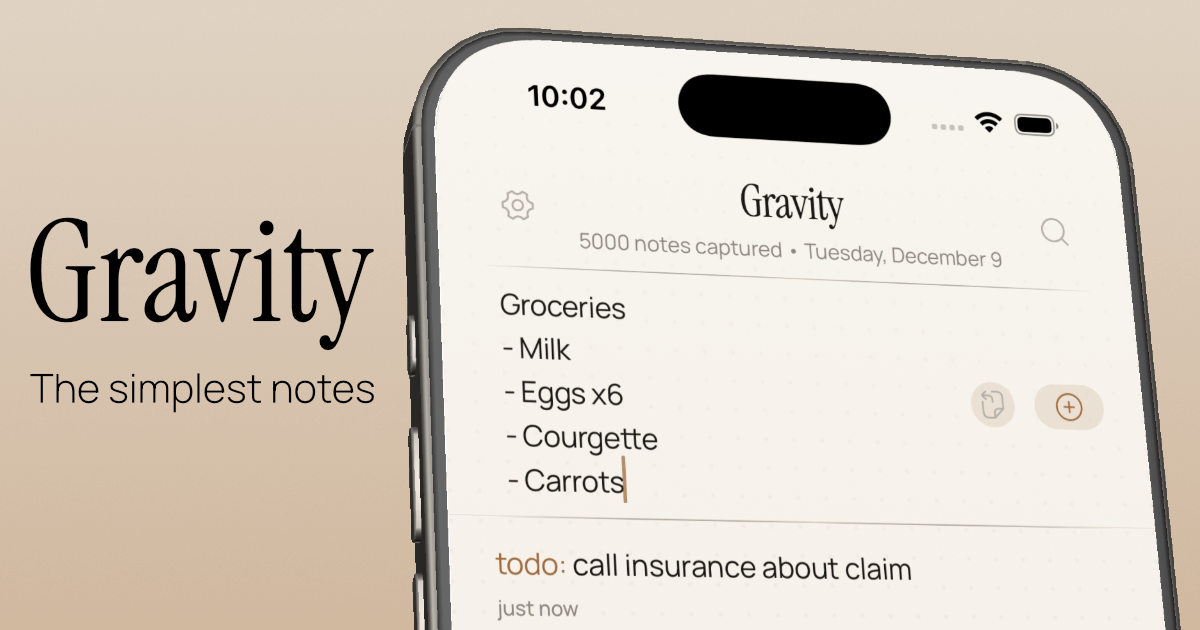
Let your thoughts sink in — Gravity
Knowledgebase Apps (by Boris) — Semble