Managing something as esoteric as resources for building software with a variety of contributions made by the open source community is more amorphic.
What is open source?
Why the idealistic promise of collaborative software often falls short of its potential.

Open Source is Not Enough
by James Halliday // The open source movement has fundamentally changed how software gets written. But in the process, corporations have been given a vast gift of free labor.
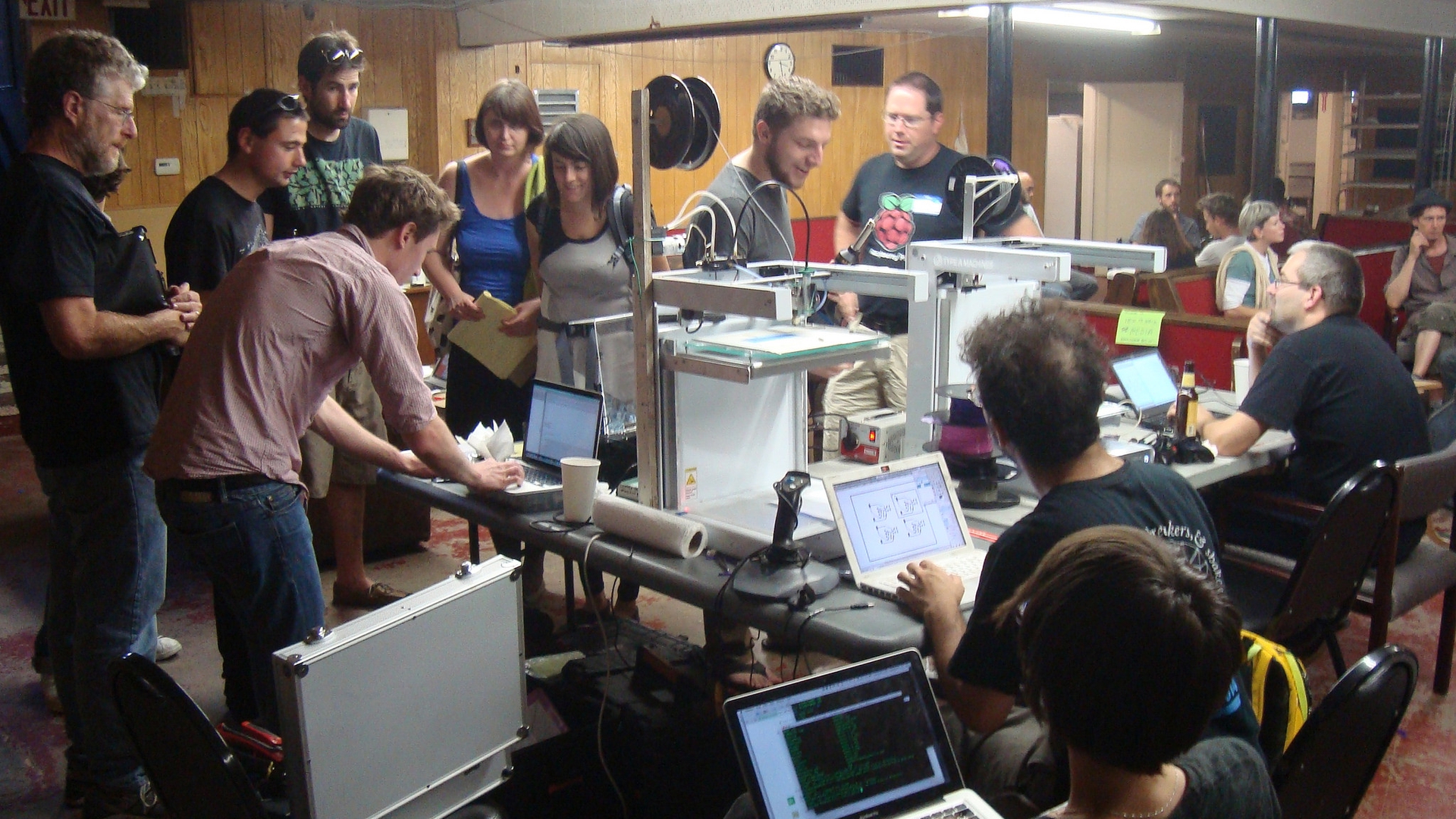
The future of open source is still very much in flux
Free and open software have transformed the tech industry. But we still have a lot to work out to make them healthy, equitable enterprises.

Creating The Open-Source Community Of Your Dreams | TechCrunch
When a company decides to embrace open-source software development, releasing the code under a suitable license is only the tip of the iceberg. The real challenge that companies face is learning how to attract and collaborate with contributors. It's not easy, but fostering the growth of a healthy community is a necessary step that will help your open-source software project fulfill its potential.

Setting an Open Source Strategy
The majority of companies that use open source understand its business value and identify its advantages in efficiency, flexibility, interoperability, and speed of innovation. Yet only half of these companies report practicing basic open source management, such as community development, code maintenance, and the like, according to the latest Future of Open Source survey.
When Free Software Isn't (Practically) Superior - GNU Project - Free Software Foundation
The Open Source Initiative's mission statement reads, “Open source is a development method for software that harnesses the power of distributed peer review and transparency of process. The promise of open source is better quality, higher reliability, more flexibility, lower cost, and an end to predatory vendor lock-in.”
Open Source: Both Bigger And Less Relevant Than You Imagine
For software infrastructure, it's a big deal. Applications? Not so much.
The shape of open source
At its core, open source is about collaboration. Whether it’s version control, licenses, or issue trackers—everything exists to support people working with each other. Open source embodies a model for…

Open source is a restaurant
[[Chad Whitacre]] makes a great analogy around when/how software gets paid for, vs food. Open Source is a restaurant. At a restaurant, you eat your meal fir...

How open-source software took over the world | TechCrunch
It was just five years ago that there was an ample dose of skepticism from investors about the viability of open source as a business model. Fast-forward to today and we’ve witnessed the growing excitement in the space.
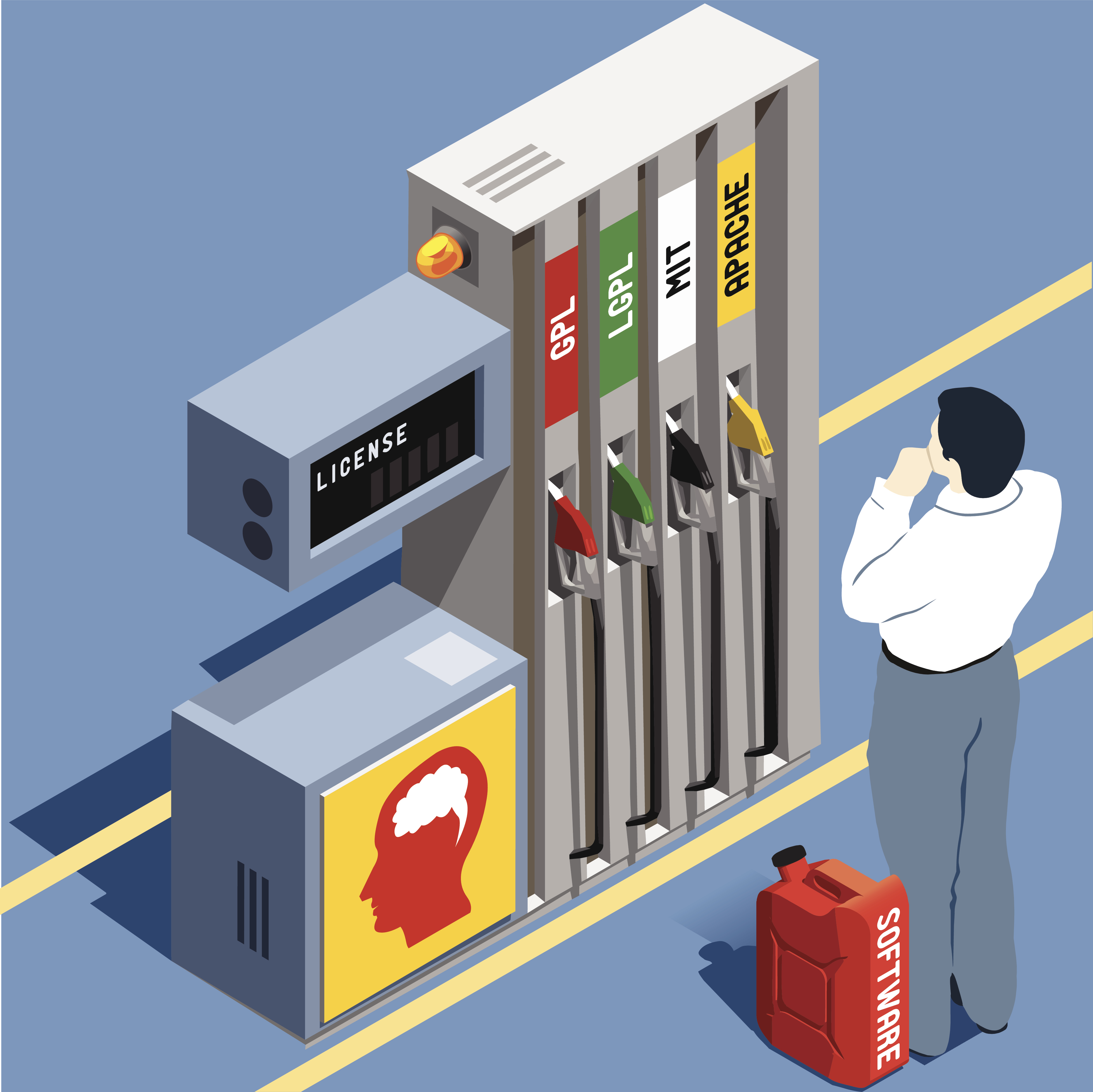
Is Open Source Broken?
The movement to develop software applications and all manner of IT services through the open source model is fundamentally rooted in the notion of community contribution, but things have shifted.

The Asymmetry of Open Source - Matt Holt
A comprehensive guide to funding open source software projects

Open Source is a cost-allocation system
Because the right to use the software is not tied to payment, the license does not connect the people who benefit, the people who decide, and the people who bear the costs. Projects have to build those connections deliberately through governance.

Embrace Open Source, For the Good of Nerdmanity | Fortune
More businesses are willing to use open source software for key projects.

Open source is 20: How it changed programming and business forever
"The reward of victory is often another set of battles."